Imagine scrolling through your social media feed and seeing Oprah Winfrey staring back at you, telling you that you have been selected for an exclusive giveaway. It looks real, sounds real, and even has a verified badge. But it is a lie, and it could cost you everything. The Oprah Winfrey deepfake giveaway scam is one of the most sophisticated AI-powered fraud schemes targeting everyday people right now, and it is exploding across every major social platform.
What Is the Oprah Winfrey Deepfake Giveaway Scam?
Fraudsters are using artificial intelligence to clone the face and voice of Oprah Winfrey, one of the most trusted public figures in America, to create convincing fake giveaway ads. These AI-generated videos, also known as deepfakes, are so realistic that even savvy internet users get fooled. Scammers take just a few seconds of real footage from interviews or public appearances, then use voice and face cloning technology to make Oprah appear to endorse a product, announce a prize, or invite fans to an exclusive meet-and-greet.
Once the deepfake video is ready, it gets wrapped in a polished ad creative and pushed out through paid social media advertisements. The scammers even spoof verified account badges to add a layer of fake credibility. Comment sections are flooded with bot accounts praising the giveaway, creating a sense of social proof and urgency that is hard to resist.
Why Oprah? The Psychology Behind Celebrity Impostor Scams
Oprah Winfrey is not just famous. She is trusted. Decades of philanthropy, personal storytelling, and genuine audience connection have made her one of the highest-trust celebrities on the planet. That trust is exactly what scammers are exploiting. According to AARP’s reporting on celebrity impostor scams, high-trust celebrity likenesses dramatically increase the conversion rate of fraudulent campaigns. Simply put, people are far more likely to click, engage, and hand over money when they believe someone they admire is behind the offer.
The combination of AI technology and a beloved public figure is a perfect storm for fraud. And Oprah is far from the only target. Scammers have used the likenesses of Elon Musk, Taylor Swift, and other household names, but the Oprah deepfake giveaway campaign has stood out for its scale and reach.
How the Oprah Deepfake Scam Actually Works
Understanding the mechanics of this scam is your first line of defense. Here is how the fraud unfolds from start to finish.
Step 1: Creating the Deepfake Content
Attackers pull real video clips of Oprah from publicly available sources, such as interviews or television appearances. Using widely accessible AI tools, they apply voice cloning and face synthesis technology to generate new footage where Oprah appears to be announcing a giveaway or endorsing a product. This process now takes only minutes and requires very little technical skill thanks to the rapid advancement of AI tools available to anyone online.
Step 2: Paid Amplification and Comment Hijacking
The deepfake content does not just get posted organically. Scammers invest in paid social media advertising to push these videos in front of millions of users. They also deploy bot networks to flood comment sections with fake praise and testimonials, creating a feedback loop of manufactured legitimacy. As Turn to 10’s I-Team investigation reveals, this rapid ad placement strategy exploits gaps in platform ad verification systems, allowing fraudulent content to stay live long enough to capture victims.
Step 3: Moving Victims Off Platform
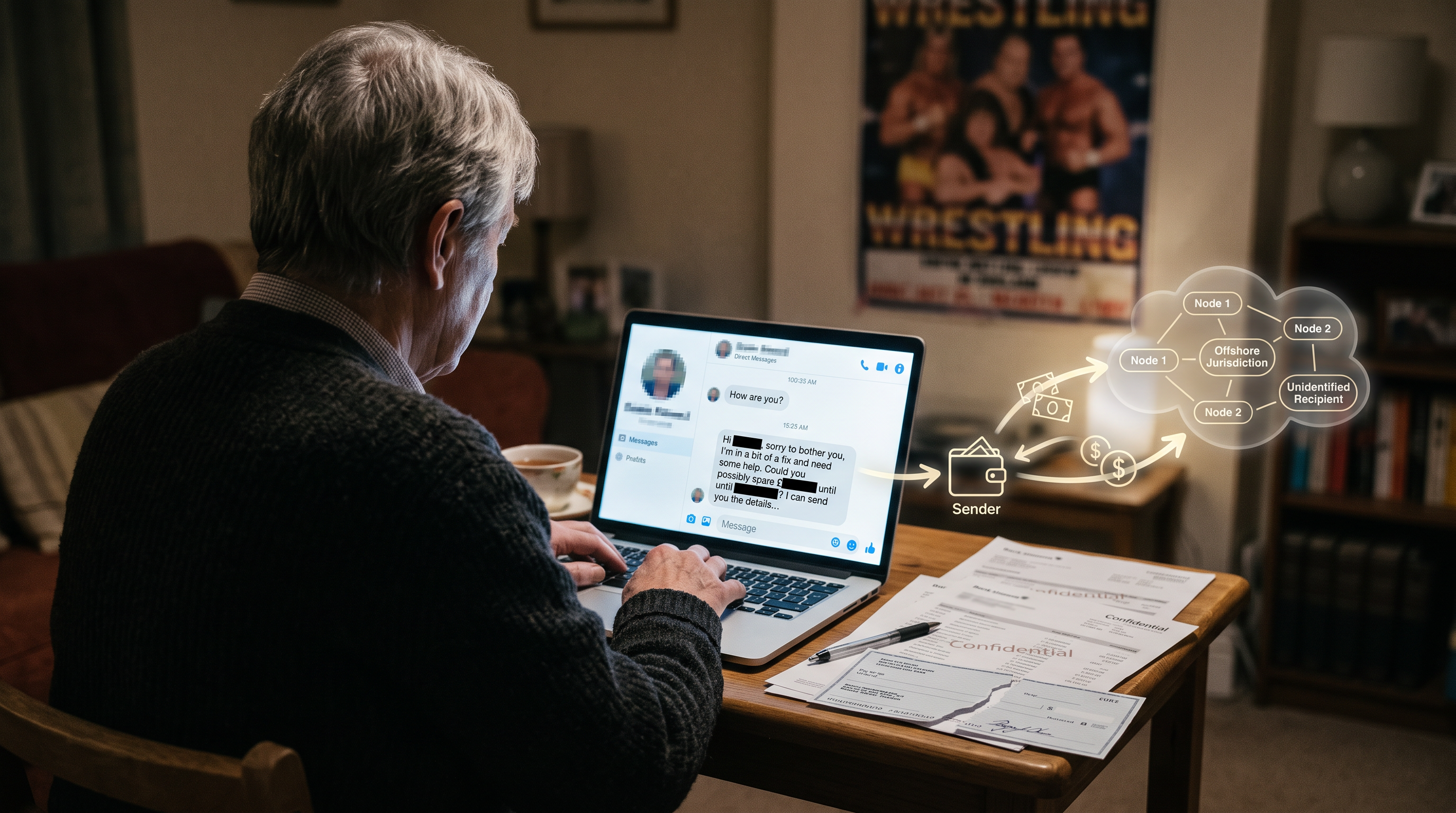
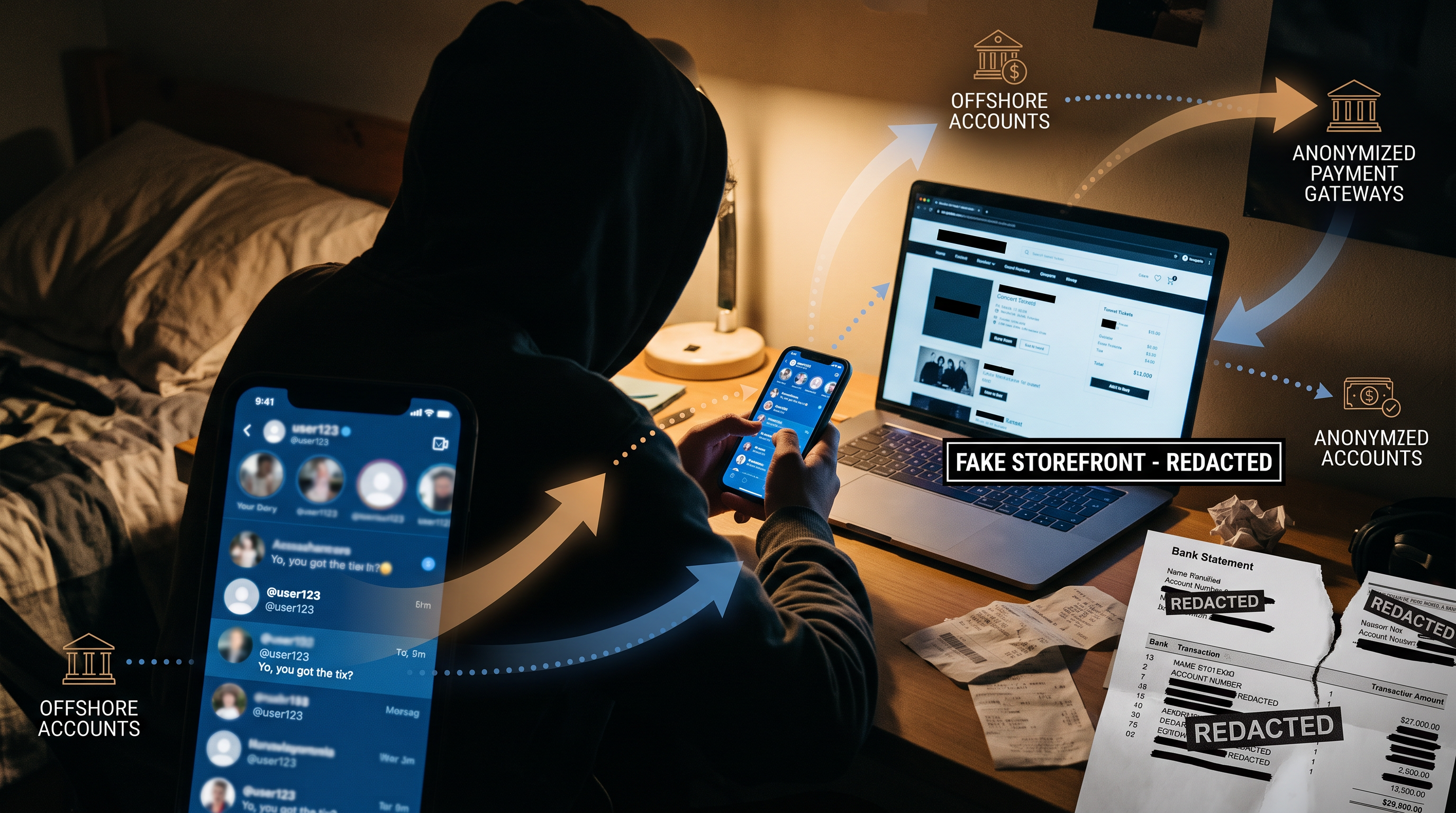
Once a victim engages, they are directed to a private chat, a phishing landing page, or a fake app. Here, the pressure intensifies. Victims are told they need to pay a small processing fee, shipping cost, or registration charge to claim their prize. The payment methods demanded are a major red flag: gift cards, wire transfers, and cryptocurrency. These payment rails are nearly impossible to reverse, which is precisely why scammers rely on them.
The Broader Threat of AI Celebrity Impostor Scams
The Oprah Winfrey deepfake giveaway scam is not an isolated incident. It is part of a massive and growing wave of AI-powered impostor fraud. The FTC has consistently ranked impostor scams as the top fraud category in the United States, with consumers losing billions of dollars in recent years. Monitoring organizations continue to document staggering aggregate losses tied to synthetic media scams specifically.
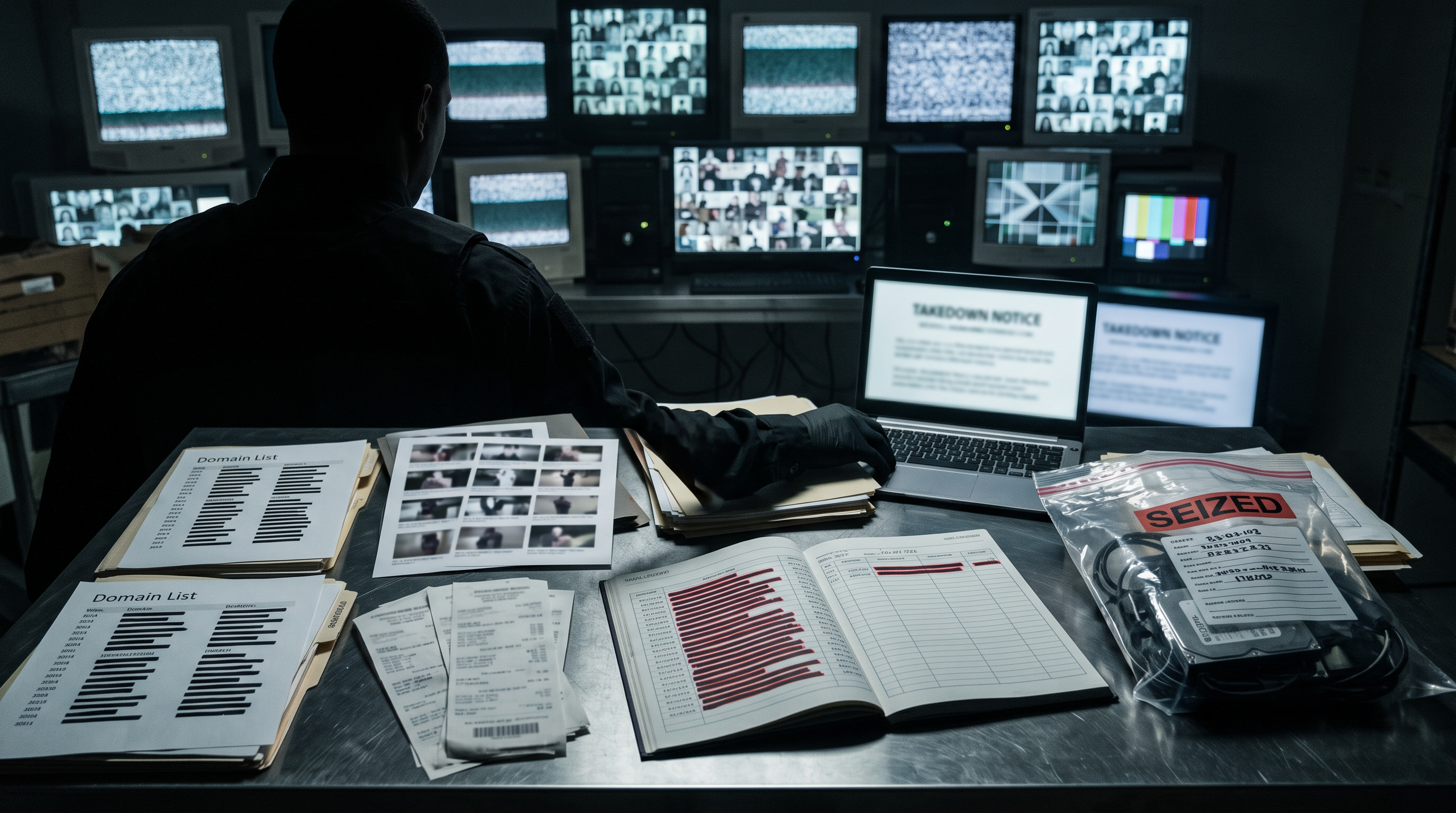
The issue goes beyond individual victims. These scams expose critical gaps in how social platforms verify advertisers, label AI-generated content, and respond to takedown requests. When a deepfake ad can be live for hours before being removed, thousands of people can be exposed in that window alone.
Why Platforms Are Struggling to Keep Up
Ad verification systems were not designed with AI-generated synthetic media in mind. Scammers exploit this gap by rotating ad accounts, using shell identities, and constantly tweaking content to evade automated detection. Synthetic media labeling policies are still catching up with the speed of AI development. The result is a game of whack-a-mole where fraudulent content keeps resurfacing faster than platforms can take it down.
How to Protect Yourself from Celebrity Deepfake Scams
Awareness is powerful, but action is better. Here is exactly what you need to do to avoid becoming a victim of the Oprah deepfake giveaway scam or any similar AI celebrity impostor fraud.
- Never respond to unsolicited celebrity DMs or giveaway ads. Real celebrities do not contact fans out of the blue to give away prizes.
- Verify on official channels. If Oprah were really hosting a giveaway, it would be announced on her verified website and official social profiles, not through a random ad or private message.
- Refuse gift cards, crypto, and P2P payments. Any request for these payment methods is an immediate red flag, full stop.
- Look for unnatural facial movements or audio sync issues. Deepfakes, while improving rapidly, still sometimes show subtle glitches around the mouth, eyes, or hairline.
- Save screenshots and metadata. If you suspect a scam, document everything before reporting it.
- Report the account and ad to the platform immediately. Use the built-in reporting tools on Facebook, Instagram, TikTok, or wherever you saw the content.
- File a complaint at ReportFraud.ftc.gov. Your report helps the FTC track trends and take action against scam operations.
- Contact your bank or crypto exchange immediately if you already sent money. Time is critical when trying to reverse a transaction.
What to Do If You Have Already Been Targeted
If you engaged with a celebrity impostor scam and lost money, do not feel embarrassed. These operations are professionally designed to deceive. Your first call should be to your bank or financial institution to report unauthorized transactions and freeze any compromised accounts. If cryptocurrency was involved, contact the exchange directly and report the wallet address involved. Then file a detailed complaint with the FTC at ReportFraud.ftc.gov so that investigators can build a case.
Emotional support matters too. Scam victims often experience shame, anxiety, and distrust. Reaching out to organizations like AARP’s Fraud Watch Network can connect you with resources and a community of people who understand what you are going through.
The Bottom Line on AI Deepfake Celebrity Scams
The Oprah Winfrey deepfake giveaway scam is a wake-up call for everyone who uses social media. AI technology has lowered the barrier to fraud so dramatically that virtually any criminal with an internet connection can now impersonate a world-famous celebrity convincingly. Your skepticism is your strongest weapon. Before you click, share, or pay anything related to a celebrity giveaway online, stop and verify. Real opportunities do not come with pressure tactics, gift card demands, or private message redirects.
Share this article with someone you care about. The more people understand how these scams work, the harder it becomes for fraudsters to profit from them. If you have seen a suspicious celebrity giveaway ad recently, report it today.
Frequently Asked Questions About the Oprah Winfrey Deepfake Giveaway Scam
Is Oprah Winfrey actually hosting any giveaways on social media?
No. Any giveaway or contest attributed to Oprah Winfrey on social media should be verified through her official website or confirmed social media profiles before you engage. Scammers routinely use her likeness in deepfake ads without her knowledge or consent. Official announcements will never ask you to pay a fee or provide payment details to claim a prize.
How can I tell if a celebrity video is a deepfake?
Look closely at facial movements, especially around the eyes, mouth, and hairline. Deepfakes often show unnatural blinking, slightly off lip sync, or blurring around the edges of the face. The background may also look unnaturally smooth or distorted. When in doubt, search for the original source of the video before trusting the content.
What should I do if I already paid money in a celebrity giveaway scam?
Contact your bank, credit card company, or crypto exchange immediately to report the transaction and attempt a reversal. File a report with the FTC at ReportFraud.ftc.gov and report the account to the social media platform where you encountered the scam. Document everything, including screenshots, messages, and payment records.
Why do scammers ask for gift cards or cryptocurrency in these scams?
Gift cards and cryptocurrency transactions are extremely difficult or impossible to reverse, making them ideal for scammers who want to collect money quickly and disappear. No legitimate giveaway, business, or celebrity representative will ever ask you to pay with a gift card or send cryptocurrency as a condition of receiving a prize.
Are these celebrity deepfake scams only happening to older people?
No. While older adults are often targeted due to higher levels of trust in celebrities and less familiarity with deepfake technology, people of all ages are falling victim to these scams. The sophistication of AI-generated content means even tech-savvy younger users can be deceived. Everyone who uses social media needs to be aware of this threat.