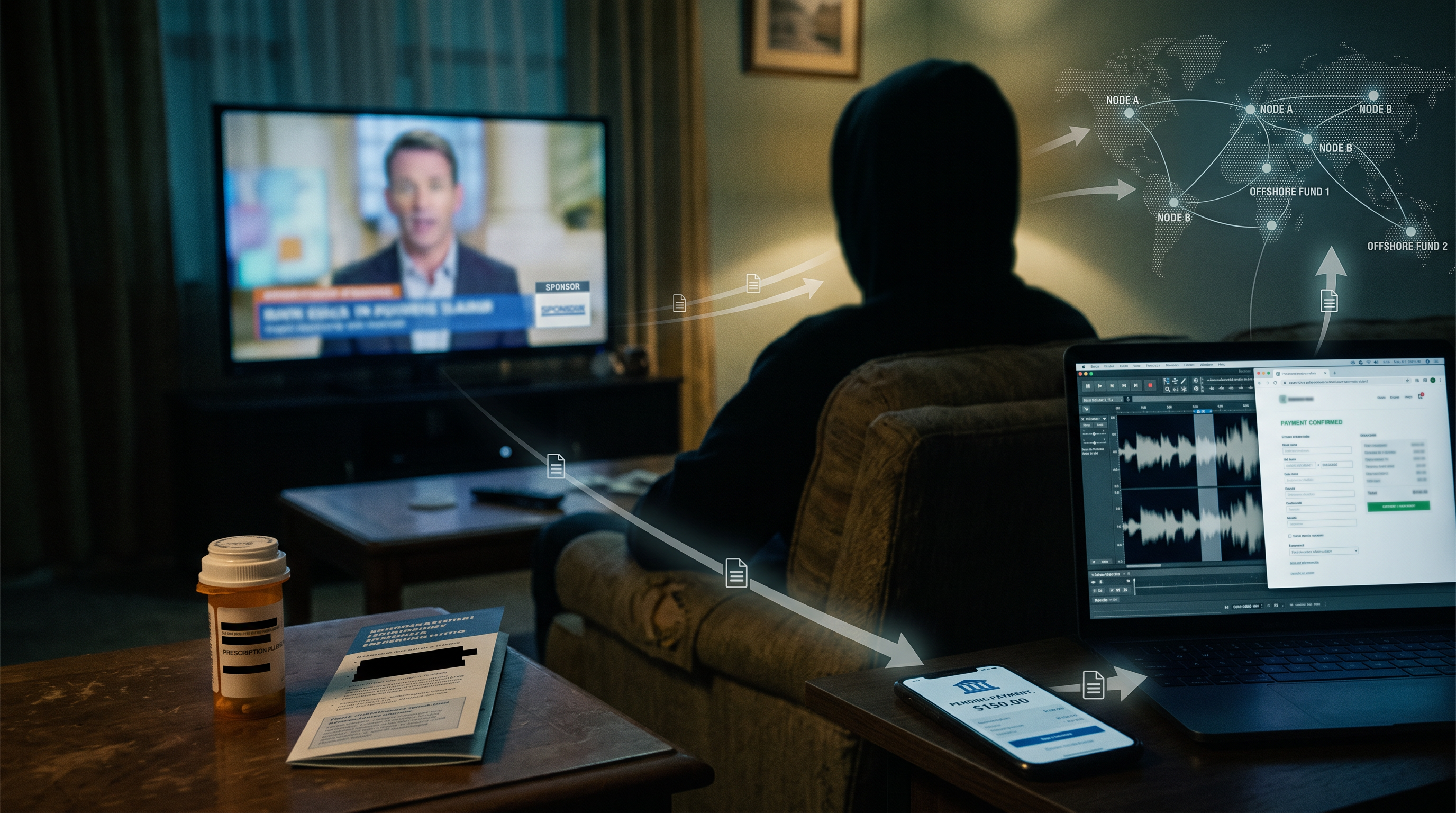
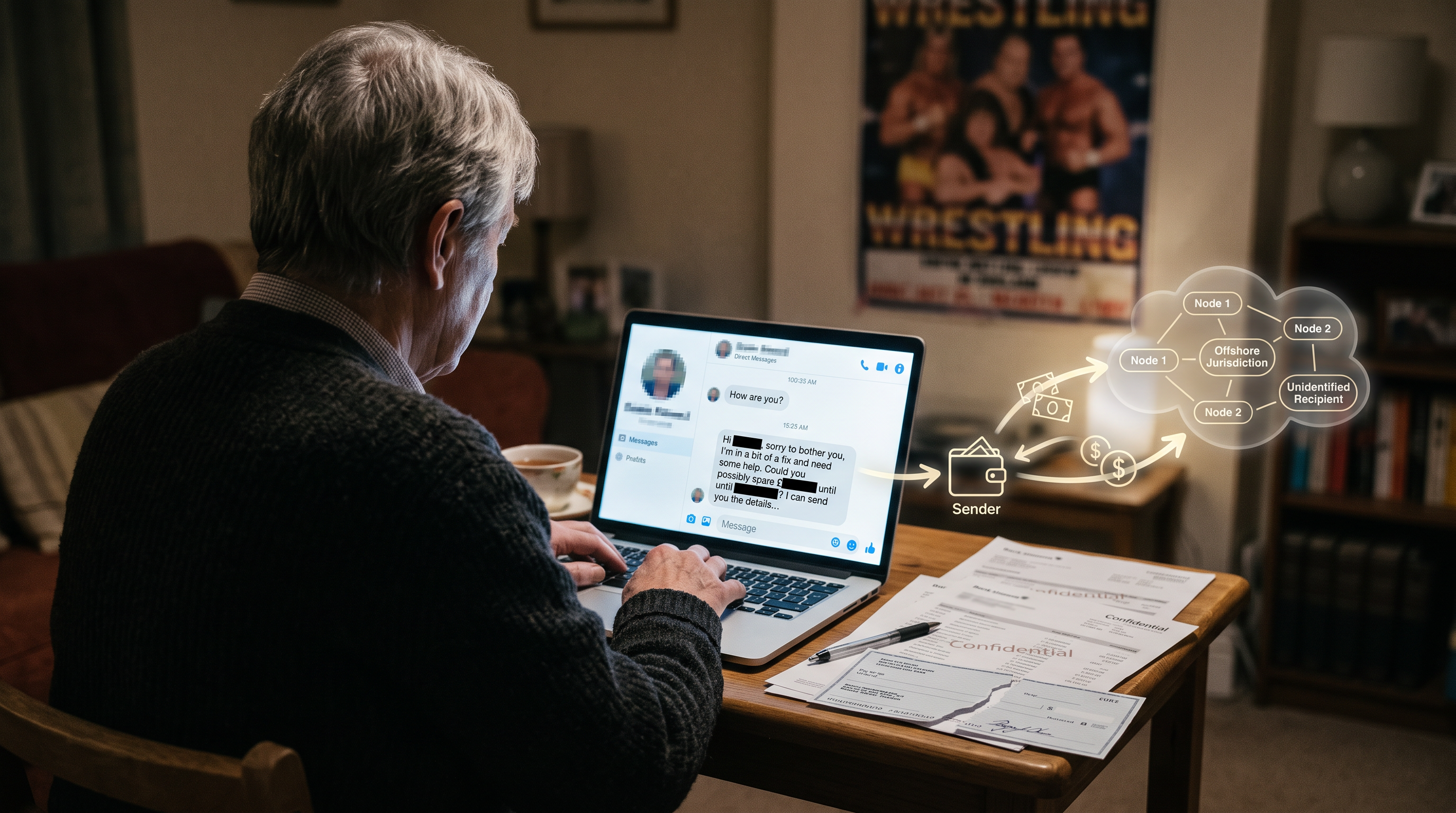
In early 2024, the UK public was shocked by the story of Jennifer Barton, an NHS worker who fell victim to an elaborate celebrity impersonation romance scam, losing more than £250,000. The scammers masqueraded as famous celebrities, exploiting Jennifer’s trust and compassion until she was left financially devastated. Her heartbreaking story is a cautionary tale, shedding light on how sophisticated and manipulative modern online romance scams can be.
How the Scam Worked
Jennifer was contacted through social media by people pretending to be celebrities such as Charlie Hunnam, Nicky Byrne, Michael Ray, and Alexander Ludwig. The scammers initiated friendly conversation, gradually gaining her trust, and then convinced her to move their chats to private messaging apps like Telegram. Once isolated from the scrutiny of mainstream social platforms, the scammers escalated their requests—starting with a seemingly minor sum (for example, a £3,000 fabricated court fee), then inventing a series of emergencies that required ever-larger payments.
In little over a year, Jennifer sent more than £250,000—her life savings—only stopping when she was forced to sell her house and car to support the scammers’ endless demands.
Red Flags & Warning Signs
- Unsolicited contact from people claiming to be celebrities.
- Requests to move conversations away from public platforms (such as to Telegram or WhatsApp).
- Escalating, urgent requests for money to solve emergencies.
- Excuses for why they can’t video call or meet in person.
- Promising romantic involvement or special treatment very quickly.
Why Do These Scams Work?
Scammers prey on emotions—especially loneliness, admiration for celebrities, and the desire to be chosen or noticed. They use social engineering tactics to build trust over weeks or months before ever mentioning money. Many victims say the manipulations are subtle at first, becoming obvious only in hindsight.
How to Protect Yourself
- Be cautious of strangers—especially “celebrities”—who contact you online.
- Never move conversations off the original platform at someone else’s request.
- Never send money to anyone you haven’t met in person, regardless of their story.
- Ask for a live video call and look out for excuses.
- Talk to friends and family about any new online relationship—they may spot warning signs you miss.
If You’ve Been Targeted
If you believe you’re being scammed, cut off communication immediately, report the scam to Action Fraud (in the UK) or your comparable local authority, and contact your bank if money was sent. You are not alone, and help is available for both financial and emotional recovery.
Further Reading
- Action Fraud: Report Fraud and Cyber Crime
- FTC: How to Spot Romance Scams
- UNILAD: NHS worker’s story
This viral story is a powerful reminder that no one is immune to the manipulations of online criminals. Stay vigilant, trust your instincts, and share these tips with others to help prevent more heartbreaking losses.