Imagine getting a direct message from what looks and sounds exactly like your favorite celebrity, telling you that you’ve won a giveaway or have a once-in-a-lifetime investment opportunity. It feels real, it looks real, and that is exactly the point. Michigan Attorney General Dana Nessel just issued a major consumer alert warning that celebrity impersonation scams powered by AI deepfakes are surging, and everyday people are losing real money to them.
What Are Celebrity Impersonation Scams and Why Are They Exploding Now?
Celebrity impersonation scams are not new, but artificial intelligence has supercharged them to a terrifying degree. Fraudsters now use AI-generated audio and video to clone the voice, face, and mannerisms of famous public figures with stunning accuracy. The result is a deepfake that can fool even skeptical consumers who think they would never fall for a scam.
The Michigan AG’s official press release specifically named entertainers like Snoop Dogg, Garth Brooks, and Kid Rock as targets being exploited by these fraudsters. It also cited impersonations of high-ranking military generals, showing that scammers will use any trusted figure to gain your confidence and ultimately your money.
The Role of AI Deepfakes in Modern Fraud
Deepfake technology has become disturbingly accessible. Tools that once required a Hollywood budget can now be accessed cheaply or even for free online. Scammers use this technology to create fake videos of celebrities endorsing bogus products, running phony giveaways, or pitching fraudulent crypto investments. When the video looks authentic and the voice sounds authentic, your brain’s natural defenses drop.
This is not a small-scale problem. According to FTC data on imposter and romance scams, losses from impersonation fraud have climbed sharply in recent years, making this one of the fastest-growing categories of consumer fraud in the country.
How Celebrity Impersonation Scams Actually Work
Understanding the playbook these fraudsters use is your first line of defense. These scams follow a surprisingly consistent pattern, even when the celebrity being impersonated changes.
Step One: Build a Convincing Fake Presence
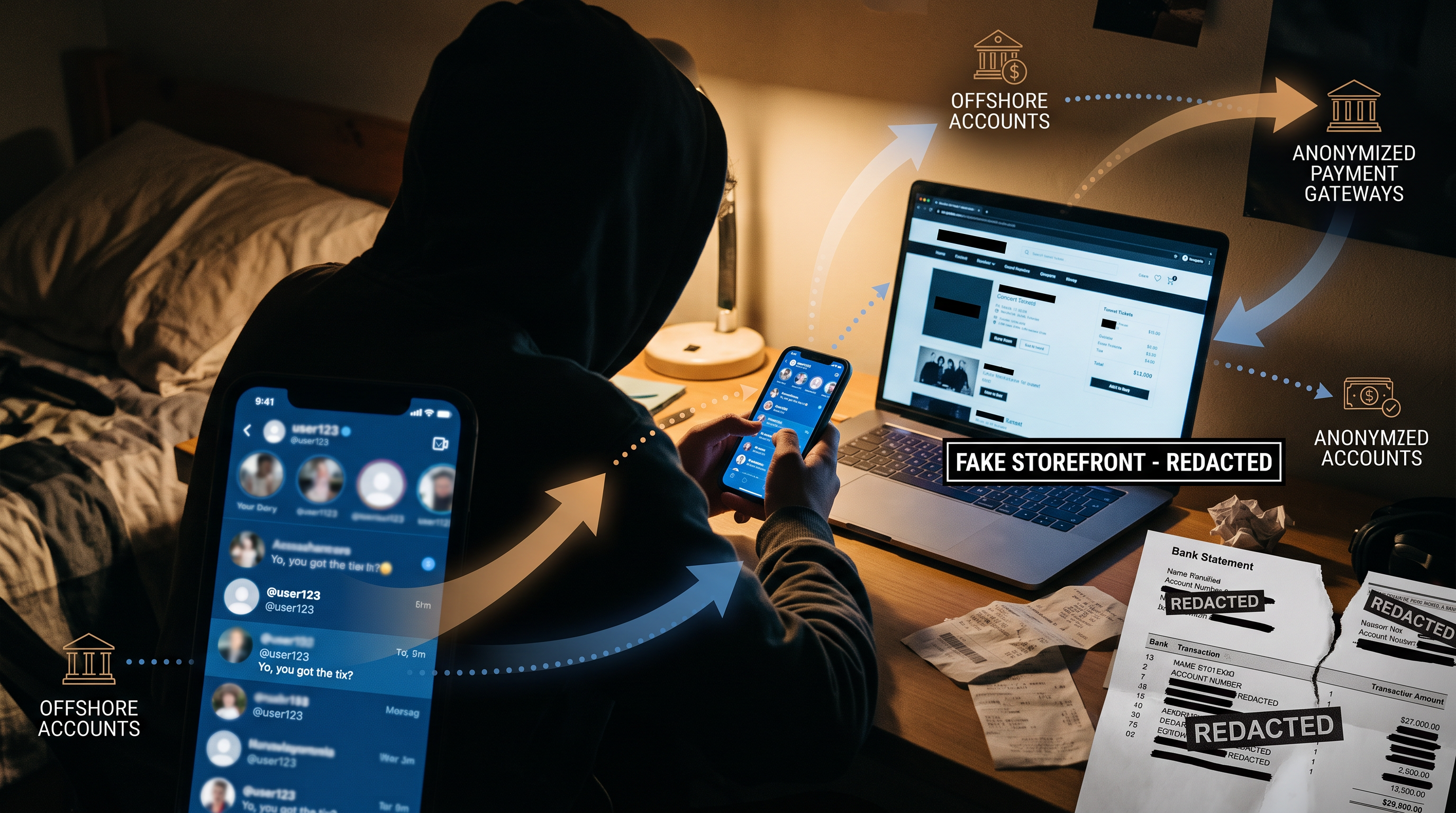
Scammers create social media profiles that look almost identical to a celebrity’s real verified account. They copy profile photos, bios, and post styles. Some go further and use paid social media advertising to push their fake content to thousands of targeted users, giving the profile an air of legitimacy and reach.
Step Two: Hook You With an Offer
Once the fake profile is live, the scammer makes contact through one of several approaches:
- Fake giveaways that require you to pay a small fee or provide personal details to claim your prize
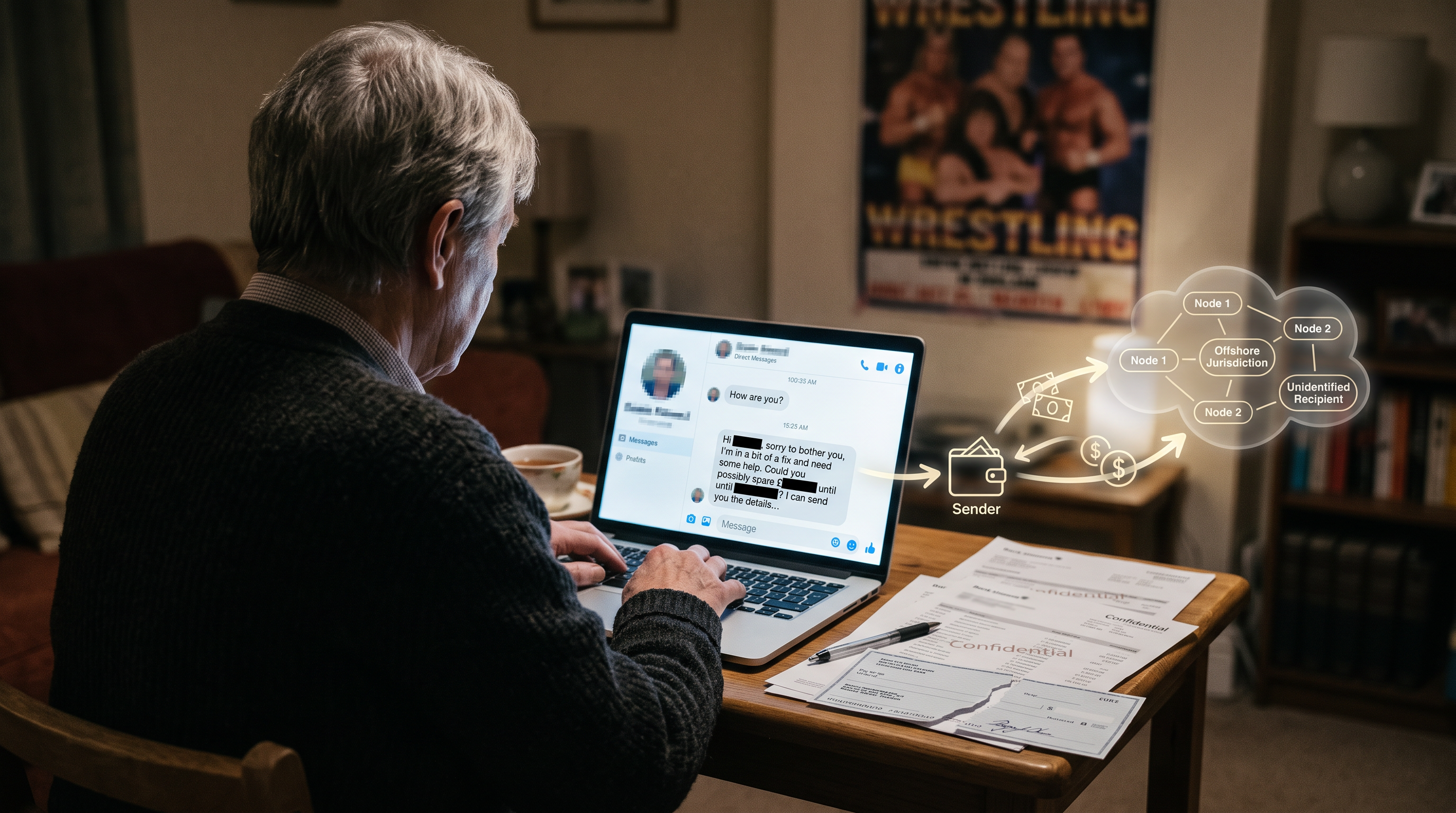
- Romance cons where the impersonator builds an emotional connection over weeks or months before asking for money
- Cryptocurrency investment pitches promising extraordinary returns endorsed by the celebrity
- Merchandise fraud where you pay for signed memorabilia or exclusive products that never arrive
Step Three: Move You Off Platform Fast
This is where things escalate quickly. Once a scammer has your attention, they push hard to move the conversation off the original social platform and into private chats like WhatsApp, Telegram, or email. Why? Because those platforms have fewer fraud detection systems, and it becomes much harder to report or trace what happens next.
Step Four: Ask for Untraceable Payment
The final stage is the ask. Scammers will request payment through gift cards, wire transfers, or cryptocurrency because these methods are nearly impossible to reverse once the money is sent. By the time you realize what happened, the fraudster has vanished and your money is gone.
Why This Warning From Michigan’s AG Matters
State-level consumer warnings carry significant weight. When an attorney general publicly names specific celebrities and tactics being exploited, it signals that this problem has grown large enough to demand official government attention. It also puts social media platforms on notice that their advertising and verification systems are being weaponized against their own users.
The FTC has tracked rising imposter scam trends and consistently ranks impersonation fraud among the top financial threats to American consumers. The Michigan AG alert aligns directly with that national data and brings the issue closer to home for millions of residents and social media users across the country.
The warning is preventive in nature. No arrests were announced, but the alert serves an important purpose: arming the public with knowledge before they become victims.
How to Protect Yourself From Celebrity Impersonation Scams
The good news is that you can protect yourself with some straightforward habits. These scams are sophisticated, but they all share weaknesses you can exploit to catch them before any damage is done.
- Never send money to someone you only met online. No legitimate celebrity, giveaway, or investment opportunity will ask for payment through gift cards or wire transfers.
- Verify through official channels. If a celebrity is running a giveaway, it will be announced on their official verified website or confirmed through reputable news sources, not through a random DM.
- Be suspicious of unsolicited links. Do not click links sent from unknown accounts, even if the account looks legitimate at first glance.
- Request a live, dated video. If someone claims to be a real person in real time, ask them to record a short video holding up today’s date written on paper. Scammers cannot produce this on demand.
- Preserve all evidence. If you suspect a scam, take screenshots and save any messages, links, or profile details including metadata if possible.
- Report it immediately. File a report with the platform where the scam occurred and then report it to ReportFraud.ftc.gov.
Who Is Most at Risk From AI-Powered Impersonation Fraud?
Anyone who uses social media is a potential target, but certain groups face higher risk. Fans who actively follow celebrities are more likely to engage with content that appears to come from those figures. Older adults who may be less familiar with deepfake technology are frequently targeted in romance and giveaway scams. Crypto investors looking for tips from trusted voices are prime targets for fake investment pitches.
Research from AARP’s fraud watch resources consistently shows that financial losses from impersonation and romance scams hit older Americans particularly hard, often in amounts that devastate retirement savings. No age group is immune, but awareness makes a measurable difference in outcomes.
The Bigger Picture: AI and the Future of Scam Detection
The rise of AI-generated celebrity impersonation scams is a preview of where fraud is heading. As deepfake technology gets cheaper and more accessible, the authenticity gap between real and fake content will continue to narrow. Social media platforms, law enforcement agencies, and individual consumers will all need to raise their game to keep pace.
For now, your best tool is healthy skepticism. If something feels off, it probably is. A celebrity is not sliding into your DMs with a private investment tip. A giveaway that asks for your credit card number before you can claim a prize is not a giveaway. Trust your instincts, verify everything, and when in doubt, do not click.
Frequently Asked Questions About Celebrity Impersonation Scams
What is a celebrity impersonation scam?
A celebrity impersonation scam is a type of fraud where criminals create fake social media profiles or use AI-generated deepfake video and audio to pretend to be a famous person. They then use that fake identity to trick victims into sending money, sharing personal information, or investing in fraudulent schemes.
How can I tell if a celebrity account is fake?
Look for inconsistencies in the profile URL, follower counts, and posting history. Check whether the celebrity’s real official website or verified accounts reference the same profile. Be especially cautious if the account contacts you directly with an offer or opportunity, as real celebrities do not typically reach out to random followers with personal deals.
What should I do if I already sent money to a celebrity impersonation scammer?
Act fast. Contact your bank or the payment service you used immediately to try to reverse the transaction. Report the scam to the social media platform where the contact occurred and file a report at ReportFraud.ftc.gov. Also consider filing a report with your state attorney general’s office.
Are deepfake celebrity scams illegal?
Yes. Using someone’s likeness without consent for fraudulent financial gain violates multiple federal and state laws. Several states are also passing or updating legislation specifically targeting deepfake fraud. However, because many of these scammers operate from outside the United States, prosecution can be extremely difficult.
Which celebrities are most commonly impersonated by scammers?
Scammers tend to target celebrities with large, passionate fan bases and credibility in areas like music, sports, or business. The Michigan AG’s alert specifically named Snoop Dogg, Garth Brooks, and Kid Rock, but virtually any well-known public figure can be and has been impersonated. High-ranking military officials and business leaders are also frequent targets in romance and investment scams.