What happens when a scammer can clone a celebrity’s face and voice in minutes, buy ads on the world’s largest social network, and pocket millions before anyone notices? That nightmare is exactly what Meta is now fighting in court — and the lawsuits they just filed reveal a fraud machine far more sophisticated than most people realize.
Meta Takes Deepfake Scam Advertisers to Court
Meta has filed lawsuits against advertisers and operators based in Brazil, China, and Vietnam, accusing them of running paid ad campaigns built entirely on AI-generated celebrity deepfakes. According to BSS News, the campaigns were used to push fake health products, bogus investment schemes, and predatory subscription traps to unsuspecting users across Meta’s platforms.
This is not a simple terms-of-service violation. Meta is going after named companies and individuals, citing the scale of harm caused. The complaint details hundreds of millions of ad impressions, each one designed to funnel real people toward malicious landing pages built to steal their money and personal data.
For Meta, this move signals a clear shift in strategy. Instead of just removing bad ads and banning accounts, they are now pursuing legal enforcement to hit these operations where it actually hurts.
How the Deepfake Ad Scam Actually Works
Understanding how these scams operate is the best way to protect yourself from them. The playbook is surprisingly polished and follows a very specific pattern.
Step One: Clone a Trusted Face and Voice
The scammers start by selecting a recognizable public figure — a doctor, a celebrity, a well-known investor — and using generative AI tools to clone their face and voice. One particularly alarming example cited in the reporting involves a deepfaked oncologist promoting unapproved medical treatments. The video looks real. The voice sounds real. The endorsement is completely fabricated.
These are not blurry, obviously fake videos anymore. Modern AI can produce convincing lip-sync, natural facial expressions, and realistic audio that passes a casual viewer’s inspection without any red flags.
Step Two: Buy Ads and Cloak the Campaign
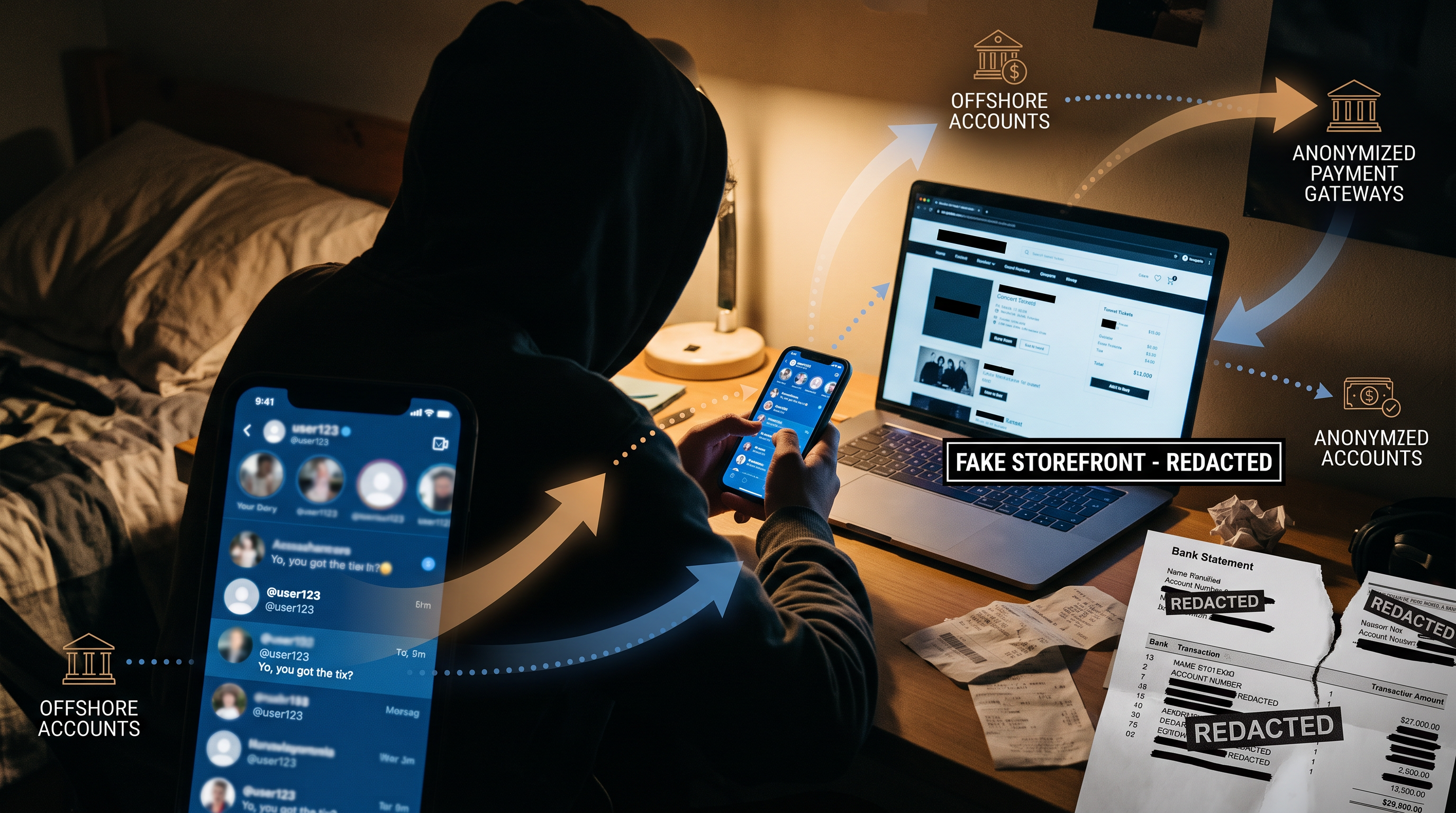
Once the deepfake content is ready, the operators buy paid placements on social platforms. To avoid automated moderation systems, they use a technique called ad cloaking. This means the version of the ad shown to Meta’s review systems looks completely different from the version shown to real users. By the time human reviewers or automated tools flag the real ad, it has already served millions of impressions.
The campaigns are also layered through shell advertisers and cross-border payment structures to make it harder to trace who is actually behind them. This is deliberate obfuscation designed to buy time and maximize reach.
Step Three: Route Victims to Malicious Landing Pages
Users who click the ad land on a fake website that mimics legitimate brands or uses official-looking design elements. From there, the victim is pushed into one of several traps:
- Fake health product purchases where unapproved or counterfeit treatments are shipped or never arrive at all.
- Subscription traps where users enter their card details for a free trial and are silently billed recurring charges.
- Pig-butchering investment funnels where victims are walked through a fake investment platform, encouraged to deposit growing amounts of money, and then locked out of their accounts entirely.
- Data harvesting pages that collect names, addresses, phone numbers, and payment details for use in further fraud.
As The Hacker News reports, these operations are not small-time. The infrastructure behind them is built for scale, with hundreds of coordinated ad accounts, rotating creatives, and automated backend systems processing stolen payments.
Why This Type of Fraud Is Exploding Right Now
The combination of three factors has made celebrity deepfake ad fraud one of the fastest-growing scam categories in the world. Generative AI tools have dropped the cost and skill barrier for producing convincing synthetic media to nearly zero. Paid social advertising gives bad actors instant access to hyper-targeted audiences at massive scale. And cross-border enforcement gaps mean that operators in one country can run ads targeting victims in another with very limited legal exposure — at least until now.
Meta’s lawsuits are a direct response to this reality. By naming individuals and companies in multiple countries and documenting the specific harm caused — financial loss, personal data theft, dangerous medical misinformation — Meta is building a legal record that could support broader international enforcement action down the line.
How to Protect Yourself From Deepfake Celebrity Ad Scams
Awareness is your first line of defense. These scams are engineered to exploit trust, so the habits that protect you are the ones that slow you down and force verification before you act.
- Never buy from an unsolicited celebrity ad. If a famous person is promoting a product you have never heard of through a social media ad, that is your first warning sign. Legitimate celebrity endorsements are backed by official brand partnerships, not random paid posts.
- Verify endorsements on official channels. Go directly to the celebrity’s verified social media account or official website. If they are not talking about this product there, the endorsement is almost certainly fake.
- Scrutinize the landing page URL. Fake sites often use URLs that look close to real brand names but include subtle misspellings, extra hyphens, or unusual domain extensions. If the URL looks even slightly off, leave immediately.
- Screenshot and report suspicious ads. If you see a deepfake ad, screenshot it and report it to the platform before it disappears. These reports help moderation teams and law enforcement build cases.
- Check your bank and card statements regularly. Subscription traps rely on charges going unnoticed. Reviewing your statements monthly can help you catch unauthorized billing before it compounds.
- Report to your local authorities. In addition to reporting on-platform, file a report with your national consumer protection agency or cybercrime unit. These reports contribute to the cross-border cases that regulators need to pursue operators internationally.
What Meta’s Legal Action Means for the Future of Ad Fraud
Meta suing deepfake scam advertisers is a meaningful escalation, but it is also an acknowledgment that platform-level takedowns are not enough on their own. The ad fraud ecosystem has become too organized, too well-funded, and too geographically distributed to be solved by content moderation alone.
Legal enforcement creates deterrence that bans and account suspensions simply do not. When operators face real financial penalties and reputational consequences that cross borders, the calculus of running these campaigns changes. If Meta’s litigation leads to successful judgments and asset seizures, it could set a precedent that other platforms — and governments — use as a template for pursuing similar cases.
For everyday users, the message is straightforward. The era of trusting what you see in a social media ad is over. Deepfake technology has made it possible to fake authority, trust, and celebrity in ways that are genuinely difficult to detect in the moment. Building a habit of skepticism and verification is no longer optional.
Frequently Asked Questions
What is a deepfake scam ad?
A deepfake scam ad uses AI-generated video or audio to clone the face and voice of a trusted public figure, making it appear as though that person is endorsing a product or investment. The endorsement is completely fake, and the product or scheme behind it is typically designed to steal money or personal data from victims.
Why is Meta suing advertisers in Brazil, China, and Vietnam?
Meta filed lawsuits against operators in these countries because named individuals and companies allegedly ran paid ad campaigns using AI-generated celebrity deepfakes to promote fraudulent health products, fake investment schemes, and subscription scams. The campaigns generated hundreds of millions of impressions and caused measurable consumer harm.
How can I tell if a celebrity endorsement in an ad is a deepfake?
Look for subtle visual glitches around the hairline, mouth, or eyes, and listen for unnatural audio pacing or tone. More importantly, always verify the endorsement on the celebrity’s own verified social media accounts or official website. If they are not promoting it there, treat the ad as fake regardless of how convincing it looks.
What should I do if I already clicked on a deepfake scam ad?
Do not enter any payment information. If you already did, contact your bank or card issuer immediately to dispute charges and flag potential fraud. Change any passwords you may have entered on the suspicious site, monitor your accounts closely, and report the incident both to Meta and to your local cybercrime or consumer protection authority.
Are deepfake celebrity ads illegal?
Yes. Using someone’s likeness without consent for commercial purposes is illegal in most jurisdictions, and when combined with fraud, it triggers additional criminal and civil liability. Meta’s lawsuits are based on a combination of platform policy violations and broader legal claims tied to the consumer harm caused by these campaigns.