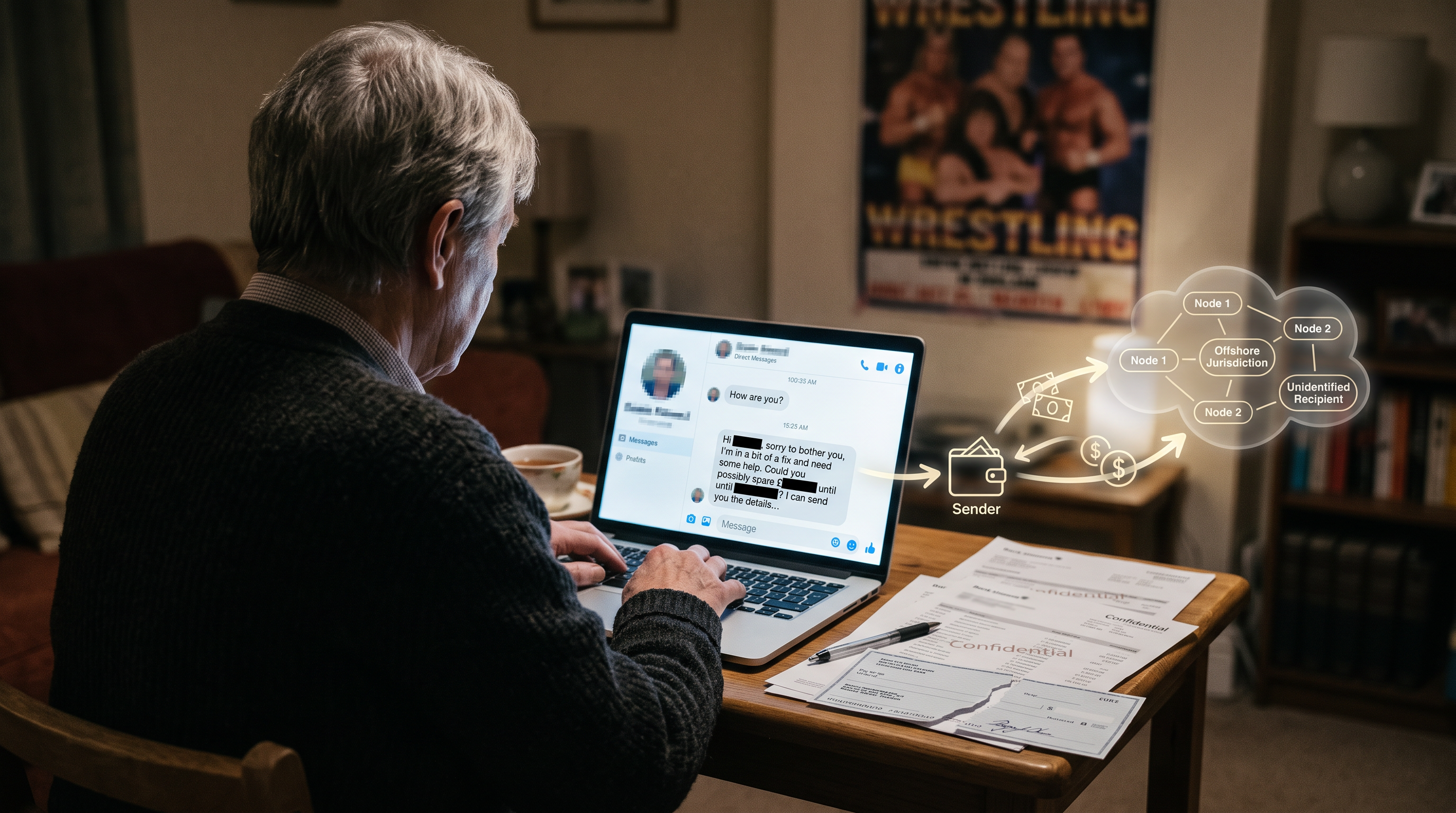
Imagine scrolling through your social media feed and seeing your favorite celebrity promoting a miracle health supplement or a once-in-a-lifetime investment opportunity. The video looks real, sounds real, and even has that celebrity’s signature mannerisms. But here’s the terrifying truth: it’s completely fake. And it’s designed to steal your money. In a landmark move that signals a new era in the fight against digital fraud, Meta just filed coordinated lawsuits against multiple international operations accused of running AI-powered celebrity deepfake scams that have defrauded countless victims worldwide.
The Rise of Celebrity Deepfake Scams
Celebrity deepfake scams represent a disturbing evolution in online fraud. These schemes use artificial intelligence to create hyper-realistic fake videos and cloned voices of trusted public figures. The technology has become so sophisticated that even tech-savvy users struggle to distinguish real content from synthetic fabrications. According to McAfee’s recent analysis, certain celebrities have become prime targets for deepfake scammers, with their images and voices being weaponized to lend credibility to fraudulent schemes.
What makes these scams particularly dangerous is the trust factor. When you see someone you admire endorsing a product or opportunity, your guard naturally drops. Scammers exploit this psychological vulnerability at scale, combining cutting-edge AI technology with old-fashioned social engineering to devastating effect.
Inside Meta’s Groundbreaking Lawsuits
On February 27, 2026, Meta took unprecedented legal action by filing coordinated lawsuits across multiple jurisdictions. The complaints target operations in Brazil, China, and Vietnam, naming specific defendants including Vitor Lourenço de Souza, Milena Luciani Sanchez, and B&B Suplementos e Cosméticos Ltda. This marks one of the first times a major social media platform has pursued such aggressive legal action directly against the producers of celebrity deepfake content.
The lawsuits represent more than just corporate liability management. They signal a shift in how tech platforms approach their responsibility in the deepfake fraud ecosystem. Rather than simply removing fraudulent content after the fact, Meta is going after the source, seeking injunctions, takedowns, and asset freezes that could cripple these international fraud networks.
Who Are the Defendants?
The accused operators span three continents, revealing the truly global nature of celebrity deepfake scams. Brazilian defendants allegedly ran sophisticated fake supplement operations, Chinese networks focused on investment fraud and pig butchering schemes, and Vietnamese operations specialized in bogus giveaways and prize scams. Each operation adapted their tactics to local markets while sharing core deepfake technology and fraud infrastructure.
How Celebrity Deepfake Scams Actually Work
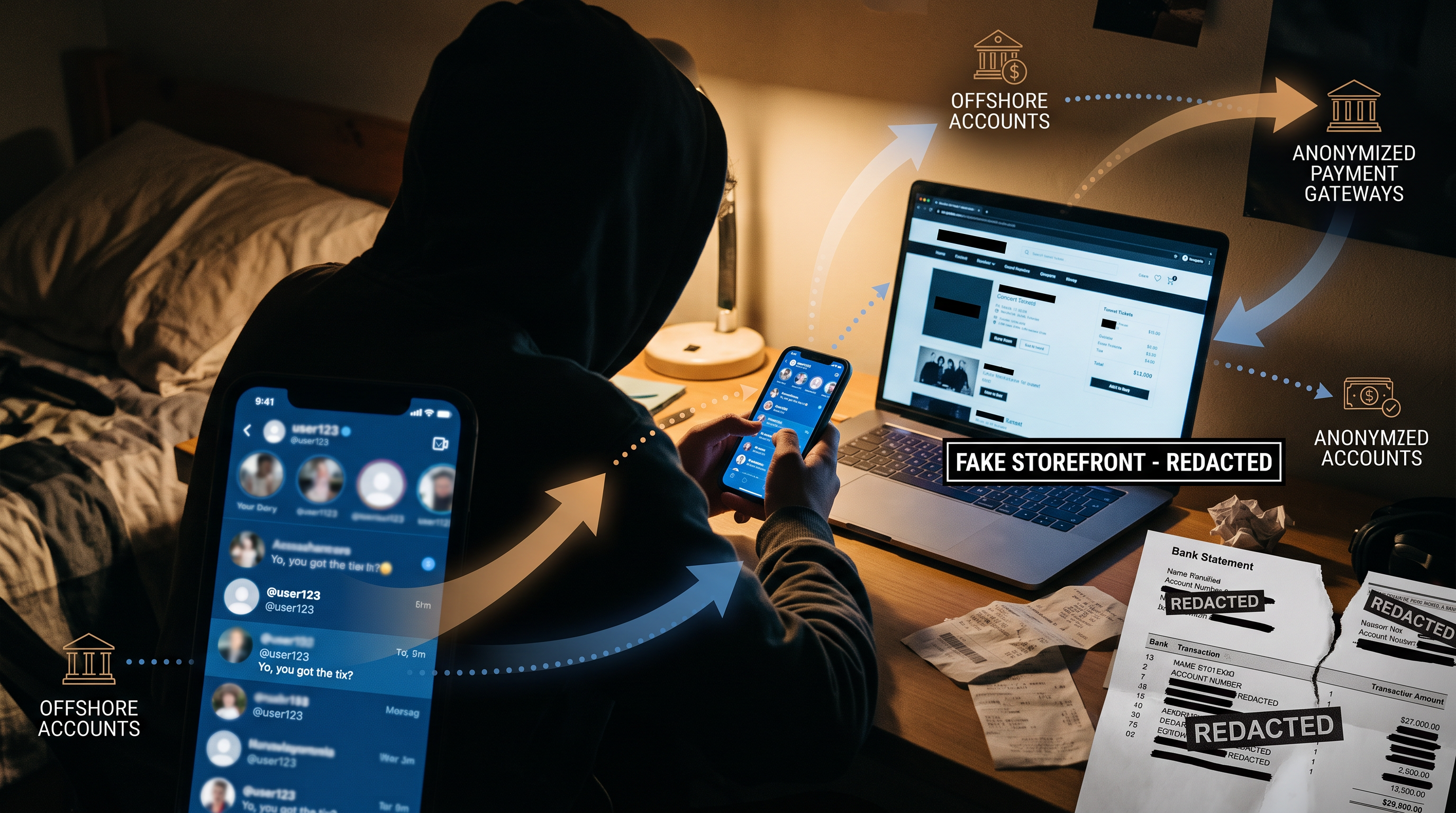
Understanding the attack chain behind celebrity deepfake scams is crucial for protection. These operations follow a methodical, multi-stage process designed to maximize victim acquisition and financial extraction. Here’s exactly how these fraud networks operate:
Stage 1: Content Creation
Scammers begin by harvesting existing celebrity media from interviews, speeches, social media posts, and public appearances. Using AI deepfake technology, they generate synthetic videos and clone voices that mimic the celebrity’s appearance, speech patterns, and mannerisms. The quality has improved dramatically, making detection increasingly difficult for average users.
Stage 2: Ad Distribution
The fraudsters then run paid social media advertisements featuring these deepfake videos. They create fake pages that mimic official celebrity accounts or legitimate brand pages. The ads are carefully targeted to demographics most likely to trust the featured celebrity, using sophisticated audience segmentation tools.
Stage 3: Lead Capture
When users click these ads, they’re directed to professional-looking landing pages or fake storefronts. These pages often include surveys, registration forms, or quiz-style interactions designed to capture personal information including names, email addresses, phone numbers, and sometimes payment details.
Stage 4: Private Channel Migration
Once initial contact is established, scammers move victims from public platforms to private channels. This might include WhatsApp groups, Telegram channels, or direct calls from fraudulent call centers. This migration makes it harder for platforms to monitor the conversation and intervene.
Stage 5: The Ask
With trust established and the victim isolated, scammers make their move. Depending on the scam type, they request payments for fake products, push victims into bogus investment schemes, demand cryptocurrency transfers, or harvest credentials for identity theft. High-pressure tactics create urgency and prevent rational decision-making.
Stage 6: Cash Out
Finally, stolen funds are laundered through money mules, converted to cryptocurrency, or transferred across international borders through complex financial networks designed to obscure the money trail and protect the fraud operators.
The Types of Fraud Being Deployed
According to Meta’s legal filings, the accused networks ran three primary fraud categories using celebrity deepfake scams:
- Fake Healthcare Products: Deepfake celebrities promoted miracle supplements, weight loss products, and health treatments with no scientific basis or actual inventory. Victims paid for products that never arrived or received worthless substitute items.
- Bogus Giveaways: Synthetic celebrity videos announced fake contests, prize drawings, and giveaway programs. Victims were told they’d won but needed to pay processing fees, taxes, or provide bank details to claim their non-existent prizes.
- Investment Schemes: The most financially damaging category involved pig butchering operations where fake celebrities promoted cryptocurrency investments, forex trading platforms, or exclusive investment opportunities. Victims were groomed over weeks or months before being convinced to transfer large sums that disappeared forever.
The Human Cost of Deepfake Fraud
Behind the technology and legal proceedings are real people who’ve lost real money. While specific victim numbers from Meta’s lawsuits remain sealed, consumer protection experts estimate that celebrity deepfake scams have defrauded victims of hundreds of millions of dollars globally over the past two years alone. Individual losses range from a few hundred dollars for fake product purchases to life-altering amounts exceeding six figures for investment fraud victims.
Beyond financial damage, victims experience psychological trauma, embarrassment, and erosion of trust in digital platforms. Many blame themselves for falling for scams that were engineered by professional fraud networks using billion-dollar AI technology. The emotional toll is significant and often underreported.
Legal Stakes and Platform Responsibility
Meta’s lawsuits seek more than symbolic victories. The legal filings request injunctions preventing defendants from accessing Meta platforms, asset freezes to prevent money laundering, and financial damages to compensate for platform abuse. More importantly, the cases establish legal precedent for platform accountability and industry standards for combating synthetic media fraud.
This legal escalation raises important questions about platform responsibility. While Meta and other social networks have invested heavily in AI moderation and ad vetting systems, celebrity deepfake scams continue to slip through. The lawsuits acknowledge this gap while shifting some responsibility back to the fraud operators themselves rather than treating content moderation as the sole solution.
What Meta Is Doing Internally
Alongside the lawsuits, Meta has reportedly enhanced its ad review processes, implemented new deepfake detection algorithms, and created faster response pathways for celebrity representatives to report impersonation. However, critics argue these measures remain reactive rather than preventative, allowing scams to run for days or weeks before removal.
How to Spot Celebrity Deepfake Scams
Protection starts with awareness. Here are the red flags that indicate you’re looking at a potential celebrity deepfake scam:
- Too Good to Be True Offers: If a celebrity is promoting an exclusive deal or opportunity not mentioned on their verified social accounts or official website, it’s almost certainly fake.
- Unnatural Movements or Speech: Watch for subtle glitches like unnatural blinking, lip-sync issues, robotic speech patterns, or odd facial movements that don’t match the audio.
- Generic or Vague Messaging: Deepfake videos often lack specific details because they’re reused across multiple campaigns. Real celebrity endorsements include specific brand names, dates, and context.
- Pressure to Act Immediately: Scammers create artificial urgency. Legitimate opportunities don’t require you to decide within minutes or hours.
- Requests to Move Off-Platform: Any promotion that quickly directs you to WhatsApp, Telegram, or phone calls is highly suspicious.
- Unverified Accounts: Check for the verification badge. Then go directly to the celebrity’s verified account to see if they’ve mentioned this offer.
What to Do If You Encounter a Deepfake Scam
If you spot a potential celebrity deepfake scam, take action. Report the ad or post directly to the platform using their fraud reporting tools. Screenshot the content and the account information. If you’ve already engaged with the scam, stop all communication immediately, do not send money or personal information, and report the incident to local consumer protection authorities and the FBI’s Internet Crime Complaint Center.
Why Platform Legal Actions Matter
Meta’s lawsuits represent a critical evolution in fighting digital fraud. For years, platforms took a purely technical approach, trying to out-engineer scammers with better detection algorithms. But celebrity deepfake scams showed that technology alone isn’t enough. Legal action creates real consequences for fraud operators, disrupts their business models, and forces them to divert resources to legal defense rather than victim acquisition.
These cases also send a message to other would-be scammers that platforms are willing to invest legal resources in pursuit. Even if defendants are located in jurisdictions with weak enforcement, lawsuits can freeze assets, seize domain names, and create international cooperation frameworks that make operating more difficult and risky.
Most importantly, legal action shifts public conversation from blaming victims or platforms to holding actual perpetrators accountable. This reframes the problem correctly and creates political will for stronger international cooperation against cross-border fraud networks.
The Road Ahead for Deepfake Fraud Prevention
Celebrity deepfake scams will continue evolving. As detection technology improves, so will generation technology. The next frontier involves real-time deepfakes in video calls, more sophisticated social engineering that combines AI-generated personas with human operators, and targeting of niche communities with hyper-personalized scams.
Effective prevention requires a multi-layered approach combining technology, legal action, consumer education, and international cooperation. Platforms must continue improving detection while pursuing legal remedies. Governments need to update fraud laws for the AI era and create international frameworks for pursuing cross-border fraud networks. And users need ongoing education about evolving scam tactics.
Take Action to Protect Yourself
The best defense against celebrity deepfake scams is informed skepticism. Before you click, pay, or share personal information based on any online promotion, verify independently. Go directly to official sources rather than trusting links in ads. Use reverse image search and deepfake detection tools available online. Trust your instincts when something feels off, because it probably is.
Meta’s lawsuits mark an important milestone, but they’re not the end of the story. Celebrity deepfake scams will adapt and persist. Your awareness and caution remain the most powerful tools in the fight against digital fraud. Stay informed, stay skeptical, and help protect others by reporting suspicious content when you see it.
Frequently Asked Questions About Celebrity Deepfake Scams
What exactly is a celebrity deepfake scam?
A celebrity deepfake scam uses artificial intelligence to create fake videos and cloned voices of famous people, making it appear they’re endorsing products, investments, or opportunities. Scammers use these synthetic videos in paid social media ads to trick victims into buying fake products, joining fraudulent investment schemes, or handing over personal information and money.
How can I tell if a celebrity video is a deepfake?
Look for subtle signs like unnatural facial movements, lip-sync issues, odd blinking patterns, inconsistent lighting, or robotic speech. Also verify the source by checking the celebrity’s official verified social media accounts. If the offer or endorsement isn’t mentioned there, it’s almost certainly a deepfake scam. Real celebrities announce genuine partnerships on their official channels.
What should I do if I’ve already fallen victim to a deepfake scam?
Stop all communication with the scammers immediately. Do not send any additional money or information. Document everything including screenshots, emails, and transaction records. Report the fraud to your local police, the FBI’s Internet Crime Complaint Center (IC3), and the social media platform where you encountered the scam. Contact your bank or credit card company if you’ve made payments, and consider placing a fraud alert on your credit reports.
Are social media platforms liable for deepfake scams on their platforms?
Legal liability varies by jurisdiction and specific circumstances. In the United States, Section 230 protections generally shield platforms from liability for user-generated content. However, Meta’s lawsuits show platforms are taking proactive legal action against scammers themselves rather than waiting for liability questions to be settled. The legal landscape is evolving as deepfake technology becomes more prevalent.
Will Meta’s lawsuits actually stop celebrity deepfake scams?
The lawsuits will likely disrupt specific fraud networks and create deterrent effects, but they won’t eliminate celebrity deepfake scams entirely. Scammers will adapt, relocate, and evolve their tactics. However, legal action combined with improved detection technology, consumer education, and international cooperation can significantly reduce the scale and profitability of these fraud operations over time.