Imagine seeing your favorite celebrity on Facebook, endorsing a miracle health product or a once-in-a-lifetime investment opportunity. You click. You buy. Then you find out the celebrity never said any of it — because it was never real. This is the world of AI deepfake celebrity scams, and Meta has finally had enough.
In late February 2026, Meta filed coordinated lawsuits against ad operators in Brazil, China, and Vietnam, accusing them of running sophisticated AI-powered deepfake campaigns that used fake celebrity endorsements to funnel everyday users into fraud schemes. This is not just another platform policy update. This is a courtroom fight, and it signals a major turning point in how big tech tackles synthetic media abuse.
What Are Celebrity Deepfake Scams and Why Are They Exploding?
Celebrity deepfake scams are exactly what they sound like. Fraudsters harvest publicly available photos, videos, and audio clips of trusted public figures — think actors, musicians, athletes, and even billionaires — then use AI tools to synthesize convincing fake videos and cloned voices. The result looks and sounds authentic enough to fool millions of people scrolling through their feeds.
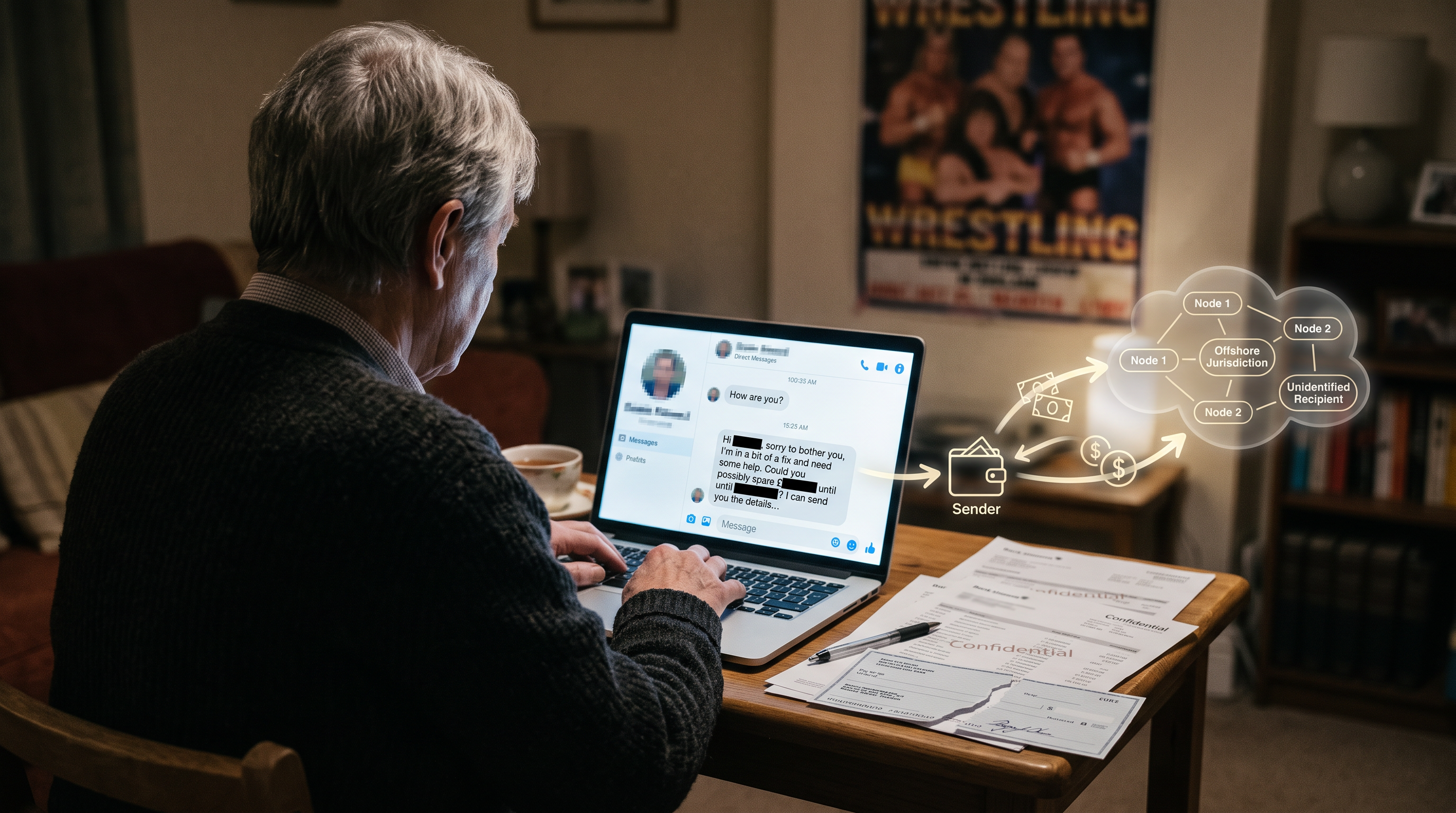
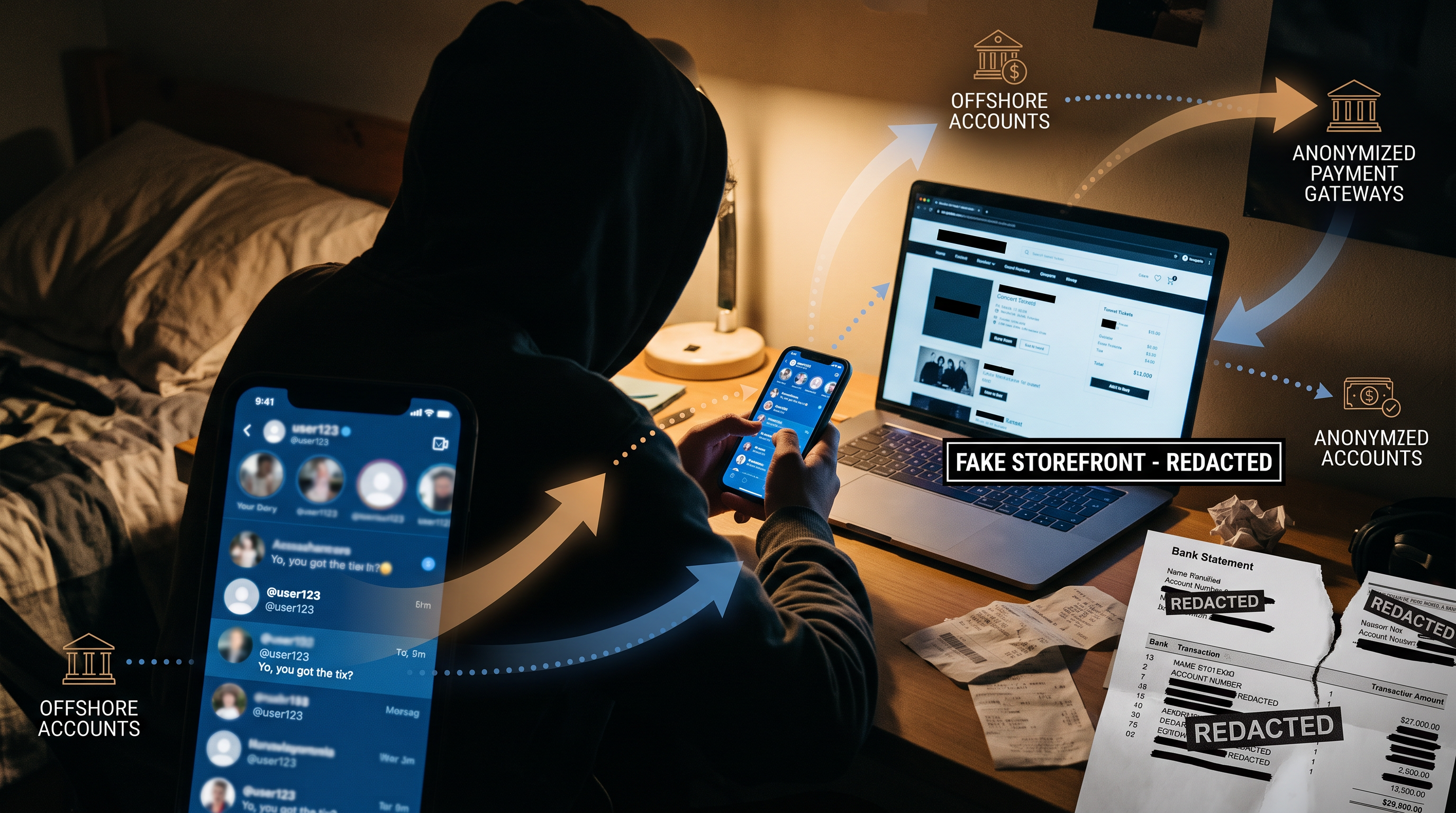
These are not low-budget operations. They are coordinated ad networks with real budgets, fake storefronts, and professional-looking landing pages. Once a victim clicks on the ad, they are moved to private chats, WhatsApp groups, or call centers where trained operators apply high-pressure tactics to extract payments via gift cards, wire transfers, or cryptocurrency.
Why Social Media Is the Perfect Weapon for These Scams
Paid social advertising gives scammers an enormous reach at a relatively low cost. They can micro-target specific demographics — older adults, fans of particular celebrities, people interested in health supplements or crypto investing — and serve them hyper-personalized fake ads at scale. According to The Hacker News, the operators named in Meta’s lawsuits used this exact playbook across multiple countries, running thousands of fraudulent ad variations to maximize reach and minimize detection.
The trust factor is what makes it devastatingly effective. When people see a familiar face endorsing something, their guard drops. That psychological shortcut — the one that makes celebrity advertising so valuable for legitimate brands — becomes the scammer’s most powerful tool.
How Meta’s Lawsuits Are Changing the Game
For years, the standard platform response to fraudulent ads has been content moderation: detect, remove, repeat. Meta has taken down billions of fake accounts and flagged countless scam ads. But takedowns alone have not stopped the problem. Scammers simply create new accounts, new pages, and new ad campaigns within hours of getting banned.
This time, Meta is going further. The lawsuits seek injunctive relief to permanently block the operators, asset tracing to follow the money, and subpoenas to dismantle the underlying ad networks. As Engadget reports, the complaints name specific individuals and companies alleged to have produced synthetic videos and cloned celebrity voices to promote fake health products, bogus giveaways, and high-pressure investment schemes.
Why Legal Action Matters More Than Takedowns
Legal escalation creates consequences that policy enforcement alone cannot. When a scammer gets banned, they lose an account. When they face a lawsuit with asset tracing, they risk losing everything. Injunctive relief can prevent them from operating on any Meta platform in the future, and subpoenas can expose the full network of shell companies, payment processors, and money mules behind the operation.
This matters because deepfake ad fraud is not a solo enterprise. It is an industry, complete with vendors who sell AI synthesis tools, brokers who manage ad accounts, and cash-out networks that convert stolen funds into untraceable assets. Going after the whole network is the only way to make a lasting dent.
The Step-by-Step Anatomy of a Deepfake Celebrity Ad Scam
Understanding how these scams work is the first step to protecting yourself. Here is the typical playbook these operators follow:
- Harvest public media: Scammers collect publicly available photos, video clips, and audio recordings of a celebrity from social media, interviews, and news coverage.
- Synthesize the fake content: AI tools are used to generate a convincing video or voice clip of the celebrity endorsing a product or opportunity they never actually endorsed.
- Run paid ads: The fake content is turned into paid advertisements that run across Facebook, Instagram, and affiliated platforms, targeting specific user demographics.
- Capture leads on fake landing pages: Victims who click the ad are taken to professional-looking websites or storefronts designed to collect personal information and initiate a purchase.
- Move victims to private channels: Victims are redirected to WhatsApp groups, Telegram chats, or direct phone calls with operators posing as customer service or investment advisors.
- Apply pressure for payment: Operators use urgency tactics to push victims into sending money via gift cards, wire transfers, or cryptocurrency — all of which are nearly impossible to recover.
- Cash out and disappear: Funds are funneled through money mules and offshore accounts, making recovery extremely difficult for victims and law enforcement alike.
Who Is Being Targeted and How Bad Is the Damage?
Nobody is immune, but some groups are more frequently targeted than others. Older adults are disproportionately affected by health product and investment scams. Music and entertainment fans are frequently targeted through fake celebrity giveaways. A recent study highlighted by 41NBC found that scammers impersonating celebrities are specifically targeting music fans online, exploiting the emotional connection fans feel toward their favorite artists.
The financial losses are staggering. Consumer fraud involving fake celebrity endorsements costs victims hundreds of millions of dollars every year globally. Beyond the money, there is the erosion of trust — in social media, in advertising, and even in legitimate celebrity endorsements that are entirely real.
How to Protect Yourself From Deepfake Celebrity Ad Scams
The good news is that there are clear, actionable steps you can take right now to protect yourself and the people you care about.
- Do not click suspicious celebrity ads, especially ones promoting health supplements, investment schemes, or giveaways that seem too good to be true.
- Verify through official channels. If a celebrity is promoting something, you will find it on their verified social media profiles or official website — not just in a paid ad.
- Screenshot and report the ad directly to the platform. Use Meta’s built-in reporting tools to flag the content immediately.
- Never send gift cards, wire transfers, or cryptocurrency to anyone you connected with through a social media ad. Legitimate businesses do not ask for payment in these forms.
- Preserve evidence. Save screenshots, message histories, and any receipts if you have already been targeted or victimized.
- Report to your bank and national consumer protection agency if you have sent money. Act fast — speed significantly increases the chance of recovering funds.
What Meta’s Move Means for the Future of Online Advertising
Meta’s lawsuits are a signal to the entire industry. Other platforms are watching closely, and the legal strategies Meta deploys here could become a template for how social media companies fight back against synthetic media fraud at scale. It also puts pressure on AI tool developers to think harder about how their technology can be weaponized and what guardrails need to exist.
For consumers, the message is simple: your skepticism is your strongest defense. The technology behind these scams is only going to get better. But so is awareness, and that is something no amount of AI can beat.
If you found this article useful, share it with someone who spends time on social media — because the person most likely to fall for a deepfake celebrity scam is someone who has never heard of one. And if you have seen a suspicious celebrity ad recently, report it today. Every report helps platforms identify and shut down these networks faster.
Frequently Asked Questions About Celebrity Deepfake Scams
What is a celebrity deepfake scam?
A celebrity deepfake scam uses AI-generated video or audio that makes it appear a real celebrity is endorsing a product, investment, or giveaway. The celebrity never actually said or did any of it. Scammers use these fake endorsements to gain trust and trick victims into sending money or personal information.
Why did Meta sue scammers in Brazil, China, and Vietnam specifically?
Meta’s coordinated lawsuits targeted ad operators in these countries because the complaints allege that specific individuals and companies based in those regions were responsible for producing and distributing AI deepfake celebrity ads on Meta’s platforms. The lawsuits seek to disrupt the entire ad networks these operators ran, not just remove individual pieces of content.
How can I tell if a celebrity ad on Facebook or Instagram is fake?
Look for unnatural mouth movements or audio that does not quite sync with the video. Check whether the celebrity has mentioned the product on their own verified accounts. Be suspicious of any ad promoting miracle health products, huge investment returns, or exclusive giveaways. When in doubt, search the celebrity’s name plus the product name to see if any credible news coverage exists.
What should I do if I already sent money to a deepfake scam?
Contact your bank immediately and explain that you were the victim of fraud. File a report with your national consumer protection agency. Preserve all screenshots, messages, and transaction records. If cryptocurrency was involved, report the wallet addresses to the relevant exchange. Acting quickly is critical because recovery becomes significantly harder once funds are moved through multiple accounts.
Will Meta’s lawsuits actually stop deepfake celebrity scams?
Legal action alone will not eliminate the problem, but it raises the stakes considerably. Asset tracing and injunctive relief can dismantle specific networks and deter future operators. Combined with improved AI detection tools and user reporting, coordinated legal enforcement is one of the most powerful tools platforms have to fight synthetic media fraud at scale.