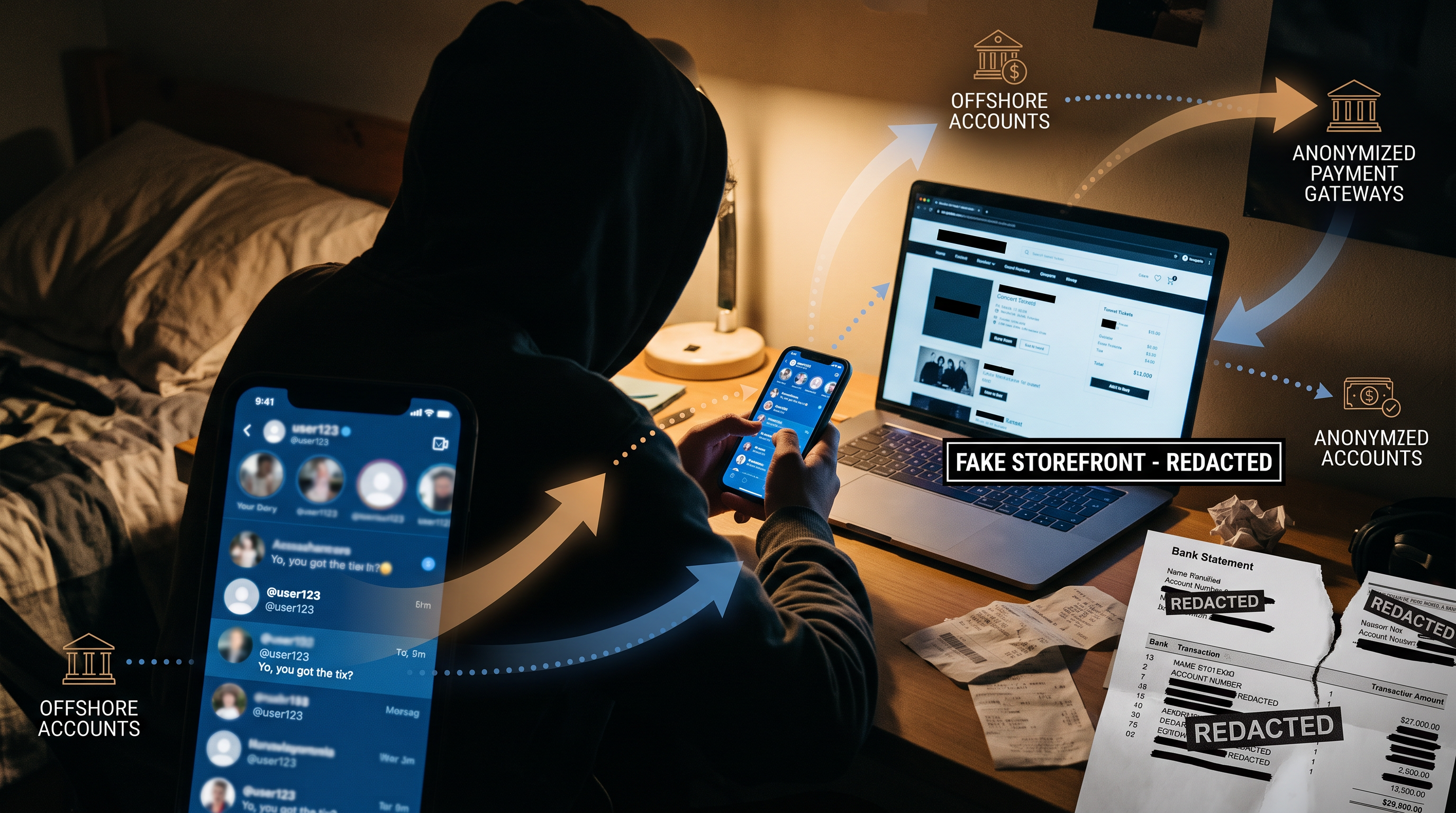
Imagine scrolling through Facebook, seeing a video of trusted financial journalist Martin Lewis promising life-changing cryptocurrency returns, only to lose your life savings within weeks. That nightmare became reality for thousands of victims who fell prey to what investigators now call one of the most sophisticated deepfake crypto scams ever uncovered. Criminal networks stole approximately £27 million using AI-generated celebrity endorsements, high-pressure call centers, and digital banking loopholes that bypassed traditional fraud protections.
The scale of this operation should terrify anyone who uses social media or considers online investments. Fraudsters didn’t just steal money; they weaponized trust in beloved UK personalities like Martin Lewis, Zoe Ball, and Ben Fogle to create an industrial-scale theft machine operating across international borders.
The Martin Lewis Deepfake Crypto Scam: What Actually Happened
At the heart of this criminal enterprise sat eerily convincing deepfake videos featuring Martin Lewis, the UK’s most recognized consumer finance expert. These AI-generated advertisements appeared across Facebook, Instagram, and other social platforms, showing Lewis enthusiastically endorsing cryptocurrency investment opportunities he never actually supported.
The scam followed a chillingly effective playbook. Victims would click on these sponsored ads, believing they were accessing legitimate investment advice from someone who had spent decades protecting consumers from exactly this type of fraud. What they actually triggered was entry into a sophisticated criminal funnel designed to extract every penny possible.
According to investigative reporting from TLW Solicitors, the operation defrauded thousands of people across the UK, with losses totaling around £27 million. The criminals behind this scheme operated with industrial precision, combining cutting-edge AI technology with old-fashioned social engineering tactics.
Why Martin Lewis Was the Perfect Target for Scammers
Martin Lewis isn’t just another celebrity. He built his reputation specifically on protecting people from financial scams and bad deals. That’s precisely why fraudsters chose him. His face carries decades of accumulated trust capital. When someone sees Martin Lewis recommending an investment, their critical thinking defenses lower because he represents financial safety and consumer advocacy.
The cruel irony? Lewis has spent years warning people about cryptocurrency scams and fraudulent investment schemes. Using his likeness to perpetrate exactly what he fights against represents a new level of cynicism in financial crime.
How the Deepfake Crypto Scam Operation Worked
Understanding the mechanics of this scam reveals why it proved so devastatingly effective. The criminals didn’t rely on a single trick but orchestrated multiple layers of deception that built upon each other.
Stage One: The Deepfake Ad Trap
Scammers created highly convincing deepfake videos using generative AI technology. These weren’t crude photoshop jobs or obviously fake clips. The technology replicated Martin Lewis’s voice patterns, facial expressions, and speaking style with disturbing accuracy. The ads promised exclusive cryptocurrency investment opportunities with guaranteed returns, presented in Lewis’s trusted, no-nonsense style.
These paid advertisements ran across major social media platforms, targeting demographics most likely to have retirement savings or investment capital. The platforms’ advertising systems, designed to maximize engagement and revenue, helped distribute these fraudulent ads to millions of potential victims.
Stage Two: The Call Center Pressure Cooker
Once someone clicked the ad and submitted their contact information, the real scam began. Victims received calls from sophisticated call centers reportedly operating from Georgia. These weren’t amateur operations. The callers presented themselves as professional investment advisers, armed with scripts designed to build trust, create urgency, and overcome objections.
Research from Alt Funds Global reveals that millions of call recordings from these operations were leaked, exposing the high-pressure tactics used. Callers would spend hours with victims, walking them through every step of the fraud while making it feel like personalized investment guidance.
Stage Three: Digital Banking Exploitation
Here’s where the scam turned truly sophisticated. Fraudsters instructed victims to open accounts with digital-first banks, institutions that prioritize speed and convenience over traditional fraud screening. These newer banking platforms often lack the friction points that might have stopped older fraud schemes.
Victims were then coached to move money via Authorised Push Payment (APP) transfers. Unlike unauthorized transactions, APP transfers are initiated by the account holder themselves, making them incredibly difficult to reverse or recover. Traditional banking safeguards become useless when the victim voluntarily authorizes the payment, even under false pretenses.
Stage Four: Complete Wallet Takeover
The final stage involved convincing victims to hand over their cryptocurrency wallet credentials. Once fraudsters had these login details, they could drain accounts instantly. The decentralized nature of cryptocurrency means no bank can freeze the transaction or reverse the transfer. The money simply vanishes into wallets controlled by criminals, often moving through multiple exchanges within minutes to obscure the trail.
Why This Scam Represents a Dangerous New Frontier
The Martin Lewis deepfake crypto scam isn’t just another fraud story. It represents a fundamental shift in how criminals can operate in our increasingly digital world.
Generative AI has democratized the ability to create convincing fake content. What once required Hollywood-level resources can now be accomplished with consumer software and a decent computer. This means celebrity endorsement fraud can be manufactured at scale, targeting dozens of trusted figures simultaneously.
The regulatory gaps between traditional finance, digital banking, and cryptocurrency created perfect conditions for this scam. Money moved too fast for oversight but slow enough that victims didn’t realize they were being robbed until it was too late. Digital banks offered convenience that fraudsters exploited, while cryptocurrency provided irreversibility that made recovery nearly impossible.
Perhaps most concerning, this operation revealed how vulnerable certain demographics remain. Many victims were retirees, people with accumulated savings but less familiarity with AI technology or cryptocurrency. They trusted the face they saw on screen and the professional voices on the phone, never imagining the sophisticated criminal infrastructure behind the friendly facade.
Warning Signs You’re Being Targeted
Protecting yourself starts with recognizing red flags. If you encounter any of these warning signs, stop immediately and verify through independent channels:
- Celebrity endorsements for cryptocurrency that seem too good to be true, especially if they promise guaranteed returns
- Unsolicited follow-up calls after clicking an online advertisement
- Pressure to act quickly or miss a limited-time opportunity
- Instructions to open new bank accounts specifically for an investment
- Requests to share wallet passwords, recovery phrases, or private keys
- Guidance on how to move money via specific payment methods to avoid detection
- Advisers who discourage you from consulting family, friends, or independent financial professionals
What to Do If You’ve Been Targeted or Victimized
If you suspect you’ve encountered this scam or already sent money, take immediate action. Time is critical when dealing with financial fraud.
First, contact your bank immediately. If you’ve made an APP transfer within the last 24 hours, there may still be a chance to freeze or recall the payment. UK banks are increasingly required to reimburse victims of APP fraud under new regulatory frameworks, but you must report quickly.
Second, report the fraud to Action Fraud, the UK’s national fraud and cybercrime reporting center. Even if you didn’t lose money, reporting helps authorities track the scale of operations and potentially prevent others from becoming victims.
Third, if you’ve shared cryptocurrency wallet credentials, assume those wallets are compromised. If you still have access, immediately transfer any remaining funds to a new wallet with completely new credentials that you’ve never shared.
Fourth, consider seeking legal advice. Specialized solicitors can help navigate APP reimbursement rules and potentially recover funds through legal channels. Some victims have successfully reclaimed losses by demonstrating they were victims of sophisticated fraud that their banks should have flagged.
How to Protect Yourself Going Forward
Prevention beats cure, especially with fraud this sophisticated. Build these habits into your digital life:
Never trust investment opportunities that come to you through social media ads, regardless of who appears to endorse them. Legitimate investment opportunities don’t need to advertise through Facebook sponsored posts. If Martin Lewis or any celebrity were genuinely offering exclusive investment access, it would be front-page news, not a targeted ad campaign.
Verify everything through official channels. If you see a celebrity endorsement, go directly to that celebrity’s verified website or social media accounts. Martin Lewis maintains an active online presence where he regularly debunks scams using his image.
Understand this fundamental rule: no legitimate financial adviser will ever ask for your wallet passwords, recovery phrases, or private keys. These credentials are equivalent to handing someone the keys to your safe and the combination to your vault. Anyone requesting them is attempting theft, regardless of how professional they sound.
Be especially skeptical of pressure tactics. Legitimate investments will still be available tomorrow, next week, or next month. Scammers create artificial urgency because they know that time allows for reflection, research, and consultation, all of which would expose their fraud.
Frequently Asked Questions
How can I tell if a video of Martin Lewis endorsing cryptocurrency is real or a deepfake?
Check Martin Lewis’s official website and verified social media accounts. He actively warns against crypto scams and has never endorsed cryptocurrency investments. Any video showing him promoting crypto opportunities is fraudulent. Look for unnatural facial movements, inconsistent lighting, or audio that doesn’t quite sync with lip movements, though sophisticated deepfakes may not show obvious tells.
Can I get my money back if I fell for the Martin Lewis deepfake crypto scam?
Recovery depends on how quickly you act and how you transferred funds. Contact your bank immediately for APP transfers, as UK regulations increasingly require reimbursement for fraud victims. Cryptocurrency transfers are harder to recover, but specialized solicitors can explore legal options. Document everything and report to Action Fraud to strengthen any reimbursement claim.
Are social media platforms liable for hosting these deepfake scam ads?
This remains a gray area legally. Platforms argue they can’t screen every ad for deepfake content, while victims and regulators push for greater accountability. UK authorities are pressuring social media companies to implement better verification systems for financial advertisements. Some victims have pursued legal action against platforms, though success varies.
Why do scammers specifically target cryptocurrency investments?
Cryptocurrency offers several advantages for fraudsters: transactions are irreversible, transfers happen quickly across borders, the technology confuses many potential victims, regulatory oversight remains limited, and tracing funds through multiple wallets and exchanges is extremely difficult. Once crypto leaves your wallet, recovery is nearly impossible.
How common are deepfake scams like this becoming?
Deepfake fraud is accelerating rapidly as AI technology becomes more accessible. This £27 million operation represents one of the largest exposed so far, but security researchers warn that similar schemes are proliferating globally. Any trusted public figure can become an unwitting spokesperson for fraud, and the technology barrier continues to lower.
The Bottom Line on Deepfake Crypto Fraud
The Martin Lewis deepfake crypto scam pulled back the curtain on a frightening new era of financial fraud. Criminal networks now wield technology that can manufacture trust at industrial scale, bypassing our traditional defenses by hijacking the faces and voices we’ve learned to believe. The £27 million stolen represents not just financial loss but a fundamental assault on the social trust that makes online communication and commerce possible.
Your best defense combines healthy skepticism with verification habits. Question celebrity endorsements that seem even slightly off. Research independently before acting on any investment opportunity. Never share wallet credentials with anyone, regardless of their story. And remember that if an opportunity requires you to act right now without time to think, that urgency itself is the biggest red flag.
Have you encountered suspicious celebrity investment ads? Share this article with friends and family who might be vulnerable to these sophisticated scams. The more people understand how deepfake fraud operates, the harder it becomes for criminals to find victims. Stay vigilant, verify everything, and protect your financial future from those who would steal it wearing a trusted face.