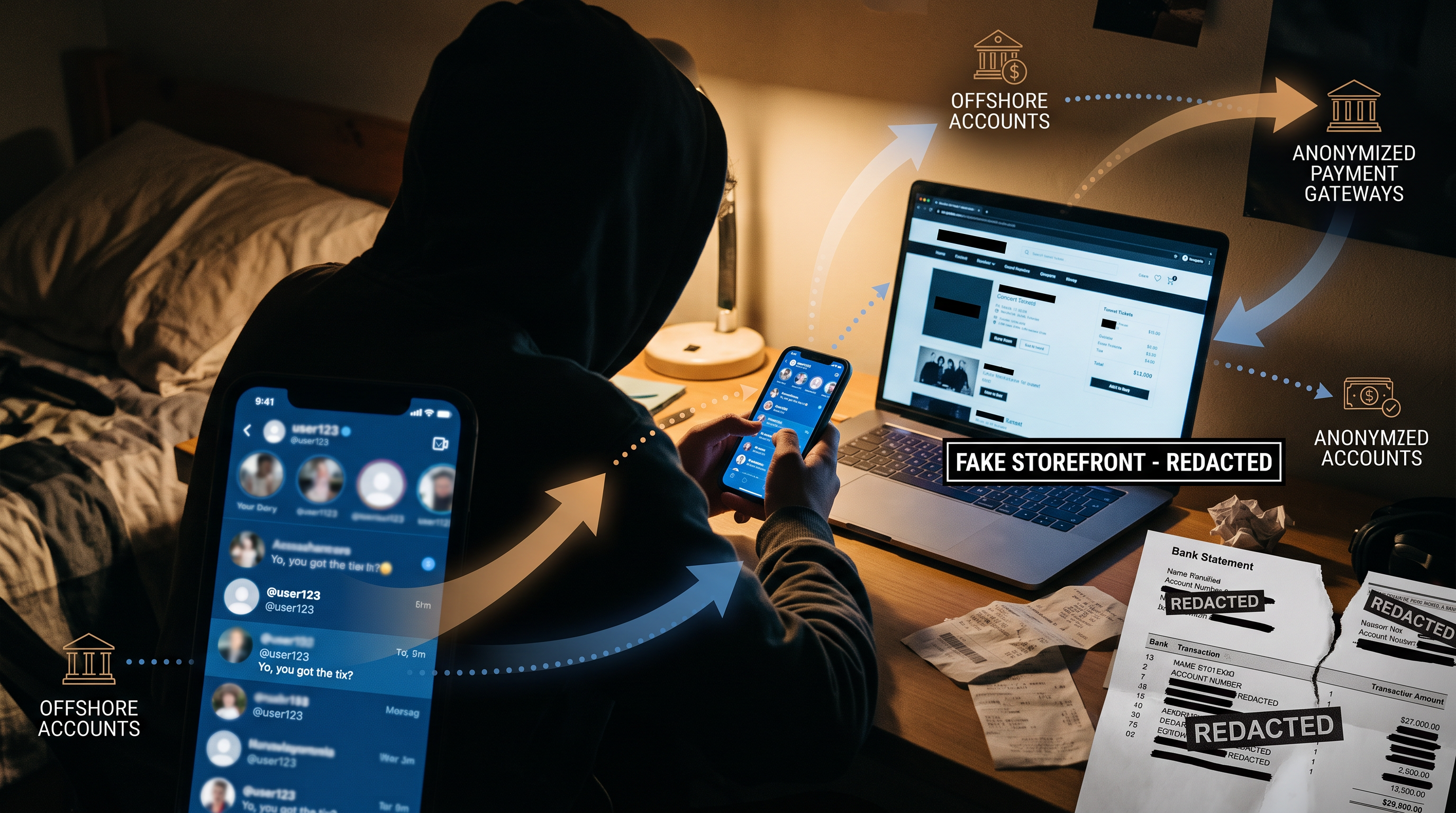
In a shocking case that highlights the growing dangers of AI-driven scams, a South Korean woman lost $350,000 over six months to an impostor posing as Squid Game star Lee Jung-jae. The scammer used social media, convincing AI-generated images, and classic fraud tactics to build trust, ultimately persuading the victim to transfer large sums of money over time.
How the Scam Worked
The victim was contacted via a social media account appearing to belong to Lee Jung-jae. The account was filled with official-looking photos and personal messages to gain credibility. Once the scammer gained her trust, he moved their chats to private messaging platforms, shared fabricated stories (including exclusive updates and fake emergencies), and sent increasingly realistic AI-manipulated images to support his claims.
Requests for money began after a period of emotional bonding, using believable reasons such as medical expenses, travel costs to meet, or special VIP opportunities. Each transfer was made urgent, and the scammer skillfully manipulated emotions to bypass the victim’s doubts. By the time the fraud was uncovered, $350,000 had vanished into accounts the police believe were controlled by an organized network.
Why Are Celebrity Impersonation Scams Rising?
The case spotlights a broader trend: as artificial intelligence becomes more advanced, scammers can easily generate realistic images, videos, and even voice clips of famous people. This makes fake identities far harder to detect. Such scams play on a fan’s emotional connection and hope for a personal relationship with a favorite celebrity.
Red Flags of Celebrity Impersonation Scams
- Unsolicited direct contact from a celebrity or their verified account
- Urgent requests to move the conversation to a private channel
- Requests for money or financial help, no matter how small
- Excuses for not being able to video chat live or verify themselves legitimately
- Stories that invoke urgency, secrecy, or emotional distress
How to Protect Yourself
- Remember, real celebrities do not ask fans for money or personal information online.
- Verify contact through official websites or management agencies.
- Be wary of too-good-to-be-true stories, regardless of images or apparent verification.
- Never send money to anyone you haven’t met in person, especially if they claim to be a public figure.
- Do reverse image searches to check the authenticity of photos you receive.
If You Suspect a Scam
- Immediately stop communication and do not send more money.
- Report the account to the platform (social media, messaging apps, etc.).
- Contact your bank/payment provider to try to halt or reverse transactions.
- File a police report and save all communications as evidence.
The Lee Jung-jae case is a cautionary tale in our AI-powered digital age. Stay alert and help friends or family members recognize these schemes before they become victims.