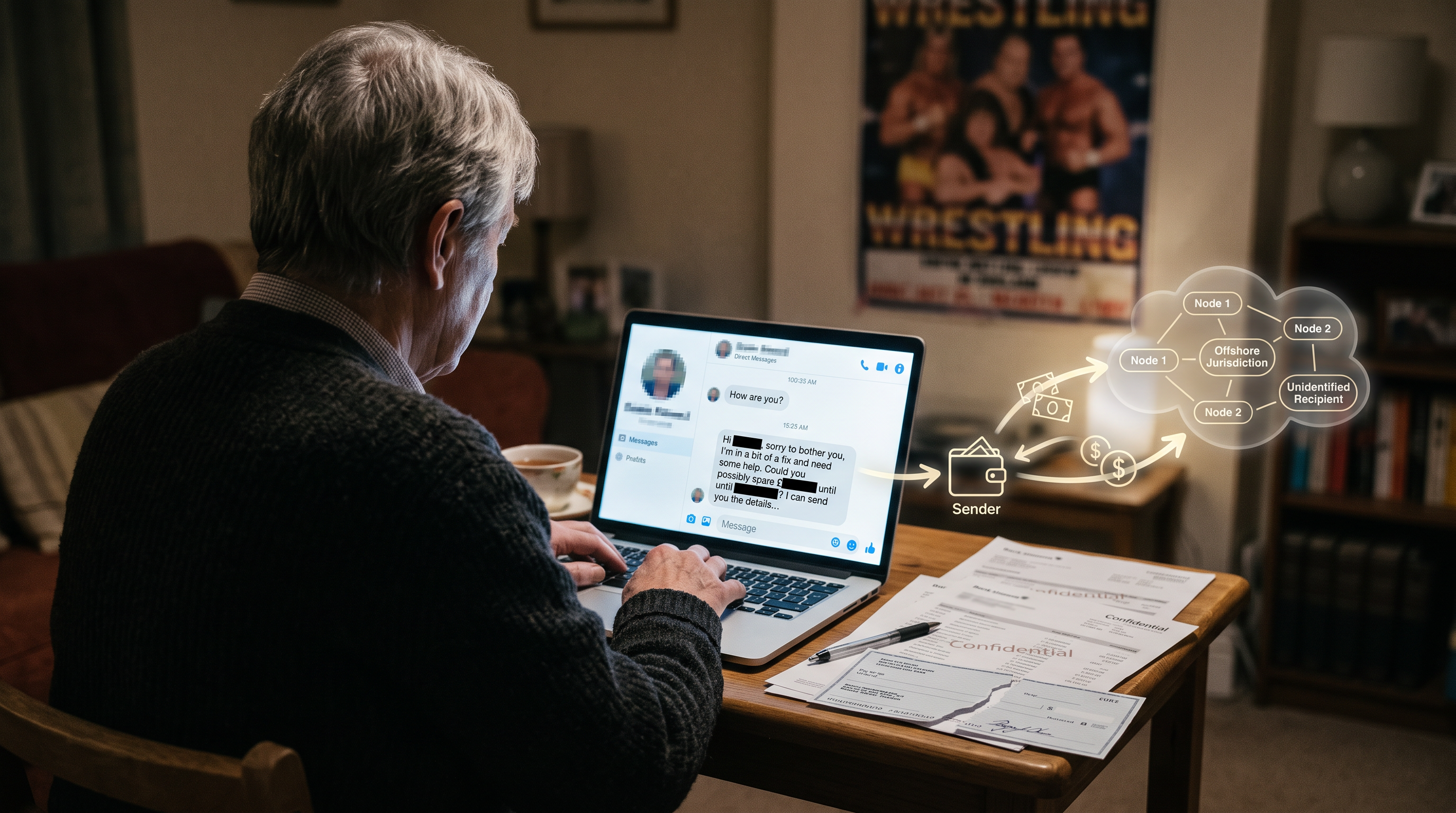
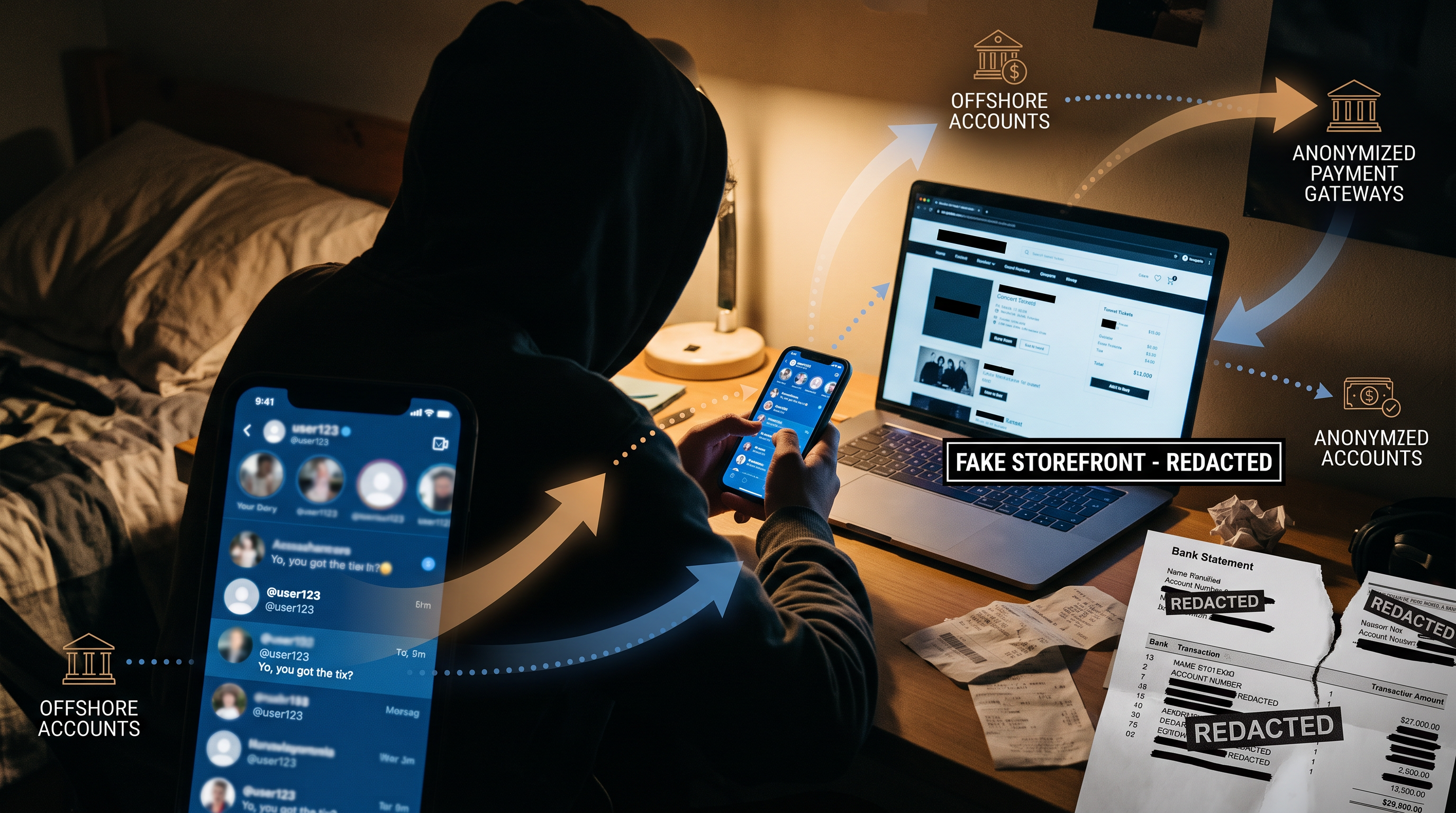
Imagine getting a voice message from your favorite celebrity asking you to invest in their latest project. The voice sounds perfect. The offer feels personal. And by the time you realize it was never real, your money is already gone. This is not a hypothetical scenario anymore. It is happening to millions of people right now, and INTERPOL is calling it one of the most dangerous fraud evolutions in modern history.
What Is Agentic AI Fraud and Why INTERPOL Is Alarmed
Agentic AI fraud refers to scams where artificial intelligence systems can autonomously plan, execute, and scale criminal operations without constant human input. Unlike older fraud models that required a team of scammers working phones around the clock, these AI-powered systems can run deepfake impersonation campaigns across dozens of platforms simultaneously, target thousands of victims at once, and adapt messaging in real time based on responses.
INTERPOL and international cybersecurity researchers have flagged this as a watershed moment in fraud evolution. The tools available to criminals today, including voice cloning, synthetic video generation, and cloned social profiles, have removed nearly every classic red flag that consumers were trained to watch for. Bad grammar, generic greetings, and robotic-sounding calls are largely a thing of the past.
How Deepfake Technology Fuels the Scam Pipeline
Deepfake scams targeting social media users are reaching record levels, according to Euronews reporting that tracked a sharp rise in AI-generated celebrity impersonation campaigns. Fraudsters are scraping publicly available audio and video from interviews, podcasts, and live streams to train voice models and generate synthetic video clips of real public figures.
These clips are then packaged into paid advertisements on social media platforms. The ads use cloaking techniques to hide their true landing pages from platform moderators while showing victims convincing investment portals, subscription traps, or direct payment requests routed through offshore payment rails. By the time a platform takedown occurs, the operators have already migrated to a fresh set of cloned ad accounts.
The Scale of the Problem Is Staggering
According to recent consumer surveys, one in four Americans has already received a deepfake voice call. That number should stop you cold. We are not talking about a niche cybercrime affecting only the tech-illiterate. These attacks are hitting people across every age group, income level, and digital literacy tier.
Financial phishing campaigns fueled by stolen voice deepfakes and fake ads have seen dramatic surges, as detailed by AI Certs research on financial phishing trends. The monetization methods are deliberately varied to complicate bank reversals and law enforcement tracing. Victims are pushed toward gift cards, cryptocurrency transfers, wire payments, and subscription enrollments, all of which are notoriously difficult to claw back.
Celebrity Impersonation Is the Hook, Not the Whole Scam
The celebrity angle is attention-grabbing, but it is really just the entry point. Once a victim engages with what appears to be a famous figure, the scam typically escalates into a long emotional con sometimes called a romance or trust-building fraud. The AI-powered system, or a human operator assisted by AI tools, will sustain weeks of convincing communication before making the financial ask.
The Federal Trade Commission has been warning about celebrity impersonation scams on social media for years. What has changed is the sophistication. Where older scams relied on blurry profile photos and copy-paste messages, today’s campaigns use dynamic AI chatbots, cloned voice notes, and synthetic video calls to maintain the illusion across extended conversations.
Why Takedowns Are Not Keeping Up
Platform enforcement teams and law enforcement agencies are working hard, but the math is brutal. For every cloned account or fraudulent ad that gets removed, automated tools can spin up dozens of replacements within hours. Ad cloaking technology allows operators to show regulators and moderators a clean, compliant version of a landing page while victims see the fraudulent offer.
Cross-border payment routing adds another layer of complexity. Funds collected from victims in one country can pass through multiple offshore intermediaries before reaching the operators, making asset recovery extremely difficult even when perpetrators are eventually identified. The speed, automation, and global reach of agentic AI fraud have genuinely outpaced the systems designed to stop it.
How to Protect Yourself From AI-Powered Impersonation Scams
The good news is that awareness remains one of the most powerful defenses available right now. Here is what you need to do to protect yourself and your finances from deepfake and agentic AI fraud attacks.
- Never send money to unsolicited contacts, no matter how convincing the voice, video, or message appears.
- Refuse gift card and cryptocurrency payment requests. No legitimate celebrity, business, or government agency will ever ask you to pay this way.
- Verify celebrity contact through official, verified channels only. A real public figure will not be reaching out to you through a DM from a fan account.
- Demand a live, dated video call via a verified account before trusting any identity claim. Even then, stay skeptical.
- Preserve all evidence. Take screenshots with timestamps and save any messages, emails, or links before reporting.
- Report immediately. Contact the platform, notify your bank, and file a report with your local police for any significant financial loss.
Speed matters when it comes to reporting. Banks can sometimes freeze or reverse transactions if notified quickly enough. The longer you wait, the lower the recovery odds.
The Bigger Picture: AI Fraud Is Reshaping the Threat Landscape
What we are watching unfold is a fundamental shift in how fraud operates. The barrier to entry for running a sophisticated, large-scale impersonation campaign has collapsed. Tools that required specialized technical knowledge and significant resources two years ago are now available as cheap or even free services accessible to virtually anyone with a browser and bad intentions.
Law enforcement agencies including INTERPOL, the FTC, and national cybercrime units are coordinating more aggressively, platforms are facing new litigation pressure over deepfake ad operators, and governments are exploring regulatory frameworks for AI-generated content. But in the gap between where the rules are today and where they need to be, consumers carry most of the risk.
Staying informed and maintaining a healthy skepticism toward any unsolicited financial opportunity, no matter how authentic it appears, is not paranoia. It is the most rational response to the current threat environment.
Frequently Asked Questions About Agentic AI Fraud and Deepfake Scams
What is agentic AI fraud?
Agentic AI fraud is a category of cybercrime where artificial intelligence systems autonomously plan and execute scam operations at scale. These systems can run impersonation campaigns, manage victim communications, and process payments without constant human oversight, making them far more scalable than traditional fraud operations.
How can I tell if a voice or video message is a deepfake?
Modern deepfakes are increasingly difficult to detect by eye or ear alone. Look for unnatural blinking, inconsistent lighting, audio that sounds slightly compressed, or lip movements that do not perfectly match speech. More reliably, verify the identity through an independently confirmed official channel before trusting any message, regardless of how convincing it appears.
What should I do if I already sent money to a deepfake scammer?
Contact your bank or payment provider immediately and explain the situation. File a report with your local police and the FTC at ReportFraud.ftc.gov. Report the account or ad to the platform where you were contacted. Document everything including screenshots, transaction IDs, and any conversation history to support your case.
Are celebrities doing anything to fight deepfake impersonation scams?
Some public figures have publicly warned their audiences about fake accounts using their likeness, and several have joined platform litigation efforts targeting deepfake ad operators. However, the volume of cloned content being created far exceeds any individual’s ability to police it, which is why personal vigilance remains essential.
Why do scammers ask for gift cards or cryptocurrency instead of bank transfers?
Gift cards and cryptocurrency transactions are extremely difficult to trace and nearly impossible to reverse once completed. Unlike bank transfers which can sometimes be frozen or recalled, these payment methods provide fraudsters with immediate, untraceable access to funds. Any payment request in these forms should be treated as a major warning sign regardless of the stated reason.