Mumbai authorities have dismantled a sophisticated relabelling operation that tampered with genuine branded food and beverage products from some of the world's most recognised companies. According to Reuters, the scheme involved replacing authentic packaging with falsified expiry dates and fabricated nutrition information before the goods were shipped overseas, raising serious food safety and trade integrity alarms across the industry.
Key Facts
- Mumbai authorities raided an operation in September 2026 that was relabelling genuine PepsiCo, Nestlé, Coca-Cola, and Unilever products with falsified expiry dates and nutrition labels for export.
- Officials confirmed the scheme used authentic branded products but altered the packaging to extend apparent shelf life or obscure the product's true origin.
- The fraud created both a consumer deception risk and a food safety hazard, as recipients abroad could not verify the actual condition or age of the goods.
- Indian authorities seized the relabelled inventory during the raid, and investigations are ongoing into the export chain, brokers, and consignees involved.
- Brands including PepsiCo, Nestlé, Coca-Cola, and Unilever were cited in official reports as having their products targeted by the operation.
How the India Fake Food Label Expiry Date Fraud Worked
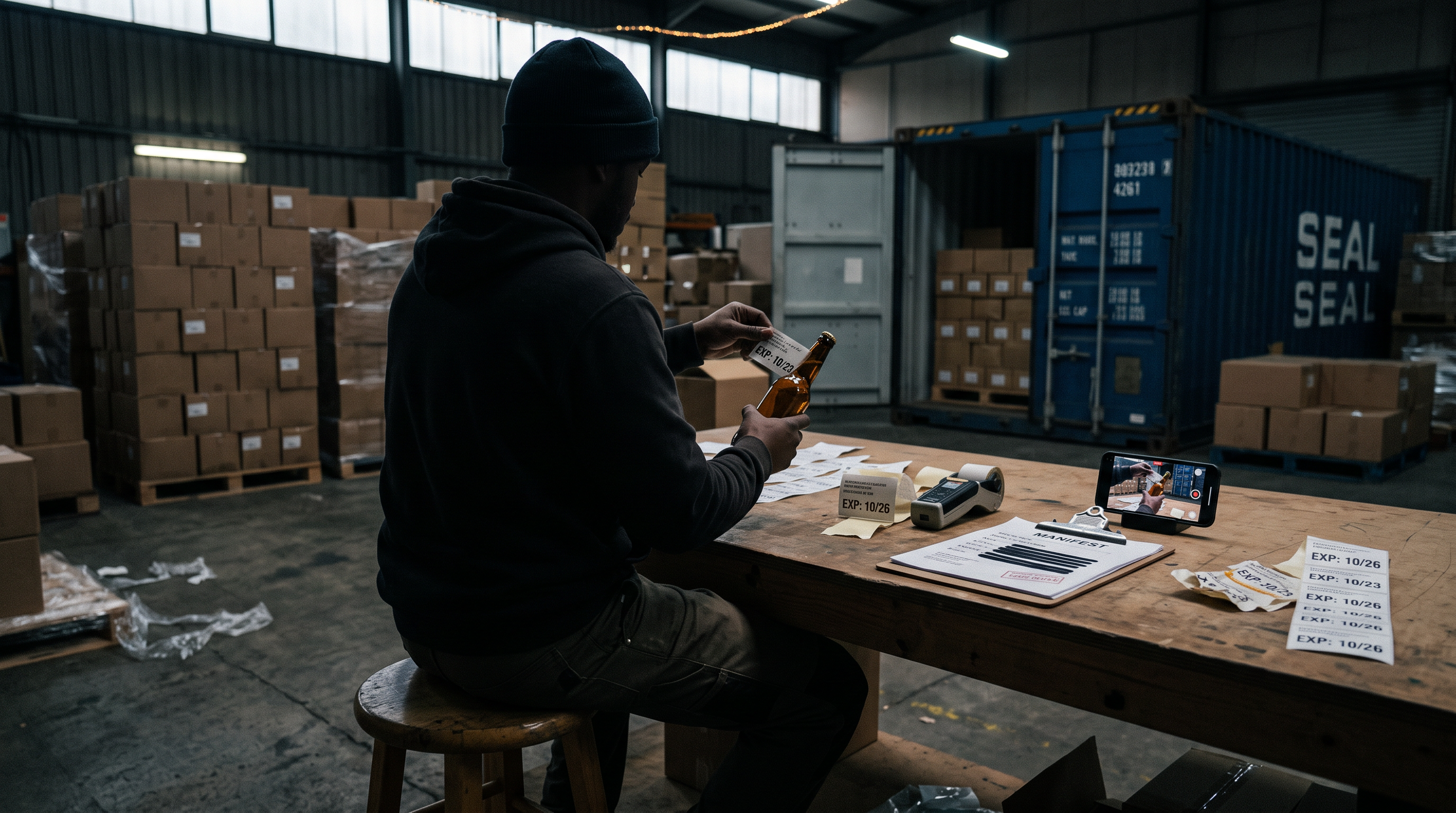
The operation did not manufacture counterfeit products from scratch. Instead, it sourced what appear to be genuine branded goods, then systematically replaced the original packaging labels with new ones carrying altered expiry dates and, in some cases, different nutrition information. This approach is particularly dangerous because the products themselves look and feel authentic.
By extending the stated shelf life on the label, the scheme allowed goods that may have been approaching or past their actual use-by date to be passed off as fresh stock. Importers and end consumers in foreign markets would have had no easy way to detect the tampering without testing the packaging or cross-referencing batch codes directly with the manufacturer.
Officials say the operation was geared toward export channels, meaning the falsified goods were likely heading into secondary markets where oversight and brand authentication checks are less robust. This kind of supply chain exploitation is a growing concern for multinational food and beverage companies worldwide.
Brands Targeted and the Scale of the Threat
The companies whose products were allegedly targeted, PepsiCo, Nestlé, Coca-Cola, and Unilever, are among the largest food and beverage conglomerates operating globally. Their products are sold in virtually every country, which makes them attractive targets for relabelling fraud. The sheer volume of goods in circulation creates opportunities for bad actors to introduce tampered stock without immediate detection.
Each of these brands maintains dedicated brand protection teams and works with customs authorities in multiple countries to intercept counterfeit or tampered goods. However, relabelling fraud is especially difficult to detect at the border because the product inside the package may be a legitimate item, only the outer label has been altered.
- PepsiCo products reportedly found with falsified expiry dates
- Nestlé goods allegedly had nutrition label information replaced
- Coca-Cola and Unilever products also cited in official reports
- All goods were reportedly authentic products with altered outer packaging
Why Fake Expiry Date Fraud Is a Serious Food Safety Risk
Changing an expiry date on a food or beverage label is not just a commercial fraud. It is a direct threat to public health. Products stored past their intended shelf life can develop bacterial contamination, chemical degradation, or spoilage that is not visible to the naked eye. A consumer who trusts a label showing a future expiry date has no reason to suspect the product could harm them.
In cross-border trade, the risks are compounded. Goods may pass through multiple warehouses and distribution points before reaching a shelf. Each step adds potential delays. If the product was already near expiry when relabelled, the time spent in logistics could push it well past safe consumption limits by the time it reaches a buyer.
Regulatory agencies in destination countries typically rely on the label's stated information when clearing customs. Falsified labels can therefore circumvent food import controls entirely, allowing potentially unsafe goods to enter consumer markets undetected. This is precisely why brand tampering cases like this one draw attention from both food regulators and law enforcement.
Global Supply Chain Fraud on the Rise
This case is part of a broader pattern of organised fraud targeting global supply chains. Criminal operations are increasingly targeting well-known brands precisely because consumer trust in those names is high. The higher the brand equity, the easier it is to move tampered goods without raising suspicion at the point of sale.
Investigators looking into this Mumbai operation will likely pursue several lines of inquiry. These include tracing the export consignees, reviewing logistics manifests and warehouse lease agreements, and identifying the brokers who arranged shipments. Testing of seized samples for spoilage or contamination will also be critical to understanding whether any public health harm has already occurred.
The case echoes patterns seen in other large-scale fraud schemes that exploit institutional trust and brand recognition. Just as imposter scams exploit the credibility of well-known names to deceive victims, as covered in our reporting on imposter scams and 2025 FTC losses, this relabelling operation leveraged the trust consumers place in global food brands to pass off tampered goods as safe and fresh.
Organised fraud targeting major brands also mirrors tactics seen in financial and product fraud cases where authenticity is exploited for gain, a dynamic also present in the SEC's charges against influencers in pump-and-dump stock schemes, where the credibility of familiar names was weaponised against ordinary consumers.
What Consumers and Importers Should Do
Protecting yourself from fake food label expiry date fraud starts with buying from authorised and reputable retailers. Products purchased through unofficial export channels, grey markets, or unverified online marketplaces carry a higher risk of having been handled outside normal supply chains.
Here are practical steps to reduce your exposure:
- Buy branded food and beverage products only from licensed and authorised retailers.
- Check packaging seals and batch codes before purchase or consumption. Damaged, misaligned, or inconsistent label printing can be a warning sign.
- If packaging looks unusual or the expiry date print quality differs from what you normally see on that brand, contact the manufacturer directly to verify the batch code.
- Report suspected tampered or relabelled goods to your local food safety authority and customs agency immediately.
- Importers should require certificates of authenticity and conduct random sampling and testing on incoming branded food shipments.
If you believe you have encountered a fraudulent product or relabelling scheme, you can also report it to consumer protection agencies. In the United States, the FTC fraud reporting portal accepts reports on deceptive product practices, and the FBI's Internet Crime Complaint Center (IC3) handles complaints involving fraud with a cross-border or organised crime dimension.
What Happens Next in the Investigation
Indian authorities are expected to expand their investigation beyond the Mumbai raid site. Key next steps will likely involve examining export documentation and customs records to trace where the relabelled goods were destined, identifying the businesses and individuals who facilitated the shipments, and determining whether any falsified products have already reached consumers abroad.
Brand protection teams at PepsiCo, Nestlé, Coca-Cola, and Unilever will almost certainly be cooperating with investigators. These companies have significant resources dedicated to identifying and reporting supply chain fraud, and a case of this scale will prompt a review of how their products move through export and grey market channels in the region.
The outcome of this investigation could set an important precedent for how India handles food label fraud targeting multinational exports, and may prompt tighter oversight of secondary packaging and export warehousing operations across the country.
Frequently Asked Questions
What is the India fake food label expiry date fraud case about?
Mumbai authorities raided an operation in September 2026 that was taking genuine branded food and beverage products from companies including PepsiCo, Nestlé, Coca-Cola, and Unilever and replacing their original labels with falsified expiry dates and altered nutrition information. The tampered products were reportedly destined for export markets. The scheme represents both a consumer fraud and a potential food safety hazard.
Which brands were affected by the fake food label raid in India?
According to Reuters and official reports, the brands whose products were targeted include PepsiCo, Nestlé, Coca-Cola, and Unilever. The operation used authentic products from these companies but altered the outer packaging to display fraudulent expiry dates and, in some cases, different nutrition information.
Is it dangerous to consume food with a fake expiry date on the label?
Yes. Food products stored beyond their actual expiry date can develop bacterial contamination, spoilage, or chemical degradation that is not visible on the outside. A falsified label gives consumers no accurate information about the true age or condition of the product, which can lead to serious health risks if the item is consumed after it has genuinely expired.
How can I spot a tampered or relabelled food product?
Look for signs such as label printing that looks inconsistent with what you normally see on that brand, misaligned or poorly adhered labels, unusual packaging seals, or batch codes that the manufacturer cannot verify. Buying only from authorised retailers significantly reduces your risk of encountering relabelled goods.
Where can I report suspected fake or tampered food products?
Report suspected tampered food products to your local food safety authority and customs agency. In the United States, you can file a report with the FTC at reportfraud.ftc.gov or contact the FDA. The FBI's Internet Crime Complaint Center at ic3.gov also handles fraud complaints with an organised crime or cross-border dimension.