The U.S. Securities and Exchange Commission has filed charges against eight social media influencers accused of running a coordinated pump-and-dump scheme that generated roughly $100 million in trading volume while leaving retail investors with devastating losses. According to the SEC, the influencers used their large online followings to artificially inflate the prices of small-cap stocks, secretly sold their own shares at the peak, and then watched their followers absorb the crash. The case marks one of the most significant enforcement actions targeting social media-driven market manipulation in recent years.
Key Facts
- The SEC charged eight social media influencers with securities fraud for allegedly orchestrating a pump-and-dump scheme that produced approximately $100 million in trading volume, according to the SEC complaint.
- The influencers allegedly accepted undisclosed payments and free stock to promote small-cap companies to their followers on platforms including Twitter and Discord, without disclosing those financial arrangements.
- Regulators allege the group used nominee accounts to conceal their own stock sales while simultaneously encouraging followers to buy, causing sharp price collapses once they had exited their positions.
- The SEC is seeking disgorgement of profits, civil penalties, and permanent injunctions, and the matter has been referred for potential criminal investigation.
- The Wall Street Journal reported the charges represent a direct regulatory response to the growing use of social media as a vehicle for securities fraud at scale.
How the SEC Charges Influencers Pump-and-Dump Stock Scheme Unfolded
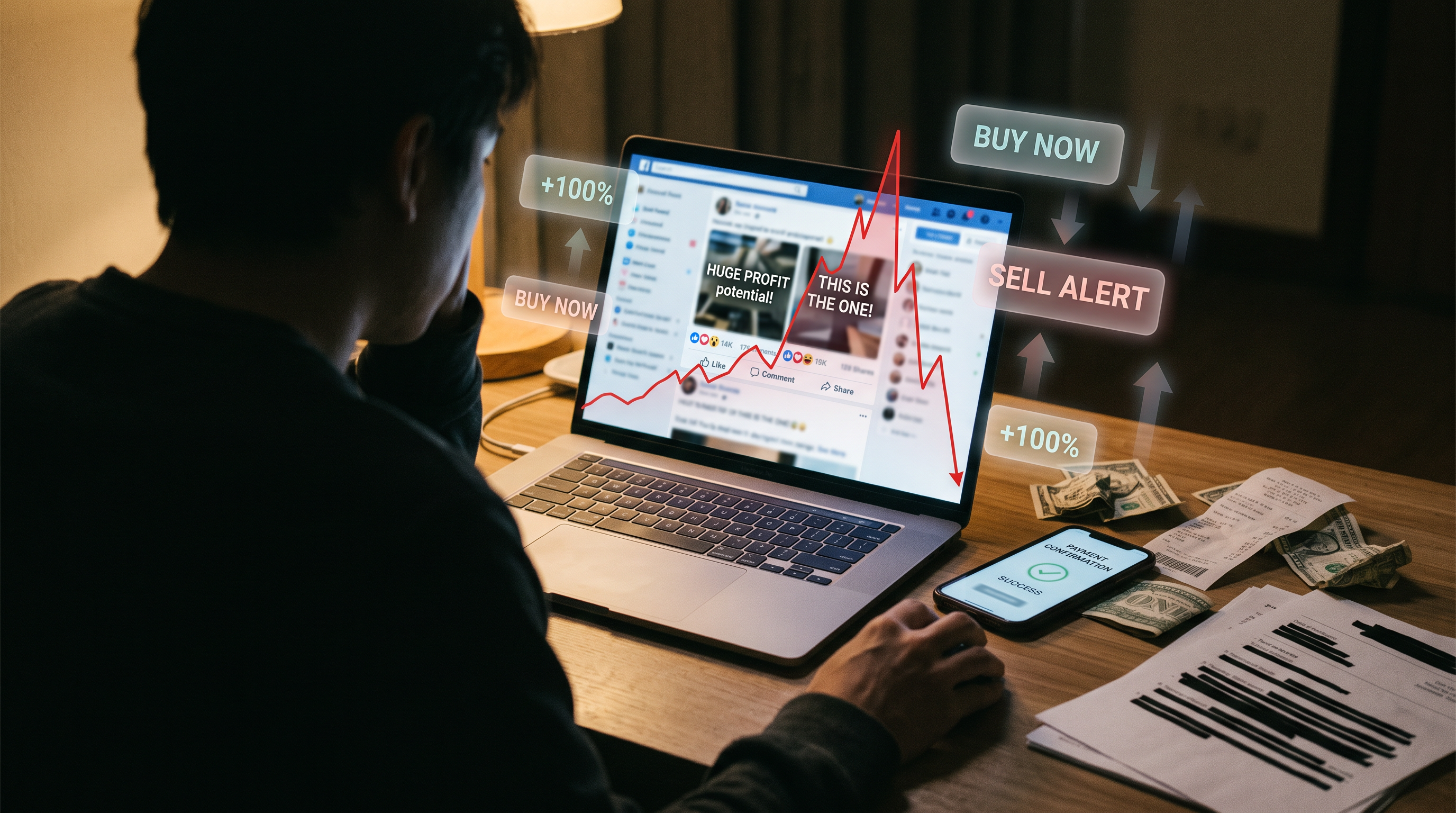
The alleged scheme followed a calculated playbook. The influencers, who collectively commanded large audiences across Twitter, YouTube, and Discord, would receive shares or cash payments from parties seeking to drive up a stock's price. They would then begin promoting those stocks as can't-miss investment opportunities, framing paid endorsements as genuine personal conviction. Followers, trusting the influencers they had come to rely on for financial guidance, would buy in and push prices sharply higher.
Once prices reached a desired level, the influencers allegedly liquidated their positions through nominee accounts specifically designed to mask their identities and disguise the volume of shares being sold. The result was predictable. Without genuine demand sustaining the elevated prices, the stocks collapsed, leaving everyday investors holding near-worthless shares while the promoters walked away with millions.
Tactics Used to Evade Disclosure Rules
The SEC complaint outlines several tactics the influencers allegedly used to avoid detection and comply, at least superficially, with securities disclosure requirements. These include:
- Presenting paid promotions as organic investment picks with no disclosed compensation
- Using fake testimonials and affiliate link structures to create the appearance of independent community enthusiasm
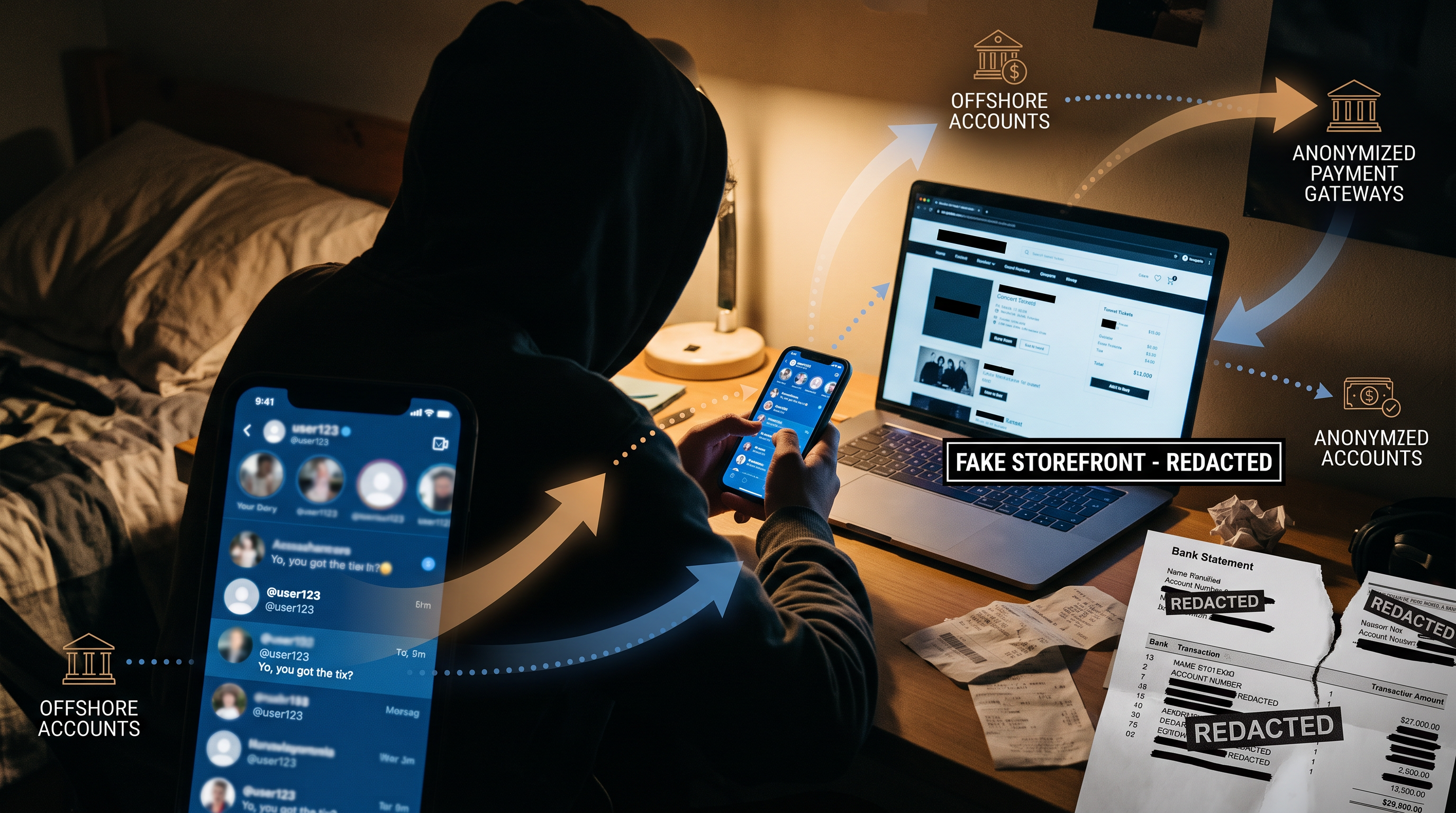
- Routing stock sales through nominee accounts to obscure their connection to the promotion
- Coordinating buy-and-sell timing through private messaging groups, away from public platforms
- Layering payments through intermediaries to complicate forensic tracing of funds
These tactics made it harder for both regulators and retail investors to detect the manipulation in real time, and highlight a significant gap between the speed of social media and the pace of traditional market surveillance.
Why This Case Signals a Broader Problem With Influencer Stock Tips
This is not an isolated incident. The intersection of financial content creation and securities law has become a genuine regulatory battleground. Influencers with large audiences and no professional financial licensing are legally permitted to share opinions on stocks, but they are required under SEC rules to disclose any compensation they receive for promoting a security. The problem, regulators say, is that disclosure is frequently omitted, buried, or deliberately obscured.
The scale of the alleged scheme here, roughly $100 million in trading volume linked to coordinated promotions, demonstrates that influencer-driven market manipulation is no longer a fringe concern. It is a systemic risk to retail investors who increasingly turn to social media for financial guidance rather than licensed advisors or SEC-registered research. For related context on how social platforms are being exploited for financial fraud, the Trump Gold Memecoin rug pull illustrates how coordinated online promotion can trigger rapid investor losses across digital assets as well.
Platform responsibility is also under scrutiny. Critics argue that Twitter, YouTube, and Discord have profited from the engagement these stock-promotion posts generate without implementing adequate systems to flag potential securities fraud in real time.
The Role of Nominee Accounts in Hiding the Fraud
One of the more sophisticated elements of the alleged scheme was the use of nominee accounts, brokerage accounts held in other people's names, to execute stock sales while the influencers continued publicly promoting the same securities. This technique created a false impression that the promoters still held their positions and remained committed to the investment thesis they were selling to followers.
Nominee accounts are a known tool in securities fraud, and regulators have flagged their use in past enforcement actions. The SEC's ability to trace these transactions in this case points to improved forensic capabilities in identifying hidden ownership structures and coordinated trading patterns across multiple accounts.
Potential Legal Consequences for the Charged Influencers
The SEC is pursuing several forms of relief against the eight named defendants. According to the agency's filings, these include:
- Disgorgement: The influencers may be required to return all profits gained from the alleged scheme, plus interest.
- Civil monetary penalties: Additional financial penalties under securities law could significantly exceed the profits disgorged.
- Permanent injunctions: Courts may bar the defendants from participating in securities offerings or acting as promoters in the future.
- Criminal referral: The SEC has referred the matter for potential criminal investigation, which could result in separate charges by the Department of Justice.
As the life sentence handed to Evergrande's founder for fraud demonstrated, securities fraud at scale can carry consequences that go far beyond civil penalties, particularly when millions of ordinary investors are harmed.
How to Protect Yourself From Social Media Stock Fraud
Retail investors are the primary victims of pump-and-dump schemes, and most lose money before the fraud is publicly exposed. The SEC and consumer protection experts recommend several practical steps to avoid falling victim to influencer-driven stock manipulation.
- Always search for SEC filings and independent analyst reports before acting on any stock tip, regardless of the source.
- Check whether an influencer promoting a stock has disclosed any compensation, free shares, or affiliate relationship. If they have not, treat the tip with serious skepticism.
- Avoid making speculative trades based purely on social media hype, particularly in low-volume small-cap stocks where prices move sharply on minimal buying.
- Preserve screenshots and trade confirmations if you suspect fraud. These records can assist SEC and FBI investigations.
- Report suspected securities fraud to the FTC at reportfraud.ftc.gov or the FBI's Internet Crime Complaint Center at ic3.gov.
Influencer-driven scams are not limited to stocks. As detailed in our coverage of the fake investment ads using celebrity endorsements, fraudsters routinely exploit trust in public figures to push investment products that have no legitimate basis.
What Regulators Are Doing Next
The SEC has signaled that this case is part of a broader enforcement push targeting social media-driven market manipulation. Regulators are investing in better surveillance tools capable of monitoring large volumes of social media content and cross-referencing promotional activity with real-time trading data. The agency is also working with brokerage platforms to improve detection of nominee account patterns and coordinated sell-offs that follow promotional spikes.
For retail investors, the key takeaway is that popularity on social media is not a substitute for due diligence. The influencers charged in this case had large, trusted audiences precisely because they appeared credible. That credibility, regulators allege, was the product being sold, not the stocks themselves.
If you follow financial content creators online, verify their credentials, read their disclosure statements carefully, and cross-check any investment thesis with independent sources before committing capital. Your financial security depends on your own research, not on someone else's follower count.
Frequently Asked Questions
What is the SEC pump-and-dump influencer scheme about?
The SEC charged eight social media influencers with securities fraud for allegedly promoting small-cap stocks to their followers without disclosing that they were paid in cash or free shares to do so. According to the SEC complaint, the influencers sold their own stock positions at inflated prices while followers continued to buy, causing prices to collapse and generating roughly $100 million in total trading volume tied to the scheme.
How did the influencers hide their stock sales from investors?
The SEC alleges the influencers used nominee accounts, which are brokerage accounts held in other people's names, to sell their shares without appearing to exit their positions. This concealment technique allowed them to continue promoting the stocks publicly while secretly offloading their holdings, creating a false impression of continued confidence in the investments they were promoting.
What penalties do the charged influencers face?
The SEC is seeking disgorgement of all profits, civil monetary penalties, and permanent injunctions preventing the defendants from participating in future securities promotions. The agency has also referred the case for potential criminal investigation, which could lead to separate charges by the Department of Justice carrying additional fines and possible imprisonment.
How can I tell if a social media influencer is illegally promoting a stock?
Look for a clear, prominent disclosure that the influencer has received payment, free shares, or any other compensation in exchange for mentioning a stock. Under SEC rules, this disclosure is required and must be clear enough for a reasonable investor to notice it. If no disclosure is present, or if it is buried in fine print, that is a serious warning sign. Always verify any stock tip with independent research and SEC filings before investing.
Where can I report suspected stock fraud by a social media influencer?
You can report suspected securities fraud directly to the SEC at sec.gov/tcr, to the FTC at reportfraud.ftc.gov, or to the FBI's Internet Crime Complaint Center at ic3.gov. Preserving screenshots of promotional posts, trade confirmations, and any communications with the influencer will strengthen your report and assist investigators.