A 56-year-old North Carolina woman just got arrested for allegedly running a romance scam network that stole $3 million from unsuspecting victims over six years. One victim alone sent nearly $140,000 in just two months. If that doesn’t make you want to rethink your online dating safety strategy, I don’t know what will.
Christina Jane Julian’s arrest on January 21, 2026, offers a stark reminder that romance scams remain one of the most profitable criminal operations targeting vulnerable adults across the country. Her alleged six-year operation targeted multiple victims, many of them elderly, using tactics that are becoming disturbingly common in the digital age.
The Anatomy of a Million-Dollar Romance Scam
Understanding how these scams work is your first line of defense. Julian’s alleged operation followed a playbook that scammers have refined over years of targeting lonely hearts online.
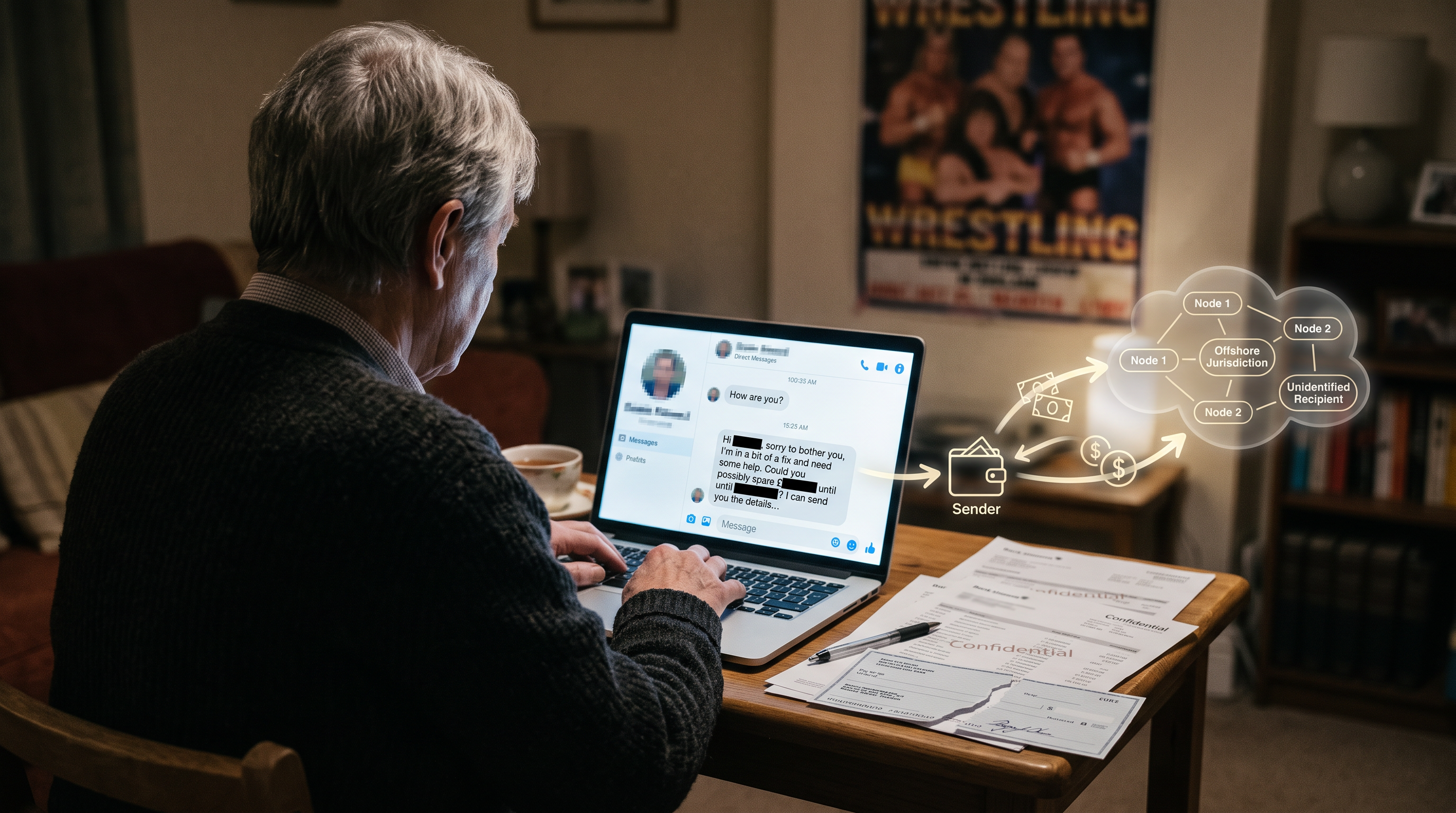
Prosecutors say she created fake online personas to build trust with victims through dating apps and social media platforms. Once that emotional connection was established, she would fabricate urgent situations requiring immediate financial help. In one documented case, a North Carolina victim sent $139,900 between July and August 2025 after being told the money was needed to bring a male partner back to the United States.
Think about that for a second. In just two months, someone sent nearly $140,000 to a person they had never met in real life. That’s the power of emotional manipulation combined with sophisticated social engineering.
The Five-Stage Attack Chain
Romance scammers typically follow a predictable pattern. Recognizing these stages can help you spot trouble before you lose a single dollar:
- Profile Creation: Scammers build fake profiles using stolen photos, often of attractive people or military personnel
- Grooming Phase: They initiate contact through dating apps or social media and spend weeks or months building trust
- Fabrication: Once emotional attachment forms, they introduce urgent needs like medical emergencies, travel costs, or investment opportunities
- Money Requests: They ask for wire transfers, gift cards, cryptocurrency, or other hard-to-trace payment methods
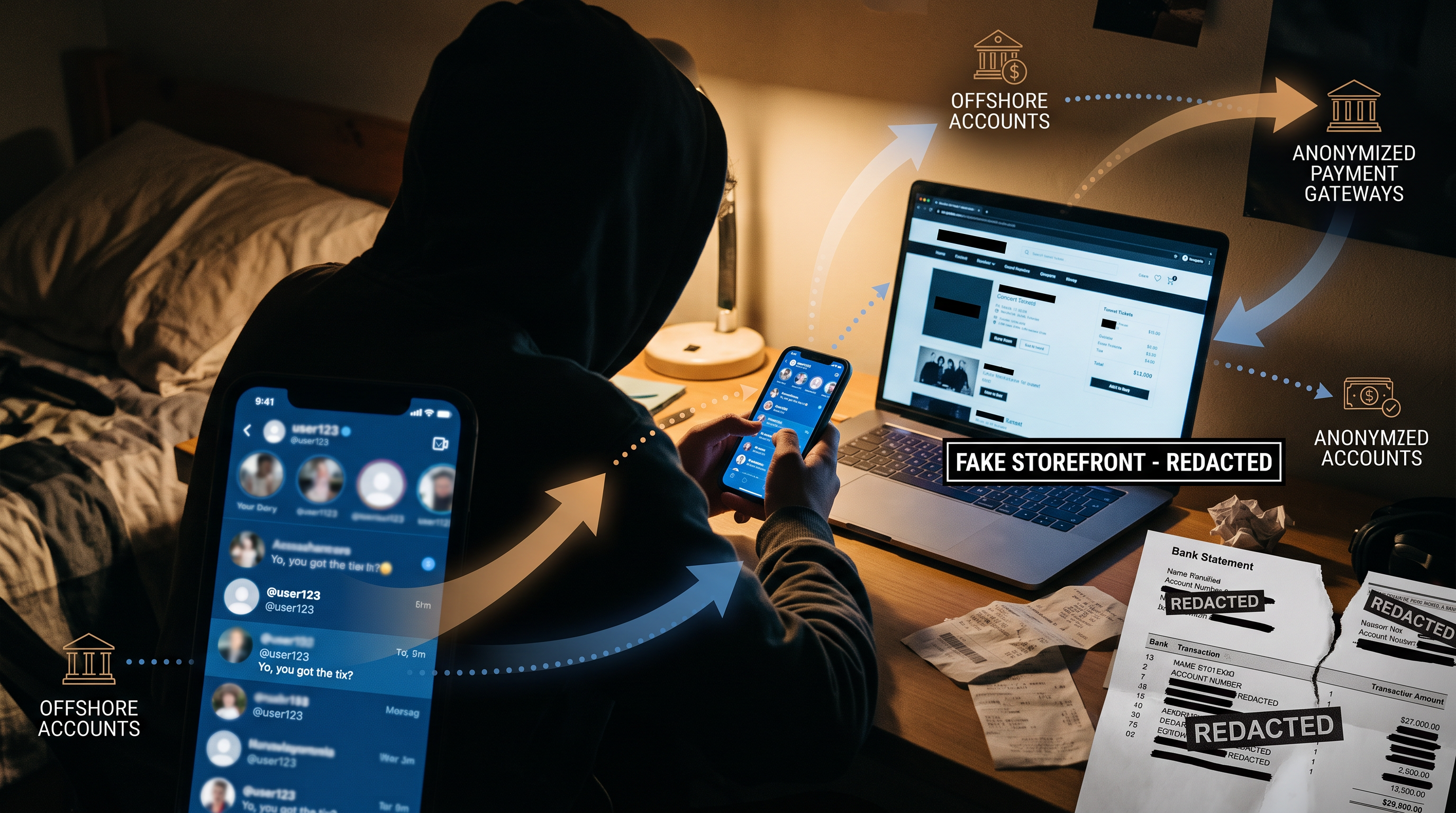
- Laundering: Funds get moved through multiple bank accounts or third parties to cover their tracks
Warning Signs You’re Being Targeted
When you’re learning how to avoid romance scams online, recognizing red flags early can save you thousands or even hundreds of thousands of dollars. These warning signs show up in nearly every case.
They Move Too Fast Emotionally
Scammers don’t have time to waste. They’ll profess love within days or weeks, creating an intense emotional bond before you’ve had time to think critically about the relationship. This isn’t romance. It’s a calculated business strategy.
They Always Have an Excuse Not to Meet
Working overseas. Military deployment. Caring for a sick relative. If someone constantly dodges video calls or in-person meetings, that’s a massive red flag. Modern romance scams have evolved to include elaborate excuses that sound plausible but are designed specifically to avoid face-to-face verification.
Financial Requests Start Small, Then Escalate
The first request might be for $200 to fix a car or pay a phone bill. Once you send that, they know you’re willing to help. The requests get bigger and more urgent. Before you know it, you’ve sent six figures to someone you’ve never met.
They Prefer Untraceable Payment Methods
Gift cards, cryptocurrency, wire transfers through Western Union or MoneyGram. These are the scammer’s preferred tools because they’re nearly impossible to reverse or trace. No legitimate romantic partner will insist on these payment methods.
The Devastating Impact on Victims
Romance scam victims don’t just lose money. They lose their sense of trust, their dignity, and sometimes their entire retirement savings. The emotional trauma can be just as devastating as the financial loss.
Elderly victims face particular vulnerability. They may be isolated, recently widowed, or less familiar with how online scams operate. Julian allegedly targeted this demographic specifically because they often have savings and are less likely to question someone offering companionship.
The shame many victims feel prevents them from reporting these crimes quickly. They’re embarrassed they fell for it. They don’t want family members to know. This silence allows scammers to continue operating and find new victims.
How to Protect Yourself Right Now
Here’s your action plan for staying safe while dating online. These steps work whether you’re on Tinder, Match, Facebook, or any other platform.
Never Send Money to Someone You Haven’t Met
This is the golden rule. I don’t care how convincing their story is or how much you care about them. If you haven’t met someone in person and verified their identity, do not send money. Period.
Verify Their Identity Multiple Ways
Insist on video calls where you can see them in real time. Use reverse image search on their profile photos to check if they’re stolen from someone else’s social media. Ask questions only the real person would know if they claim to be someone specific.
Refuse Unusual Payment Requests
No gift cards. No cryptocurrency. No wire transfers to foreign countries. If someone gets angry or defensive when you refuse these payment methods, you’ve just confirmed they’re a scammer.
Keep Records of Everything
Screenshot conversations. Save emails. Keep receipts of any payments. If you do become a victim, this documentation will be critical for law enforcement and potentially recovering your money.
Report Suspicious Activity Immediately
File reports with local law enforcement and the Federal Trade Commission at ReportFraud.ftc.gov. Even if you feel embarrassed, reporting helps prevent others from becoming victims of the same scammer.
What Makes Romance Scams So Profitable
The numbers tell a troubling story. Julian allegedly netted $3 million over six years, which averages $500,000 per year. That’s more than many legitimate businesses earn, with far less overhead and operating across state lines to complicate prosecution.
Romance scams succeed because they exploit fundamental human needs for connection and companionship. Scammers study psychology, understand persuasion techniques, and know exactly which emotional buttons to push. They’re professionals running a business, not random criminals trying their luck.
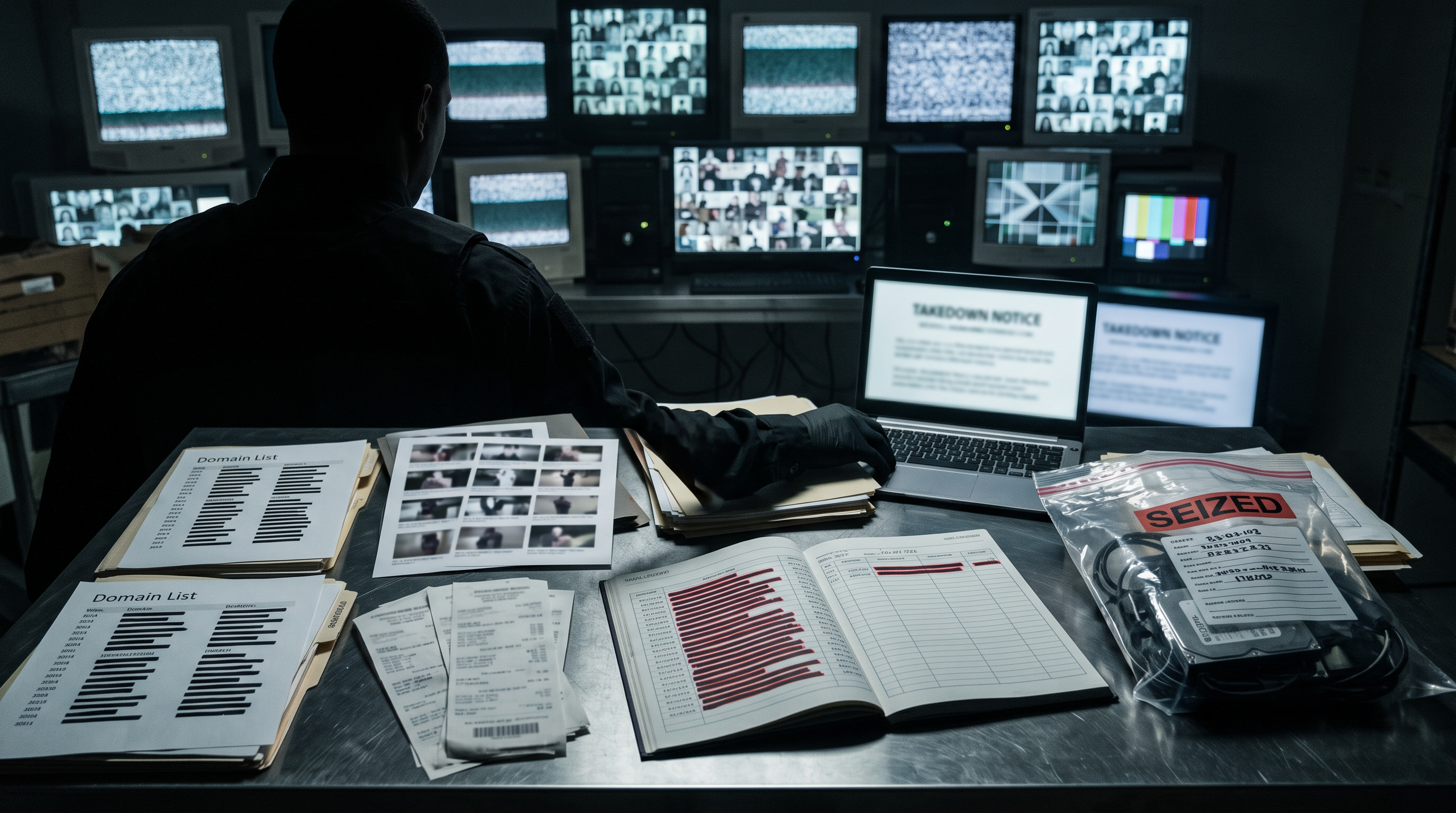
The digital nature of these crimes makes them difficult to investigate and prosecute. Money moves across multiple accounts and jurisdictions. Scammers use fake identities and burner phones. By the time victims realize what happened, the trail has gone cold.
The Legal Consequences Are Getting Serious
Christina Jane Julian faces felony charges including obtaining property by false pretense exceeding $100,000 and exploiting the elderly. These are serious charges that can result in significant prison time.
Law enforcement agencies are finally treating romance scams with the seriousness they deserve. Task forces are forming to track these operations across state lines. Financial institutions are implementing better fraud detection systems. The days of romance scammers operating with impunity are numbered, but they’re not over yet.
Moving Forward Safely
Online dating isn’t inherently dangerous, and most people you’ll meet on dating apps are genuine. But you need to approach it with the same caution you’d use for any online transaction involving strangers.
Trust your instincts. If something feels off, it probably is. If a situation seems too good to be true, it almost certainly is. Your skepticism isn’t cynicism. It’s self-protection.
The Christina Jane Julian case should serve as a wake-up call. Romance scams are sophisticated, widespread, and incredibly damaging. But armed with knowledge about how to avoid romance scams online, you can protect yourself and your loved ones from becoming the next victim.
Stay alert, verify everything, and never send money to someone you haven’t met in person. Your heart and your bank account will thank you.
Frequently Asked Questions
How can I tell if someone is a romance scammer?
Romance scammers typically move the relationship forward very quickly, profess love within days or weeks, avoid video calls or in-person meetings, and eventually ask for money using untraceable payment methods like gift cards or cryptocurrency. They often claim to be overseas or have elaborate reasons why they can’t meet you in person.
What should I do if I’ve already sent money to a romance scammer?
Stop all contact with the scammer immediately and do not send any more money. Contact your bank or payment service to report the fraud and see if transactions can be reversed. File a report with local law enforcement and the FTC at ReportFraud.ftc.gov. Save all communications, screenshots, and receipts as evidence.
Why do romance scammers target elderly victims?
Elderly adults are often targeted because they may have retirement savings, can be socially isolated, and may be less familiar with online scam tactics. They’re also more likely to be recently widowed and seeking companionship, making them emotionally vulnerable to these manipulative schemes.
Can I use reverse image search to verify someone’s dating profile?
Yes, absolutely. Save their profile photos and upload them to Google Images or other reverse image search tools. If the photos appear on multiple profiles with different names or are associated with someone else entirely, you’re likely dealing with a scammer using stolen photos.
Are romance scammers ever caught and prosecuted?
Yes, though prosecution can be challenging due to the digital nature of these crimes and interstate or international operations. Cases like Christina Jane Julian’s arrest show that law enforcement is increasingly prioritizing these crimes, especially when they involve large amounts of money or exploitation of vulnerable populations like the elderly.