Imagine scrolling through Instagram and seeing your favorite celebrity personally endorsing a crypto investment that promises to double your money in 30 days. The video looks real. The voice sounds right. The profile has millions of followers. But it is all a lie, and someone just lost their life savings because of it. According to a new report from cybersecurity firm Spikerz, this kind of fraud is costing Hollywood and its fans a staggering $600 million every single year.
The $600 Million Problem Hollywood Cannot Ignore
Spikerz, a social media security company that works with high-profile talent and brands, released a comprehensive report analyzing the scale of social media attacks targeting celebrities and their audiences. The headline number is impossible to overlook: the entertainment industry loses an estimated $600 million annually to coordinated social media fraud campaigns.
This is not petty crime. This is a sophisticated, well-funded operation that uses artificial intelligence tools, paid advertising infrastructure, and psychological manipulation to extract money from real people who trust the celebrities they follow. The Spikerz report attributes the spike in losses to the rising availability of AI video and voice synthesis tools that have made it frighteningly easy to fake celebrity content at scale.
Why Celebrities Are the Perfect Attack Surface
Celebrities carry something that fraudsters desperately want: trust. When a fan sees a verified-looking profile with millions of followers posting a product recommendation, their guard goes down. Scammers know this, and they exploit it ruthlessly. A single convincing deepfake clip can reach millions of people before platforms even flag it for review.
The Spikerz analysis found that attack campaigns are not random. They are targeted, timed, and designed to look as legitimate as possible. Fraudsters monitor news cycles, celebrity appearances, and trending moments to launch attacks when public attention is already pointed at a specific star.
How These Social Media Scams Actually Work
Understanding the mechanics of these attacks is the first step to protecting yourself. The Spikerz report outlines several distinct attack patterns that fraudsters use over and over again.
Deepfake Endorsement Videos
Using readily available AI video and voice synthesis software, criminals create polished synthetic clips of celebrities promoting fake investment platforms, health products, or giveaways. These videos are sometimes indistinguishable from real content. They are then pushed through paid social media ads to reach targeted audiences, often bypassing platform content moderation because they look legitimate on the surface.
Cloned Profiles and Account Impersonation
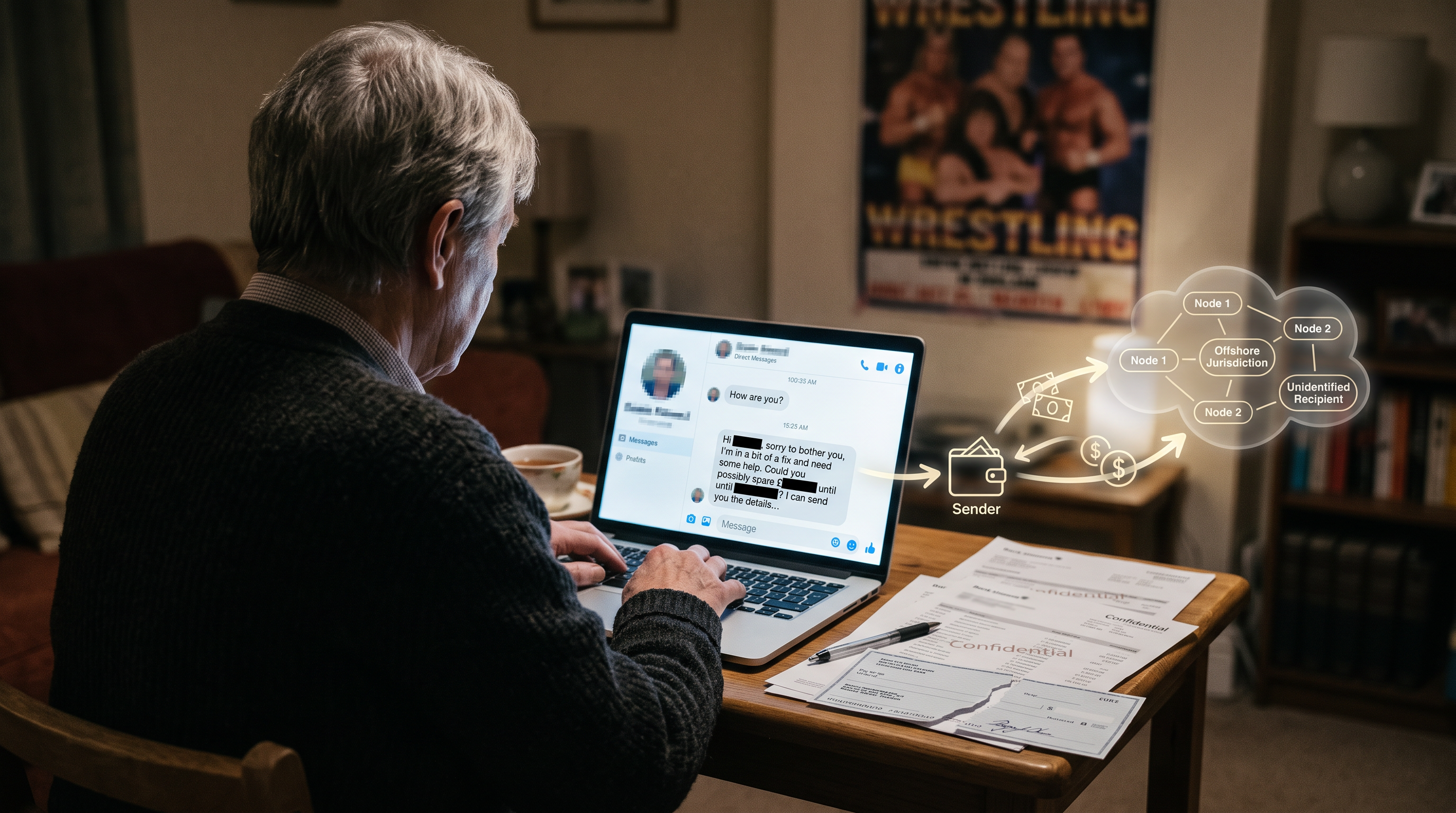
Fraudsters build copycat profiles that mirror a celebrity’s real account almost exactly. They copy profile photos, bios, and even republish the celebrity’s real posts to build credibility. Once a follower engages, they receive a direct message about an exclusive investment, giveaway, or product offer that requires upfront payment.
Account Takeovers
Some attacks go further. Through phishing emails, SIM swapping, or credential stuffing, criminals take over the actual verified accounts of celebrities and influencers. With access to a real blue-checkmark account and millions of followers, they can post scam content with instant credibility before the real owner even notices something is wrong.
Ad Cloaking and Off-Platform Phishing
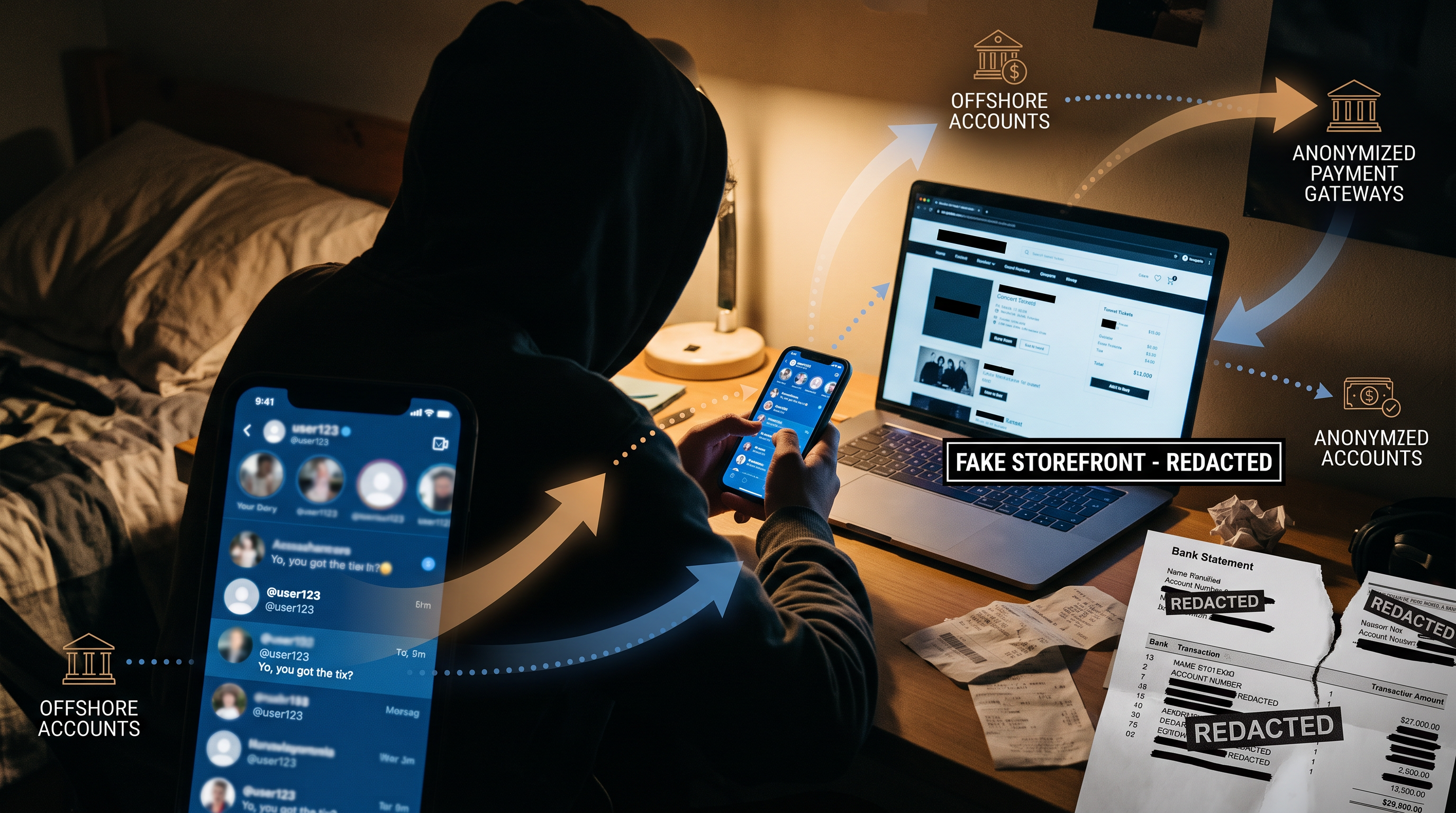
One of the most technically sophisticated tactics involves ad cloaking, where fraudsters show platform reviewers a legitimate-looking ad while showing real users something entirely different. The ad then drives traffic to a landing page designed to steal personal information or push victims toward gift card purchases, wire transfers, or cryptocurrency payments. According to cybersecurity experts quoted by the Times of India, these off-platform phishing flows are becoming increasingly common and are specifically engineered to move victims away from the social platform before asking for money.
The Typical Victim Flow: From Ad to Empty Bank Account
Here is how a typical attack plays out from start to finish. A victim sees a sponsored post featuring what appears to be a well-known actor or musician talking about a limited-time investment opportunity. The ad looks professional. It links to a website that mirrors a legitimate financial platform. The victim creates an account, makes an initial deposit, and even sees fake profits to build confidence. When they try to withdraw, they are told to pay a fee. That fee leads to another fee. Then the site disappears entirely.
- Payment methods targeted: cryptocurrency wallets, wire transfers, gift cards, and peer-to-peer payment apps
- Average loss per victim varies widely, but individual cases routinely reach tens of thousands of dollars
- Victims often feel shame and do not report losses, meaning the true scale is likely even larger than the $600M estimate
Platform Moderation Gaps Are Fueling the Problem
One of the most uncomfortable truths in the Spikerz report is the role that social media platforms themselves play in allowing these scams to thrive. Paid advertising systems are being abused to amplify fraudulent content. Ad review processes that rely on automated screening can be gamed by cloaking techniques. And when a fake account or deepfake video is finally removed, the same campaign can relaunch under a new account within hours.
Industry observers and the report both call for cross-platform enforcement standards, faster response times to impersonation reports, and stronger advertiser accountability. The current patchwork of moderation policies is simply not keeping up with the speed and sophistication of AI-powered fraud.
How to Protect Yourself From Celebrity Deepfake Scams
The good news is that there are practical steps you can take right now to avoid becoming a victim of these social media attacks.
- Verify before you trust: Always navigate directly to a celebrity’s official website or verified social media profile independently. Do not click links from sponsored posts or DMs.
- Watch for payment red flags: No legitimate investment opportunity or giveaway will ask you to pay via gift card, wire transfer, or crypto. That is always a scam, full stop.
- Look for inconsistencies in videos: Deepfakes often have subtle flaws around the mouth, eyes, or hairline. Look closely, especially if the content is financial in nature.
- Report impersonation immediately: Every major platform has an impersonation reporting tool. Use it. Your report could protect thousands of other people from the same scam.
- Enable two-factor authentication: If you follow celebrities who could be targeted, make sure your own account is secure. Scammers sometimes compromise fan accounts to use as distribution channels.
- Search the claim independently: If a celebrity is supposedly endorsing a product, a 30-second Google search will usually reveal whether the endorsement is real or fabricated.
What the Industry Needs to Do Next
The Spikerz report is a wake-up call, not just for celebrities and their management teams, but for platform companies, advertisers, and regulators. The combination of AI-generated content, paid distribution infrastructure, and global reach has created a fraud ecosystem that is growing faster than current defenses can handle.
Talent agencies and PR teams are increasingly investing in social media monitoring tools to detect impersonation early. Cybersecurity firms are building detection models specifically trained to flag synthetic media in advertising. But without stronger platform-level enforcement and advertiser accountability, the $600 million annual loss figure is likely to keep climbing.
Frequently Asked Questions
What is the Spikerz report about?
The Spikerz report is a cybersecurity analysis estimating that Hollywood loses approximately $600 million annually to social media attacks. These include deepfake endorsement scams, account takeovers, and celebrity impersonation campaigns that target fans and followers for financial theft.
How do deepfake celebrity scams work?
Fraudsters use AI video and voice synthesis tools to create convincing fake clips of celebrities endorsing products or investments. These clips are promoted through paid social media ads and drive victims to phishing sites where they are pressured into sending money via crypto, wire transfer, or gift cards.
How can I tell if a celebrity endorsement is fake?
Always verify endorsements by checking the celebrity’s official website and known social media accounts directly. Look for visual inconsistencies in video content around the face and lips. Search for the product or offer independently online. If any payment is involved, treat it as a red flag and stop immediately.
What should I do if I spot a celebrity impersonation scam?
Report the account or ad using the platform’s built-in reporting tools. You can also report financial fraud to the FTC at reportfraud.ftc.gov. If you have already sent money, contact your bank or payment provider as quickly as possible to attempt a reversal.
Why are social media platforms struggling to stop these scams?
Fraudsters use ad cloaking to show platform reviewers legitimate content while showing real users the scam. Fake accounts can be relaunched quickly after removal. And the sheer volume of content uploaded daily makes consistent human review impossible. Experts are calling for stronger cross-platform enforcement policies and improved AI detection tools to close these gaps.