In June 2024, reports emerged of a shocking scam in Argentina: a woman was conned out of $13,000 after believing she was in contact with George Clooney. The scammers used AI-powered deepfake videos and social engineering to convince her. As deepfake technology becomes more commonplace, here’s how to spot and avoid falling for similar celebrity impersonation schemes.
How Did the George Clooney Deepfake Scam Work?
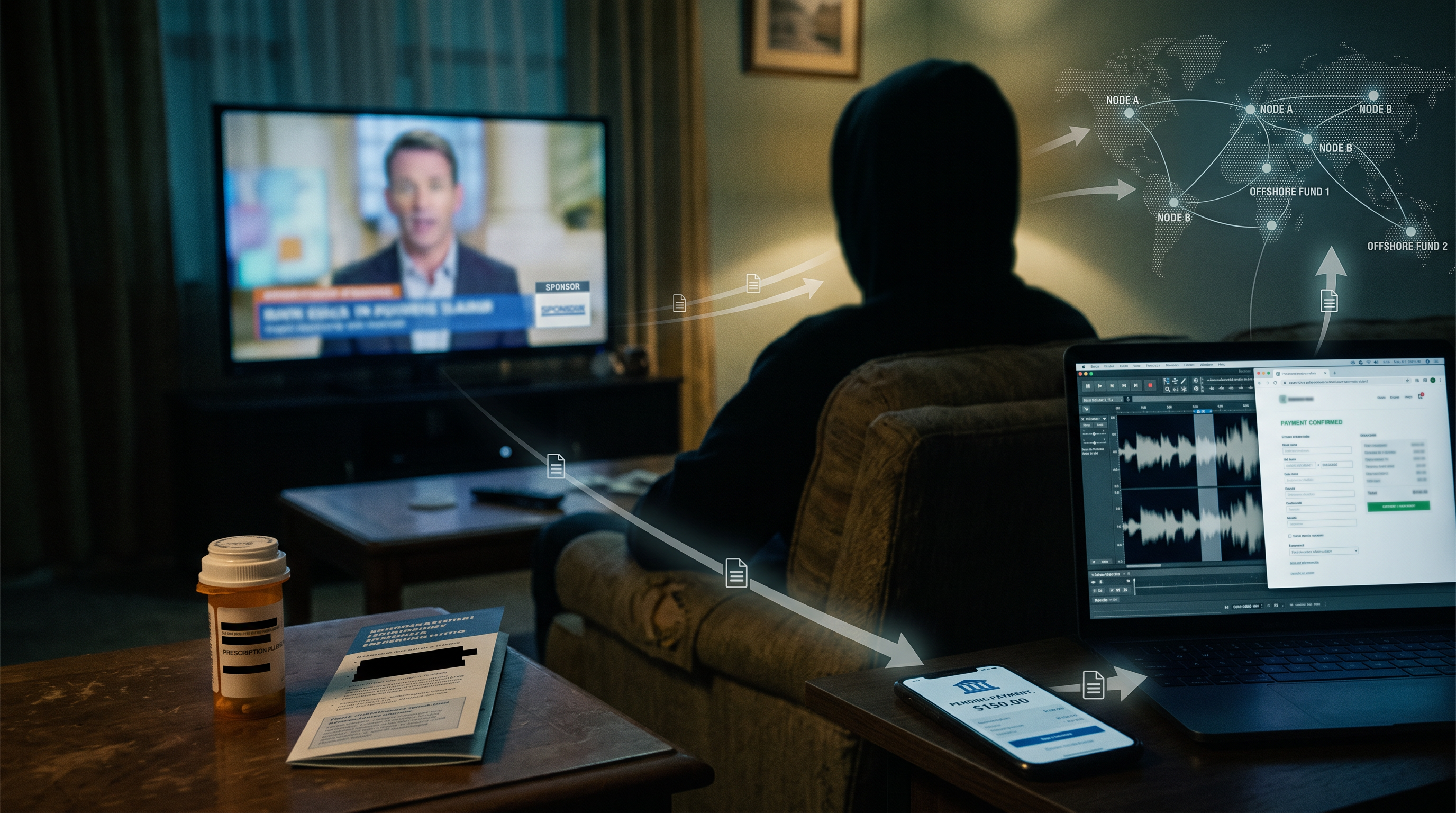
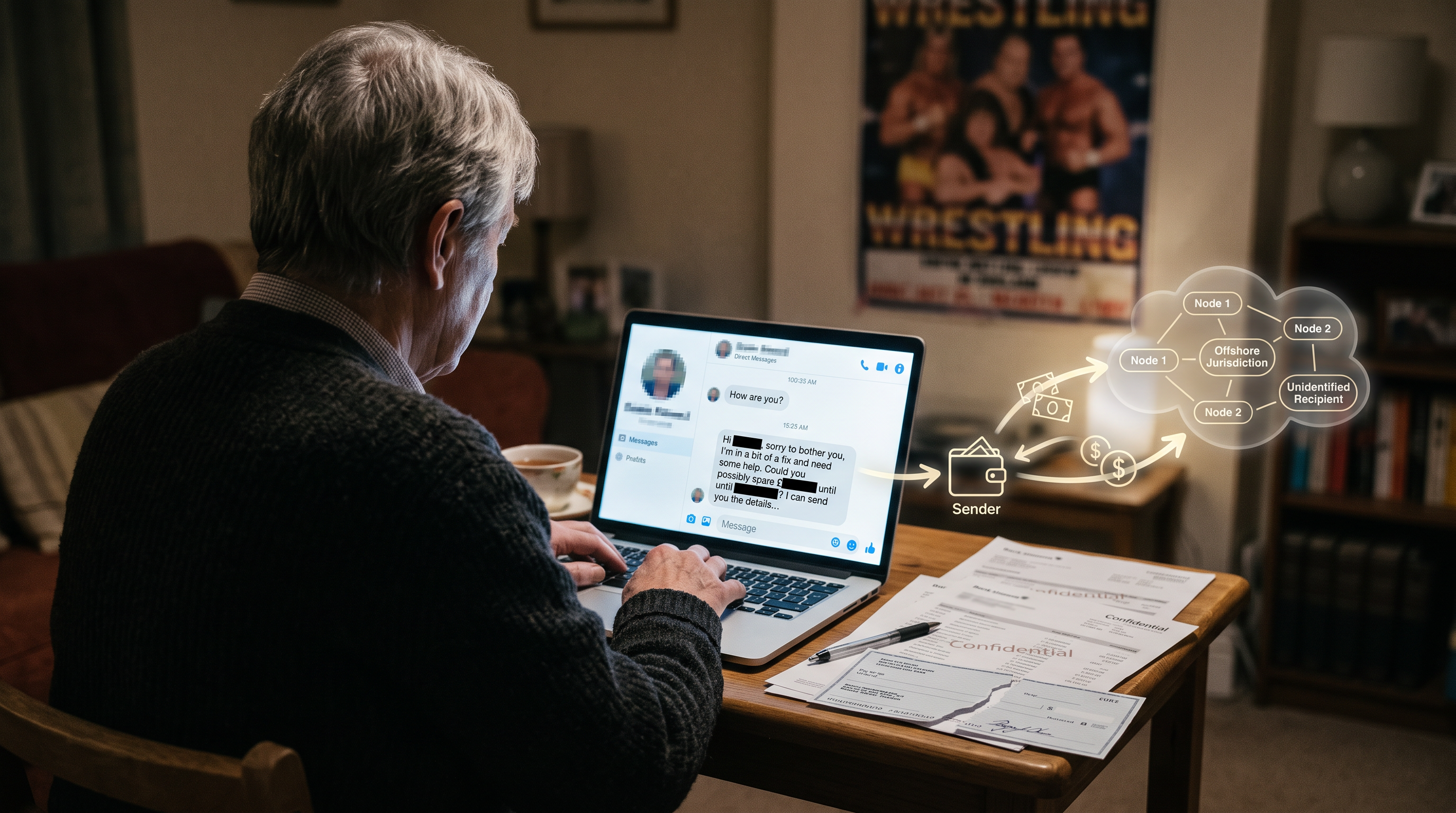
Scammers created a fake social media profile using George Clooney’s pictures and publicly-available videos. By leveraging AI deepfake tools, they produced convincing video messages and voice notes supposedly from the actor, building trust with the victim over time. Eventually, they claimed Clooney needed urgent financial help for a divorce and promised rewards in return.
- The woman transferred $13,000 through prepaid cards.
- The scam lasted for weeks and included personal video messages.
- She only realized it was a scam after losing her savings.
Why Are Deepfake Celebrity Scams So Dangerous?
Artificial intelligence has made it easy and cheap for criminals to create highly realistic fake videos and audio. With just a few minutes of publicly-available footage, scammers can impersonate celebrities and make messages that sound and look convincing.
These scams create an emotional, urgent scenario—often promising love, money, jobs, or access to exclusive events. Victims can be anyone, regardless of digital literacy.
Red Flags and Warning Signs
- Unsolicited messages from celebrities or verified accounts.
- Requests for secrecy or urgency in sending money, gift cards, or cryptocurrency.
- Personalized videos or audio clips that seem too good to be true.
- Reluctance to meet in person or video chat live, preferring prerecorded interactions.
How to Protect Yourself from Deepfake Scams
- Stay skeptical: Celebrity outreach is almost always a scam. Real celebrities do not contact fans for personal help or money.
- Verify profiles: Only trust official, verified accounts with the blue checkmark – and double-check through official websites.
- Reverse image search: Use free tools to check if profile images or messages are stolen from other sources.
- Demand live interaction: Ask the person to do something in a live video (hold up today’s newspaper, answer a non-public question, etc.).
- Do not send money: Never pay or provide payment info to strangers online, regardless of who they claim to be.
- Report and block: Report suspicious accounts to the platform and warn friends or family who may be at risk.
What to Do If You’ve Been Targeted
- Stop all contact with the scammer.
- Document all evidence (messages, videos, payment records).
- Report to your payment provider, local police, and cybercrime authorities.
- Warn others in your community, especially on relevant social media groups or pages.
Conclusion
As AI-driven scams become more sophisticated, vigilance is crucial. No matter how authentic a message looks or sounds, always question unexpected online interactions—especially those involving money. Share this article to help protect others from falling victim to deepfake scams.