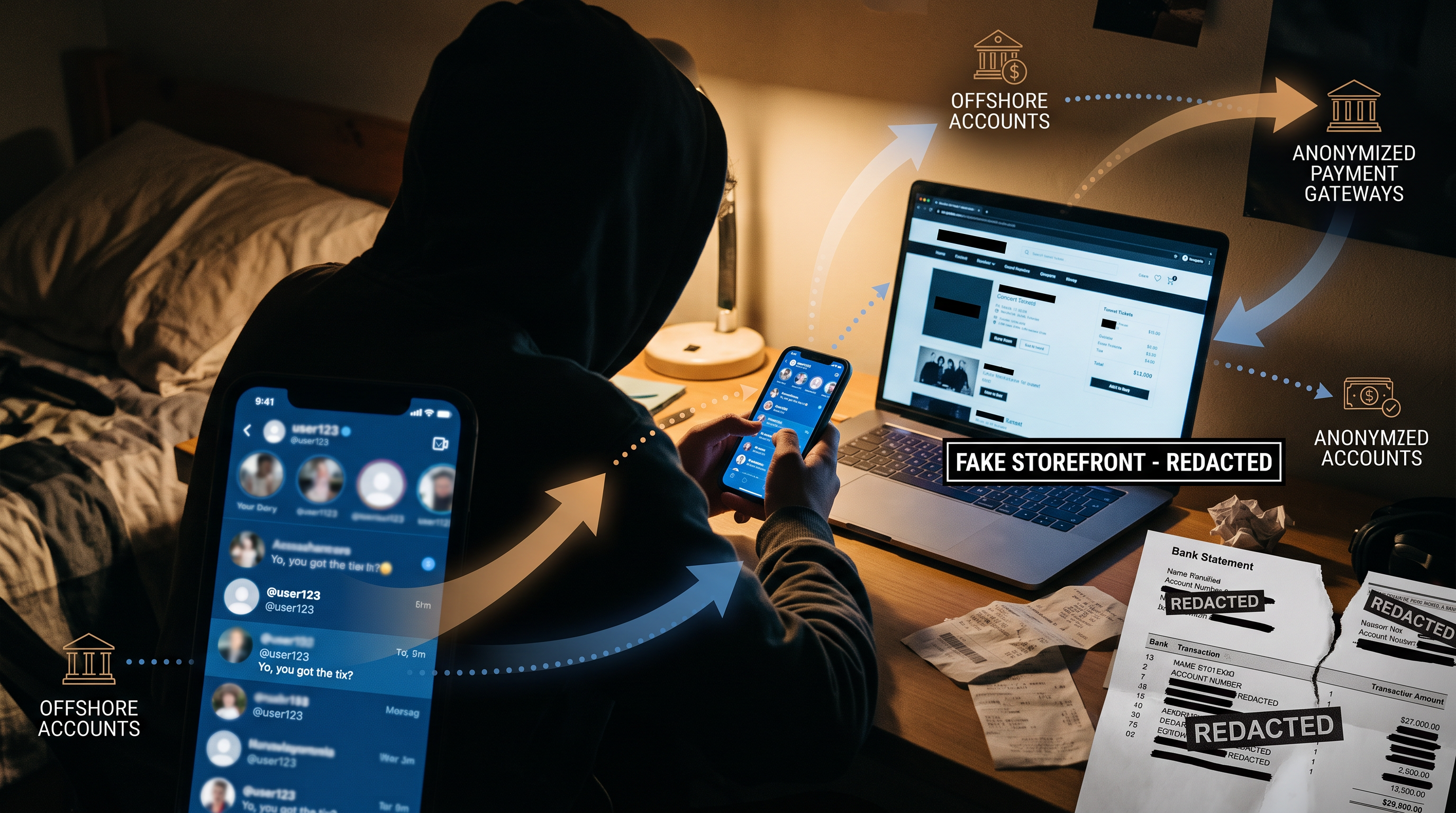
Imagine waking up to discover $420,000 is simply gone. That is the painful reality musician G. Love, born Garrett Dutton, is now facing after falling victim to a sophisticated cryptocurrency scam that has sent shockwaves through both the music and tech communities. This is not just a story about one artist’s loss — it is a warning sign for every single person who owns a crypto wallet or has ever clicked on an investment link online.
What Happened to G Love in the Crypto Scam?
According to reporting by Parade, G. Love was targeted through a carefully orchestrated social engineering campaign tied to cryptocurrency investment pitches and fake wallet interactions. The scammers drew him toward fraudulent platforms and convinced him to approve transactions that, once confirmed on the blockchain, were completely irreversible.
That last part is critical. Unlike a credit card charge you can dispute or a bank wire you might be able to claw back, a confirmed crypto transaction is final. The moment he approved those wallet interactions, the funds were gone. No customer service line. No chargeback. No safety net.
How Social Engineering Makes Even Smart People Vulnerable
Social engineering is the art of manipulating people into making decisions that feel completely rational in the moment. Scammers targeting crypto holders do not need to hack your wallet — they just need to hack your trust. They impersonate credible figures, create urgency, and walk victims step by step through a process designed to look completely legitimate.
In cases like the G Love cryptocurrency scam, victims are often shown convincing dashboards, fake portfolio gains, and professional-looking websites. By the time the victim realizes something is wrong, the funds have already passed through multiple wallets and mixers, making tracing nearly impossible.
The Rise of Celebrity-Targeted Crypto Fraud
High-profile cases like this one are becoming alarmingly common. Fraudsters increasingly target celebrities and public figures because the payoff is bigger and because their names can then be weaponized to recruit more victims through fake endorsements and deepfake videos.
A recent consumer advocacy report highlighted how celebrity impersonator scams are surging, with AI-generated content and deepfakes making it harder than ever to tell the real from the fake. Scammers clone voices, replicate faces, and build entire fake social media presences to create an illusion of legitimacy.
Deepfakes and AI Are Supercharging Identity Fraud
The technology enabling these scams has advanced at a frightening pace. Artificial intelligence tools can now generate realistic video and audio of real people in minutes, meaning a scammer can produce a fake video of a celebrity endorsing a crypto project without that person ever knowing it exists.
- AI voice cloning can replicate a person’s speech patterns from just a few minutes of audio
- Deepfake video tools are accessible and cheap, even for low-level fraudsters
- Fake social media ads using celebrity likenesses run across major platforms daily
- Victims are far less likely to question an opportunity when a trusted face is attached to it
This is not science fiction. These tools are being used right now, targeting everyday people and high-profile individuals alike.
Why Recovering Stolen Crypto Is Almost Impossible
One of the cruelest aspects of the G Love crypto fraud case is the near-zero chance of recovering those funds. When someone steals your car, there are license plates, security cameras, and law enforcement procedures designed to track it down. Crypto theft operates in a completely different world.
Once stolen funds are moved through mixers and tumbler services, the trail becomes nearly impossible to follow. Blockchain forensic firms exist and can sometimes trace movements, but by the time law enforcement gets involved, the funds are typically long gone across international borders and multiple wallet addresses.
What Victims Should Do Immediately
If you suspect you have been targeted by a crypto scam, speed matters enormously. Here is what you need to do right away:
- Contact any exchanges where the stolen funds may have passed — some can flag or freeze suspicious wallets
- Preserve every piece of evidence including transaction IDs, wallet addresses, screenshots, and communications
- File a report with local law enforcement and document the case number
- Submit a complaint to the FTC’s impersonation scam reporting portal
- Consider hiring a blockchain forensic firm, though recovery rates remain very low
- Revoke any wallet approvals you granted on connected platforms immediately
How to Protect Yourself From Crypto Investment Scams
Prevention is the only reliable defense. Once those funds move, you are fighting an uphill battle. The best thing you can do is build habits that make it nearly impossible for scammers to get a foothold in the first place.
Operational Security Tips Every Crypto User Needs
- Never approve wallet connection prompts from unverified or unsolicited links
- Store private keys and seed phrases completely offline, ideally in a fireproof safe
- Use a hardware wallet for any significant crypto holdings
- Always verify investment platforms through independent, official channels before interacting
- Treat any unsolicited investment opportunity with extreme skepticism, no matter who appears to be promoting it
- Enable two-factor authentication on every account tied to your finances
- Regularly audit which apps and sites have wallet permissions and revoke anything you do not actively use
None of these steps are complicated. But most people skip them because the threat feels distant, right up until it is not.
The Bigger Picture: Crypto Fraud Is a Growing Crisis
The G Love $420K loss is a headline today, but it represents a pattern that affects thousands of ordinary people every single week. Cryptocurrency’s speed and irreversibility make it the ideal tool for modern fraud. Regulators are playing catch-up, platforms are scrambling to moderate AI-generated scam content, and victims are largely left to navigate the aftermath on their own.
High-profile cases like this one serve a purpose. They pull back the curtain on just how sophisticated and predatory these operations have become. If a well-known, presumably financially savvy artist can lose $420,000 to a crypto scam, the average person needs to take this threat very seriously.
Final Thoughts
The G Love cryptocurrency scam is a sobering reminder that nobody is immune to fraud when criminals invest the time to build a convincing trap. The combination of social engineering, fake platforms, and irreversible blockchain transactions creates the perfect storm for financial theft. Your best protection is education, skepticism, and strong operational security habits applied every single time you interact with anything crypto-related online.
If you found this article helpful, share it with someone you know who holds crypto. Awareness is the first line of defense, and it costs nothing to pass along.
Frequently Asked Questions
How did G Love lose $420,000 in a crypto scam?
G. Love, also known as Garrett Dutton, was targeted through a social engineering scheme involving fake cryptocurrency investment pitches and fraudulent wallet interactions. He was manipulated into approving transactions that were irreversible on the blockchain, resulting in a loss of approximately $420,000.
Can you recover money lost in a cryptocurrency scam?
Recovery is extremely difficult and rare. Once funds are moved through multiple wallets and crypto mixers, tracing them becomes nearly impossible. Victims should immediately contact exchanges, file reports with the FTC and law enforcement, and consider blockchain forensic firms, though success rates remain very low.
How do celebrity crypto scams work?
Fraudsters use deepfake videos, cloned social media profiles, and AI-generated endorsements to make fake investment platforms appear legitimate. They attach well-known faces to their schemes to bypass skepticism and lure both fans and targets into approving fraudulent transactions.
What should I do if I accidentally approved a suspicious wallet transaction?
Act immediately. Revoke wallet approvals through your wallet provider, contact any exchanges where funds may have moved, document all transaction IDs and screenshots, and report the incident to the FTC and your local law enforcement agency as quickly as possible.
How can I protect myself from crypto investment scams?
Use a hardware wallet for large holdings, store seed phrases offline, never click unsolicited investment links, verify all platforms through official channels independently, and always question any opportunity that promises fast or guaranteed returns, regardless of who appears to be promoting it.