Imagine getting a direct message from your favorite celebrity, offering you an exclusive investment opportunity. It looks real, sounds real, and feels real. But it is not real at all. AI imposter scams are exploding across social media, and the Federal Trade Commission is sounding the alarm louder than ever before.
What the FTC Is Warning About With AI Imposter Scams
The FTC recently published a consumer alert identifying imposter scams as the single top complaint category received by the agency. This is not a minor uptick. We are talking about a full-scale surge driven by generative AI tools that make it cheaper and easier than ever for bad actors to fool everyday people.
According to the FTC’s consumer alert, reported losses tied to imposter scams reached approximately 3.5 billion dollars in 2025 alone. Social media is a key driver of that number, with scammers using fake celebrity profiles and AI-generated content to reach millions of potential victims at scale.
The technology has simply made fraud too accessible. What once required a skilled team of hackers or graphic designers can now be done by a single bad actor with a laptop and a few AI tools.
How AI Celebrity Imposter Scams Actually Work
Understanding the playbook these scammers use is your first line of defense. These operations follow a surprisingly consistent pattern, and once you see it, you cannot unsee it.
Step One: Creating a Convincing Fake Identity
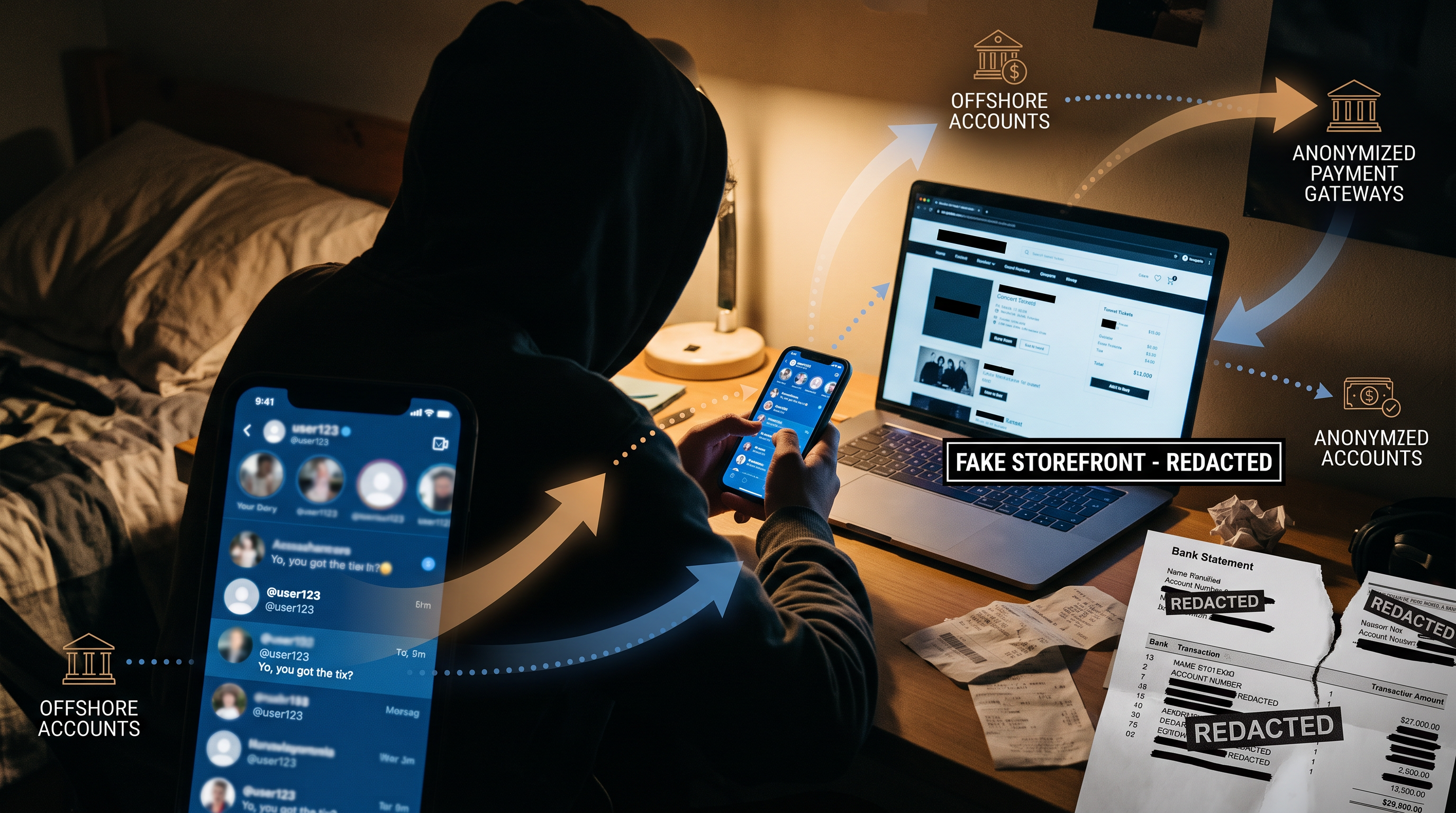
Scammers begin by building what researchers call an AI-generated persona kit. This includes cloned or lookalike social media accounts, deepfake audio clips, synthetic video, and stolen or AI-generated images designed to mimic a real celebrity or influencer. The accounts look legitimate at first glance, complete with follower counts inflated by bots and posts that mirror the real person’s content style.
Cases involving high-profile names like Taylor Swift have shown just how convincing these deepfake scams can get. Bitdefender’s research on deepfake scams using celebrity likenesses on TikTok found that these synthetic clips are often indistinguishable from authentic content to the untrained eye, which is exactly what makes them so dangerous.
Step Two: Reaching Victims Through Paid Ads and DMs
Here is where generative AI changes the game entirely. Scammers are not just relying on organic reach. They are pumping money into paid social media advertising to amplify their fake profiles and fraudulent content. That means a deepfake video of a celebrity endorsing a crypto investment can land in your feed the same way a legitimate ad would.
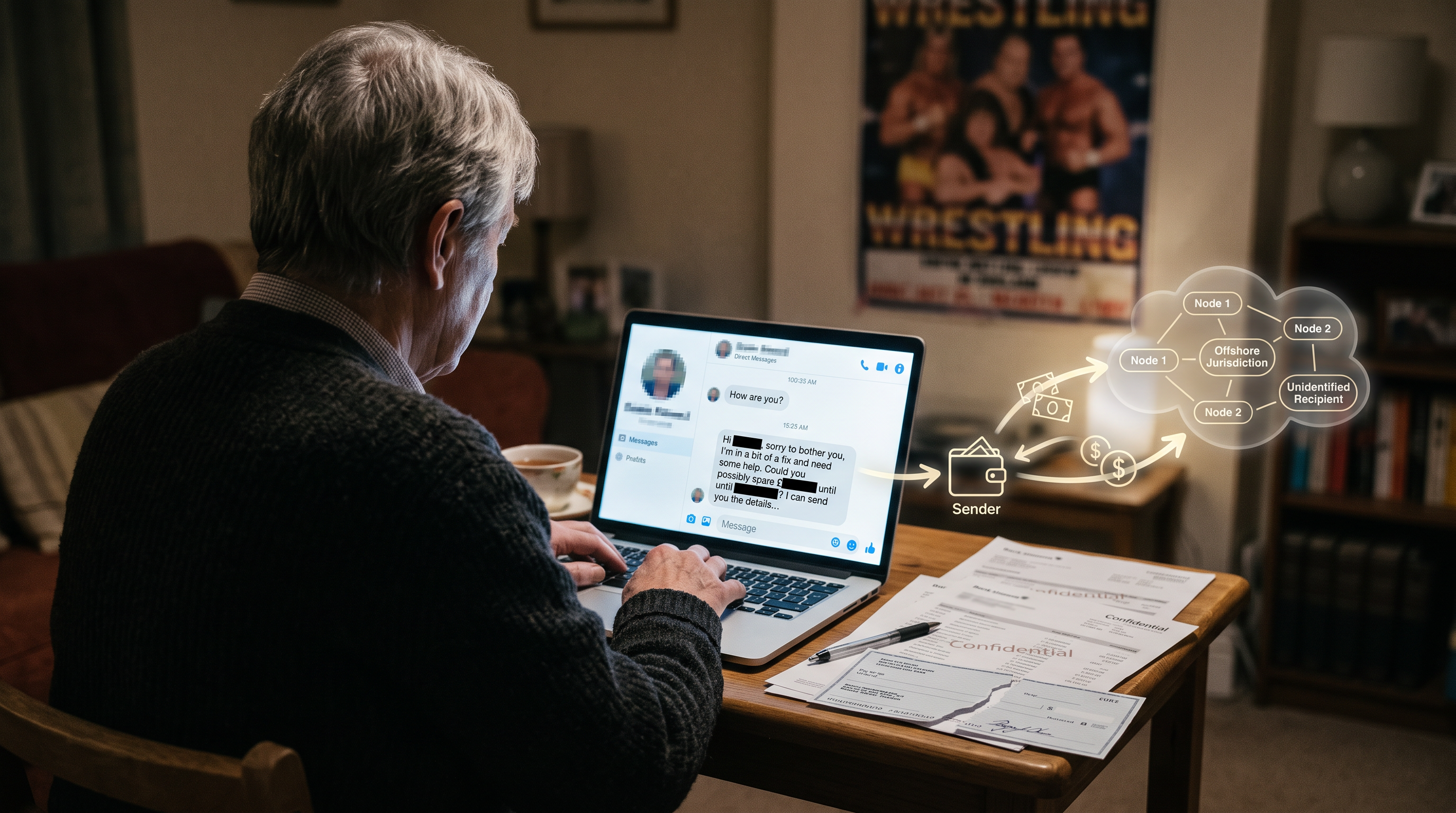
Once a target engages, the scammer moves quickly. They initiate contact through comments or direct messages, build a sense of personal connection, and then push to move the conversation off-platform to WhatsApp, Telegram, or email. This is a deliberate tactic to avoid platform detection and moderation.
Step Three: Extracting Money
After grooming the victim, the ask comes. Common payment methods include gift cards, wire transfers, and cryptocurrency because all three are difficult or impossible to reverse. Victims are often told the payment is for an exclusive opportunity, a charitable cause, or a fan experience. By the time they realize something is wrong, the money is gone.
Why AI Has Made Imposter Scams Far More Dangerous
Traditional imposter scams relied on blurry photos and bad grammar. Those days are over. Generative AI has dramatically lowered the cost and skill required to produce convincing fraud, which means the barrier to entry for scammers is nearly zero.
- Deepfake video and audio can now be produced in minutes using widely available tools.
- AI persona kits allow scammers to spin up entire fake identities with consistent backstories and content histories.
- Paid ad amplification gives fraudulent accounts instant reach to targeted demographics.
- Multi-jurisdictional operations make law enforcement response slow and complex.
The result is a scam ecosystem that scales faster than platforms can take it down. By the time a cluster of fake accounts is removed, a new batch is already live.
Who Is Being Targeted and How to Spot the Warning Signs
Anyone who follows celebrities or influencers online is a potential target. But scammers tend to focus on people who are highly engaged with fan communities, investment content, or giveaway culture. If you are actively commenting on celebrity posts or following finance influencers, your engagement signals are visible to bad actors.
Scamwatch, Australia’s national consumer fraud agency, has flagged a sharp rise in fake celebrity online investment scams, confirming this is a global problem rather than a U.S.-only trend. The warning signs are consistent across regions.
Red Flags to Watch For
- A celebrity or influencer contacts you out of nowhere via DM.
- The message promotes a financial opportunity or giveaway that requires you to send money first.
- You are asked to move the conversation to a private messaging app.
- Payment is requested via gift card, crypto, or wire transfer.
- The account was created recently or has slight variations in the handle compared to the verified account.
- The video or audio of the celebrity seems slightly off, with unnatural mouth movement or voice tone.
What to Do If You Are Targeted by an AI Imposter Scam
Speed matters when you are dealing with fraud. The faster you act, the better your chances of limiting the damage. Here is exactly what to do if you suspect you have encountered or fallen victim to one of these scams.
- Preserve all evidence immediately. Take screenshots of every message, post, and transaction ID before anything disappears.
- Report to the platform. Use the built-in reporting tools on the social network where the scam occurred. Platforms have escalated enforcement in response to regulatory pressure.
- Contact your bank or crypto exchange. If money has moved, call immediately. Some transfers can be frozen or reversed if you act within hours.
- File a complaint with the FTC. Go to ReportFraud.ftc.gov to submit your report. This data directly informs enforcement action.
- Alert your state attorney general. Many states have dedicated cybercrime or consumer fraud units that can assist.
What Regulators and Platforms Are Doing About It
The regulatory response is real but still catching up to the pace of AI-driven fraud. The FTC is pushing for faster platform takedowns, better synthetic media labeling, and stricter ad verification standards. Law enforcement agencies are pursuing multi-jurisdictional investigations, though recovering funds remains a major challenge.
Social media platforms have removed clusters of fraudulent accounts and are under increasing pressure to verify the authenticity of paid advertisements. Better tools for detecting AI-generated content are being developed, but experts are clear that the technology arms race between scammers and defenders is ongoing.
Consumer education remains one of the most effective weapons right now. The more people understand how these scams operate, the harder they are to execute at scale.
Conclusion: Stay Skeptical and Stay Safe
AI imposter scams are not slowing down. With 3.5 billion dollars in reported losses and generative AI making fraud cheaper every month, this problem is going to get worse before it gets better. Your best protection is a healthy dose of skepticism whenever a celebrity seems to be reaching out to you personally online.
If something feels off about a message, an account, or an investment opportunity tied to a famous face, trust that instinct. Verify accounts through official websites, never send money based on a social media DM, and report anything suspicious immediately.
Share this article with someone you know who might be vulnerable. The more awareness we build around AI celebrity imposter scams, the harder these criminals have to work to find their next victim.
Frequently Asked Questions About AI Imposter Scams
What is an AI imposter scam?
An AI imposter scam is a type of fraud where criminals use artificial intelligence tools like deepfake video, cloned audio, or synthetic persona kits to impersonate a real celebrity, influencer, or public figure. The goal is to deceive victims into sending money or personal information by making the fake identity seem completely authentic.
How can I tell if a celebrity account on social media is fake?
Check the account creation date, look for slight misspellings in the handle, and compare it to the verified blue-check account on the platform. Be suspicious of any account that contacts you first via DM, especially if the message involves money, a giveaway, or an investment opportunity. Verified celebrities do not reach out to random fans asking for payment.
What should I do if I already sent money to an AI imposter scam?
Act immediately. Contact your bank or cryptocurrency exchange to report the transaction and request a freeze or reversal. Take screenshots of all communications and file a report with the FTC at ReportFraud.ftc.gov. Also report the account to the social media platform where the scam occurred.
Why are AI imposter scams so hard to stop?
These scams operate across multiple countries, making law enforcement coordination slow and complex. Generative AI tools allow scammers to rapidly create new fake identities after old ones are removed. Paid ad systems on social platforms also give bad actors instant reach to new potential victims, making it easy to scale operations faster than takedowns can happen.
Are AI celebrity imposter scams only happening in the United States?
No. Regulators in Australia, the UK, and across Europe have all issued warnings about fake celebrity investment scams. These operations are global and often run by organized criminal networks that target victims in multiple countries simultaneously.