Imagine watching a live stream of Elon Musk telling you to deposit crypto into a trading platform that will double your money overnight. It looks real, sounds real, and even has a slick dashboard showing your balance growing by the second. The only problem? None of it is real, and victims across multiple countries just lost a combined $50 million finding that out the hard way.
What Was the Elon Musk Deepfake Crypto Scam?
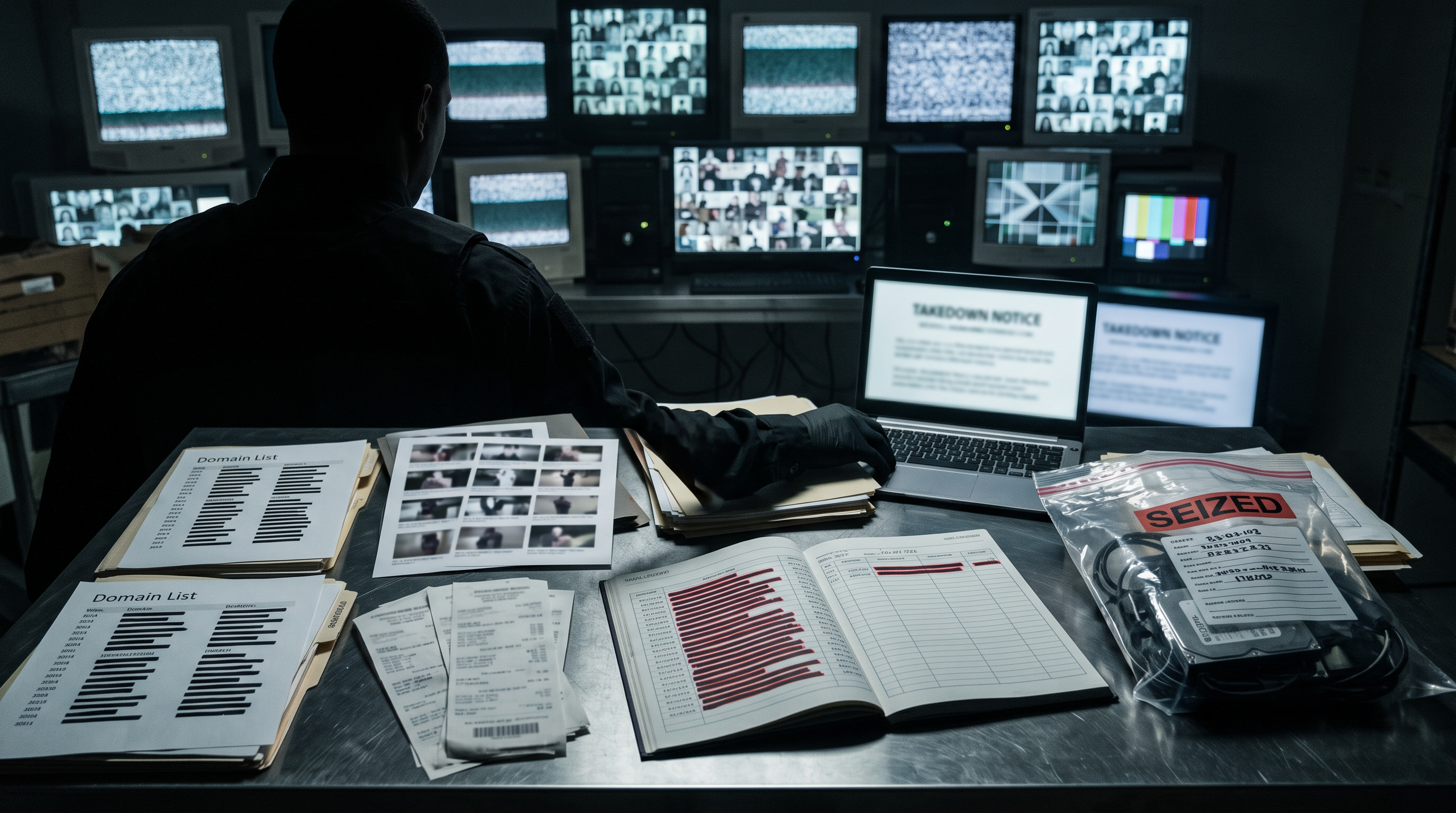
International law enforcement agencies, including Europol, recently dismantled a sophisticated criminal network that used AI-generated deepfake videos of Elon Musk to promote a fraudulent cryptocurrency trading platform. This was not a low-budget operation run from someone’s basement. This was an organized crime ring with infrastructure, paid advertising budgets, and professional-grade synthetic media tools.
The scammers produced fake live streams and short video clips featuring a convincing AI replica of Musk’s voice and likeness. These videos were then pushed through paid social media ads to millions of users, driving traffic to phishing landing pages and fake trading apps. Once a victim logged in, they saw fabricated dashboards showing impressive returns on their investment, returns that did not exist.
According to BBC News, the operation resulted in more than a dozen arrests and tens of millions of dollars seized during coordinated raids across multiple countries.
How the AI Deepfake Crypto Fraud Actually Worked
Understanding the mechanics of this scam is critical if you want to protect yourself from the next version of it. These criminals did not just slap together a blurry video and hope for the best. They ran a full-scale operation with multiple layers designed to extract as much money as possible from each victim.
Step 1: The Deepfake Video Hook
Using advanced AI tools, the ring created synthetic video and audio clips of Elon Musk promoting a fake crypto platform. The videos were polished enough to fool casual viewers, especially when served in a fast-scrolling social media feed. Some were formatted as live streams to create a false sense of urgency and legitimacy.
Step 2: Ad Cloaking to Bypass Moderation
Here is where things get technically sophisticated. The scammers used a technique called ad cloaking, which means they showed compliant, innocent-looking ads to platform moderation systems while serving fraudulent content to real users. This allowed them to run paid promotions on major social platforms without triggering automatic removal.
Step 3: Phishing Landing Pages and Fake Apps
Victims who clicked were taken to professional-looking websites and sometimes directed to download fake trading apps. These platforms showed fabricated account dashboards with growing balances, giving victims confidence that the system was working. In reality, no trades were ever executed.
Step 4: The Withdrawal Fee Trap
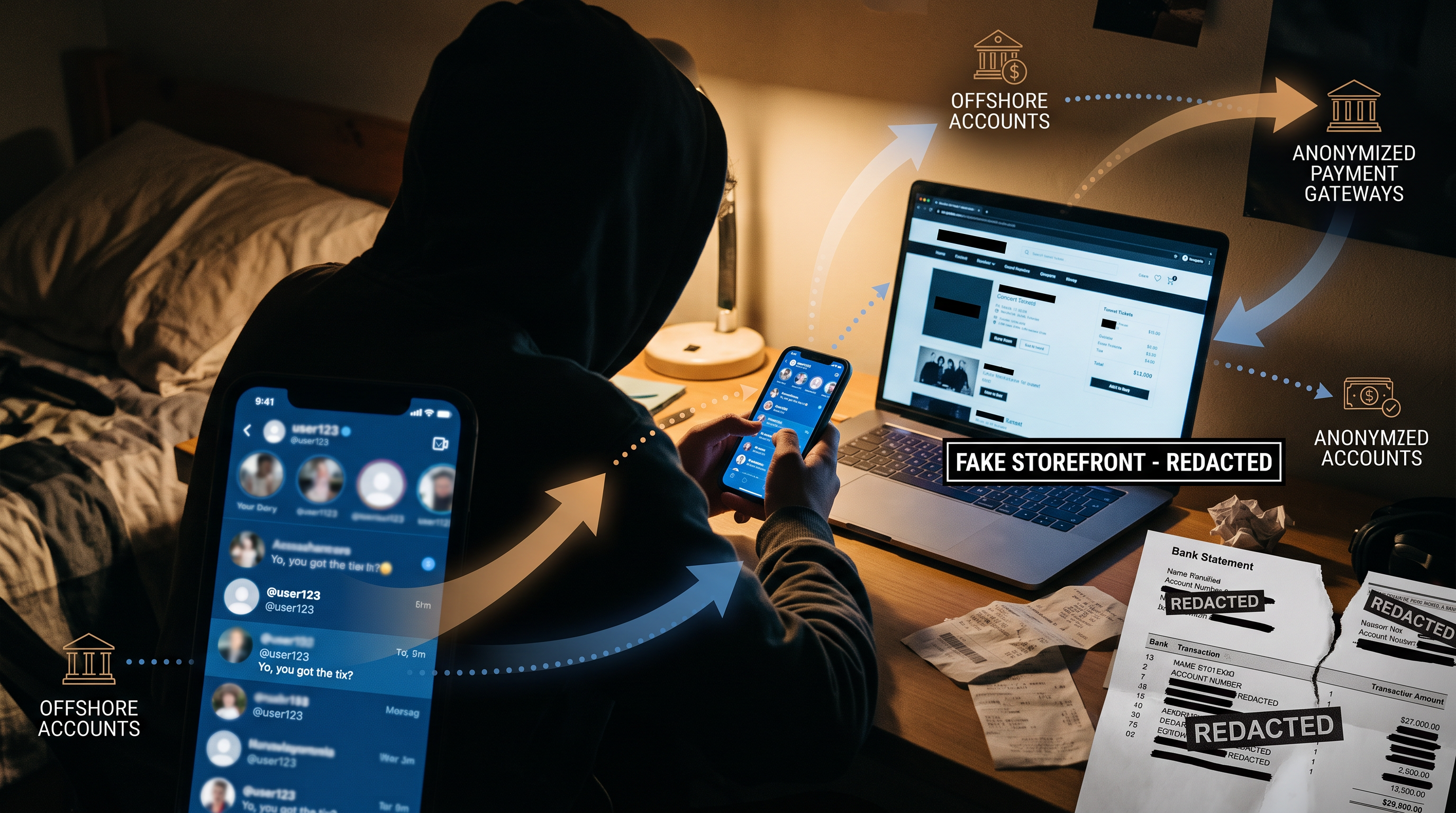
When victims tried to withdraw their supposed profits, they were told they first needed to pay a fee, usually in cryptocurrency. This is the moment the real theft happened. Once that payment was sent, it was layered through multiple crypto wallets and mixers to obscure the trail, making recovery nearly impossible.
Why Celebrity Deepfake Crypto Scams Are Surging
This is not an isolated incident. Elon Musk has been one of the most impersonated figures in online investment fraud for several years. But what has changed dramatically is the quality and accessibility of deepfake technology. What once required a Hollywood-level production budget can now be done with off-the-shelf AI software in a matter of hours.
According to the Federal Trade Commission, celebrity impersonation scams cost Americans hundreds of millions of dollars each year, and crypto is by far the most common payment method demanded. The irreversible nature of crypto transactions makes it the perfect vehicle for fraud.
There are a few key reasons these scams are so effective right now:
- AI tools are cheaper and more accessible than ever. Creating a convincing deepfake no longer requires specialized expertise.
- Social media platforms struggle to moderate at scale. Millions of ads are uploaded every day, and automated systems can be gamed.
- Crypto transactions are fast and irreversible. Once you send it, it is gone.
- Celebrity credibility transfers. People trust familiar faces, even when they appear in unusual contexts.
Red Flags That Scream Deepfake Crypto Scam
Knowing what to look for can save you from becoming the next victim. The AARP has noted that these scams often share the same warning signs regardless of which celebrity is being impersonated.
- Unsolicited investment ads featuring celebrities. No legitimate investment platform needs to cold-advertise through social media using a celebrity endorsement.
- Promises of guaranteed or unusually high returns. Real investments carry risk. Anyone promising otherwise is lying.
- Requests to pay fees before withdrawing profits. This is the single biggest red flag in crypto investment fraud.
- Pressure to act fast or miss out. Urgency is a manipulation tactic, not a feature of legitimate investing.
- No verifiable company registration or regulatory license. Legitimate investment platforms are registered and regulated.
What To Do If You Have Been Targeted
If you think you encountered one of these scams or already sent money, here is exactly what you need to do right now, in order:
- Stop sending money immediately. Do not pay any additional fees regardless of what you are told.
- Screenshot everything. Save all communications, transaction IDs, wallet addresses, and ad screenshots before anything disappears.
- Contact your crypto exchange. Some exchanges can flag or freeze associated wallets if you act quickly enough.
- Report the platform and ads directly to the social media platform where you saw them.
- File a report with your national fraud hotline. In the US, report to the FTC at reportfraud.ftc.gov. In the UK, contact Action Fraud.
- Never trust unsolicited follow-up contact from people claiming they can help you recover your funds. Recovery scams are a second wave of the same fraud.
What This Bust Means for AI Regulation and Ad Transparency
The coordinated international takedown of this deepfake crypto ring is a milestone, but it is also a warning shot. Law enforcement agencies are getting better at tracking crypto flows and coordinating across borders. However, the technology that powers these scams is advancing faster than the regulatory frameworks designed to contain it.
Expect to see increased pressure on social media platforms to implement stronger ad verification systems and on AI companies to build watermarking or detection tools into their products. The conversation around synthetic media disclosure laws is no longer theoretical. Cases like this one make it urgent.
For consumers, the takeaway is simple: the bar for what looks real has dropped so low that your eyes and ears can no longer be trusted as the final word. Verify everything through official channels before you hand over a single dollar.
Frequently Asked Questions About the Elon Musk Deepfake Crypto Scam
Was Elon Musk actually involved in this crypto scam?
No. Elon Musk had no involvement whatsoever. Criminals used AI deepfake technology to create unauthorized synthetic videos of his likeness and voice without his knowledge or consent. This story is entirely about criminals impersonating Musk, not any wrongdoing on his part.
How much money did the deepfake crypto ring steal from victims?
Reports from BBC, Reuters, and Europol indicate that victims lost approximately $50 million in total. Law enforcement seized tens of millions during the coordinated raids and made more than a dozen arrests across multiple countries.
How can I tell if a crypto investment video is a deepfake?
Look for unnatural blinking patterns, slight lip-sync delays, inconsistent lighting on the face versus the background, and audio that sounds slightly robotic or flat. However, the most reliable protection is to simply never trust any unsolicited investment promotion featuring a celebrity endorsement, regardless of how authentic it looks.
Can I get my money back if I was scammed by a deepfake crypto fraud?
Recovery is very difficult due to the irreversible nature of crypto transactions and the use of wallet mixers to obscure funds. Your best chance is to contact your exchange immediately, preserve all evidence, and report to law enforcement as quickly as possible. Be wary of anyone offering paid recovery services, as these are often a second scam targeting the same victims.
Where do I report a deepfake crypto scam?
In the United States, file a report with the FTC at reportfraud.ftc.gov and with the FBI’s Internet Crime Complaint Center at ic3.gov. In the UK, contact Action Fraud. You should also report the ad or content directly to the social media platform where you encountered it and notify your cryptocurrency exchange right away.