Imagine seeing a trusted doctor on your social media feed, urging you to try a miracle health supplement that promises to reverse disease and restore your vitality overnight. You recognize his face, his voice, his authority. You click, you pay, and then you realize it was never him at all. That is exactly what happened with the Drauzio Varella deepfake ad scam, and it is shaking the foundations of how we trust what we see online.
What Is the Drauzio Varella Deepfake Ad Scam?
Drauzio Varella is one of Brazil’s most beloved and respected physicians. He is a household name, a cancer researcher, and a public health advocate who has spent decades earning the trust of millions. Scammers knew exactly what they were doing when they chose him as their target.
Using advanced AI tools, fraudsters created convincing synthetic video and audio clips of Varella that made it appear he was personally endorsing health products and investment schemes. These were not low-quality fakes. They were polished, believable, and designed to exploit the credibility he had built over a lifetime of legitimate medical work.
The deepfake ads were then pushed through paid social media campaigns on platforms like Facebook and Instagram, reaching hundreds of millions of impressions before they could be stopped. Users who clicked were directed to fake landing pages that collected their personal information and, in many cases, signed them up for unauthorized recurring charges without their knowledge.
Why Meta Filed Lawsuits Against Advertisers in Brazil and China
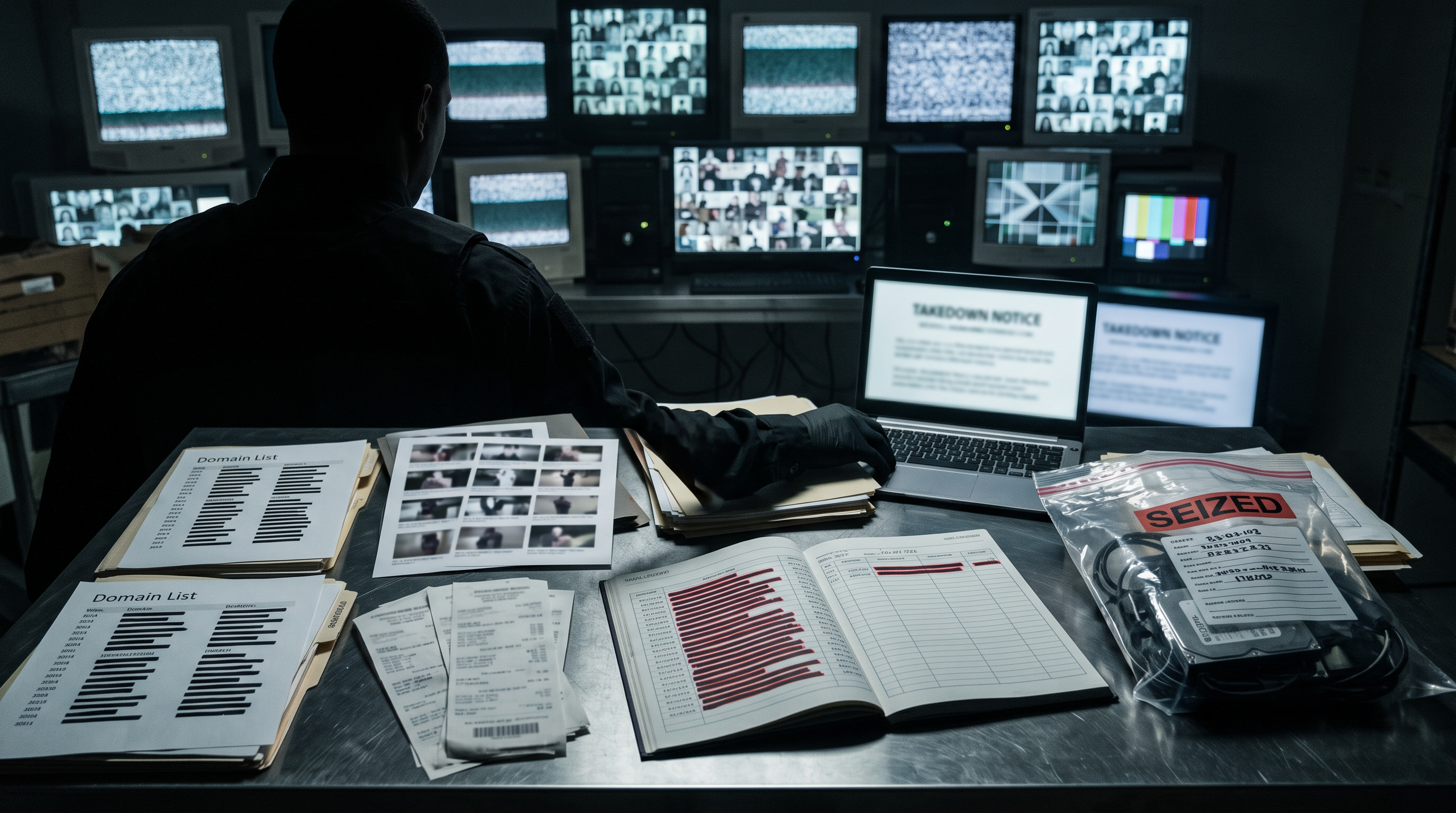
Meta has taken a significant step beyond simply removing these ads. The tech giant has filed lawsuits against the advertisers and operators behind these campaigns, targeting individuals and companies in both Brazil and China. According to reporting from The Straits Times, Meta alleges these defendants deliberately created and distributed AI-generated deepfakes of public figures to run fraudulent advertising campaigns at scale.
This move signals a major shift in platform strategy. For years, the standard response to scam ads was takedown and ban. Now, Meta is demanding legal accountability, setting a precedent that could reshape how platforms handle AI-driven fraud globally.
Ad Cloaking: The Trick That Made These Scams Harder to Catch
One of the most alarming tactics revealed in Meta’s complaint is ad cloaking. This is a technique where scammers show platform moderators a completely different version of the ad than what real users actually see. The version submitted for review looks clean and compliant. The version delivered to targets contains the deepfake content and the fraudulent pitch.
Ad cloaking is not new, but combining it with AI-generated video and voice synthesis takes the threat to an entirely different level. Automated moderation systems struggle to catch what they are never shown, and by the time human reviewers investigate, the campaign has already done its damage.
How Celebrity Deepfake Scams Work From Start to Finish
Understanding the full playbook of a celebrity deepfake scam helps you spot it before you fall victim. Here is how these operations typically run:
- Target selection: Scammers choose a trusted public figure, often a doctor, scientist, or financial expert, whose endorsement would feel credible and persuasive.
- Synthetic media creation: AI tools clone the person’s likeness and voice using publicly available footage. The resulting video looks and sounds authentic.
- Ad campaign launch: The deepfake is inserted into paid ads and pushed to targeted audiences using legitimate ad platforms, often buying thousands of impressions at low cost.
- Ad cloaking deployment: Scammers submit a clean version to moderators while serving the fraudulent version to real users, buying time before detection.
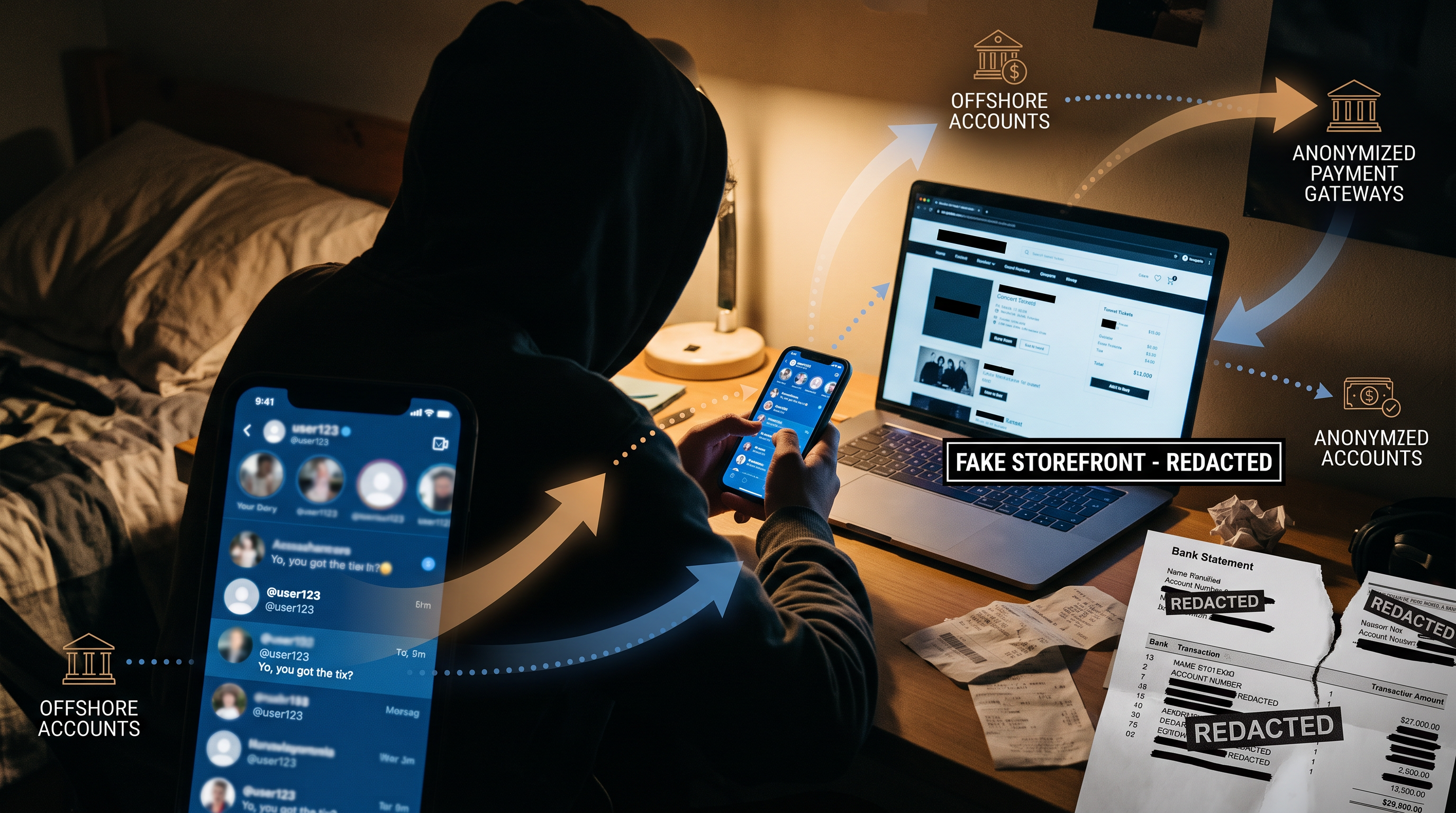
- Fake landing page harvest: Users who click land on professionally designed fake sites that collect payment details and personal data.
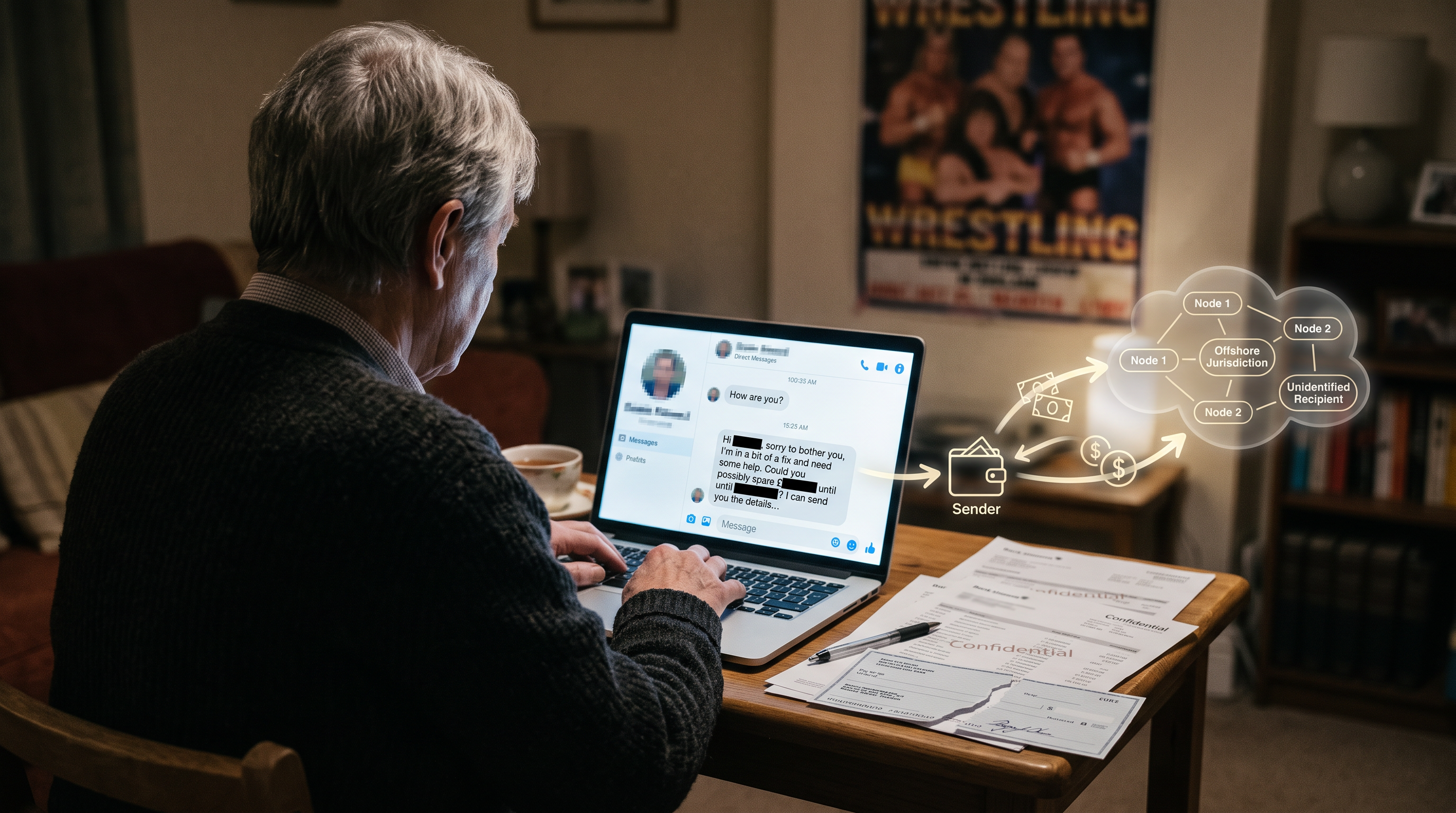
- Subscription traps and recurring charges: Victims are enrolled in recurring billing schemes without clear consent, with charges routed through cross-border payment processors that make refunds difficult.
The cross-border nature of these payment rails is deliberate. By routing money through multiple jurisdictions, operators make it extremely difficult for victims to recover funds or for law enforcement to trace the flow back to the source.
This Is Not Just a Brazilian Problem
The Drauzio Varella case is part of a global wave of celebrity deepfake fraud. In India, recent legislation and lawsuits have targeted similar schemes, as detailed in coverage by the National Law Review, where celebrities are increasingly turning to courts to protect their digital likenesses from unauthorized AI replication.
Chinese celebrities have also filed lawsuits over the use of their faces and voices in deepfake content. The pattern is consistent: bad actors identify trusted figures, replicate them with AI, monetize the fake through advertising, and disappear behind layers of corporate and geographic complexity.
What makes health-related deepfake scams particularly dangerous is that victims do not just lose money. They may also make real decisions about their health based on fabricated medical advice from someone they trust. That creates a dual harm that no refund can fully undo.
How to Protect Yourself From Celebrity Deepfake Scams
The technology behind these scams is advancing faster than most people realize. But there are practical steps you can take right now to protect yourself and the people you care about.
- Never purchase health products based on an unsolicited social media ad, no matter how credible the spokesperson looks or sounds.
- Verify any endorsement on official channels. Go directly to the celebrity’s verified website or verified social media profiles before trusting a claim.
- Screenshot and report suspicious ads. Use the reporting tools built into Facebook, Instagram, and other platforms. Every report helps improve detection.
- Check your bank statements regularly for unknown or recurring charges, especially after clicking any ad that led to a purchase or sign-up form.
- Dispute unauthorized payments immediately through your bank or card provider. Most institutions have fraud protection that can reverse charges if reported quickly.
- Report scams to regulators in your country. In the US, that means the FTC. In Brazil, PROCON. In the UK, Action Fraud. Reporting creates the paper trail that helps authorities build cases.
What Meta’s Legal Action Means for the Future of AI Fraud
Meta’s decision to sue rather than simply ban is a meaningful escalation. Litigation creates public records, forces defendants to respond, and can result in financial penalties that actually hurt bad actors rather than just inconveniencing them. It also puts the broader ad tech ecosystem on notice that platforms are willing to pursue legal remedies against those who abuse their systems.
For consumers, this is a reminder that the platforms themselves are not infallible gatekeepers. AI-generated fraud is evolving in real time, and no moderation system catches everything. Your own skepticism and verification habits are your first line of defense.
Conclusion: Trust Has to Be Earned in the Age of AI
The Drauzio Varella deepfake ad scam is a wake-up call. When a respected doctor’s face and voice can be replicated convincingly enough to fool millions of people, the rules of trust online have fundamentally changed. Meta’s lawsuits are a step in the right direction, but real protection comes from an informed public that knows how to question what it sees.
Stay skeptical. Verify before you buy. Report what looks suspicious. And share this article with someone who needs to know that what they see online may not be real.
Frequently Asked Questions
What is the Drauzio Varella deepfake scam?
The Drauzio Varella deepfake scam involved fraudsters using AI to clone the voice and likeness of the well-known Brazilian physician to create fake video ads promoting health products and investment schemes. These ads ran on platforms like Facebook and Instagram and directed users to fraudulent websites designed to steal money and personal data.
Why did Meta sue advertisers over the Drauzio Varella deepfake ads?
Meta filed lawsuits against the advertisers and operators behind these campaigns in Brazil and China because the fraudulent ads violated its policies and caused significant harm to users. Rather than relying solely on content removal, Meta chose litigation to pursue legal accountability and deter future abuse of its advertising platform.
What is ad cloaking and why is it dangerous?
Ad cloaking is a technique where scammers show platform reviewers a harmless version of an ad while delivering a fraudulent version to actual users. It is dangerous because it defeats automated and human moderation systems, allowing scam campaigns to run longer and reach more victims before being detected and removed.
How can I tell if a celebrity endorsement in an ad is a deepfake?
Look for unnatural lip syncing, unusual blinking patterns, or slight distortions around the face or hairline. More importantly, always verify any celebrity endorsement by visiting their official website or verified social media accounts directly. Legitimate endorsements are almost always announced through official channels, not just through a paid ad you happened to see.
What should I do if I was scammed by a deepfake health product ad?
Contact your bank or credit card company immediately to dispute the charges and request a refund. Screenshot any evidence of the ad and the website you visited. Report the scam to your national consumer protection agency and to the platform where you saw the ad. Acting quickly gives you the best chance of recovering your money and helps authorities track down the operators behind the scheme.