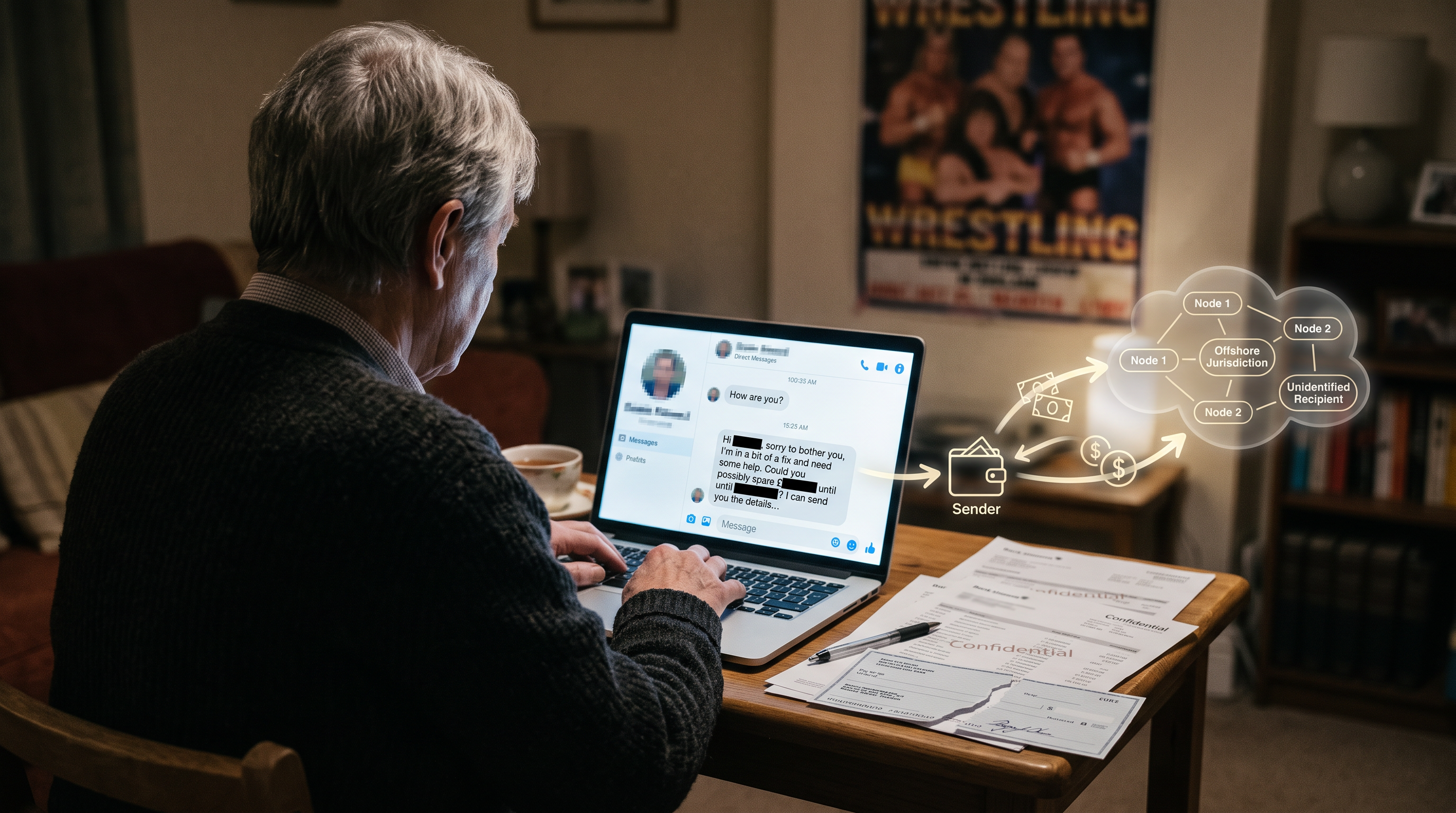
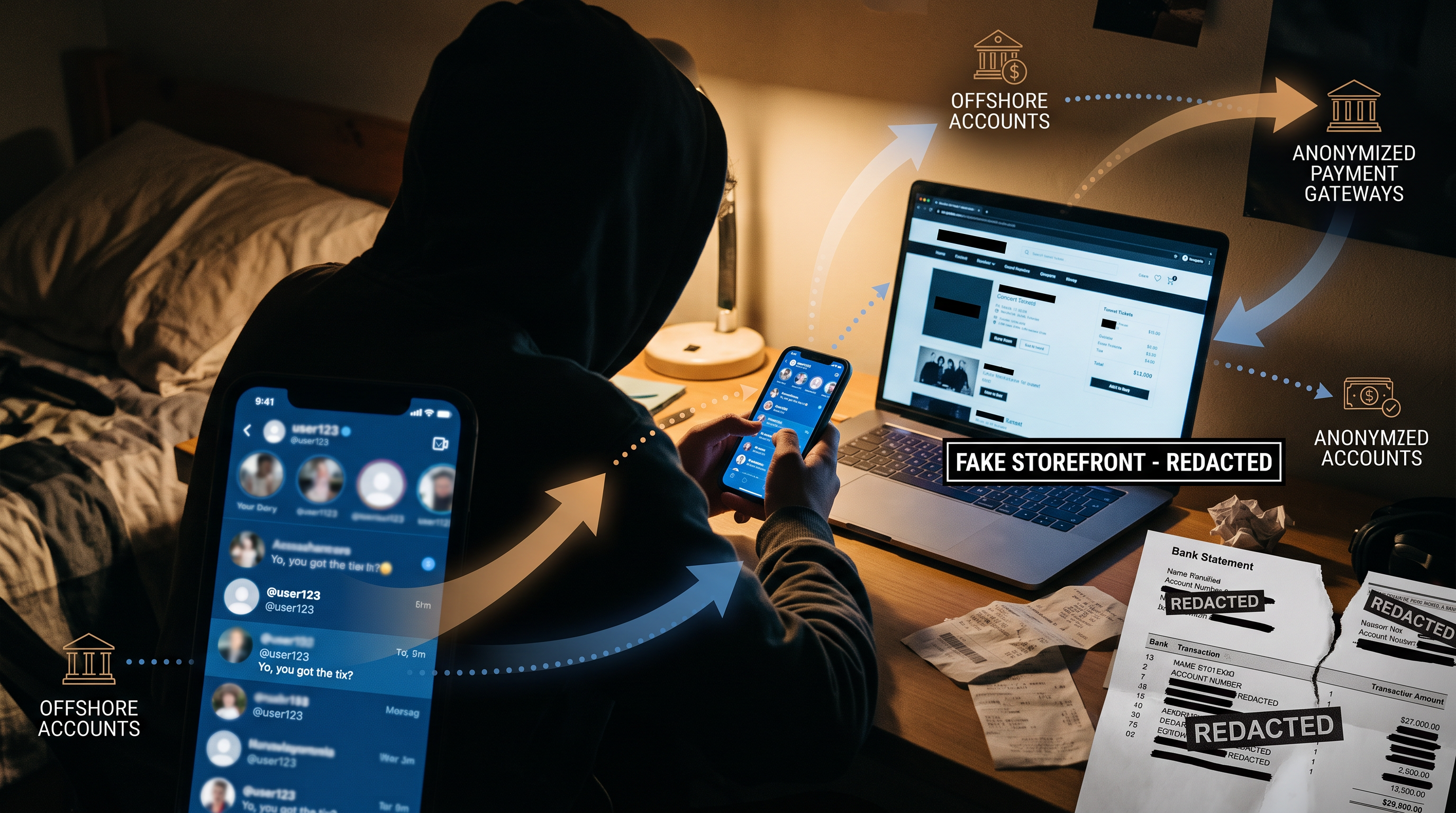
Deepfake celebrity scams are spreading rapidly worldwide, with attackers now leveraging AI-generated videos and audio to convincingly impersonate celebrities and defraud unsuspecting victims. Cybersecurity researchers have warned that these scams are becoming increasingly sophisticated and harder to detect, leading to financial losses and reputational damage for both victims and the impersonated celebrities.
How Deepfake Celebrity Scams Work
Scammers first collect audio and video of prominent celebrities, then use artificial intelligence tools to create highly realistic fake videos or clone voices. These deepfakes are shared on social media, often as ads or viral videos, typically promoting investment opportunities, fake giveaways, crypto schemes, or questionable products, all allegedly endorsed by the celebrity. Fake testimonials and social proof in the comments increase the scam’s credibility.
When users interact or share personal details on linked websites, scammers may steal money, credentials, or sensitive information. Many deepfake scam pages mimic real investment platforms and show simulated returns or rewards to encourage bigger deposits. Once money is sent, victims often find it impossible to get refunded, especially if payment is made by crypto or gift card.
Notable Victims and Case Studies
- Taylor Swift: AI-generated videos falsely showed Swift advertising cookware giveaways, which she never endorsed.
- Elon Musk: Musk’s voice and image have been cloned for numerous crypto investment scam ads across social media.
- British Celebrities: The BBC and OCCRP have reported dozens of UK public figures being used in fake ads targeting fans.
How to Spot Deepfake Scams
- Unnatural facial movements, blinking, or audio that’s slightly out of sync
- Lighting or shadows that look inconsistent with the background
- Extreme urgency or offers that sound too good to be true
- Requests for payment via untraceable methods (crypto, gift cards, wire transfer)
- URLs that look close to but aren’t identical to official celebrity or company sites
- Absence of the offer on the celebrity’s verified official channels
How to Protect Yourself
- Always verify the legitimacy of celebrity endorsements on official channels before clicking or paying.
- Take screenshots and save all correspondence if you suspect a scam.
- Report the fraudulent ad or website to the platform and appropriate authorities (FTC, bank, or local regulator).
- Warn friends and family so they can avoid similar traps.
Frequently Asked Questions
What is a deepfake celebrity scam?
It is a scam in which AI-generated videos or voices impersonate celebrities to promote fake offers or steal money.
Can I get my money back if I fall for a deepfake scam?
It is often difficult, especially if you paid via crypto or gift cards. Act fast and contact your bank or financial service immediately, then report to the authorities.
Are social media platforms doing enough?
Platforms remove reported scam ads, but rapid replacement and evolving technology make prevention challenging. Regulatory and technical solutions are still catching up.
Conclusion
With deepfake technology advancing quickly, vigilance and digital literacy are vital. Always cross-check offers and be wary of emotional manipulation or requests for urgent action.