Imagine scrolling through your social media feed and seeing your favorite celebrity urgently recommending a can’t-miss investment opportunity. The video looks real, the voice sounds right, and the platform looks polished and professional. But here’s the brutal truth: it’s a deepfake, and thousands of people are losing their life savings to it right now.
Deepfake celebrity investment ad scams have exploded into one of the most dangerous and fast-growing fraud trends of 2025. Backed by sophisticated technology, global ad networks, and organized criminal supply chains, these scams are fooling even savvy internet users. Understanding how they work is no longer optional. It’s essential.
What Are Deepfake Celebrity Investment Scams?
At their core, deepfake celebrity investment scams use AI-generated or manipulated video and audio clips of famous people to promote fake trading platforms, crypto schemes, and investment apps. The celebrity never actually endorsed anything. Scammers harvest real footage from interviews, award shows, or social media, then stitch it together with synthetic audio to create convincing fake ads.
These fabricated ads are then pushed through paid social media advertising, cloned verified-looking accounts, and fake news articles designed to look like legitimate press coverage. The goal is simple: manufacture trust fast enough that victims hand over money before they realize what’s happening.
According to an investigative report by the OCCRP, celebrities themselves have expressed anger and frustration over these unauthorized uses of their likeness, with many fans falling victim before the stars can even issue public warnings.
How the Deepfake Investment Scam Operation Works
This is not some amateur operation running out of a basement. These are industrial-scale fraud campaigns with clearly defined roles, infrastructure, and supply chains. Here is how the entire process unfolds from first contact to stolen funds.
Step 1: Creating the Fake Ad
Scammers pull real video and photo content of celebrities from public sources. Using widely available deepfake tools and voice synthesis software, they produce short clips that look and sound authentic. The resulting ad is professionally edited, sometimes featuring news-style graphics or fake on-screen tickers to boost credibility.
Step 2: Amplifying Through Ad Networks and Social Platforms
The fake ads are then distributed through paid advertising slots on major social platforms. Comment sections are flooded with bot accounts posting fake testimonials. Cloned accounts mimicking official celebrity profiles share the content organically. The algorithm does the rest, pushing high-engagement content to even more users.
Step 3: The Landing Page and Fake Dashboard
Victims who click are taken to slick phishing websites that look like legitimate investment platforms. Many of these sites include:
- Fake live trading dashboards showing impressive gains
- Fabricated account balances that grow in real time
- Simulated small returns to build confidence early on
- “Verified” security badges and regulatory logos
Step 4: The Personal Account Manager
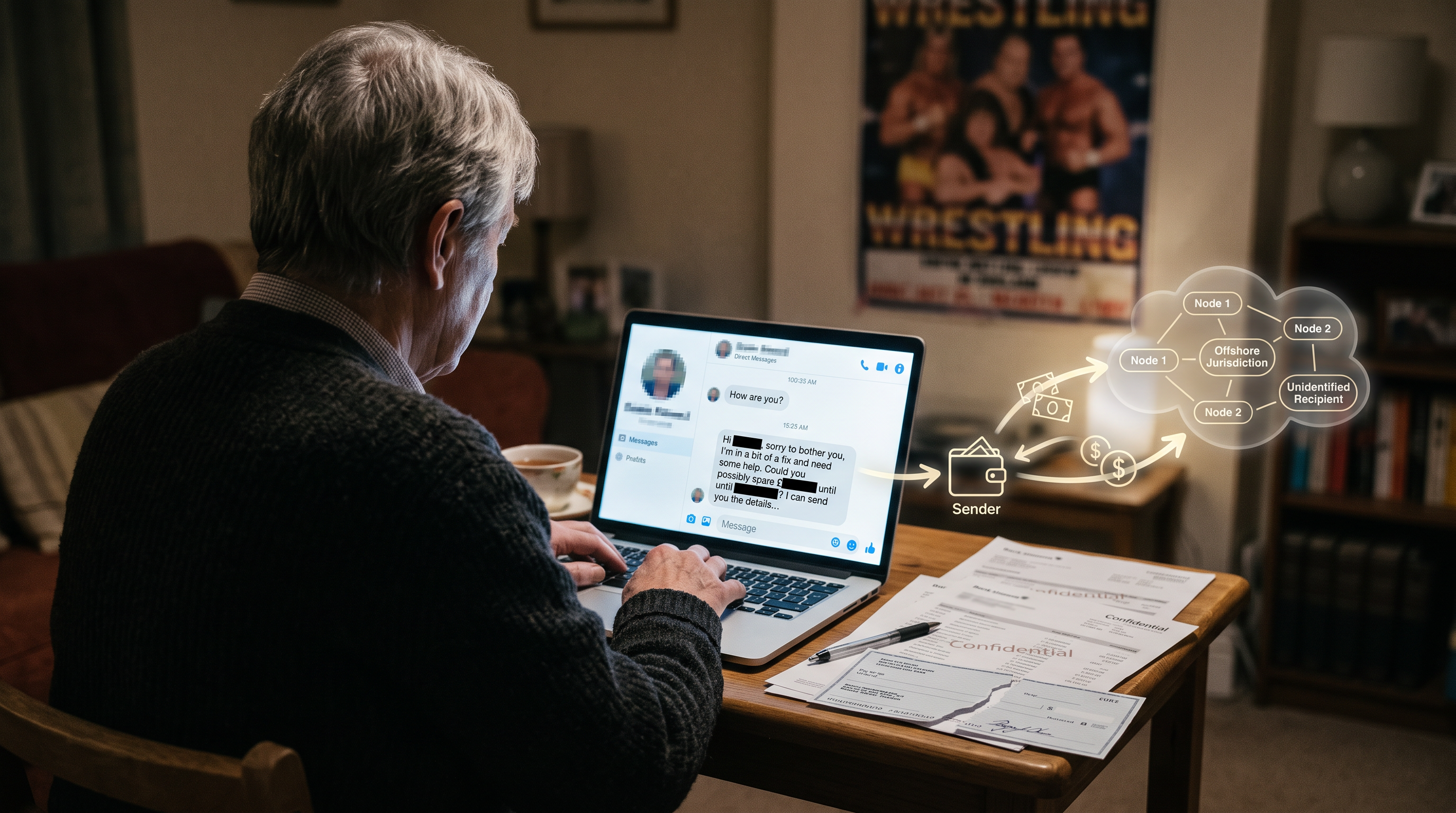
Once a victim creates an account, a dedicated scammer posing as a personal account manager reaches out. These individuals are trained in high-pressure sales tactics. They build rapport, encourage larger deposits, and eventually move the victim off the main platform to private messaging apps or proprietary trading apps where monitoring is nearly impossible.
Step 5: Withdrawal Blocks and Phantom Fees
When victims try to withdraw their supposed profits, they hit a wall. Suddenly there are taxes to pay, verification fees, compliance holds, or insurance deposits required before any funds are released. Every new fee is designed to extract more money while the victim still believes their investment is real. Spoiler: it was never real.
Step 6: Laundering the Money
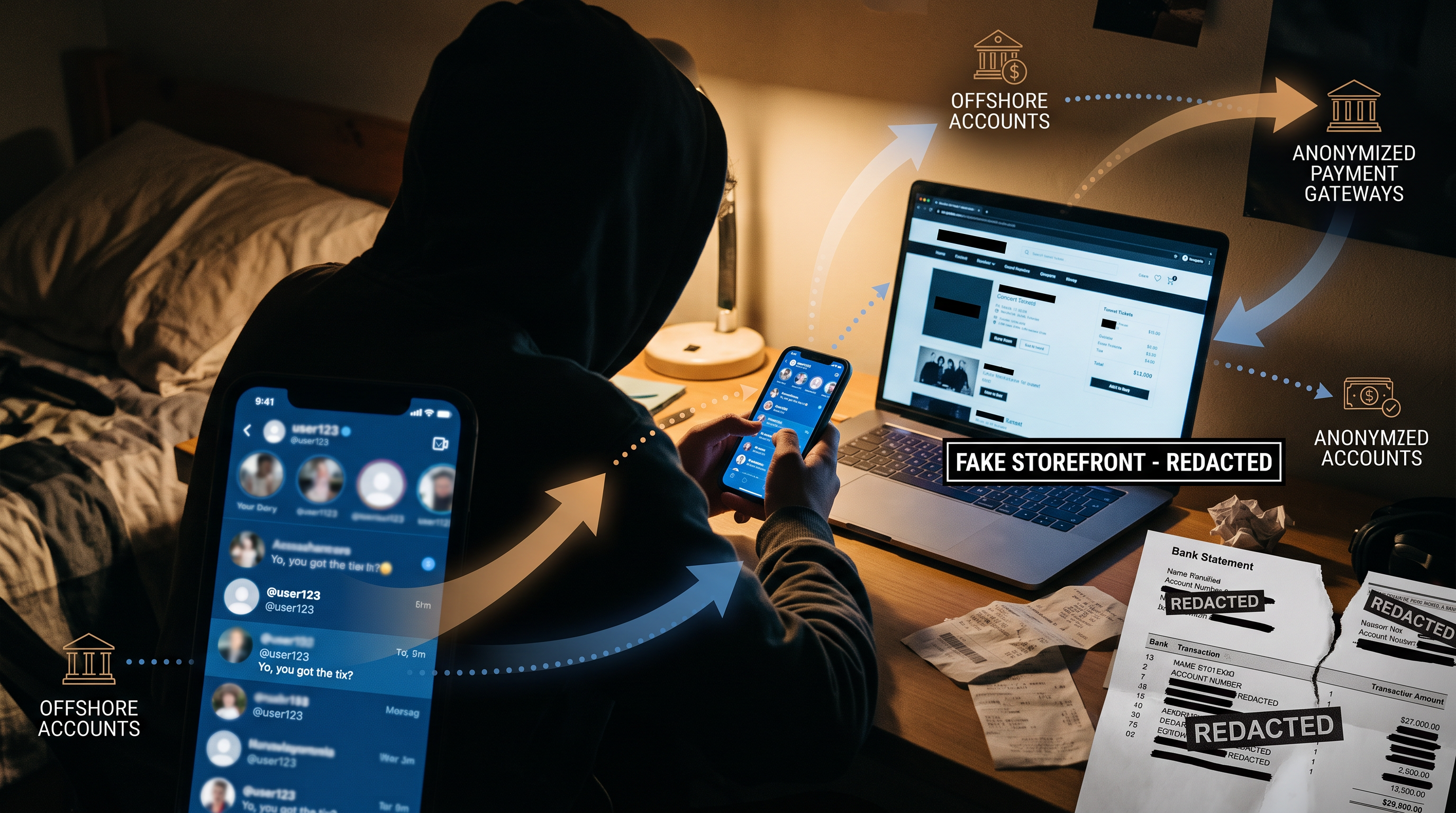
Once funds are collected, they move through multiple cryptocurrency wallets and mixing services that obscure the trail. Cross-border transfers make recovery by law enforcement extraordinarily difficult, which is exactly why these criminal networks have grown so bold.
Who Is Being Targeted and How Much Are They Losing?
Victims span every age group and demographic, but older adults and crypto-curious investors are disproportionately targeted. Reported losses range from a few hundred dollars to entire life savings. The Australian consumer protection agency Scamwatch has issued repeated alerts about fake celebrity investment scams, noting that victims often feel deep shame, which makes underreporting a massive problem.
The emotional damage runs deep too. Victims describe feelings of betrayal not just by the scammers but by the celebrities whose faces were used. Meanwhile, those same celebrities deal with reputational harm and a flood of angry messages from fans who believe they were personally deceived.
The Timeline: How This Crisis Escalated
This is not a new scam. But the scale and sophistication have intensified dramatically over the past two to three years. The rise of affordable AI tools democratized deepfake creation. At the same time, ad networks became more permissive about the content they approve, and cryptocurrency made fund transfers harder to trace.
Recent OCCRP investigations and alerts from national regulators including Australia’s ASIC exposed entire supply chains of landing page operators, ad buyers, and call center networks operating across multiple countries. Law enforcement has conducted cross-border inquiries and achieved some platform takedowns, but meaningful arrests at the leadership level remain rare. The networks are agile and move fast when heat comes.
How to Protect Yourself From Deepfake Celebrity Investment Fraud
The good news is that awareness is your single most powerful defense. Here are the steps you should take immediately if you encounter any celebrity-endorsed investment content online.
- Never trust unsolicited investment offers, regardless of who appears to be endorsing them. Real celebrities do not cold-promote investment platforms through social ads.
- Verify through official channels. Go directly to the celebrity’s verified website or official social accounts to check for any real endorsement statements.
- Look for telltale deepfake signs such as unnatural blinking, lip sync issues, odd lighting at the face and neck, or robotic vocal patterns.
- Never pay fees to unlock withdrawals. Legitimate investment platforms do not require you to pay taxes or compliance fees before releasing your own money.
- Refuse gift cards and unknown crypto wallets. These are almost always used by scammers to prevent payment reversal.
- Save everything. Screenshots, transaction IDs, chat logs, and email addresses all become critical evidence for investigators.
- Report immediately to the platform, your national fraud hotline, and local law enforcement. In the US, report to the FTC at consumer.ftc.gov. In Australia, use Scamwatch.
What Platforms and Regulators Are Doing About It
Social platforms have implemented AI detection tools and faster takedown processes for reported deepfake content. Regulators like the FTC, ASIC, and the UK’s FCA have published consumer alerts and are working with international partners to disrupt these networks at the ad-buying and landing-page level. But the volume of new fraudulent content being generated outpaces removal efforts significantly.
Experts in digital forensics point to provenance tools, which embed metadata into authentic video to verify its origin, as a promising long-term solution. Several major studios and news organizations have already begun adopting these standards. The question is whether adoption will scale fast enough to outrun the criminals.
Conclusion: Stay Skeptical and Stay Safe
Deepfake celebrity investment scams represent one of the most technically advanced and emotionally manipulative fraud campaigns ever deployed against everyday people. The combination of AI-generated content, social proof manipulation, and high-pressure human operators makes these schemes devastatingly effective. Your best protection is a healthy dose of skepticism and a commitment to verifying before you trust.
If someone online is promising guaranteed returns through a celebrity-backed platform, stop, step back, and do your homework. Share this article with friends and family, especially anyone who is new to investing or active on social media. The more people who recognize these tactics, the harder it becomes for these criminal networks to operate.
Frequently Asked Questions About Deepfake Celebrity Investment Scams
How can I tell if a celebrity investment video is a deepfake?
Look for unnatural facial movements, lip sync that does not quite match the audio, inconsistent lighting around the face, and a robotic or slightly off vocal tone. If the video is promoting a financial product you have never heard of, treat it as suspicious regardless of how convincing it looks.
What should I do if I already sent money to one of these scams?
Stop sending money immediately. Do not pay any additional fees or taxes to release funds. Contact your bank or payment provider to report the fraud and attempt a chargeback. File a report with your national fraud authority such as the FTC in the US or Scamwatch in Australia. Save all evidence including receipts, screenshots, and chat histories.
Are celebrities legally responsible for deepfake ads using their image?
No. Celebrities are victims in these situations. Their likeness is used without consent, and they have no control over the fabricated content. Many have issued public statements warning fans about fake ads using their image. Always verify endorsements directly through a celebrity’s official channels.
How do scammers avoid getting caught when running these campaigns?
Scammers use a combination of anonymous ad accounts, shell companies, cryptocurrency wallets, and mixing services to obscure their identity and the flow of stolen funds. Operations are often spread across multiple countries, making cross-border law enforcement coordination slow and complex.
Which platforms are most commonly used to run these fake investment ads?
These ads appear across all major social platforms including Facebook, Instagram, YouTube, and TikTok. Scammers exploit the self-serve advertising systems on these platforms to reach large audiences quickly, often using newly created accounts to avoid existing bans on their prior accounts.