Imagine waking up to find your face, your voice, and your reputation being used to sell fake products to millions of people online — and you never agreed to any of it. That is exactly what a wave of high-profile Chinese entertainers are dealing with right now, and they are fighting back in court. This legal battle over AI deepfakes is not just a celebrity problem — it is a signal that the rules around digital identity are about to change for everyone.
Chinese Celebrities Take Legal Action Against AI Deepfake Creators
Multiple well-known Chinese entertainers have filed lawsuits this week against companies and platforms accused of generating and distributing AI-powered deepfakes using their likenesses without any form of consent. According to Overseas Idol, the complaints cover a range of serious violations including unauthorized voice cloning, image manipulation, and impersonation in commercial advertisements.
The plaintiffs argue that these synthetic assets have caused measurable damage to their reputations and careers. Beyond reputation, the lawsuits highlight how these fake likenesses are being used to monetize fraud at scale — through fake endorsements, paid fan services, and deceptive ads that trick followers into spending real money on products the celebrities never touched.
This is not a handful of isolated incidents. This is a coordinated legal wave, and it marks a clear turning point from public complaints to formal courtroom action.
What the Legal Claims Actually Cover
The lawsuits target several distinct categories of harm. Understanding each one helps clarify just how broad the deepfake problem has become:
- Unauthorized voice and image cloning: AI tools are being used to replicate a celebrity’s voice and appearance with disturbing accuracy, often trained on publicly available videos and audio clips.
- Fake commercial endorsements: Synthetic versions of celebrities are placed in ads promoting products ranging from supplements to financial services, giving those brands false credibility.
- Monetized impersonation: Some platforms charge fans for access to fake celebrity content, collecting payments under false pretenses.
- Privacy and publicity rights violations: Plaintiffs argue that their right to control how their likeness is used commercially has been directly violated under existing law.
These claims are forcing courts and legal experts to wrestle with a critical question: do current laws actually cover what generative AI can do to a person’s digital identity?
How AI Deepfakes Are Being Used to Run Scams
The lawsuits are about more than bruised egos or lost endorsement deals. They expose a much darker reality: deepfakes have become a core tool for fraudsters targeting everyday people.
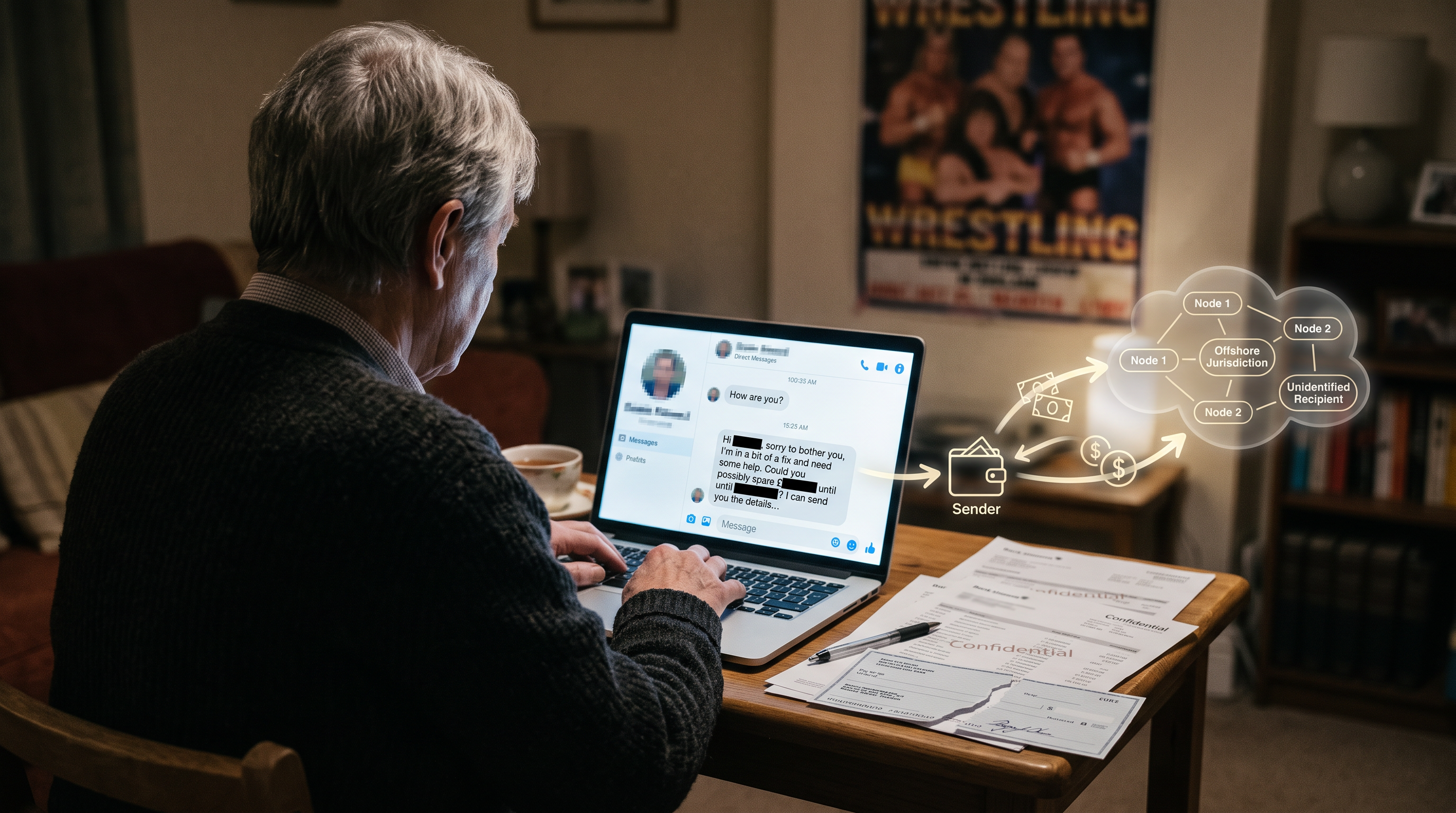
Cloned celebrity voices and faces are being deployed in romance scams, investment fraud, and product scams. A fan who trusts a beloved entertainer sees what looks like a personal video message endorsing a cryptocurrency platform or a health supplement. That trust is weaponized, and real people lose real money.
The Mechanics of a Celebrity Deepfake Scam
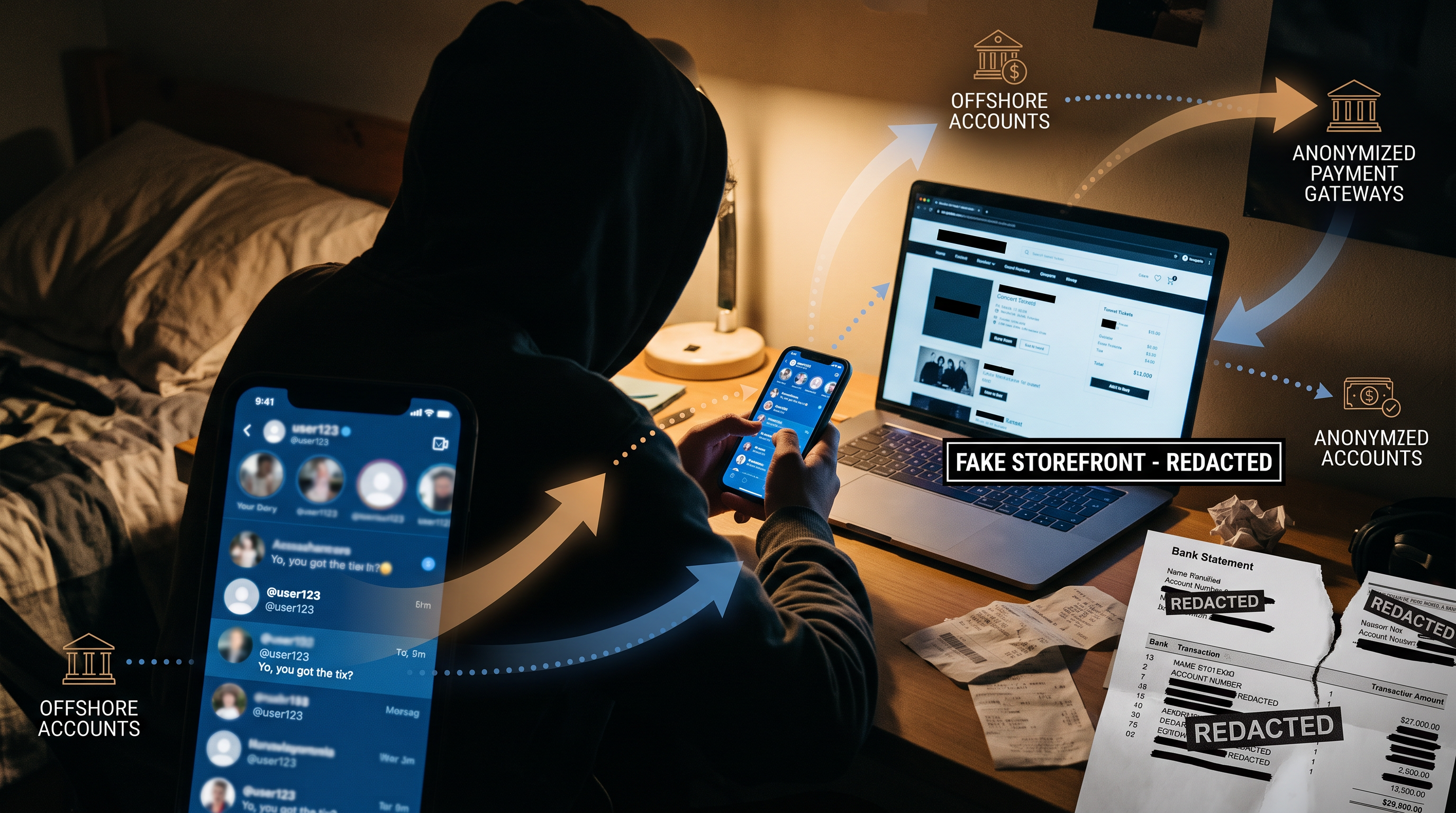
Here is how these operations typically work in practice:
- Fraudsters scrape publicly available photos, videos, and audio of a target celebrity from social media and streaming platforms.
- AI tools generate realistic fake videos or voice recordings of the celebrity promoting a product or service.
- The content is distributed through paid social media ads, fake fan pages, or messaging apps to reach a large, trusting audience.
- Victims click, sign up, or pay — sending money or personal data directly to scammers.
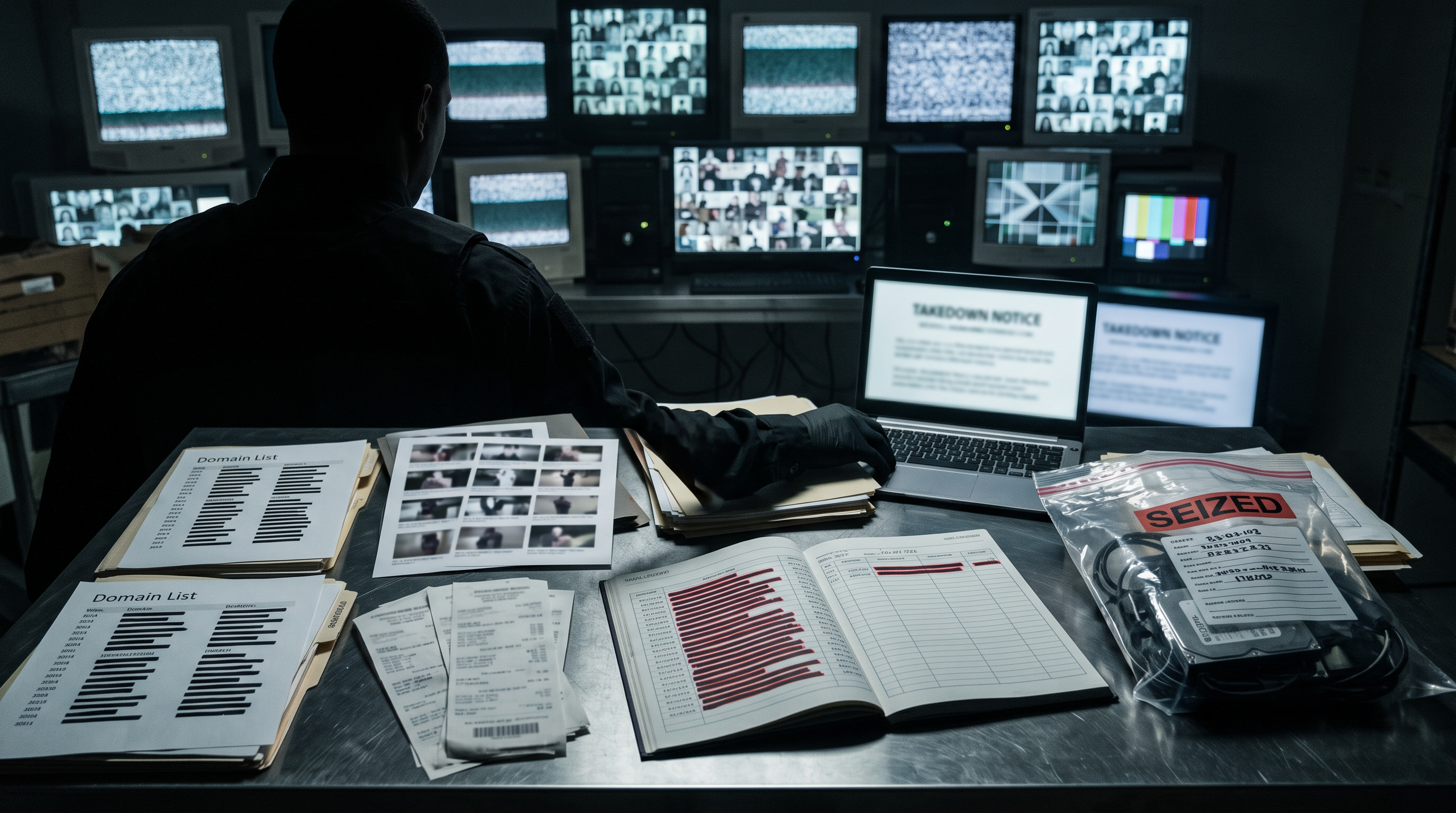
- By the time the content is reported and taken down, the damage is done.
As Blackbird.AI details in their analysis of celebrity deepfake narrative attacks, these campaigns are designed to spread fast, exploit emotional trust, and disappear before platforms can respond. The speed of distribution is part of the strategy.
Platforms and AI Vendors Are Now in the Crosshairs
One of the most significant aspects of these lawsuits is who is being named as a defendant. It is not just the individual bad actors creating deepfake content — platforms and AI tool providers are being held accountable for enabling and distributing it.
This mirrors a broader global trend. Meta has already filed its own legal actions against advertisers in Brazil and China over celebrity deepfake scams run through its platforms, as reported by The Philippine Star. The message is clear: hosting or profiting from deepfake fraud is no longer a grey area that platforms can ignore.
What This Means for Platform Liability
The legal pressure is pushing platforms to rethink their verification, ad vetting, and takedown processes. Some of the changes being demanded include:
- Faster identification and removal of AI-generated impersonation content
- Stricter advertiser verification before running celebrity-facing campaigns
- Dedicated reporting channels for deepfake impersonation
- Liability frameworks that hold platforms responsible when they fail to act on known violations
Cross-border enforcement remains a major challenge. Many deepfake operations run from jurisdictions that are difficult to reach through a single country’s courts. But the sheer volume of lawsuits being filed is creating pressure that no major platform can afford to ignore.
How Fans and Consumers Can Protect Themselves From Deepfake Scams
While the legal battles play out, ordinary people are still exposed to deepfake fraud every day. Knowing how to spot and report these scams is essential right now.
Practical Steps to Stay Safe
- Verify through official channels only: Always check a celebrity’s verified accounts on major platforms before trusting any endorsement or message.
- Demand live, dated video proof: If someone claiming to be a celebrity or their representative is asking for money or personal information, ask for a live video response that includes the current date. Deepfakes cannot easily do this in real time.
- Watch for unnatural speech or movement: AI-generated videos often have subtle glitches — strange eye blinking, unnatural lip sync, or robotic speech patterns.
- Report impersonations immediately: Use the reporting tools on social media platforms and notify the celebrity’s official team when you spot fake accounts or ads.
- Preserve evidence: If you or someone you know has been defrauded by a deepfake scam, save screenshots, links, and transaction records before the content disappears.
The best defense against deepfake fraud is a combination of healthy skepticism and fast reporting. These scams rely on you acting quickly out of excitement or trust before you have time to think critically.
Why This Legal Wave Matters Beyond China
China’s celebrity deepfake lawsuits are happening within a specific legal and cultural context, but the implications reach every corner of the internet. AI tools that can clone a voice or generate a fake video are not limited to one country — they are globally available, and so are their victims.
The outcomes of these cases will shape how courts around the world interpret publicity rights, privacy law, and platform liability in the age of generative AI. Every ruling that holds a platform accountable or awards damages to a victim sets a precedent that lawyers, legislators, and tech companies will study closely.
We are at an early but critical moment. The celebrities filing these suits today are not just protecting their own reputations — they are testing the legal frameworks that will eventually protect everyone’s digital identity.
Conclusion: The Fight for Digital Identity Has Officially Begun
AI deepfakes have moved from a science fiction concern to a daily legal reality. Chinese celebrities filing lawsuits over unauthorized AI likenesses are forcing a long-overdue reckoning for platforms, AI developers, and advertisers who have been slow to act. The ripple effects of these cases will be felt globally, from how platforms moderate AI content to how courts define the right to control your own digital image.
If you have encountered a deepfake scam or impersonation, report it to the platform immediately and contact local consumer protection authorities. And if you want to stay informed about the latest developments in AI fraud, digital identity rights, and celebrity impersonation cases, bookmark this page and check back regularly — this story is far from over.
Frequently Asked Questions About Chinese Celebrity Deepfake Lawsuits
What are Chinese celebrities suing over in these deepfake lawsuits?
Chinese celebrities are suing companies and platforms that used AI to clone their voices and likenesses without consent. The lawsuits allege unauthorized commercial use, fake endorsements, monetized impersonation, and violations of publicity and privacy rights that have caused direct reputational and financial harm.
How are AI deepfakes used to scam regular people?
Scammers use AI tools to create realistic fake videos or audio of celebrities endorsing products, investment schemes, or services. Fans who trust these celebrities are tricked into spending money or sharing personal data. These scams often run through paid social media ads and disappear quickly after collecting payments.
Can platforms be held legally responsible for hosting deepfake content?
Yes, and that is exactly what these lawsuits are testing. Plaintiffs are targeting not just individual creators but the platforms and AI vendors that enable and distribute deepfake content. Meta has already filed similar legal actions against advertisers running celebrity deepfake scam ads on its platform.
How can I tell if a celebrity video or endorsement is a deepfake?
Look for unnatural eye movement, off-sync lip movement, robotic speech patterns, and unusual lighting. Always verify through the celebrity’s official and verified social media accounts. If an endorsement involves money, cryptocurrency, or personal data, treat it as suspicious until proven otherwise through a live, dated response.
What should I do if I find a deepfake impersonating a celebrity?
Report it immediately using the platform’s built-in reporting tools, and notify the celebrity’s official team or management through verified channels. If you or someone you know has lost money due to a deepfake scam, preserve all evidence including screenshots and transaction records, and report the incident to local consumer protection or cybercrime authorities.