Jennifer Barton never imagined that a direct message from a Hollywood star would cost her everything. The 44-year-old mother of two from Kidderminster, Worcestershire, lost approximately £250,000 after falling victim to a sophisticated celebrity romance scam that left her homeless and separated from her children. What started as an exciting online connection with someone posing as actors Alexander Ludwig and Charlie Hunnam, along with country singer Michael Ray, turned into a financial nightmare that destroyed her family’s future.
This isn’t just another cautionary tale. It’s a wake-up call about how scammers are weaponizing our fascination with celebrities, exploiting social media platforms, and using cryptocurrency to steal life savings from ordinary people who simply wanted to believe in a fairytale connection.
The Devastating Reality of Celebrity Impersonation Scams
Celebrity romance scams have evolved into a multi-million dollar criminal enterprise. Unlike traditional romance scams where fraudsters create fictional personas, these criminals impersonate real celebrities, leveraging existing fan communities and public personas to build instant credibility. Jennifer Barton’s case demonstrates just how far victims can be manipulated when scammers combine emotional manipulation with the allure of celebrity contact.
According to Action Fraud, the UK’s national reporting center for fraud and cybercrime, thousands of people fall victim to romance scams each year, with celebrity impersonation becoming an increasingly common tactic. The agency is currently reviewing Barton’s case while a law firm works to pursue recovery of her stolen funds.
The consequences for Jennifer were catastrophic. She sold her house and car, sent cash and Bitcoin to the scammers, and ultimately became homeless. Her children were temporarily placed with their father as she struggled to rebuild from financial ruin. This level of personal destruction is not uncommon in these scams, where victims often liquidate retirement accounts, take out loans, and drain every available resource before realizing they’ve been deceived.
How Celebrity Romance Scams Actually Work
Understanding the attack chain helps explain how intelligent, cautious people like Jennifer fall into these traps. These scams don’t happen overnight. They’re carefully orchestrated operations that unfold over months or even years.
The Initial Contact
It typically starts with a fake fan account or direct message on social platforms like Instagram, Facebook, or Twitter. The scammer poses as a celebrity or someone from their management team. The message feels personal, flattering, and exclusive. For someone who admires that celebrity, receiving what appears to be genuine attention creates an immediate emotional hook.
The Grooming Phase
Over weeks and months, the scammer builds trust through constant communication via social platforms and messaging apps. They share synthetic photos and videos, personal details about the celebrity’s life, and create an illusion of intimacy. They might reference real events from the celebrity’s public life, making the interaction feel authentic. The conversation gradually shifts from fan admiration to personal connection and romantic interest.
The Financial Trap
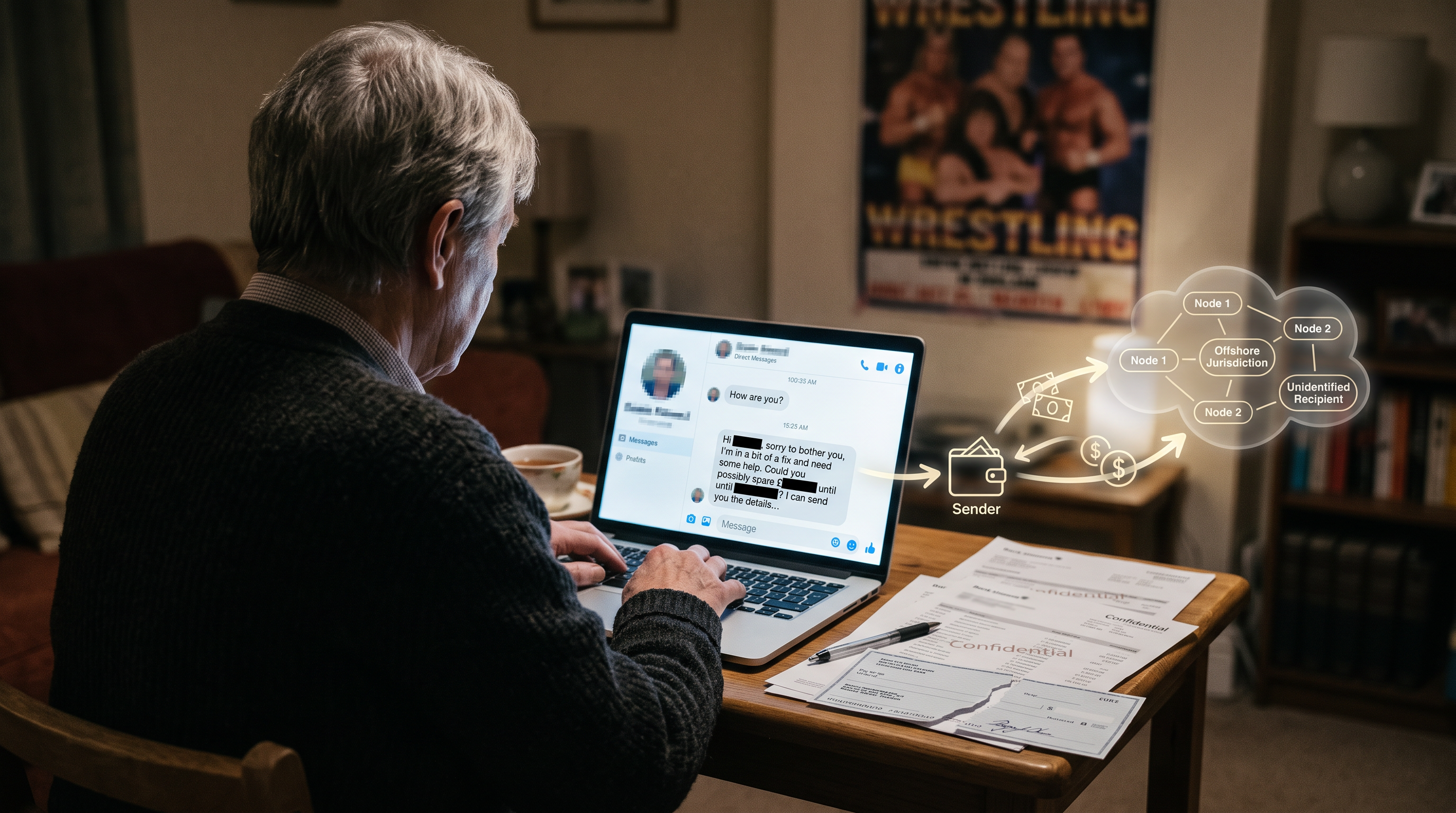
Once trust is established, urgent financial stories emerge. The fake celebrity claims to face medical emergencies, legal troubles, frozen bank accounts, or investment opportunities. These stories create artificial urgency and position the victim as the only person who can help their famous love interest. Requests start small with gift cards or minor transfers, then escalate to substantial bank transfers and cryptocurrency payments.
The Money Disappears
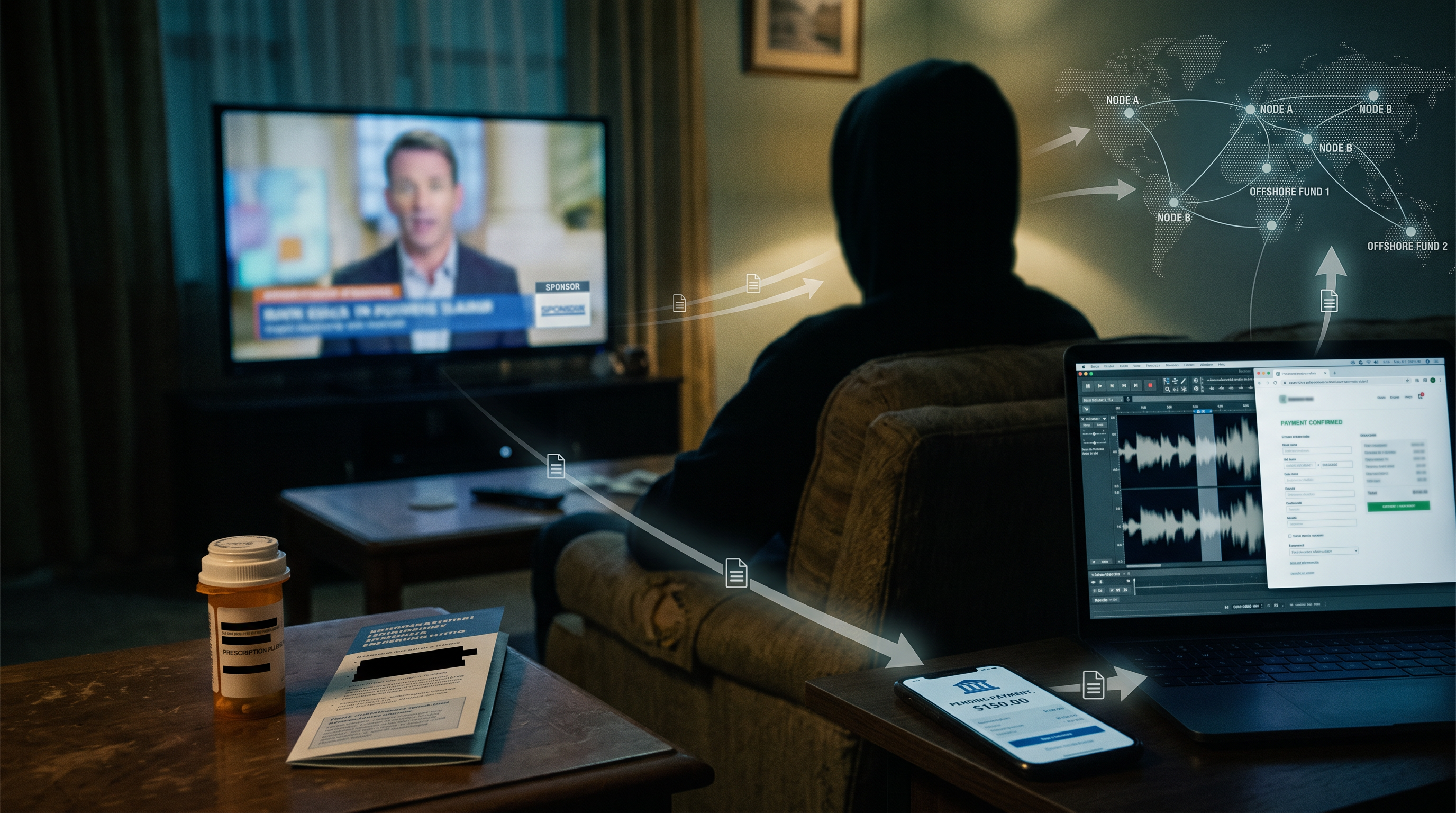
Funds sent to scammers move quickly through exchanges, crypto mixers, or mule accounts, making recovery nearly impossible. By the time victims realize they’ve been scammed, the money has already been laundered through multiple jurisdictions and is functionally irretrievable.
The Red Flags That Should Raise Alarms
Looking back at cases like Jennifer’s, clear warning signs were present throughout the relationship. Recognizing these red flags can save you or someone you love from similar devastation.
- Unsolicited contact from celebrity accounts: Real celebrities do not randomly reach out to fans for romantic relationships through direct messages.
- Requests to move conversations off-platform: Scammers quickly push victims to WhatsApp, Telegram, or other apps where platform safety features don’t apply.
- Avoidance of live video calls: When asked for real-time video verification, scammers make excuses or provide pre-recorded clips.
- Financial requests of any kind: No legitimate celebrity needs money from fans, regardless of the story presented.
- Pressure for cryptocurrency payments: Requests for Bitcoin or other crypto are major red flags, as these transactions are irreversible and difficult to trace.
- Secrecy requirements: Scammers often ask victims to keep the relationship secret from family and friends who might intervene.
Why These Scams Are Exploding Right Now
Celebrity impersonation scams are rising for several converging reasons. Social media platforms have made it easier than ever to create convincing fake accounts using stolen photos and videos. Deepfake technology allows scammers to create realistic video content that appears to show celebrities speaking directly to victims. The Federal Trade Commission has warned about fake celebrity endorsements and impersonations becoming more sophisticated and widespread.
The pandemic also played a role by isolating people and increasing online social interaction. Lonely individuals spending more time on social media became prime targets for scammers who exploit emotional vulnerability. Additionally, the mainstream adoption of cryptocurrency gave scammers a payment method that’s difficult to trace and impossible to reverse, unlike traditional bank transfers where fraud departments might intervene.
How to Protect Yourself and Your Loved Ones
Prevention is your best defense against celebrity romance scams. These practical steps can help you avoid becoming the next victim.
- Verify through official channels: If a celebrity appears to contact you, check their verified account status and reach out through their official management or publicist.
- Never send money to online connections: This rule applies regardless of who they claim to be or what emergency they describe.
- Insist on live, dated video calls: Ask the person to hold up today’s newspaper or say a specific phrase in real-time video. Scammers cannot fake this.
- Refuse gift cards and cryptocurrency requests: These payment methods are favorites of scammers because they’re irreversible.
- Talk to trusted friends and family: Scammers rely on secrecy. Discussing online relationships with people who care about you provides a reality check.
- Trust your instincts: If something feels too good to be true, it probably is.
What to Do If You’ve Already Sent Money
If you recognize yourself in Jennifer’s story and have already sent money to a suspected scammer, take immediate action.
First, contact your bank or financial institution immediately. While cryptocurrency transactions cannot be reversed, traditional bank transfers may be stopped or traced if you act quickly. Preserve all evidence including screenshots of conversations, transaction records, account details, and any photos or videos sent by the scammer. This documentation is critical for law enforcement and any potential recovery efforts.
Report the crime to authorities. In the UK, contact Action Fraud. In the United States, file reports with the FBI’s Internet Crime Complaint Center and the FTC. Local police should also be notified even though they may refer you to specialized fraud units.
Consider engaging a law firm that specializes in fraud recovery, as Jennifer has done. While recovery is challenging, legal professionals have tools and connections that may help trace and reclaim stolen funds. Finally, seek emotional support. The psychological impact of these scams can be as devastating as the financial loss, and professional counseling can help you process the trauma and shame that often accompany victimization.
Frequently Asked Questions About Celebrity Romance Scams
How can I tell if a celebrity account is real or fake?
Real celebrity accounts have verification badges (blue checkmarks on most platforms). They typically have millions of followers, consistent posting history, and interactions with other verified accounts. Fake accounts often have low follower counts, recent creation dates, minimal posts, and may have slight variations in the username. Always check if the account is linked from the celebrity’s official website or Wikipedia page.
Can I get my money back if I’ve been scammed?
Recovery is extremely difficult but not impossible. Traditional bank transfers caught early may be reversed. Credit card payments offer more protection through chargeback rights. However, cryptocurrency and gift card payments are generally irreversible. Your best chance involves immediate reporting to financial institutions, law enforcement, and potentially hiring specialized recovery attorneys. Even with these steps, full recovery is uncommon.
Why do smart people fall for these scams?
Intelligence offers no protection against sophisticated social engineering. These scams work because they exploit universal human emotions like loneliness, desire for connection, and the excitement of special attention. Scammers are skilled manipulators who spend months building trust and creating emotional dependence. They use psychological techniques refined across thousands of victims. Anyone can be vulnerable under the right circumstances, which is why these scams continue to succeed.
Are the real celebrities aware their names are being used?
Most celebrities whose names appear in these scams are unaware until victims come forward or media reports surface. Celebrities like Alexander Ludwig, Charlie Hunnam, and Michael Ray (named in Jennifer’s case) are victims themselves, as their reputations suffer when fans are defrauded using their identities. Some celebrities have issued public warnings about impersonation accounts, but monitoring every fake profile across all platforms is virtually impossible.
How are these scam operations organized?
Celebrity romance scams are typically run by organized criminal networks, often operating from countries with limited cooperation with Western law enforcement. Multiple people may play different roles, from creating fake profiles to handling conversations to processing payments. These operations treat scamming as a business, complete with scripts, training programs, and specialized roles. Some groups specifically target vulnerable populations identified through data mining of social media behavior.
Don’t Let This Happen to You
Jennifer Barton’s story is tragic, but it doesn’t have to be yours. Celebrity romance scams thrive on secrecy, shame, and the hope that maybe, just maybe, the connection is real. It’s not. Real celebrities do not solicit money from fans. Real romantic connections do not require financial rescue operations. Real relationships happen in the open, not hidden in encrypted messaging apps.
If you or someone you love is currently in an online relationship with someone claiming to be a celebrity, stop all contact immediately and speak with someone you trust. If you’ve already sent money, report it right now. Every hour matters when trying to trace stolen funds. Share this information with friends and family who might be vulnerable. Education and awareness are our strongest weapons against these predatory scams that destroy lives and families.
The romance you’re being offered online is not real, but the financial devastation and emotional trauma are very real. Protect yourself, stay skeptical of too-good-to-be-true online connections, and remember that legitimate celebrities are not sliding into your DMs asking for Bitcoin.