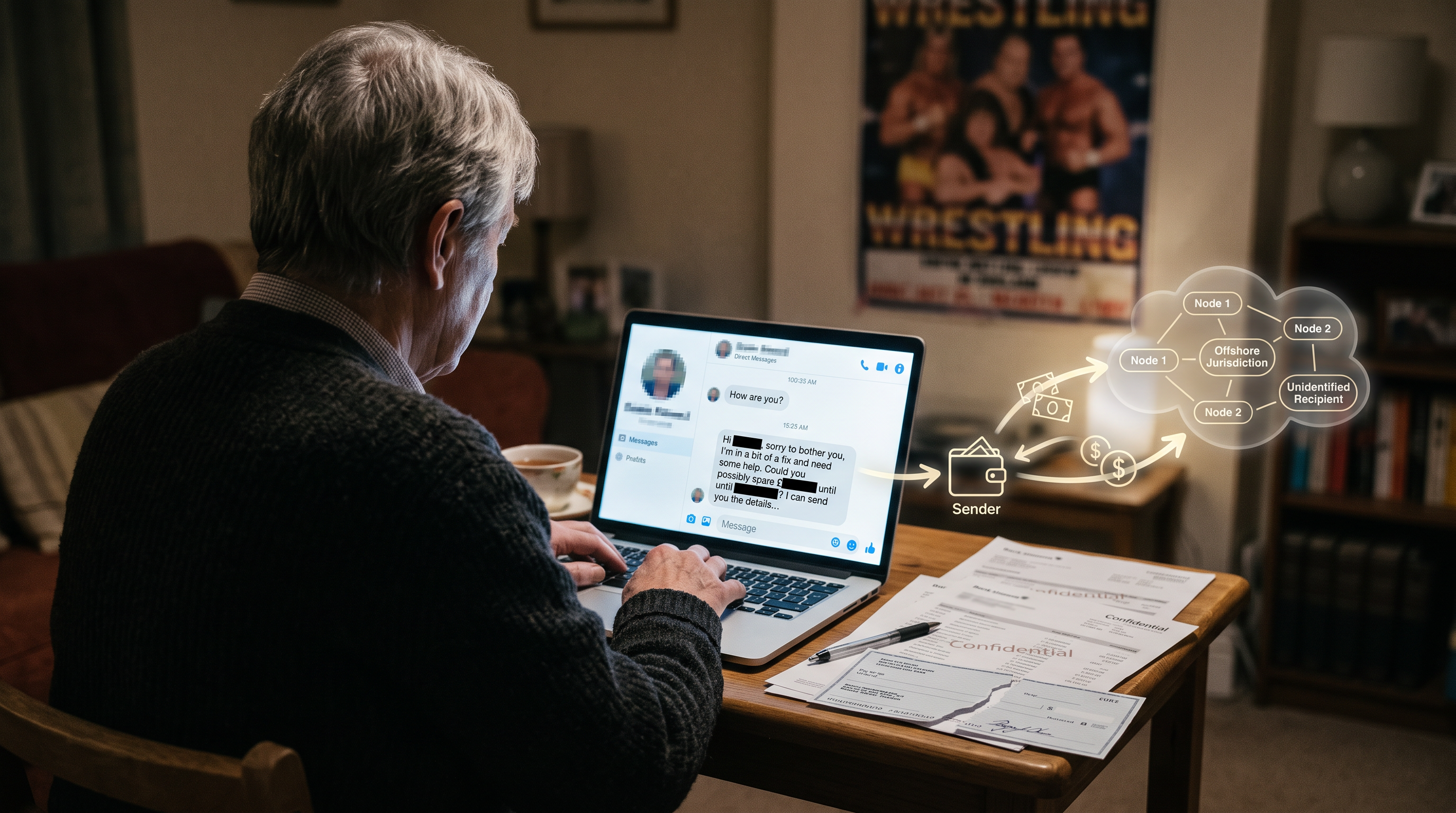
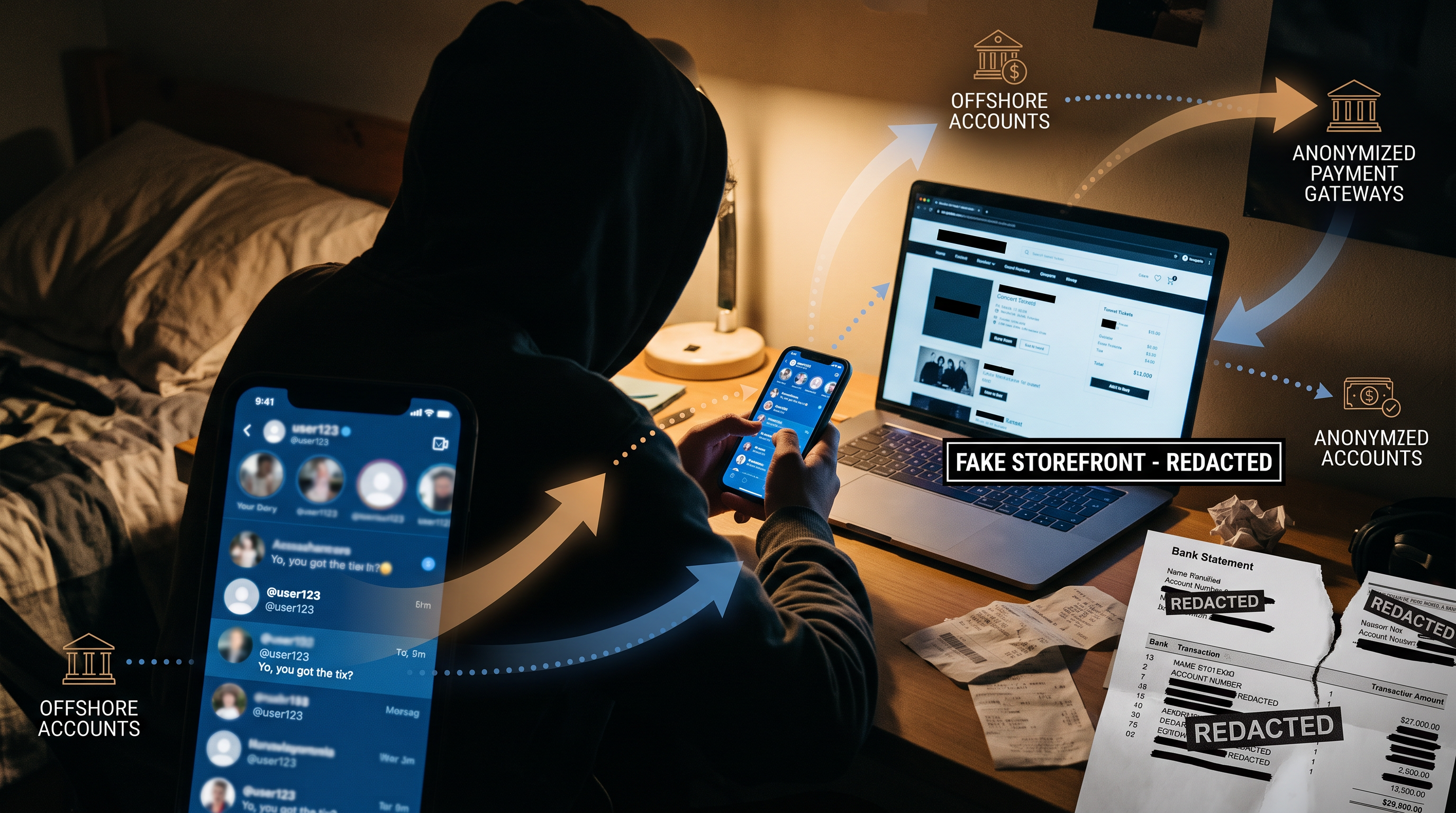
You pick up the phone and hear a calm, professional voice: “This is your bank’s fraud department. We’ve detected suspicious activity on your account and need to verify a transfer immediately.” Your heart races. You believe them. And just like that, thousands of dollars are gone forever. Bank imposter scams have become the single most dangerous fraud threat entering 2026, and if you think it could never happen to you, that’s exactly what scammers are counting on.
Why Bank Imposter Scams Are the #1 Fraud Threat in 2026
The Federal Trade Commission and major financial industry analysts have officially named bank imposter scams the number one fraud vector heading into 2026. These are not clumsy, obvious cons anymore. They are highly engineered, psychologically sophisticated attacks that can fool even sharp, financially literate consumers.
Attackers pose as bank representatives, government agencies like the Social Security Administration, or platform support teams. They construct urgent narratives designed to bypass your rational thinking. The goal is simple: pressure you into wiring money, buying gift cards, or approving fraudulent transfers before you have time to think twice.
According to Finextra’s deep dive into the architecture of these scams, imposters have caused billions of dollars in losses in recent years, with the numbers accelerating as AI-powered tools lower the barrier to entry for criminals worldwide. The money lost is often impossible to recover because transfers are routed through untraceable payment rails and cross-border flows.
Who Is Being Targeted?
While anyone can fall victim, consumers and seniors remain the prime targets. Retirees are especially vulnerable because they often hold significant savings and may be less familiar with evolving digital deception tactics. The AARP’s fraud resource center has consistently flagged imposter scams as one of the top financial threats to older Americans, noting that the emotional manipulation involved makes them uniquely effective against all age groups.
The FTC reports that imposter scams consistently rank among the most reported and most costly fraud categories year after year. Social Security impersonation alone has triggered widespread warnings, with scammers claiming your benefits are suspended and demanding immediate payment to restore them.
How the Scam Actually Works: The Social Engineering Playbook
Understanding the step-by-step mechanics of a bank imposter scam is your best defense. These attacks are not random. They follow a calculated script designed to exploit trust, urgency, and fear.
Step 1: The Initial Contact
The scammer reaches out via phone call, text message, or email. They spoof your actual bank’s phone number so it appears legitimate on your caller ID. Some attackers even send fake SMS alerts that thread directly into your real bank’s message history using number spoofing techniques.
Step 2: Building False Credibility
The imposter uses your real name, partial account numbers pulled from data breaches, and industry-specific language to sound authentic. They may even reference recent transactions to appear completely credible. Scammers also reuse real employee photos and republished bank content to build fake support pages and landing sites that look indistinguishable from the real thing.
Step 3: Creating Urgency and Fear
This is where the psychological pressure kicks in. You are told your account has been compromised, your Social Security number was flagged, or a large unauthorized transfer is in progress right now. Every second of delay is framed as a threat to your financial safety. This manufactured urgency is designed to short-circuit your ability to stop and verify.
Step 4: The Trap Closes
You are instructed to approve a transfer to a “safe account,” buy gift cards and read the codes aloud, wire funds to stop a fraudulent charge, or click a link and enter your credentials on a phishing page. Once the money moves, it is gone. The payment rails used are specifically chosen because they are fast, anonymous, and nearly impossible to reverse.
The AI Revolution Powering Bank Imposter Scams
What makes 2026’s wave of bank imposter scams fundamentally different from anything seen before is the integration of artificial intelligence at every stage of the attack.
AI Voice Cloning and Deepfakes
Scammers now use AI voice cloning technology to generate realistic audio that mimics bank employees, government officials, or even family members. With just a few seconds of sample audio pulled from public videos or voicemails, fraudsters can create a convincing voice that sounds completely real over the phone. Deepfake video technology takes this even further, enabling fake video calls that appear to show a legitimate bank representative speaking directly to the victim.
This technology is no longer confined to sophisticated criminal organizations. It is widely available, cheap, and easy to deploy, which means scam operations can scale rapidly and target thousands of victims simultaneously.
Ad Cloaking and Off-Platform Funnels
Bank imposters also weaponize digital advertising. They run ads that appear to promote legitimate bank services, using ad cloaking techniques to bypass platform review systems. Once a victim clicks, they are moved off-platform to phishing pages that harvest credentials or facilitate fraudulent transfers. These fake ad campaigns spin up new accounts the moment they are taken down, making platform-level enforcement extremely difficult to sustain.
Why Bank Imposter Scams Are More Dangerous Than Other Fraud
Unlike celebrity deepfake scams or investment fraud that unfolds over weeks, bank imposter scams create immediate, often irreversible financial harm. A single phone call can result in the total loss of a victim’s savings within minutes. There is no cooling-off period, no pending transaction window, and often no way to recall the funds once they have moved.
Beyond the direct financial loss, victims frequently suffer secondary harms. Providing personal details during these calls enables identity theft that can haunt victims for years. The emotional toll, including shame, anxiety, and loss of confidence, is significant and should not be underestimated.
The FTC’s official guidance on impersonator scams makes clear that no legitimate bank, government agency, or tech company will ever demand immediate payment, ask you to buy gift cards, or instruct you to move money to a “safe” account. If you hear any of these requests, it is a scam.
Exactly What to Do If You Get the Call
Here is your action plan. Save it. Share it with family members who may be at risk.
- Never approve transfers on an unsolicited call. Hang up immediately if you feel pressured.
- Call your bank directly using the official number printed on your debit card or bank statement. Never use a number provided by the caller.
- Do not buy gift cards as payment for any reason. No legitimate institution will ever request this.
- Verify every request through secure, official channels before taking any financial action.
- Preserve all evidence. Screenshot texts, note call times and numbers, and save any emails received.
- Report immediately to your bank’s fraud team, the FTC at ReportFraud.ftc.gov, and the FBI’s Internet Crime Complaint Center at IC3.gov.
Conclusion: Awareness Is Your Best Defense
Bank imposter scams are not going away. They are getting smarter, faster, and harder to detect as AI tools become more accessible to criminals worldwide. The architecture of deception these scammers use is sophisticated enough to fool people at every level of financial literacy. But awareness, skepticism, and a clear action plan can protect you and the people you care about.
Share this article with someone who needs to read it today. One conversation could save someone’s life savings. And if you suspect you have been targeted, report it right now. Every report you file helps authorities track these operations and protect future victims.
Frequently Asked Questions About Bank Imposter Scams
What is a bank imposter scam?
A bank imposter scam is a type of fraud where criminals pose as representatives of your bank, a government agency, or a support service to trick you into transferring money, sharing account credentials, or providing personal information. They use phone calls, texts, emails, and fake websites to appear legitimate.
How do I know if I am talking to a real bank representative?
Hang up and call your bank directly using the official number on the back of your debit card or on your bank’s official website. A real bank will never pressure you to act immediately, demand gift card payments, or ask you to transfer money to a new account for safety purposes.
Can AI voice cloning really fool people?
Yes. Modern AI voice cloning technology can produce remarkably realistic audio using just a few seconds of sample voice data. Scammers use it to impersonate bank employees, government officials, and even family members. If a voice call ever feels off or the request sounds unusual, hang up and verify independently.
What should I do if I already sent money to a scammer?
Contact your bank immediately and explain the situation. Then report the fraud to the FTC at ReportFraud.ftc.gov and file a complaint with the FBI’s Internet Crime Complaint Center at IC3.gov. Act as quickly as possible because time is critical in any attempt to recover funds.
Are seniors more at risk for bank imposter scams?
Seniors are frequently targeted because they may hold larger savings balances and are sometimes less familiar with digital fraud tactics. However, bank imposter scams target people of all ages. The psychological tactics used, including urgency, fear, and authority, are effective across demographics regardless of age or financial background.