Imagine watching a video of a beloved TV personality warning you about a hidden health crisis, only to find out the entire thing was fabricated by a scammer with a laptop and a few seconds of stolen footage. That is exactly what happened with the Al Roker deepfake health scam, and it is one of the most alarming fraud cases of 2025. If you think you would spot a fake celebrity video instantly, this scam proves otherwise.
What Is the Al Roker Deepfake Health Scam?
Scammers created a convincing synthetic video featuring the face and voice of Al Roker, the well-known NBC Today Show weatherman. The video falsely claimed that Roker had suffered multiple heart attacks and was now endorsing an unapproved supplement as a miraculous hypertension cure. Every single second of that video was a lie manufactured with generative AI tools.
The clip spread rapidly across social media platforms, fueled by paid advertising boosts and coordinated comment amplification. Viewers who clicked the ads were taken to landing pages designed to look like legitimate news outlets. Those pages used urgent health language and countdown timers to pressure people into buying a product that was never going to arrive.
How the Fake Video Was Made
The technical barrier to pulling off this kind of fraud has dropped to almost nothing. Attackers needed only a few seconds of archival footage of Al Roker and a handful of voice snippets pulled from public broadcasts. From those raw materials, AI tools generated a seamless synthetic video that looked and sounded authentic enough to fool thousands of viewers.
This is not a futuristic threat. According to McAfee’s 2025 scam retrospective, generative AI has made celebrity endorsement fraud trivially reproducible, enabling fraud at a scale that was simply impossible just three years ago.
Why Celebrity Deepfake Scams Are So Dangerous
Most scams prey on greed or fear. This one went after something even more powerful: trust in a familiar face. Al Roker has spent decades earning credibility with American households. Scammers borrowed that credibility in minutes, and they did not ask permission.
Health scams carry a layer of risk that financial fraud does not. A person who buys a fake supplement based on a fraudulent medical claim might delay legitimate medical treatment. They might interact badly with real medications. The harm is not just financial, it is physical. That is what makes AI-powered health scams particularly alarming to consumer protection experts and regulators.
The Landing Page Trap
After clicking the ad, victims landed on pages that mimicked the look and feel of real news websites. These spoofed pages featured fake article headlines, stock photos of doctors, and fabricated testimonials. The goal was to eliminate any hesitation before a purchase was made.
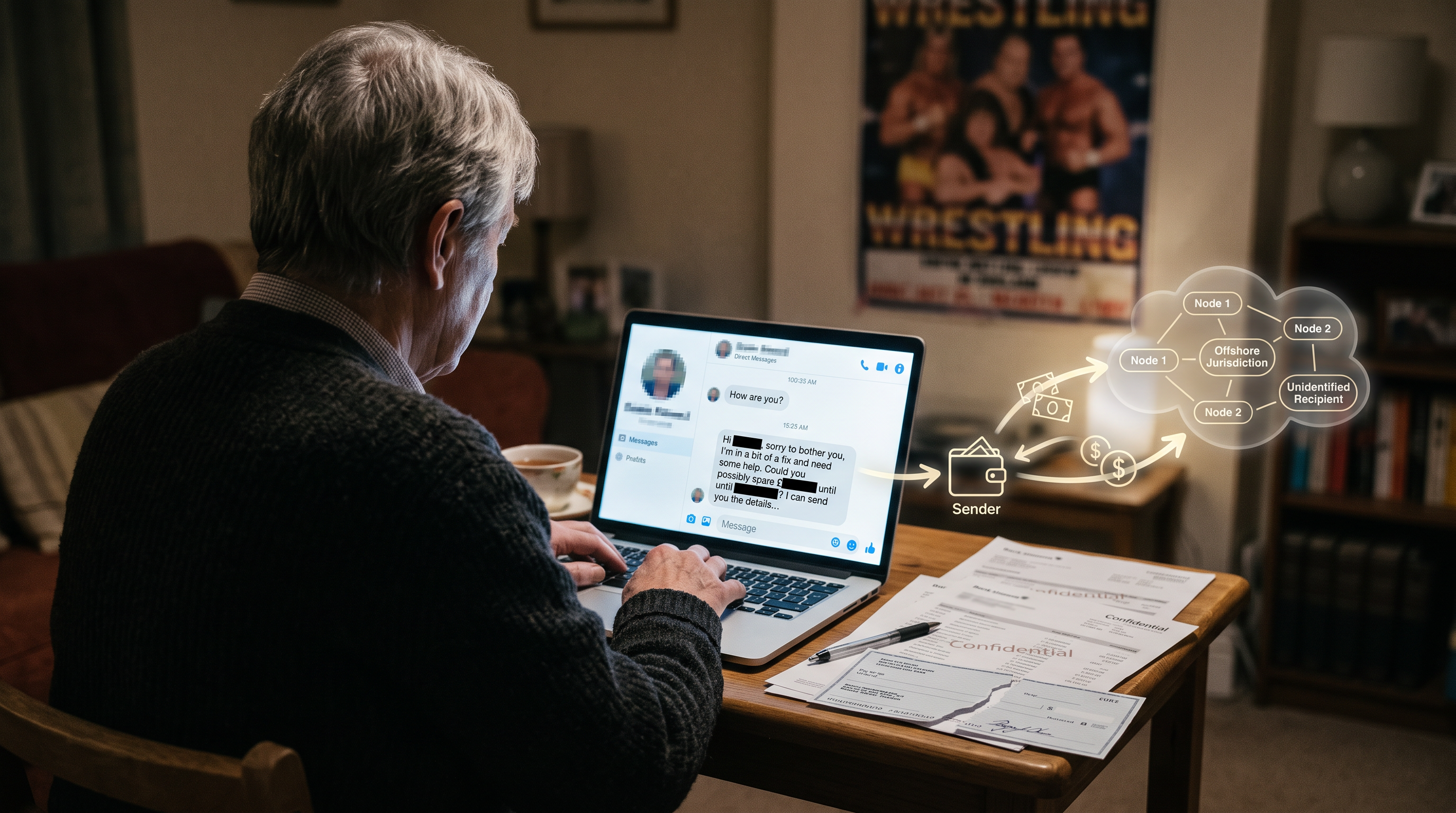
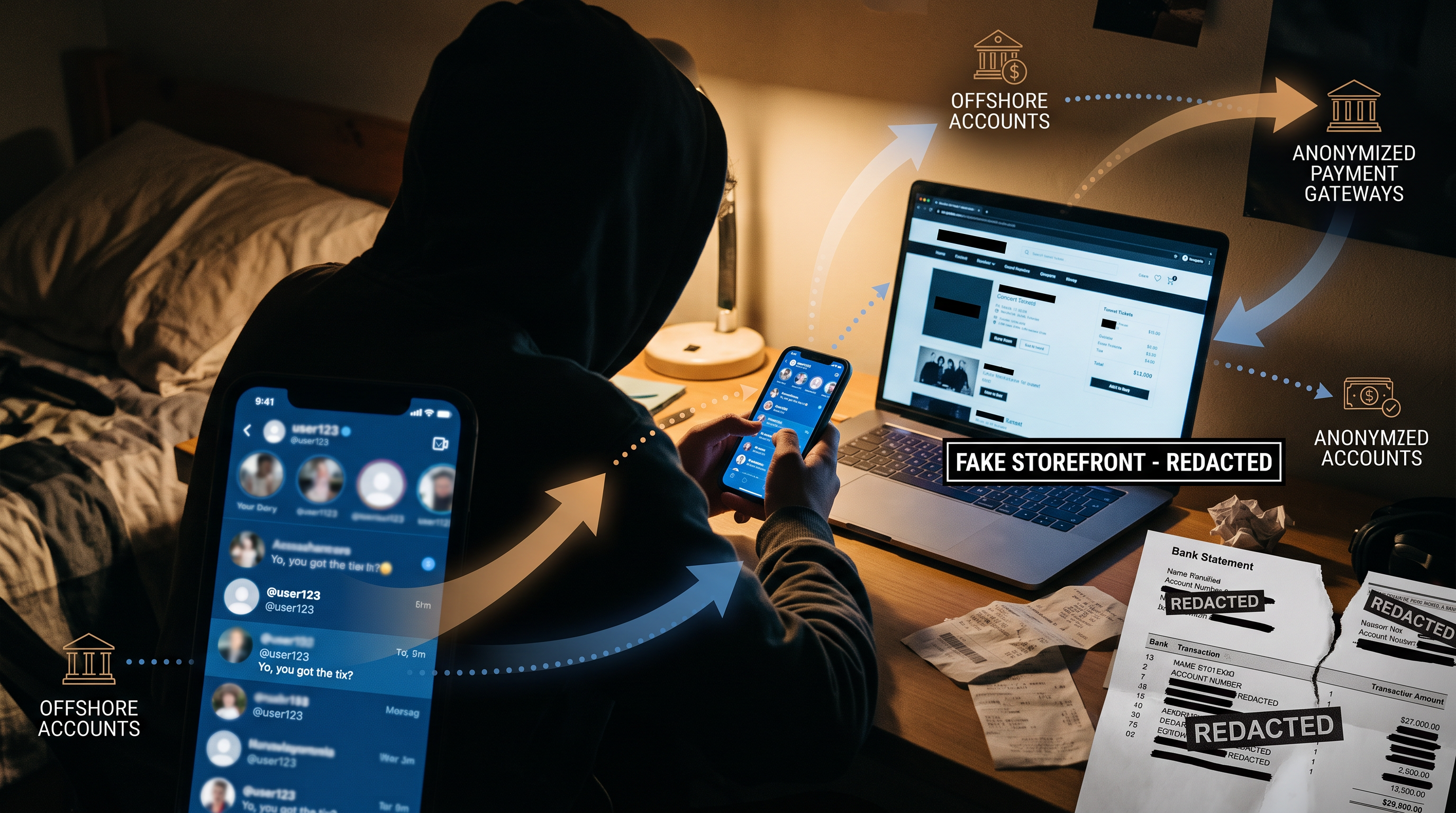
Payment forms collected credit card numbers and personal data. Third-party checkout services were layered in to add a false sense of legitimacy. Customer support contacts were fake. Products were never shipped. By the time most victims realized what had happened, their payment details were already being used or sold on the dark web.
Al Roker Is Not Alone: A Growing Wave of Celebrity Deepfake Fraud
This scam did not appear in a vacuum. Celebrity deepfake fraud has been surging across platforms. As AARP’s guide to the biggest scams to watch in 2026 highlights, imposter scams using AI-generated likenesses of celebrities are now among the top fraud threats facing consumers today. Cases involving other high-profile figures have followed a nearly identical playbook.
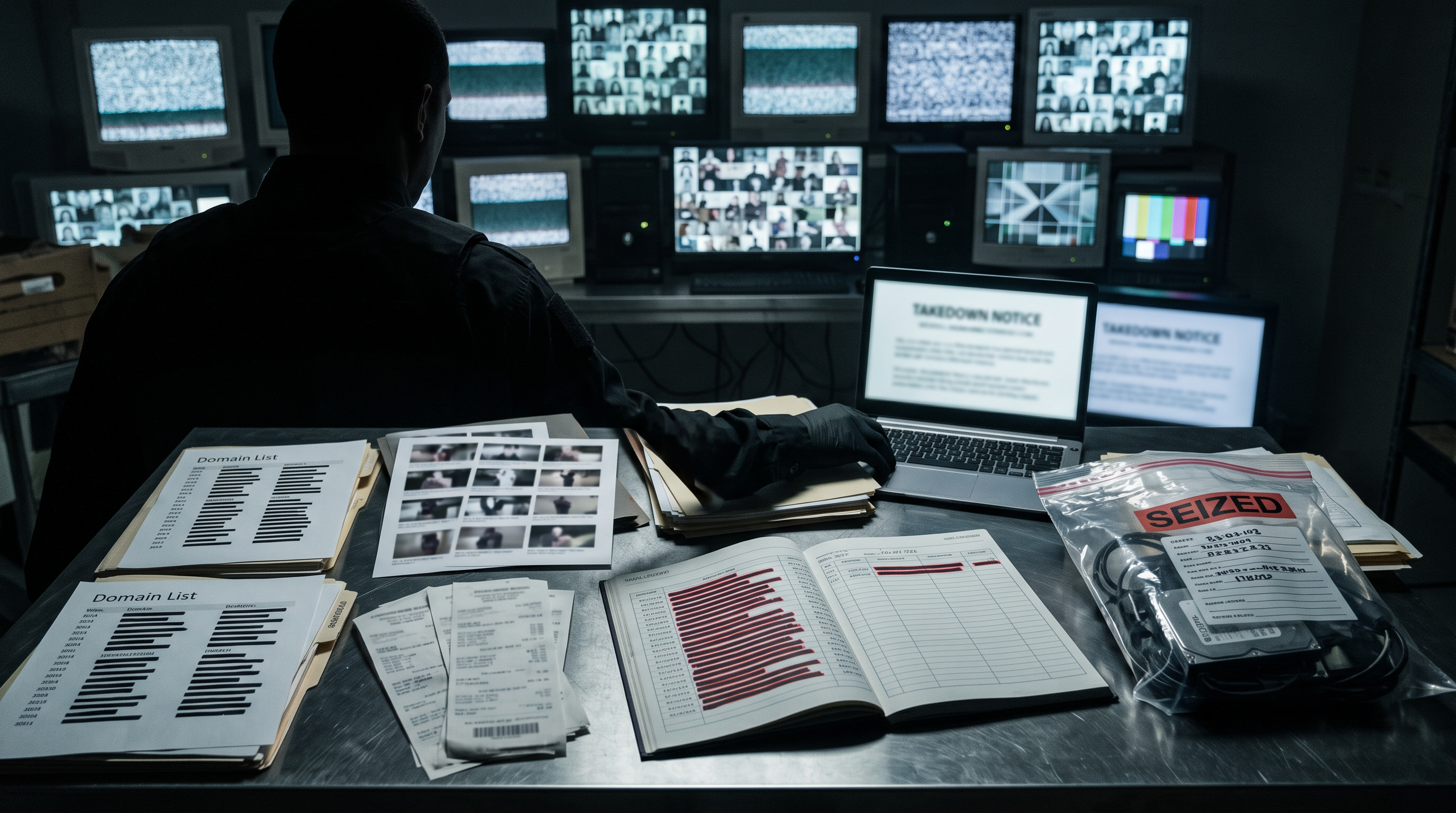
Platforms are struggling to keep pace. By the time a fraudulent ad is reported and reviewed, it may have already reached hundreds of thousands of users. Scammers rotate ad accounts, domain names, and video variations faster than manual review systems can respond.
Why This Fraud Is Hard to Police
Three factors make AI celebrity scams especially difficult to stop:
- Speed of creation: A convincing deepfake can be produced in hours, not weeks.
- Low cost: Ad campaigns can be launched with small budgets and scaled up once a video gains traction.
- Platform gaps: Ad verification systems were not designed to detect synthetic media at the volume these scammers produce it.
Regulatory bodies are pushing for synthetic media labeling requirements and faster platform takedown standards, but enforcement is still catching up to the technology.
How to Protect Yourself From AI Celebrity Health Scams
You do not have to wait for regulators to act. There are concrete steps you can take right now to protect yourself and the people you care about.
- Treat unsolicited celebrity health endorsements as false by default. Real medical advice does not come through a social media ad. If a celebrity appears to be endorsing a health product out of nowhere, assume it is fabricated until you can verify it through official channels.
- Consult a real doctor before buying any supplement. No video, no matter how convincing, replaces a conversation with a licensed medical professional.
- Never enter card details on an unfamiliar landing page. If you arrived at a page through a social media ad and the URL does not match a well-known outlet, close the tab immediately.
- Screenshot and report. Capture the ad, the URL, and any landing page content. Report the ad directly to the platform where you saw it.
- File a complaint with the FTC. In the United States, you can report fraud at the Federal Trade Commission’s consumer complaint portal. The FTC tracks imposter scams and uses complaint data to pursue enforcement actions.
What Needs to Change at the Platform Level
Individual vigilance only goes so far. The ad ecosystems that allowed this scam to reach mass audiences need structural reform. Researchers and consumer advocates are calling for mandatory AI-generated content labeling, stricter identity verification for health-related ad buyers, and faster automated detection of synthetic video in ad submissions.
Until those systems are in place, scammers will keep running the same playbook. The Al Roker deepfake case is not a one-off incident. It is a preview of what scaled AI fraud looks like, and the volume is only going to increase.
Final Thoughts: Stay Skeptical, Stay Safe
The Al Roker deepfake health scam is a wake-up call for every social media user. Generative AI has handed bad actors a tool that can turn any public figure into a fictional spokesperson for fraud in a matter of hours. Your best defense is a healthy dose of skepticism and a habit of verifying before you trust.
If you see a celebrity endorsing a health product in a social media video, pause before you click. Search the person’s name along with the product name. Check their official social accounts. Ask your doctor. These three steps could save you from becoming the next victim. Share this article with someone who needs to hear it today.
Frequently Asked Questions
What is the Al Roker deepfake health scam?
The Al Roker deepfake health scam involved scammers using AI-generated synthetic video of the NBC weatherman to falsely promote an unapproved supplement claiming to treat hypertension. The video spread through paid social media ads and directed victims to fake news landing pages that collected payments and personal data for products that were never delivered.
How can I tell if a celebrity health endorsement video is a deepfake?
Look for unnatural blinking, slight lip-sync mismatches, or unusual lighting around the face. More importantly, check the celebrity’s official social media accounts and website to see if they have mentioned the product. If the video appeared only through a paid ad and links to an unfamiliar site, treat it as suspicious regardless of how real it looks.
Are AI celebrity deepfake scams becoming more common?
Yes. Security researchers, consumer protection agencies, and organizations like AARP have all flagged AI-generated celebrity imposter scams as one of the fastest-growing fraud categories in 2025 and 2026. The low cost of creating synthetic media and the ease of deploying social media ads have made this type of fraud increasingly common.
What should I do if I already paid money to one of these scams?
Contact your bank or credit card company immediately to dispute the charge and request a new card number. Change any passwords associated with the email address you used. File a complaint with the FTC at reportfraud.ftc.gov. Save all screenshots, URLs, and transaction records as supporting evidence for your dispute.
Can platforms be held responsible for hosting deepfake scam ads?
This is an evolving legal and regulatory question. Currently, major platforms operate under liability protections for third-party content, but regulators are increasing pressure to enforce stricter ad verification standards. Proposed legislation in several countries would require platforms to label AI-generated content and remove fraudulent synthetic media faster than current voluntary standards allow.