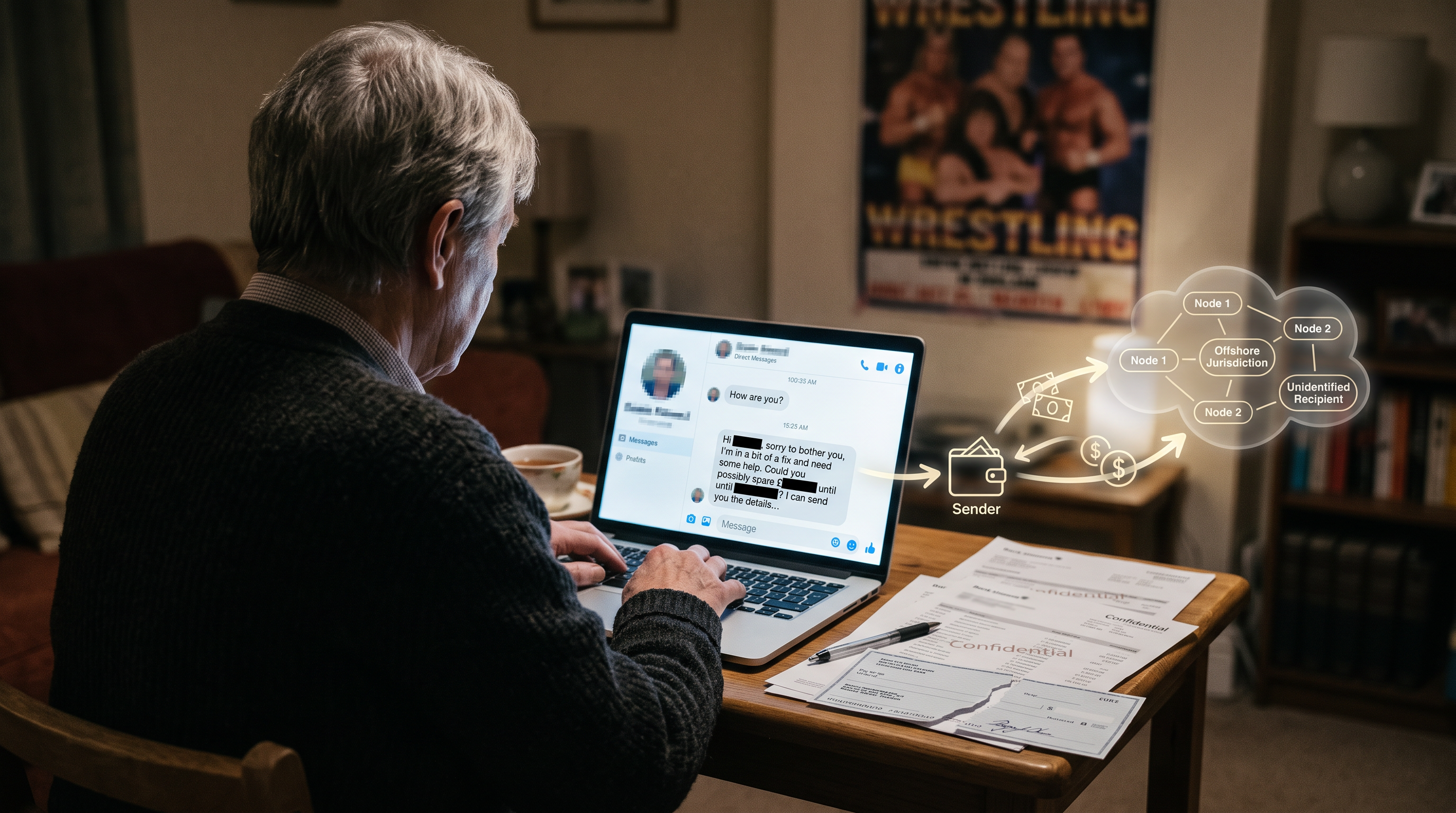
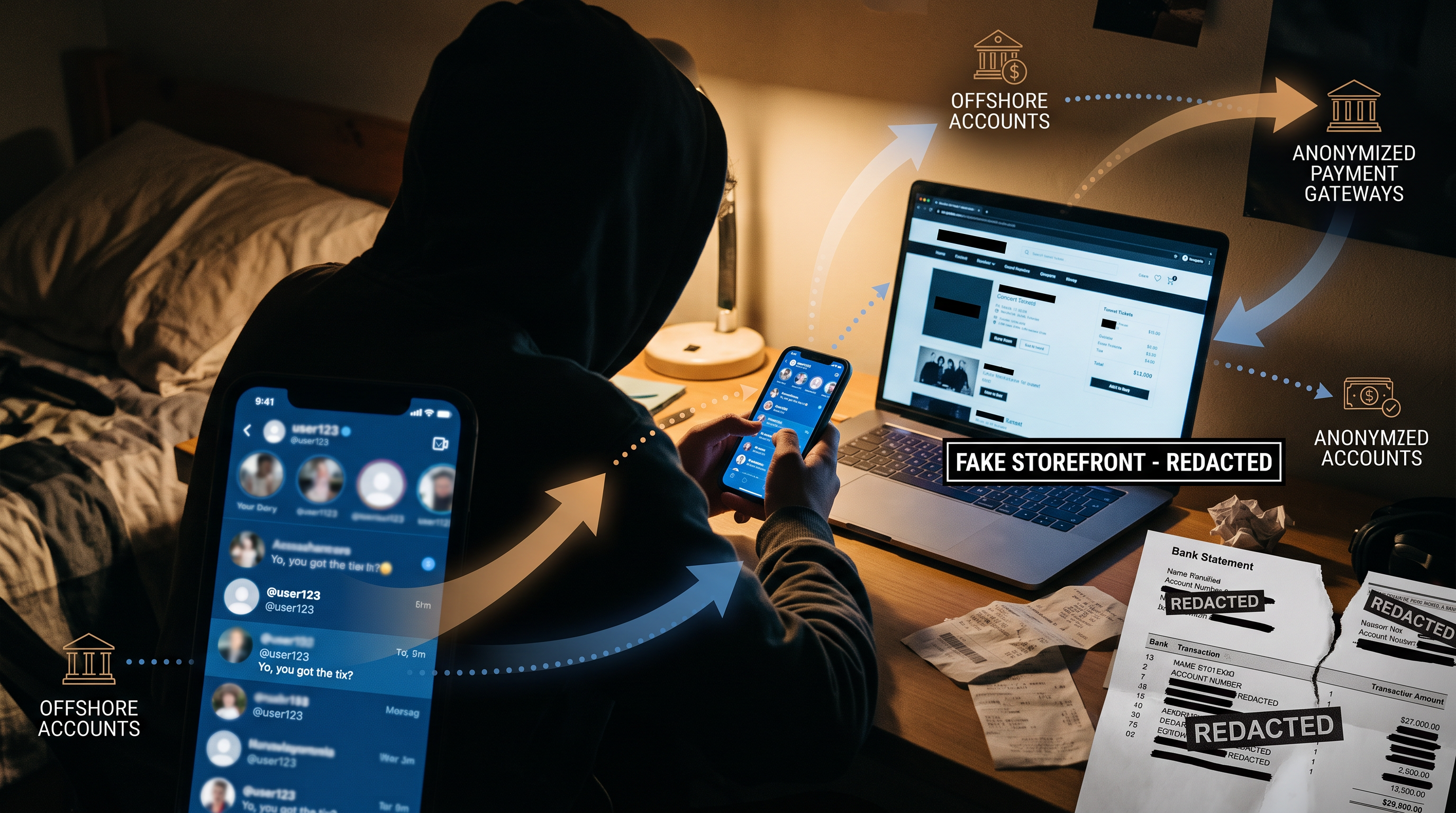
You scroll through your feed and see a familiar face promoting a miracle investment opportunity. The voice sounds real. The video looks real. But here is the thing — it is not real at all, and falling for it could cost you everything you have saved. AI-powered deepfake scams are hitting record levels in 2026, and social media platforms have become the primary hunting ground.
Why AI Deepfake Scams Are Reaching Record Levels
The rise of deepfake technology has fundamentally changed the scam landscape. What used to require a Hollywood production budget can now be done by anyone with a laptop and a few hours of spare time. Scammers are using AI tools to clone voices, generate fake video endorsements, and build cloned social profiles that are nearly indistinguishable from the real thing.
According to a recent Euronews report, deepfake scams targeting social media users have surged to record levels, with platforms struggling to keep pace with the volume and sophistication of fraudulent content. The numbers are staggering, and the harm being done to ordinary people is very real.
Deepfakes Remove the Classic Red Flags
Traditionally, scams were easier to spot. Poor grammar, pixelated images, and suspicious email addresses were dead giveaways. But AI deepfake scams have wiped out many of those warning signs. A scammer can now produce a convincing video of a well-known face saying exactly what they need it to say, complete with natural lip movement and vocal tone.
This means the gut-check most people rely on — does this look legitimate? — is no longer a reliable filter. The visual and audio cues that once screamed fake now scream authentic. That shift alone explains why so many people, including smart and cautious ones, are getting caught out.
How Scammers Actually Make Money From Deepfake Fraud
Understanding the monetization model behind these scams helps you recognize the patterns before it is too late. Scammers are not randomly throwing content at the wall. They follow a very deliberate playbook designed to extract money as quickly and cleanly as possible.
Here are the most common ways deepfake scam operations cash out:
- Subscription traps: Victims are lured into signing up for services with a small initial charge, which then escalates into recurring billing that is hard to cancel.
- Gift card demands: A fake authority figure (often posing as a government agency or tech company) insists payment must be made via gift cards, which are untraceable and non-refundable.
- Crypto and Zelle transfers: Scammers push victims toward cryptocurrency wallets or instant bank transfers, knowing these transactions are nearly impossible to reverse.
- Fake medical endorsements: A cloned video of a doctor or celebrity promotes a dubious health product, with victims charged repeatedly after a trial purchase.
The cross-border routing of ads and payments adds another layer of complexity. Scammers often run ads through shell accounts in multiple countries, making enforcement and fund recovery extremely difficult for both victims and authorities.
Romance Scams and Fake Endorsements: Real People, Real Damage
Two categories of deepfake scams are causing outsized harm right now. The first is romance scams, where AI-generated personas build emotional connections with victims over weeks or months before requesting money. The FTC has documented how romance scam victims lose more money per incident than almost any other fraud category, with losses often running into the tens of thousands of dollars.
The second major category is fake celebrity or expert endorsements. A deepfake video of a trusted public figure praising a financial product or supplement can go viral before any platform can flag it. By the time the content is removed, thousands of people have already clicked through and potentially handed over their payment details.
Platforms Are Fighting Back, But Slowly
Social media companies are not sitting completely idle. Meta, for example, has taken legal action against scam networks operating out of Brazil, as reported by The Hacker News, signaling a more aggressive posture toward impersonation fraud. But lawsuits take time, and scammers move fast. New accounts, new ad creatives, and new payment routes can be spun up in hours.
Platform-level detection is improving, but it is still playing catch-up. The volume of content uploaded to social media every minute makes comprehensive human review impossible, and AI detection tools are locked in a constant arms race with the AI tools scammers use to generate content.
How to Verify Endorsements and Protect Yourself
The good news is that you do not need to be a tech expert to protect yourself from deepfake scams. A few simple habits dramatically reduce your risk.
Steps to Take Before You Trust Any Online Endorsement
- Demand a live, dated video response. If someone online claims to be a real person, ask them to record a short video saying today’s date and a specific phrase only you would know. No deepfake operation is going to do that on demand.
- Reverse image search everything. Drag any profile photo into Google Images or TinEye. Stolen photos almost always show up linked to other names and accounts.
- Check official channels directly. If a celebrity or brand is promoting something, go directly to their verified official website or social media profile, not the link you were sent.
- Preserve screenshots and metadata. If something feels off, take screenshots immediately. This evidence helps when reporting to platforms and authorities.
- Check your bank and card statements weekly. Subscription traps often start small. Catching an unauthorized charge early is the fastest way to minimize damage.
Never Send Money to Unsolicited Contacts
This one rule, if followed consistently, would stop the majority of deepfake scams cold. No legitimate investment opportunity, government agency, or business partner will demand urgent payment via gift card, crypto, or Zelle from someone they have only met online. If that pressure appears, it is a scam — full stop.
Report unauthorized charges immediately to your bank and dispute them. File a report with the FTC at reportfraud.ftc.gov and flag the content on whatever platform you encountered it. Every report makes the data picture clearer and helps enforcement agencies build stronger cases.
The Bottom Line on Deepfake Scams in 2026
We are in an era where seeing is no longer believing. The rapid escalation of AI-enabled impersonation scams means every single person with a social media account is a potential target, regardless of age, education, or tech savvy. The scammers are sophisticated, well-funded, and operating across borders specifically to make accountability hard.
Your best defense is a combination of healthy skepticism, verified information, and fast action when something feels wrong. Share this article with someone you care about. The more people understand how these scams work, the harder they become to run.
Frequently Asked Questions About AI Deepfake Scams
What is a deepfake scam and how does it work?
A deepfake scam uses AI-generated video, audio, or images to impersonate a real or fictional person convincingly. Scammers use these tools to fake celebrity endorsements, create romantic personas, or pose as authority figures to trick victims into sending money or personal information.
How can I tell if a video endorsement is a deepfake?
Look for unnatural blinking patterns, mismatched lip sync, strange lighting around the face, or audio that does not quite match the mouth movements. If a public figure is endorsing something that seems out of character, go directly to their official verified accounts to check whether the promotion is real.
What should I do if I have already sent money to a deepfake scammer?
Contact your bank or card issuer immediately to dispute the charge and request a freeze on further transactions. Report the scam to the FTC at reportfraud.ftc.gov and to the platform where you encountered it. If you sent cryptocurrency, contact the exchange you used, though recovery options are limited.
Are social media platforms doing anything to stop deepfake scams?
Yes, but progress is slow. Platforms like Meta have filed lawsuits against scam networks and are investing in AI detection tools. However, the sheer volume of content uploaded daily and the speed at which scammers adapt means platform defenses remain incomplete. User reporting remains a critical part of the detection system.
Why do scammers prefer gift cards, crypto, and Zelle as payment methods?
These payment methods share one key characteristic: they are extremely difficult or impossible to reverse once completed. Unlike credit card payments, which have built-in dispute protections, gift cards and crypto transfers are final the moment they are made. Scammers know that irreversibility is their best financial protection against being caught and refunding victims.