Scrolling through TikTok or Instagram, you might see your favorite celebrity urging you to invest in cryptocurrency or enter to win an exclusive prize. The video looks real, and the voice even matches—but this could easily be a deepfake scam targeting unsuspecting users.
The Rise of AI Deepfake Scams in 2026
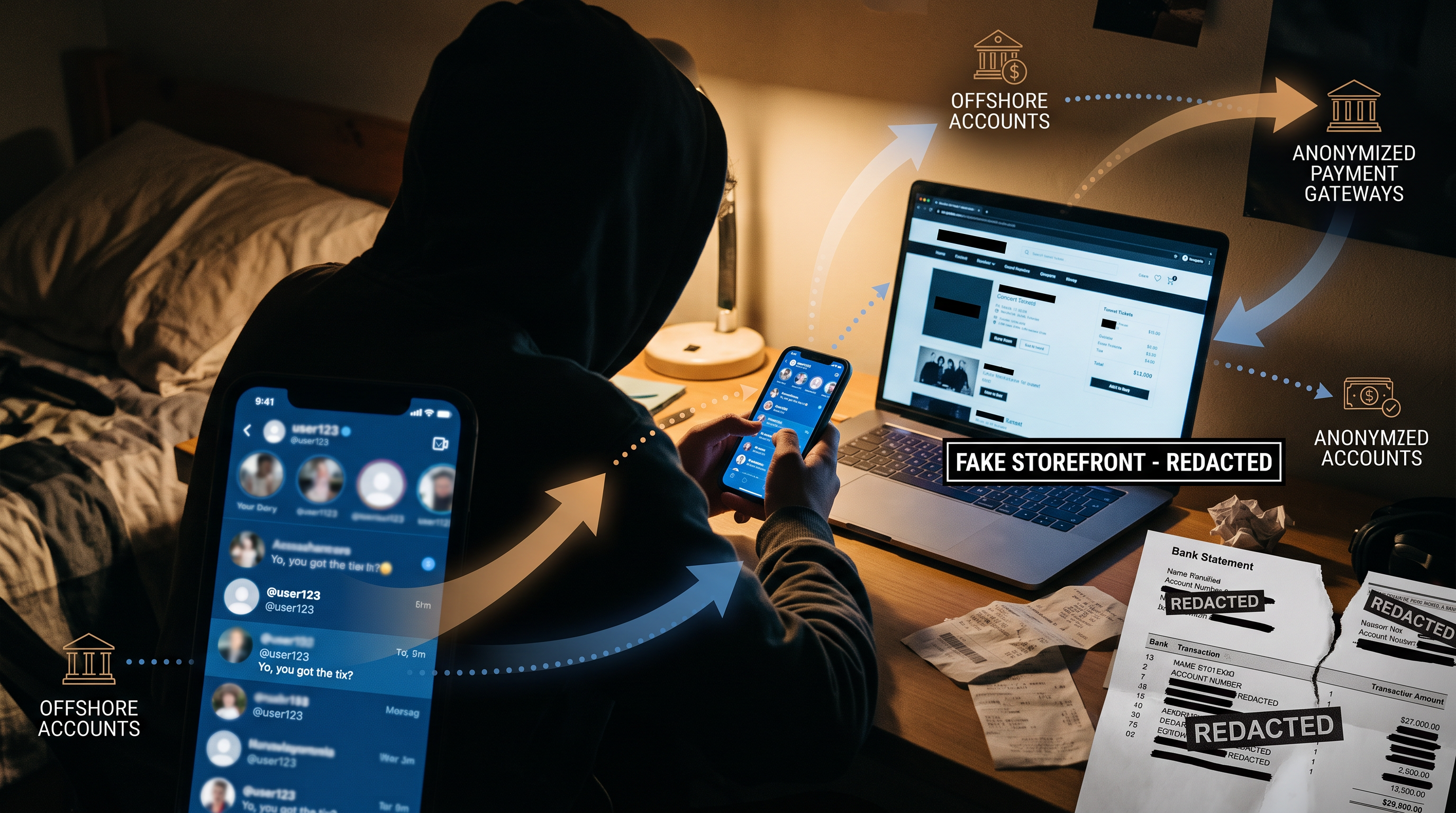
With advances in AI technology, deepfake scams have exploded in frequency and realism. According to a Euronews report, fraudsters are now using high-quality AI voice and video cloning to convincingly imitate celebrities, tech moguls, or even ordinary friends and relatives. These forgeries are deployed via fake social media profiles, paid ads, and direct messages designed to steal your money or personal information.
Popular Deepfake Scam Types
- Investment Impersonations: Deepfake videos show a known figure pitching a new investment, often in cryptocurrency or stocks.
- Fake Giveaways: Scammers run synthetic promos, requiring victims to pay a “processing fee” or share sensitive data to claim fake prizes.
- Romance & Emergency Scams: AI-cloned voices and faces pretend to be loved ones in urgent need of money.
Why Are These Scams So Effective?
Deepfakes prey on our natural trust in visuals and familiar voices. AI can now synthesize facial mannerisms, speech patterns, and emotional cues from just a few minutes of real video or audio. Combined with social engineering tactics, scammers have a powerful formula: instant credibility plus urgent requests for money or information.
How to Protect Yourself:
- Verify, Don’t Trust: Always double-check endorsements or urgent requests. Use official websites and search for scam alerts.
- Beware of Urgency: Scammers pressure you to act fast. Pause and question unexpected requests—even from known contacts.
- Don’t Click Suspicious Links: Avoid links sent via DMs, emails, or ads, even if they seem to come from celebrities or friends.
- Report and Screenshot: If you see a suspected deepfake scam, screenshot all evidence and report to the platform and authorities.
What To Do if You’re Targeted
If you’ve fallen for a deepfake scam, act fast: Contact your bank or payment provider, report the fraud to the FTC or relevant authority, and change your passwords.
Conclusion
AI deepfake scams are an urgent threat in our digital lives, targeting both new and experienced internet users. By staying vigilant, verifying all online offers, and reporting suspicious activity, you can protect yourself and help others stay safe in an era where seeing is no longer believing.