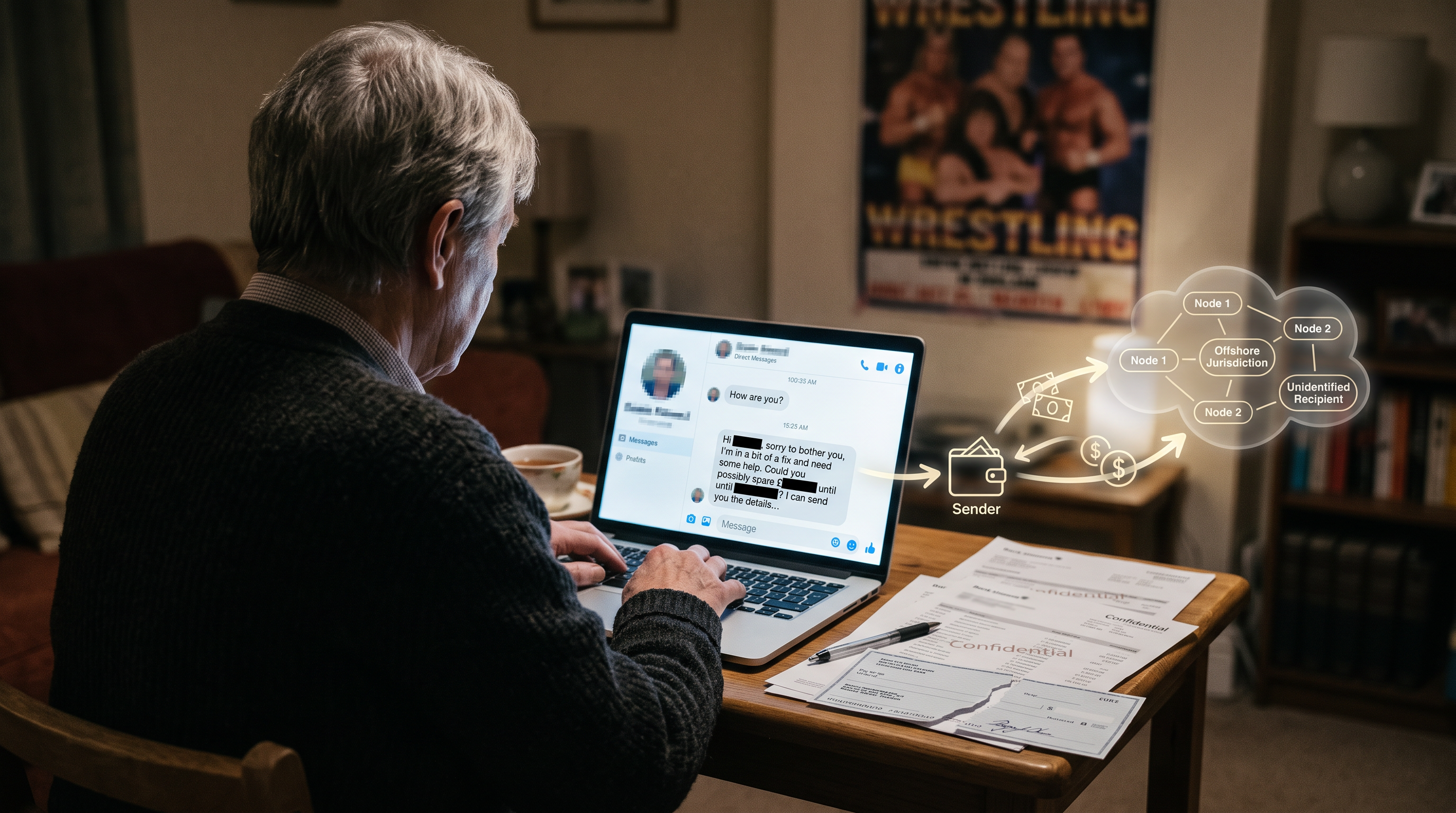
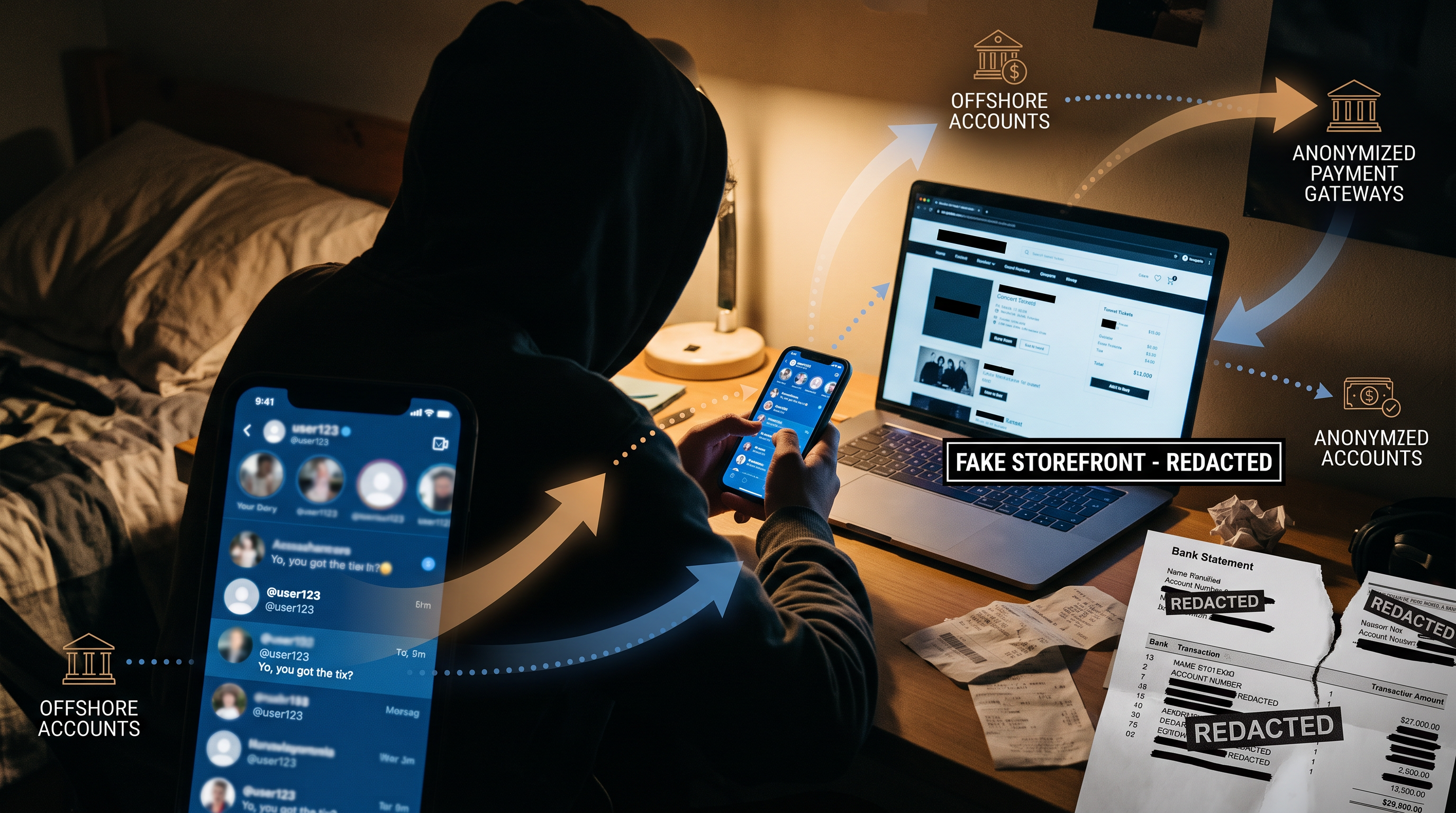
You get a DM from what looks like Taylor Swift. The profile is verified, the voice sounds exactly right, and she wants to send you a gift. Sounds incredible, right? That is exactly what scammers are counting on. AI-powered celebrity imposter scams have exploded in 2025, and millions of people are falling for them before they ever realize what hit them.
What Is an AI Celebrity Imposter Scam?
An AI celebrity imposter scam is a fraud scheme where criminals use artificial intelligence tools to clone or fully synthesize the likeness, voice, and online presence of a famous person. The goal is simple: trick fans into trusting a fake identity and then steal their money.
What makes these scams so dangerous right now is the technology. Generative AI has made it shockingly cheap and fast to produce convincing deepfake video, cloned audio, and fake social media profiles that look nearly identical to the real thing. Fraudsters can spin up a convincing fake in hours, not weeks.
How Deepfake Technology Powers These Frauds
Deepfake tools can now replicate a celebrity’s voice from just a few seconds of audio. Video cloning is not far behind. Scammers layer this technology on top of stolen photos, scraped posts, and AI-written captions to build profiles that pass a casual glance. The result is a fake account that looks verified, sounds authentic, and behaves exactly like the real celebrity would online.
Reports this year have specifically named figures like Sabrina Carpenter and Taylor Swift as impersonation targets, but virtually any celebrity with a large fan base is fair game. The bigger the name, the bigger the trust shortcut for a scammer.
The Anatomy of an AI Celebrity Imposter Scam
These scams follow a predictable playbook once you know what to look for. Understanding the flow from first contact to financial loss is one of the best tools you have for protection.
- The hook: A fake verified-looking account or a paid social media ad catches your attention. It might promise a giveaway, a personal message, or an exclusive investment opportunity endorsed by the celebrity.
- The move off-platform: The scammer quickly pushes you to a private channel, a DM, Telegram group, or a fake landing page. This removes you from the platform’s fraud detection systems.
- The trust build: The fake celebrity persona engages with you personally, sometimes using AI chatbots to sustain long conversations that feel genuine over days or even weeks.
- The ask: Eventually, the request comes. Gift cards, wire transfers, or cryptocurrency payments are demanded. The reasons vary but always create urgency. A tax fee, a shipping cost, or a processing charge are common excuses.
- The vanish: Once payment is made, the scammer disappears. The account gets taken down, only to be recreated almost immediately under a slightly different name.
According to AARP’s reporting on celebrity imposter scams, the emotional manipulation involved is sophisticated and deliberate. Victims are not being careless. They are being targeted by professionals who understand exactly how to exploit trust and fan loyalty.
The Scale of the Problem in 2025
The numbers are staggering. Aggregated losses from AI-driven imposter scams are tracking around $5.3 billion this year alone. That figure is not just a headline. It represents real people who lost savings, retirement funds, and in some cases their financial stability entirely.
The reason losses are scaling so fast comes down to two factors working together. First, generative AI has collapsed the cost of fabricating convincing content. Second, paid social media advertising allows scammers to reach millions of targeted users for a small investment. A fraudster can put a deepfake celebrity ad in front of 500,000 engaged fans for a few hundred dollars, then watch a percentage convert into victims.
Why Platforms Struggle to Stop It
Platform takedowns happen regularly, but the accounts come right back. The same scam infrastructure can be rebuilt and redeployed in minutes. The speed gap between fraud creation and platform enforcement is where the damage happens. International cyber units and the FBI’s Internet Crime Complaint Center (IC3) are actively working these cases, but cross-border jurisdiction makes prosecution slow and difficult.
Scamwatch Australia has issued formal alerts about fake celebrity online investment scams operating globally, confirming this is not a problem isolated to one country or one platform. These operations are coordinated, professional, and international.
Who Gets Targeted and Why
Anyone who follows celebrities online is a potential target. But scammers are especially sophisticated in how they select victims. They use data from public profiles, engagement patterns, and ad targeting algorithms to identify people who are highly emotionally invested in a specific celebrity. Fans who comment frequently, share content compulsively, or belong to dedicated fan communities are high-priority targets.
Older adults are disproportionately impacted because they may be less familiar with deepfake technology and more likely to take an unexpected celebrity contact at face value. But younger fans are targeted too, particularly through investment scam variants that promise celebrity-endorsed crypto or exclusive opportunities.
Romance and Investment Variants Are Especially Destructive
Some AI celebrity imposter scams evolve into what are called romance scams or pig butchering scams. The fraudster builds a weeks-long emotional relationship before making any financial request. By that point, the victim has strong feelings of connection and trust. These variants tend to produce the largest individual losses because victims are emotionally committed before they see any red flags.
How to Protect Yourself From Celebrity Imposter Scams
The good news is that there are clear, practical steps you can take to protect yourself right now. These are not complicated. They just require a moment of critical thinking before you act.
- Never send money based on unsolicited contact. No real celebrity is going to cold-message you and ask for a gift card or wire transfer. Full stop.
- Verify through official channels only. If a celebrity account reaches out, go directly to their verified official website or blue-checked social profiles to cross-reference. Do not trust links provided in the message itself.
- Request a live, dated video response. Ask the person to hold up a piece of paper with today’s date written on it while speaking. Pre-recorded deepfakes cannot fulfill this request in real time.
- Look for inconsistencies in the account history. Fake accounts often have short histories, recycled content, and engagement patterns that do not match a real celebrity’s reach.
- Preserve all metadata if you suspect a scam. Screenshot conversations, note URLs, and save any communications before reporting. This information is valuable to investigators.
- Report immediately. File a complaint with your platform, and then report to the FBI IC3 at ic3.gov or your local cybercrime unit. Early reporting helps investigators track patterns and shut down operations faster.
What to Do If You Have Already Been Scammed
If you have already sent money, act fast. Contact your bank or payment provider immediately to attempt a reversal, especially if the transfer was recent. Cryptocurrency and gift card payments are harder to recover, but reporting them still matters for the investigation record.
Do not feel embarrassed. These scams are engineered by professionals who have invested real resources in making them believable. Reporting your experience could prevent the next victim from losing their savings.
The Bottom Line on AI Celebrity Scams
AI celebrity imposter scams are not a niche problem or a future threat. They are happening right now, at scale, and they are getting more convincing every month. The combination of deepfake technology, social media reach, and irreversible payment methods makes this one of the most damaging fraud categories operating today. Staying informed, staying skeptical, and knowing the warning signs is your strongest defense.
Share this article with someone you care about. The more people understand how these scams work, the harder they become to run.
Frequently Asked Questions About AI Celebrity Imposter Scams
How can I tell if a celebrity account messaging me is real?
Real celebrities do not typically send unsolicited private messages to fans requesting money or personal information. Always verify by visiting the celebrity’s official website or their confirmed social media profiles independently. If there is any doubt, assume it is a scam.
What payment methods do celebrity imposter scammers usually demand?
Scammers prefer gift cards, wire transfers, and cryptocurrency because these are difficult or impossible to reverse once sent. If any contact demands payment in these forms, treat it as an immediate red flag regardless of who the person claims to be.
Are deepfake celebrity videos easy to detect?
Pre-recorded deepfakes can be very convincing, but they often show subtle flaws like unnatural blinking, slight audio sync issues, or inconsistent lighting. Asking for a live video with a specific real-time action, like holding a handwritten note with today’s date, is currently the most reliable consumer-level detection method.
Where should I report an AI celebrity imposter scam?
Report to the platform where the contact occurred first, then file a complaint with the FBI Internet Crime Complaint Center at ic3.gov. If you are outside the United States, contact your national cybercrime reporting authority. Preserving screenshots and conversation logs before reporting will strengthen any investigation.
Why are these scams increasing so fast in 2025?
Generative AI has made it cheap and fast to clone voices, synthesize video, and build convincing fake identities. Combined with social media advertising tools that can target millions of emotionally engaged fans at low cost, the economics of running these scams have shifted dramatically in favor of fraudsters. The result is a rapid scale-up in both volume and sophistication.