AI-generated deepfakes and voice clones now make it shockingly easy for scammers to impersonate celebrities and fool unsuspecting fans. From fake investment tips to bogus giveaways, criminals are increasingly leveraging advanced tools to build trust and steal money at scale.
How AI-Powered Celebrity Scams Work
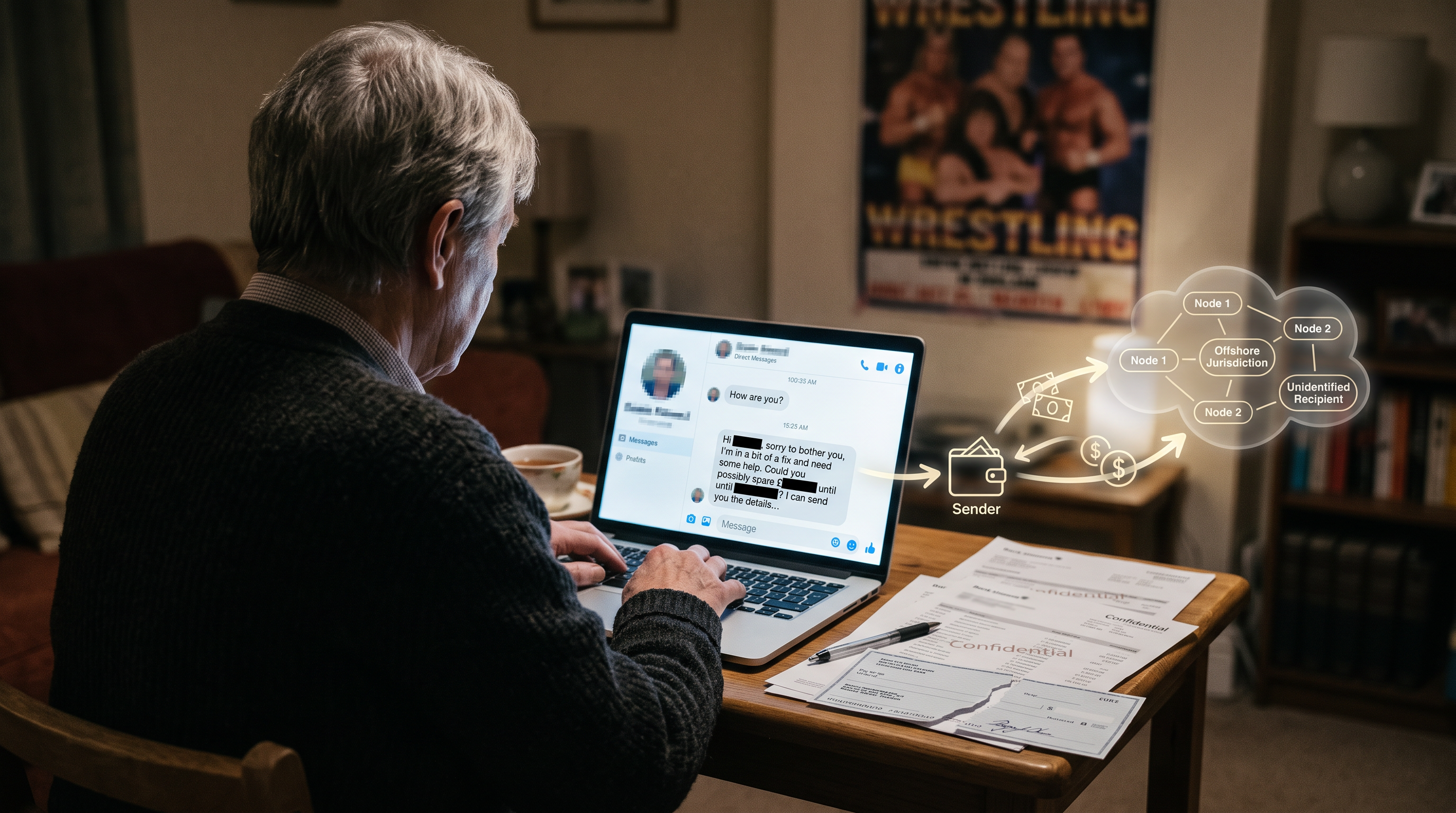
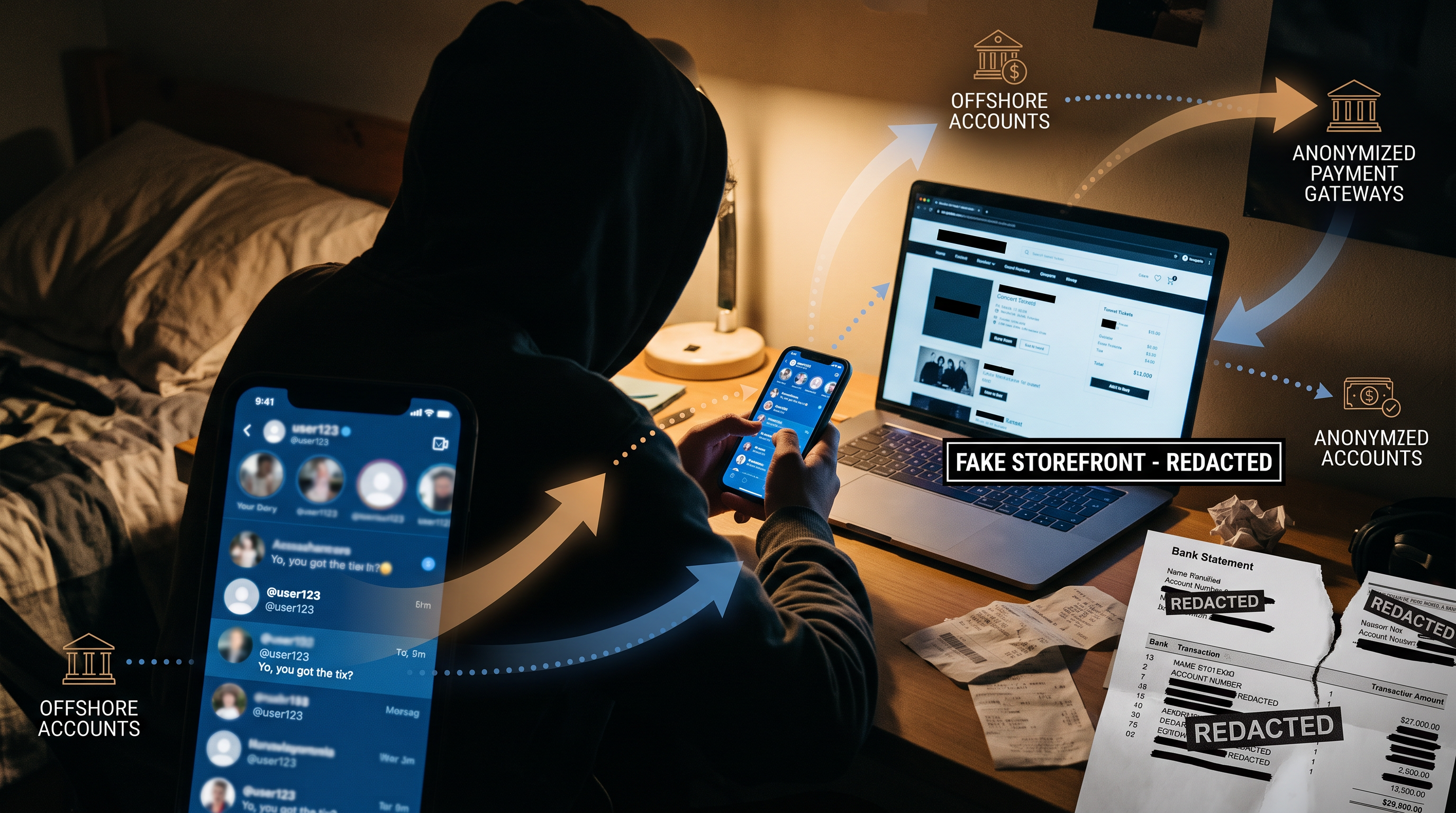
These scams follow a familiar pattern: a seemingly real celebrity reaches out via social media, email, or direct message. The imposter may use deepfake videos, cloned voices, verified-looking accounts, and professional graphics to convince you the offer is genuine. Victims are lured into fake investment platforms, asked to send money or crypto, or pressured into revealing personal information.
Common Scam Tactics
- Fake investment endorsements: Deepfake videos show celebrities vouching for crypto or stocks.
- Bogus giveaways: Fans are asked to send crypto or money to ‘verify eligibility.’
- Exclusive meet-and-greets: Victims pay for access that never materializes.
Why These Scams Are So Convincing
Modern AI tools can recreate a celebrity’s likeness and voice from just seconds of publicly available media. Combined with emotional appeals and urgency, this realism drops your guard and makes doubt less likely. Verified-looking profiles and paid promotions add further credibility.
How to Protect Yourself
- Be skeptical. No legitimate celebrity will DM you for money or personal details.
- Check official accounts. Verify messages through official websites or verified social handles. Don’t trust links sent via DM.
- Look for red flags. Requests for payment via crypto or gift cards, urgent timelines, or chats that quickly move off social media.
- Save evidence. Screenshot conversations, video messages, and profiles if you suspect a scam.
- Report imposters. Alert the platform and file a complaint with authorities like the FTC.
The Bottom Line
AI celebrity imposter scams are growing rapidly and becoming more sophisticated. Fans of all ages are potential targets, especially in online fan communities. The best defense is skepticism: if a celebrity seems to be reaching out for money or data, it’s almost certainly a scam. Stay vigilant, share these tips, and keep your friends and family informed.