Imagine watching a video of your favorite celebrity personally recommending a product, asking for your help, or inviting you to an exclusive investment opportunity. It looks real. It sounds real. And that is exactly the problem. AI-powered celebrity impersonation scams have exploded in 2026, and millions of social media users are already in the crosshairs.
Why AI Celebrity Impersonation Scams Are Surging Right Now
There is no single headline-grabbing celebrity fraud story dominating today’s news cycle. Instead, what analysts and cybersecurity researchers are tracking is far more alarming: a sustained, coordinated wave of deepfake-driven scams targeting everyday people across TikTok, Instagram, Facebook, and YouTube.
What makes this trend so dangerous is the technology behind it. Generative AI has stripped away the classic red flags that once made fake videos easy to spot. Blurry images, robotic voices, and awkward lip-sync are largely a thing of the past. Today’s synthetic clips are convincing, scalable, and cheap to produce. Research firm Graphika has documented coordinated campaigns that use these synthetic clips specifically to build credibility before funneling victims off-platform for payments or credential theft.
The Role of Paid Ads in Spreading Fake Celebrity Content
Scammers are not just relying on organic reach. They are paying to promote deepfake content through the same ad platforms that legitimate brands use every day. This tactic, sometimes called ad cloaking, allows fraudulent content to appear in your feed right alongside genuine sponsored posts. The result is that victims have almost no visual cue that something is wrong before they click.
Once a user engages, they are typically redirected to a third-party site designed to harvest credit card details, collect personal information, or lock them into a subscription trap they never intended to sign up for.
How These Deepfake Celebrity Scams Actually Work
Understanding the mechanics of these scams is the first step toward protecting yourself. Here is how a typical AI celebrity impersonation campaign unfolds:
- A deepfake video is created using publicly available footage of a celebrity, processed through AI voice cloning and facial synthesis tools.
- The fake video is posted on TikTok, Instagram Reels, or YouTube Shorts, often with captions designed to trigger urgency or curiosity.
- Paid promotion amplifies reach, pushing the content to users who follow the real celebrity or engage with related topics.
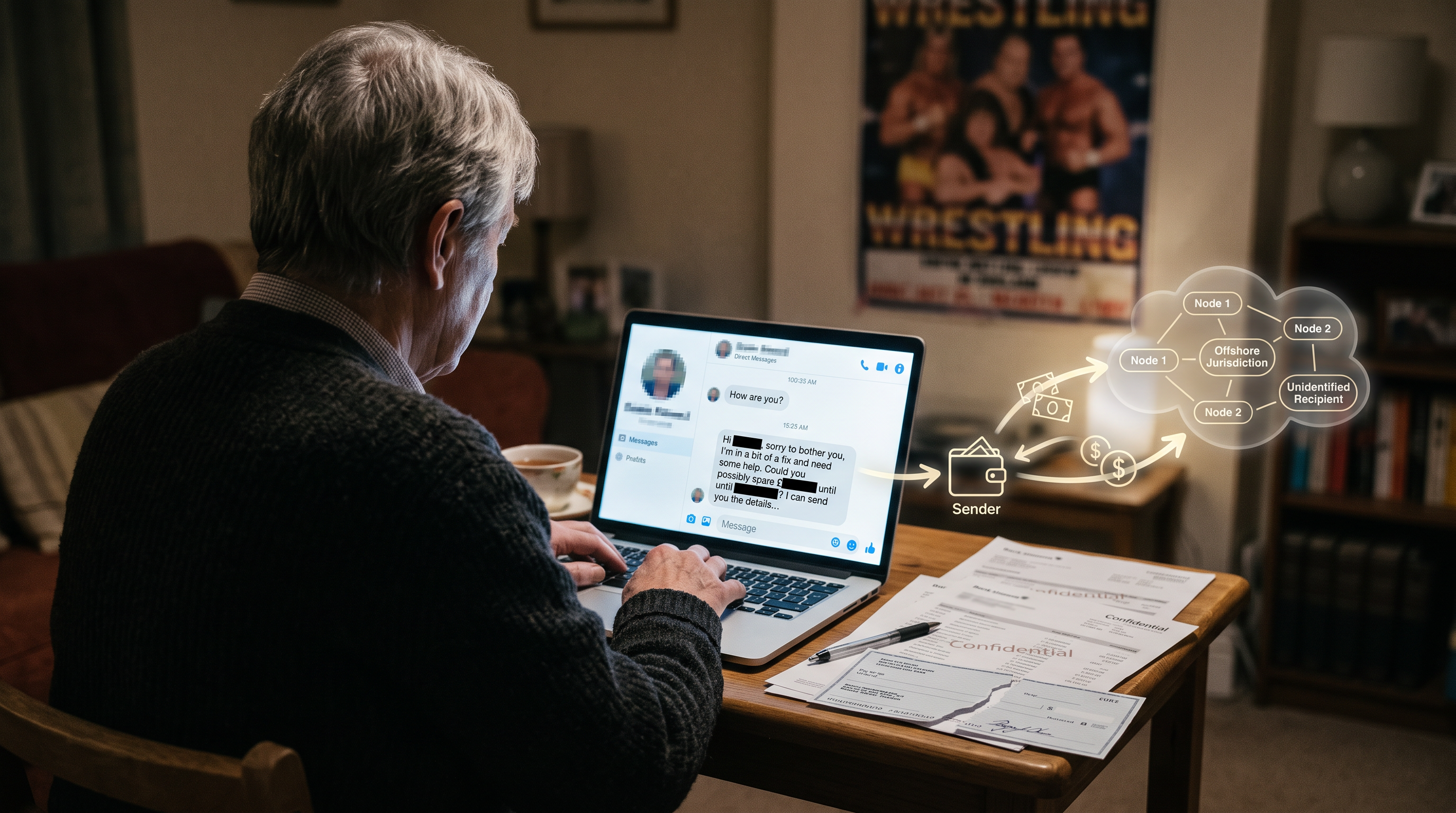
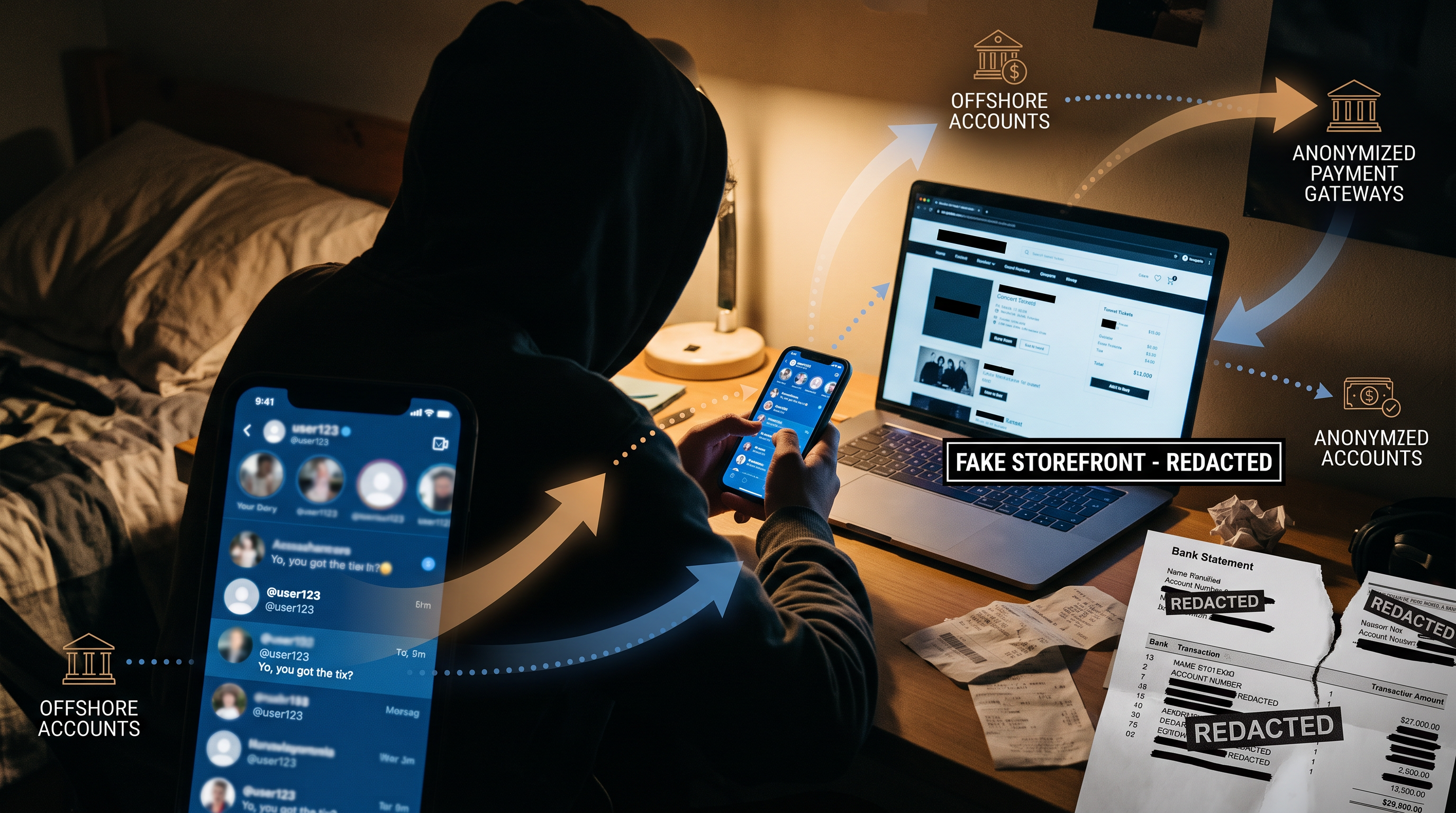
- Victims are directed off-platform via links in comments, bios, or pop-up overlays, leading to fraudulent websites or direct messaging threads.
- Payment is requested in the form of gift cards, cryptocurrency, or wire transfers, all of which are nearly impossible to reverse once sent.
Real Example: The Fake Reese Witherspoon Accounts
One of the most widely reported recent examples involves fraudulent accounts impersonating actress Reese Witherspoon. According to Scamicide’s reporting on AI-driven celebrity impersonation scams, these accounts used cloned voice audio and manipulated video to convince fans they were receiving a personal message. The endgame was financial: victims were asked to purchase gift cards or send crypto as part of a supposed charity drive or giveaway that never existed.
This is not a one-off incident. Similar campaigns have targeted fans of musicians, athletes, influencers, and even well-known business figures. The celebrity is irrelevant to the scammer. What matters is the trust and credibility that person’s image carries.
The Real Harm Behind Celebrity Deepfake Fraud
The consequences of falling for one of these scams go far beyond losing money, though that alone can be devastating. Victims report a range of serious harms:
- Financial loss ranging from a few hundred dollars to tens of thousands, with little to no chance of recovery when crypto or gift cards are involved.
- Identity theft when scam sites collect Social Security numbers, driver’s license details, or banking credentials under the guise of verifying a prize or processing a delivery.
- Health risks when fake celebrity endorsements promote unregulated supplements, miracle cures, or fraudulent medical devices that are never shipped or are genuinely harmful.
- Emotional harm, particularly for fans who feel a genuine personal connection to the celebrity being impersonated.
As Euronews reports, deepfake scams are reaching record levels precisely because platforms struggle to keep up with the volume of synthetic content being generated and distributed across borders. Takedowns happen, but the clones multiply faster than moderation teams can act.
What Platforms and Regulators Are Doing About It
Social media companies are not sitting entirely still. Meta has pursued legal action against operators running coordinated fake account networks, and TikTok has rolled out additional AI content labeling requirements. However, cross-border payment infrastructure and the sheer speed of AI content generation continue to give scammers a significant operational advantage.
Regulators in the US, UK, and EU are pushing for stronger liability frameworks that would require platforms to act faster on reported deepfake content. But legislation moves slowly, and scammers adapt quickly. In the meantime, personal vigilance remains your strongest line of defense.
How to Protect Yourself From AI Celebrity Impersonation Scams
You do not need to be a tech expert to stay safe. Follow these steps consistently and you dramatically reduce your risk:
- Verify endorsements through official channels. Before trusting any celebrity recommendation, check the celebrity’s verified account directly. If they are promoting something, it will be on their official profile too.
- Never send gift cards or crypto. No legitimate giveaway, charity, or business transaction requires these payment methods. Ever. Full stop.
- Request a live, dated video. If someone claims to be a celebrity or their representative in a direct message, ask them to post a live video through their verified account. Real people can do this. AI clones cannot respond in real time.
- Preserve screenshots and metadata. If you suspect a scam, take screenshots immediately. This documentation is essential if you need to report to a platform, law enforcement, or your bank.
- Report accounts immediately. Use the platform’s reporting tools the moment you identify suspicious activity. Also contact your bank right away if any unauthorized charges appear.
The Bottom Line on Deepfake Celebrity Fraud in 2026
There may not be one single celebrity scam dominating today’s headlines, but the broader trend is crystal clear: AI-enabled impersonation is the defining fraud threat of this moment. The technology is powerful, the tactics are evolving fast, and the financial and personal stakes are very real for victims.
Staying informed, staying skeptical, and verifying before you act are the habits that will keep you protected. Share this article with someone you know who is active on social media. Awareness is still the most effective scam prevention tool we have.
Frequently Asked Questions About AI Celebrity Impersonation Scams
What is a deepfake celebrity scam?
A deepfake celebrity scam uses AI-generated video or audio to impersonate a well-known person, typically a celebrity or public figure. Scammers use these synthetic clips to promote fake products, fake charities, or fake investment opportunities and trick victims into sending money or sharing personal information.
How can I tell if a celebrity video on social media is a deepfake?
Look for unnatural blinking, slightly mismatched lip movement, odd lighting around the face, or audio that sounds just slightly off. However, newer deepfakes are increasingly hard to detect visually. The safest approach is to verify any celebrity claim through their official, verified social media account before taking any action.
What should I do if I already sent money to a celebrity impersonation scam?
Contact your bank or credit card issuer immediately to report unauthorized or fraudulent charges and request a chargeback if applicable. Report the scam account to the social media platform. File a complaint with the FTC at ReportFraud.ftc.gov and, if crypto was involved, report it to the FBI’s Internet Crime Complaint Center at ic3.gov.
Are social media platforms doing enough to stop deepfake scams?
Platforms like Meta and TikTok have introduced AI content labeling and pursued legal action against scam operators, but enforcement remains inconsistent. The volume of AI-generated content far exceeds what current moderation systems can handle in real time, which is why personal vigilance and public awareness remain critically important.
Which celebrities are most often impersonated in deepfake scams?
Scammers target celebrities with large, highly engaged fan bases, including actors, musicians, athletes, and prominent entrepreneurs. Documented targets have included figures like Reese Witherspoon, and numerous other A-list names. Any celebrity with strong public trust and high social media following is a potential target for AI impersonation fraud.