Imagine watching a video of your favorite celebrity telling you about an incredible investment opportunity, only to find out that person never recorded a single second of that footage. That is exactly what millions of social media users are experiencing right now, and the numbers are breaking records. AI-powered celebrity deepfake scams have exploded across every major platform, and the technology behind them is so convincing that even sharp-eyed viewers are getting fooled.
What Are AI Celebrity Deepfake Scams and Why Are They Surging?
A deepfake scam uses artificial intelligence to generate synthetic video and cloned audio of a real public figure, typically a celebrity, politician, or business leader, without their knowledge or consent. Scammers feed hours of publicly available footage into AI models and produce polished, realistic clips in a matter of hours. The result looks and sounds authentic enough to bypass the instinctive skepticism most people apply to obvious spam.
The surge is not accidental. Deepfake generation tools have become cheaper and more accessible, while social media advertising systems make it easy to reach millions of targeted users at low cost. According to Euronews, deepfake scams are now reaching record levels by deliberately targeting social media users through paid promotions and algorithmic amplification. The combination of believable content and precise targeting is a scammer’s dream.
How Scammers Weaponize Trust and Urgency
Impersonating a trusted public figure does something ordinary phishing cannot do: it borrows credibility that took years to build. When a viewer sees a familiar face and hears a familiar voice promoting something, their guard drops before their brain catches up. Scammers then layer in urgency, limited time offers, exclusive access, or health claims that push victims to act fast rather than verify.
This combination is especially dangerous when the fake clips promote bogus medical products. Victims may not just lose money. They may delay real treatment or consume something harmful because they trusted a synthetic endorsement they believed was genuine.
The Mechanics Behind a Celebrity Deepfake Scam Campaign
Understanding how these scams actually work is the first step to avoiding them. The operation moves through several clear stages, and each one is designed to remove friction between the victim and their wallet.
- Content creation: Scammers generate a realistic deepfake video using freely available AI tools, often cloning a celebrity’s voice separately and syncing it to manipulated facial footage.
- Fake profile setup: They build convincing social media profiles or pages that mimic official accounts, complete with stolen profile photos, follower counts that appear legitimate, and pinned fake endorsement posts.
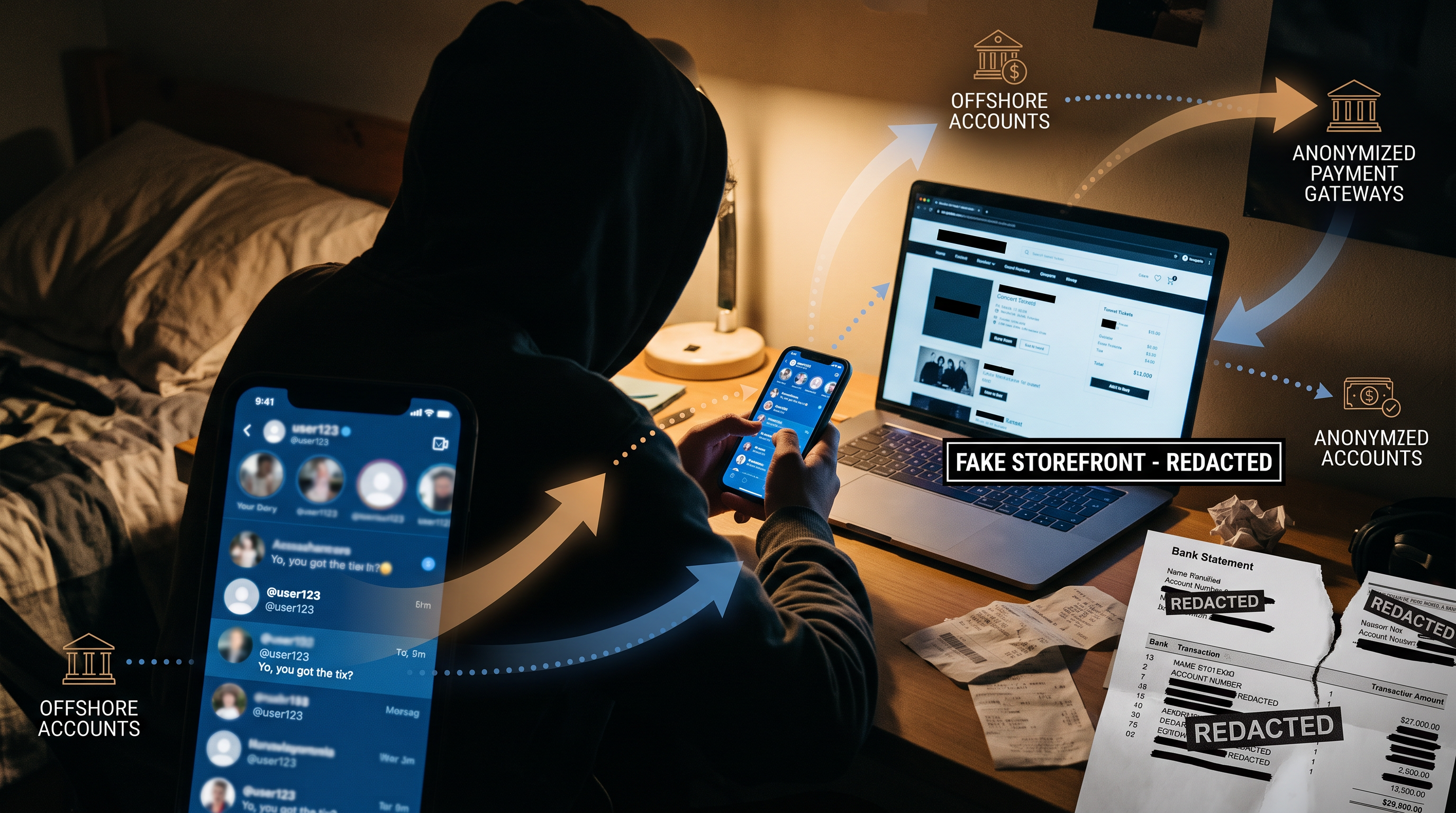
- Ad amplification with cloaking: Paid advertisements push the content to massive audiences. Ad cloaking techniques hide the true destination URL from platform reviewers, allowing rule-breaking ads to slip through automated checks.
- Funnel and payment: Victims are directed to landing pages pushing subscription traps, cryptocurrency payments, gift card purchases, or fake investment portals. These payment methods are chosen specifically because they are hard to reverse.
- Clone and repeat: When platforms take down one account or ad, a near-identical clone goes live within hours. Moderation simply cannot keep up with automated redeployment at scale.
Why Classic Red Flags No Longer Apply
Most people have been taught to spot scams by looking for poor grammar, blurry images, or suspicious sender addresses. Deepfake campaigns eliminate nearly all of those signals. The video is high resolution. The voice sounds right. The page looks professional. Even the celebrity’s speech patterns and mannerisms are replicated well enough to fool casual viewers who have watched hours of the real person on screen.
This is not a reason to panic, but it is a strong reason to update your mental checklist for what a scam looks like in 2025.
How Platforms and Regulators Are Responding to the Deepfake Scam Wave
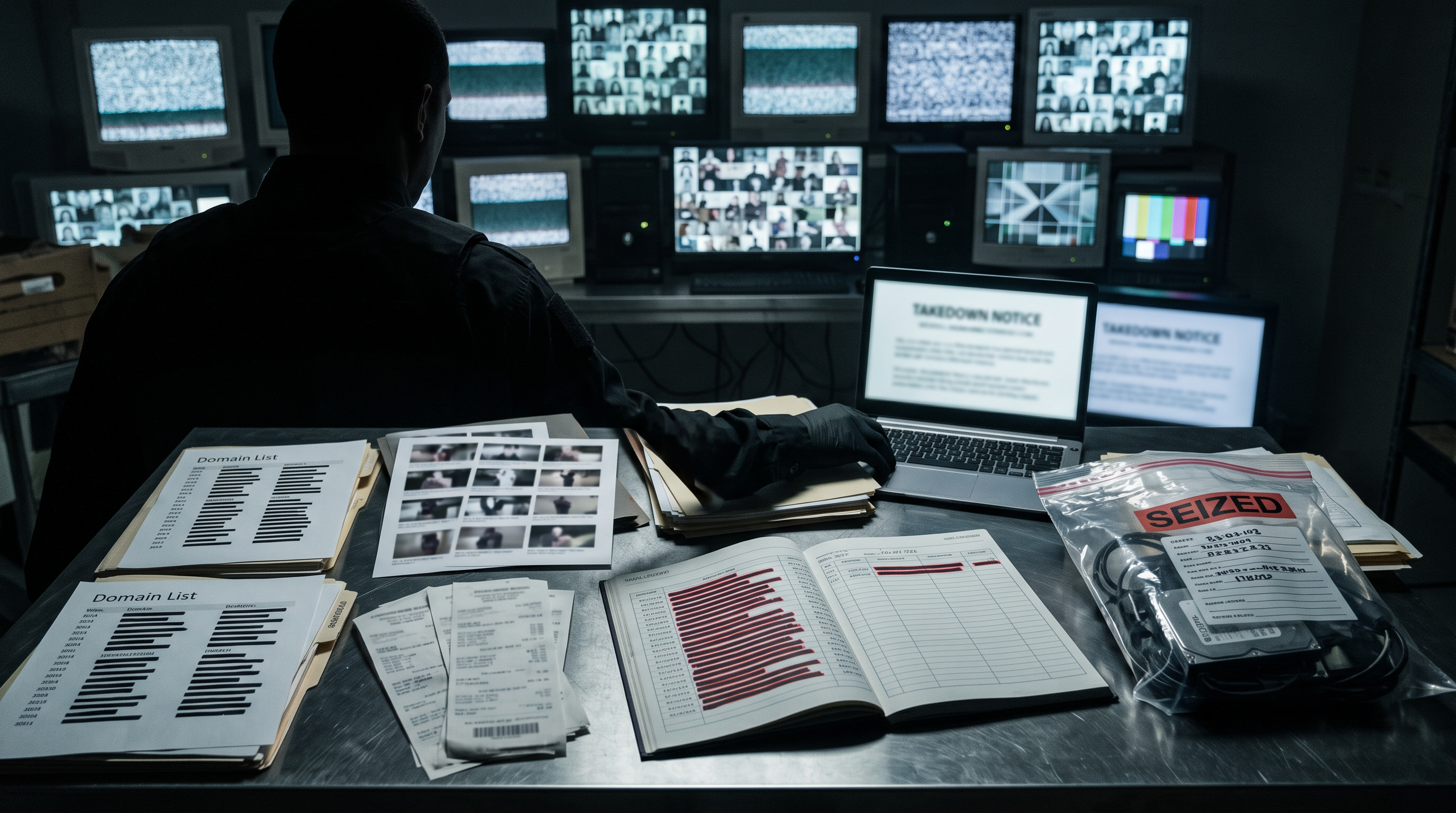
Major social platforms are not sitting still. Meta, Google, and others have rolled out AI detection tools, expanded their takedown teams, and tightened ad review policies. Meta has gone further, moving into the courtroom. According to The Hacker News, Meta has filed lawsuits targeting scam operations in Brazil, reflecting how cross-border enforcement has become necessary as these schemes operate across jurisdictions with different legal frameworks.
The legal complexity is real. A scammer running deepfake ads from one country, routing payments through another, and targeting victims in a third creates a jurisdictional puzzle that slows enforcement significantly. Platforms can act faster than courts, but even rapid takedowns are outpaced by automated clone deployments.
The Scale of Financial Losses
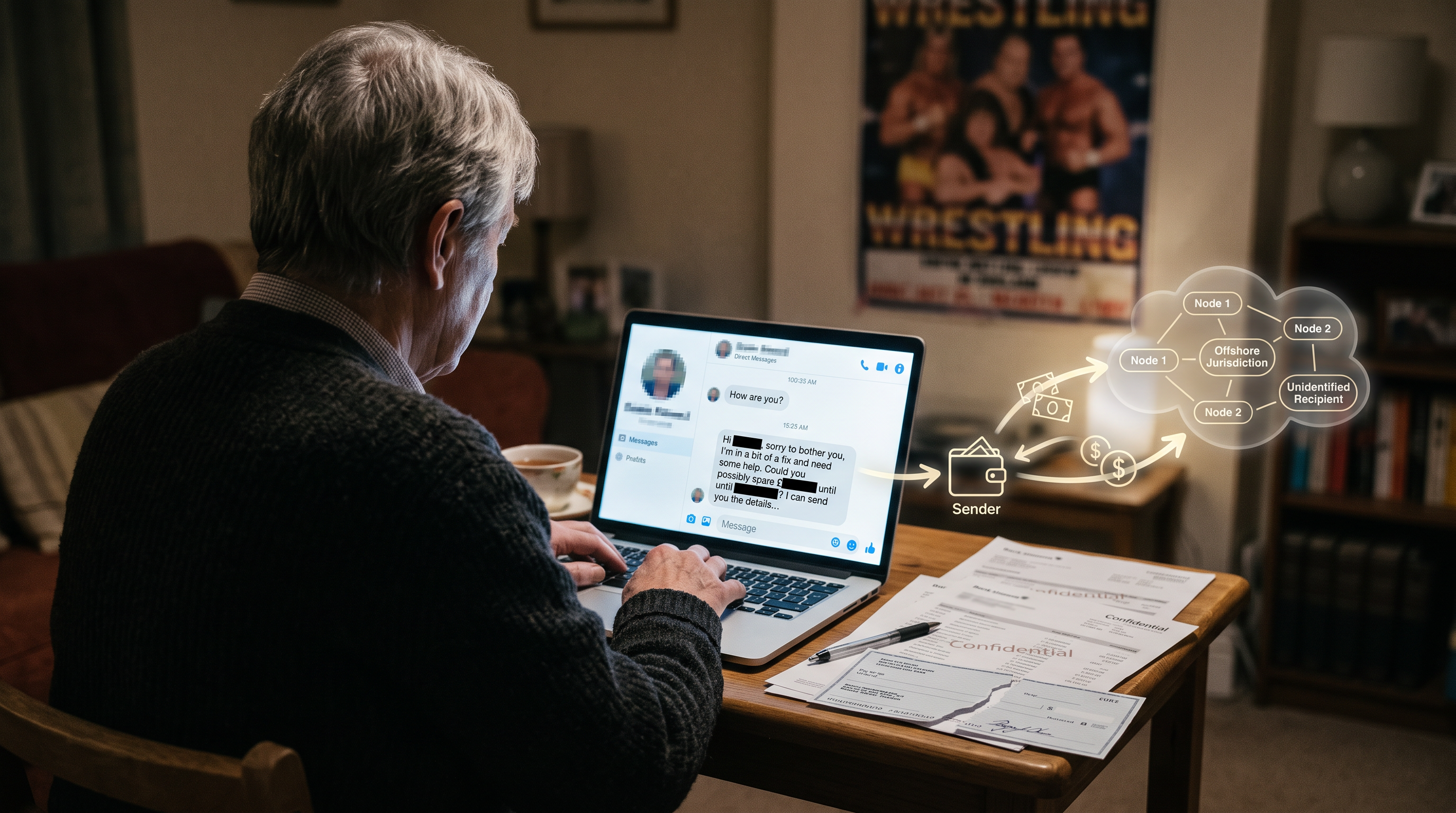
The financial damage from AI-driven impersonation scams runs into the billions globally. Victims report losses ranging from a few hundred dollars on subscription traps to tens of thousands on fake investment platforms. The psychological harm runs alongside the financial loss. Many victims feel embarrassed that they were deceived by something that used a celebrity they admired, which also makes under-reporting common.
How to Protect Yourself From Celebrity Deepfake Scams Right Now
The good news is that a few disciplined habits dramatically reduce your risk, even as the technology behind these scams keeps improving.
- Verify on official channels first: Before acting on any celebrity endorsement you see in an ad or post, check that person’s verified official account directly. If they are not talking about it there, the ad is almost certainly fake.
- Demand live, dated proof: A legitimate public figure making a real-time offer can prove it with a live video on a verified account. A deepfake cannot do that convincingly without enormous real-time resources.
- Never pay by gift card or crypto: These are the payment methods of choice for scammers because they are irreversible. No legitimate business opportunity requires gift card payment.
- Screenshot and report the ad: Use your platform’s reporting tools the moment you spot a suspicious deepfake ad. Include screenshots so reviewers have context even after the content is taken down.
- Contact your bank immediately: If you have already made a payment, call your bank or card issuer right away. The faster you report it, the better your chance of recovery, especially for card transactions.
- Look for subtle glitches: Deepfakes still sometimes show unnatural blinking, slightly mismatched lip sync, or odd lighting around the hairline and ears. Slow the video down and look closely before trusting any endorsement.
Why This Problem Is Only Going to Grow
The tools that power deepfake scams are improving faster than detection methods can match them. As AI video generation becomes even more accessible and affordable, the barrier to launching a convincing celebrity impersonation campaign will shrink to near zero. That means consumer awareness is not just helpful, it is essential infrastructure against fraud in the AI era.
Platforms, regulators, and technology companies all have a role to play. But individually, building habits of verification before action is the most reliable defense available to you today.
Frequently Asked Questions About AI Celebrity Deepfake Scams
How can I tell if a celebrity endorsement video is a deepfake?
Look for subtle visual inconsistencies like unnatural blinking, slight lip sync delays, or unusual lighting around the face and hairline. Always cross-check the endorsement on the celebrity’s verified official social media account before trusting any claim or clicking any link in an ad.
What types of scams use celebrity deepfakes most often?
The most common formats include fake investment platforms promising high returns, bogus health or medical product promotions, subscription traps with recurring charges, and cryptocurrency payment schemes. All of them rely on the borrowed trust of a recognizable public figure to lower your guard.
What should I do if I already fell for a deepfake scam?
Contact your bank or card issuer immediately to dispute the charge and freeze further transactions. Report the scam to your national consumer protection agency and to the platform where you saw the ad. Keep all screenshots and transaction records as evidence for any investigation or dispute process.
Are social media platforms doing enough to stop deepfake scam ads?
Platforms including Meta and Google are investing heavily in AI detection and legal action, but scammers are deploying clones faster than moderation teams can remove them. Platform action is improving but is not yet sufficient on its own, which makes personal verification habits critical.
Why do scammers specifically target celebrities for deepfake impersonation?
Celebrities carry pre-built trust and emotional connection with large audiences. Borrowing a famous face and voice bypasses the skepticism people apply to unknown sources and adds a layer of false legitimacy that drives higher click-through and conversion rates for fraudulent campaigns.