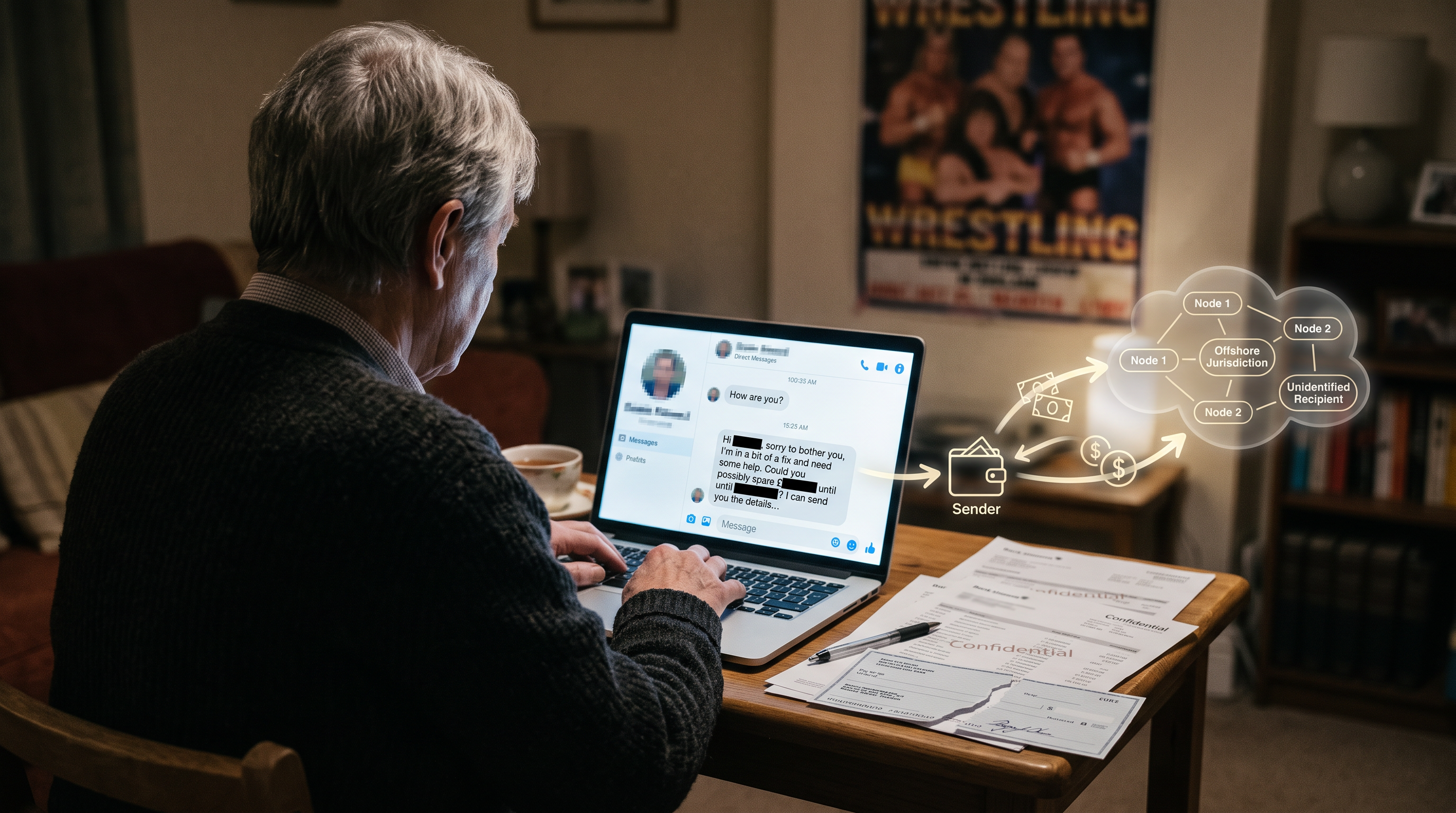
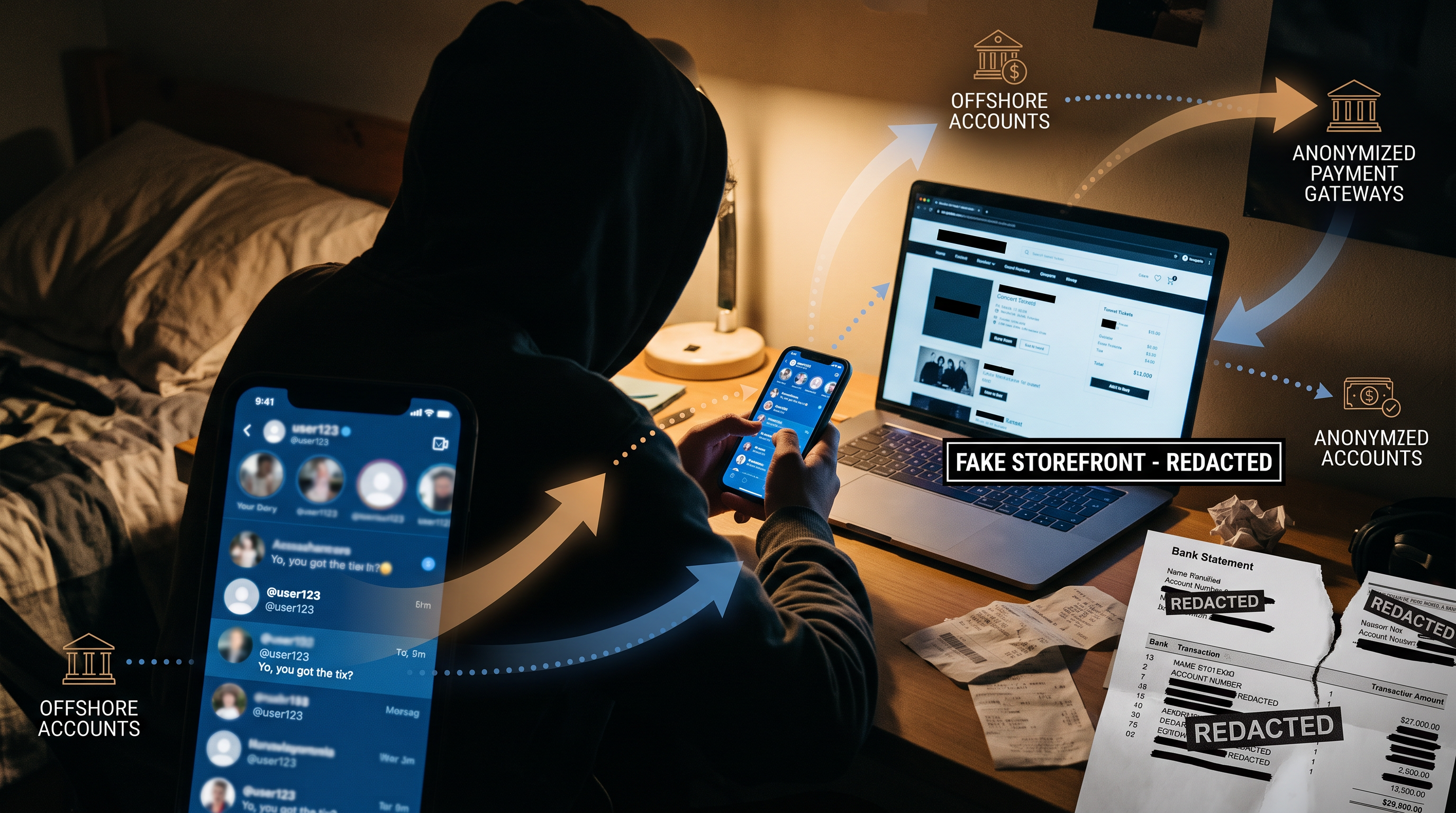
A luxury watch influencer was wrongfully arrested, his reputation was dragged through the mud, and dozens of buyers lost money they will likely never recover. The case of Tyler Mikorski, known online as Vookum, is one of the most alarming recent examples of influencer identity theft escalating from a digital scam into a real-world criminal nightmare. Fraudsters stole his name, his photos, and his carefully built brand to sell watches that never existed, and the consequences were devastating for everyone involved.
Who Is Tyler Mikorski and What Is the Vookum Brand?
Tyler Mikorski built a loyal following in the luxury watch space under the handle Vookum. According to a Times of India profile, Mikorski established Vookum as a trusted name in the watch enthusiast community, using short-form video and social storefronts to review and occasionally sell timepieces. His credibility made him an attractive target for criminals looking to exploit an established identity in a high-value niche market.
Mikorski had no involvement in the fraudulent transactions. He was the victim, not the perpetrator. Yet because his name and likeness were attached to the scheme, he became the first person investigators looked at when complaints started flooding in.
How the Influencer Impersonation Scam Worked
The mechanics of this fraud followed a pattern that is becoming increasingly common in social commerce. Fraudsters created fake accounts and listings that used Mikorski’s photos, his brand name, and the visual identity he had spent years building. Those fake listings appeared on Facebook Marketplace, Instagram storefronts, and inside short-video social commerce ad placements.
Once buyers expressed interest, the fraudsters moved the conversation off the platform entirely. Direct messages were used to push buyers toward wire transfers or other off-platform payment methods that carry no buyer protection. By the time victims realized no watch was coming, the fraudsters had vanished and the trail pointed directly at Mikorski’s stolen identity.
According to NBC News coverage of the incident, this type of social commerce fraud is rising sharply as platforms expand their in-app shopping features, giving scammers more surfaces to exploit.
The Role of Platform Ad Amplification
One particularly troubling element of this case is how the fake listings gained visibility. The fraudsters reportedly used comment farming and paid ad placements to push their fake storefronts in front of buyers who were already fans of Mikorski’s legitimate content. Buyers who saw a familiar face and a trusted name had little reason to question the authenticity of what they were seeing.
Platform algorithms amplified the scam content the same way they would amplify genuine creator commerce. This is a structural problem that goes beyond any single case.
The Wrongful Arrest and How It Was Resolved
As fraud complaints accumulated, investigators traced the activity back to Mikorski’s name and contact details, which had been embedded in the fake listings. He was arrested on fraud-related charges despite having no knowledge of or involvement in the scheme. The arrest was reported widely and caused immediate and serious reputational damage.
The charges were eventually dismissed after investigators uncovered the identity theft. Forensic account tracing revealed that the accounts responsible for the scam did not originate with Mikorski and that his identity had been systematically cloned for criminal purposes. As covered by journalist Vicky Nguyen, the case is described as a story of mistaken identity, scamming, and flawed investigative work that nearly destroyed an innocent person’s life.
Mikorski subsequently went public with his account of events, pushing back against the narrative that had formed around his wrongful arrest and working to reclaim his reputation with his audience.
Why Influencer Identity Theft Is a Growing Threat
The Fairfax County Department of Cable and Consumer Services has warned publicly that influencer impersonation scams are rising and that fraudsters are specifically targeting creators who have established trust with large, engaged audiences. The logic is simple: it is easier to steal credibility than to build it.
Luxury goods, limited-edition sneakers, electronics, and event tickets are the most common products used in these scams because the high price points mean larger individual losses and buyers are already accustomed to the idea that deals require moving quickly.
Red Flags Buyers Should Watch For
- A seller who moves the conversation from a platform listing to direct message or external apps immediately.
- Requests for wire transfers, cryptocurrency, or gift cards instead of platform-protected checkout.
- Accounts with limited history, mismatched follower counts, or slightly altered usernames.
- Prices that are significantly below verified market value for luxury items.
- Urgency tactics such as limited time offers or claims of high demand to pressure fast decisions.
What Victims and Potential Targets Should Do Right Now
If you believe you have been targeted by an influencer impersonation scam or have already lost money, document everything before taking any other step. Screenshot all messages, listings, and payment confirmations. Do not delete conversations even if you feel embarrassed about what happened.
Report the fraud to your bank or payment provider immediately and request a chargeback where applicable. File a complaint with the Federal Trade Commission and submit a report to the FBI Internet Crime Complaint Center. Contact the platform where the scam originated and report the fake account using all available tools. Local law enforcement should also be notified, particularly if the dollar amount is significant.
Creators and influencers who discover their identity is being used fraudulently should act quickly to alert their audience, file identity theft reports, and work directly with platforms to have fraudulent accounts removed. You can also use resources like UseBlacklist to research known scam accounts and help protect others in your community.
The Broader Lesson From the Vookum Case
The Tyler Mikorski case is not just a story about one influencer or one scam. It exposes structural weaknesses in how platforms handle social commerce fraud, how law enforcement investigates digital identity crimes, and how quickly a person’s life can be upended when criminals exploit their name. The wrongful arrest aspect is a warning that investigators need better tools and training to distinguish between a stolen identity and an actual perpetrator.
Buyers need to treat every off-platform payment request as a red flag, regardless of how familiar or trustworthy the seller appears. Verified account badges and large follower counts do not guarantee legitimacy when the account itself may be cloned or compromised. Always pay through the platform, always keep records, and always verify before sending money for a high-value item.
Frequently Asked Questions
Who is Tyler Mikorski and why was he arrested?
Tyler Mikorski is a luxury watch influencer who operates under the brand name Vookum. He was wrongfully arrested after fraudsters stole his identity and used his photos and brand to run a fake watch-selling scam. Charges were dismissed once investigators confirmed he was a victim of identity theft, not the perpetrator.
What platforms were used in the Vookum impersonation scam?
The fraudsters reportedly used Facebook Marketplace, Instagram storefronts, and short-form video social commerce ad placements to reach potential buyers. They then moved victims to direct messages and off-platform payment methods to avoid buyer protections.
How can I tell if a social media seller is a scammer impersonating an influencer?
Check the account creation date, follower count consistency, and username spelling carefully. Legitimate influencers do not ask buyers to pay via wire transfer or gift card. Always complete purchases through platform-protected checkout and research the seller independently before sending any money.
What should I do if I already paid a scammer and lost money?
Contact your bank or payment provider immediately to request a reversal. File reports with the FTC at reportfraud.ftc.gov and with the FBI at ic3.gov. Report the fake account to the platform and file a police report with your local law enforcement agency.
Are influencer impersonation scams becoming more common?
Yes. Consumer protection authorities including Fairfax County consumer services have confirmed that these scams are rising as social commerce features expand on major platforms. Fraudsters target influencers with established trust because it lowers buyer suspicion and increases the likelihood of a successful scam.