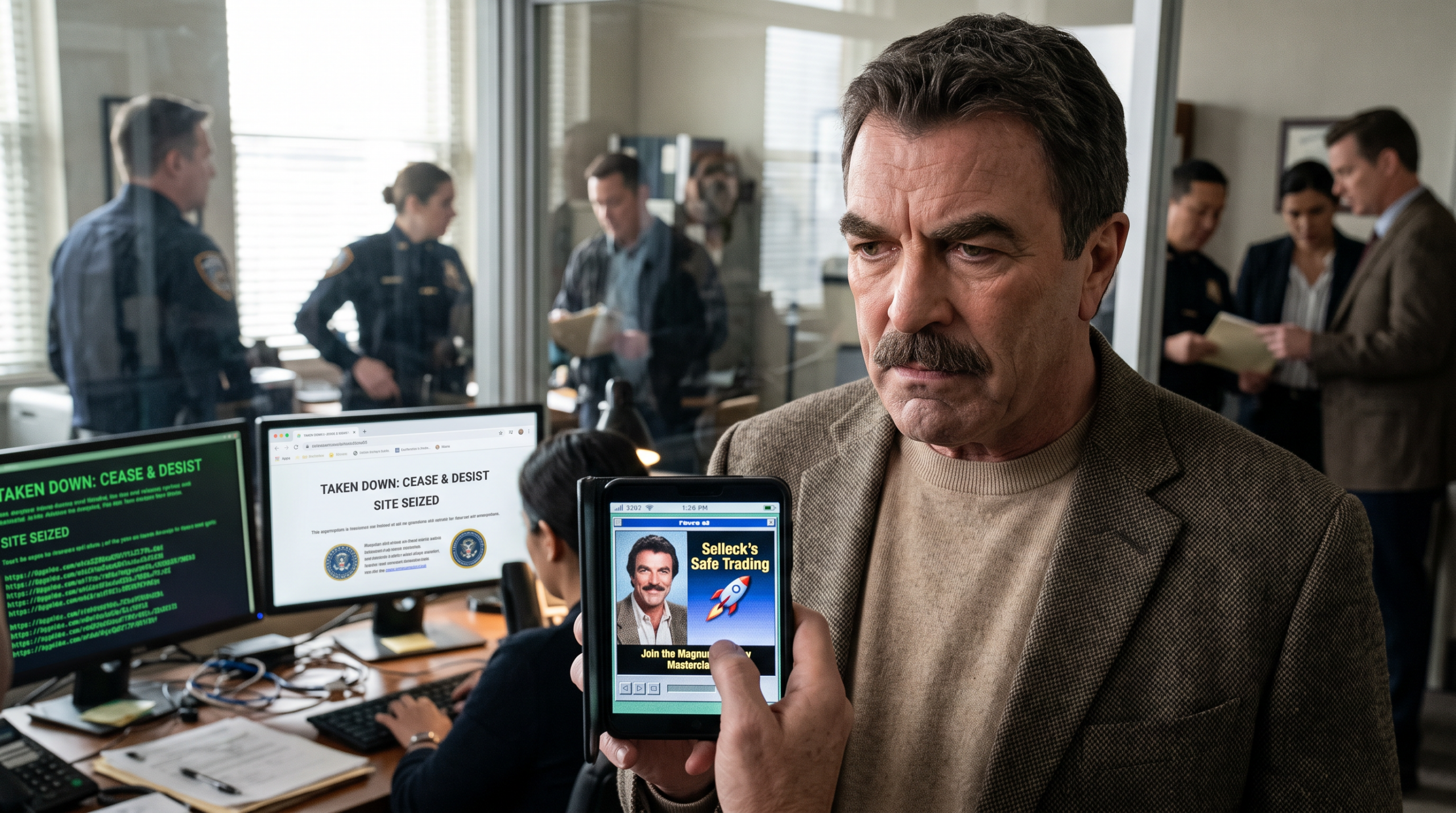
A sophisticated fraud operation used a cloned likeness of beloved American actor Tom Selleck to pull victims into a deadly investment and romance scheme, according to investigative reporting published by Yahoo Finance. Scammers deployed AI-generated deepfake videos, synthetic audio, and stolen images of the “Magnum P.I.” star in sponsored ads and private messages to convince targets to send money to fake trading platforms and crypto wallets. The case has now drawn national attention after reports linked the scheme to at least one fatality, making it one of the most alarming examples of AI-enabled fraud to date.
How the Tom Selleck Deepfake Scam Worked
The operation followed a carefully engineered funnel that began with paid social media advertisements. Fraudsters purchased sponsored placements featuring realistic deepfake video of Selleck, in which the synthetic version of the actor appeared to endorse a high-return investment opportunity. The ads were polished enough to pass casual inspection, exploiting the actor’s trusted, wholesome public image to lower victims’ defenses.
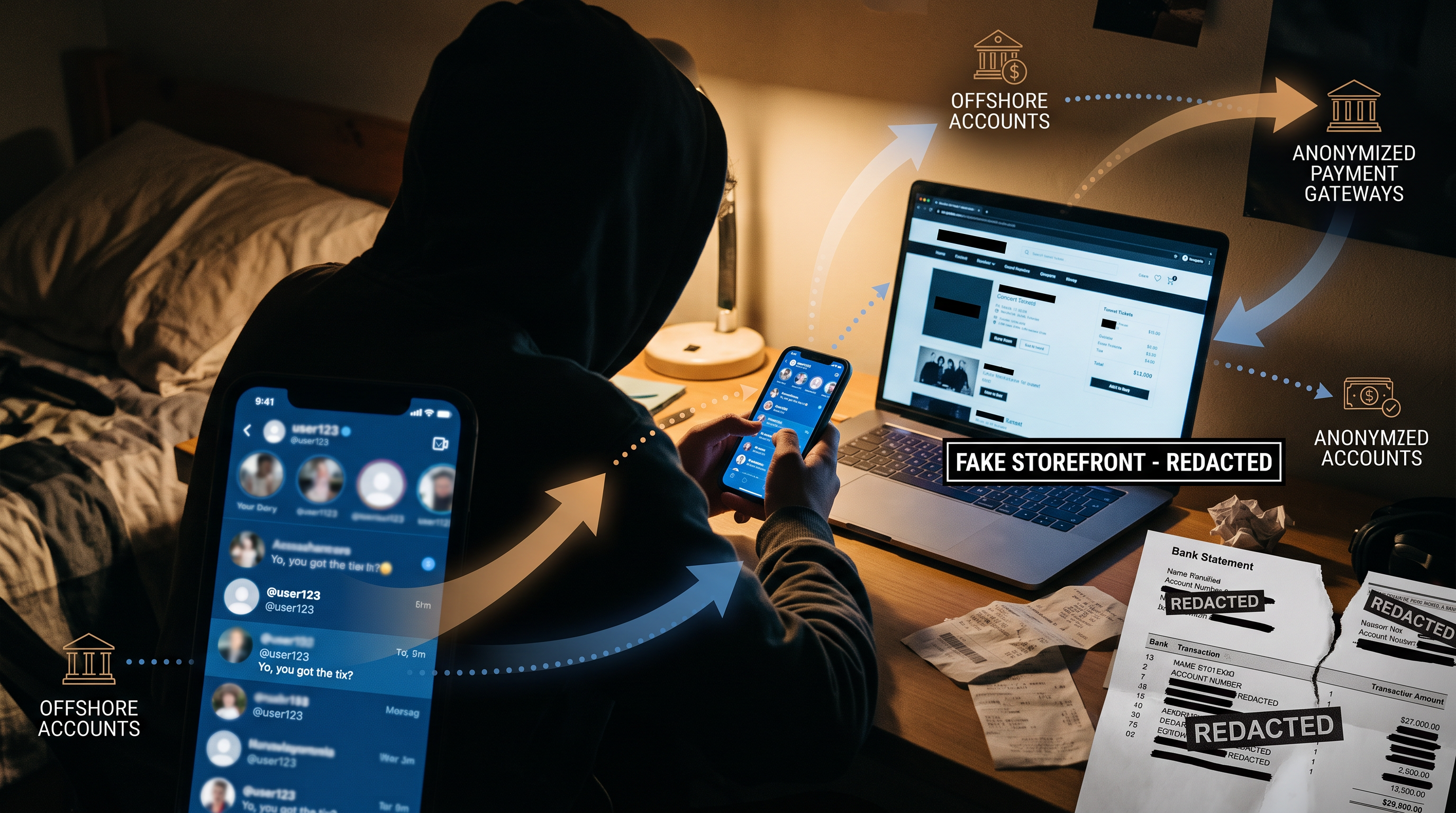
Once a target clicked the ad, they were directed to a convincing landing page mimicking legitimate financial platforms. From there, operators moved victims into private direct message conversations, often impersonating Selleck himself or posing as his representatives. The goal was to build personal rapport before requesting fund transfers, a hallmark of what investigators call “pig butchering” or romance-investment fraud.
The Role of AI and Synthetic Media in the Scheme
Forensic analysts who reviewed the content noted telltale signs of AI generation, including unnatural blinking patterns, slight lip-sync mismatches, and inconsistent lighting around the face. However, these details are easy to miss for anyone not specifically looking for them. The scammers also used cloned audio that mimicked Selleck’s distinctive voice to add further authenticity during calls or video messages.
According to the FTC’s data spotlight on AI deepfake scams, this type of operation is rapidly growing and is especially effective because victims trust familiar, famous faces. The technology required to produce convincing deepfakes has become widely accessible, meaning fraudsters no longer need advanced technical skills to execute these schemes.
Financial Losses and a Tragic Outcome
Victims reported sending tens of thousands of dollars each to fraudulent crypto wallets and sham trading dashboards that showed fabricated returns. The platforms were designed to display growing account balances, encouraging targets to deposit even more money before operators eventually cut off contact and disappeared with the funds.
What separates this case from routine investment fraud is its reported human cost. According to investigative reporting cited by Yahoo Finance, at least one victim death has been linked to the scheme, underscoring the severe psychological and personal toll these crimes inflict beyond financial devastation. Authorities have not publicly confirmed all details, but the report has prompted renewed calls for faster platform intervention and stronger ad verification standards.
How Scammers Evade Detection
Operators in schemes like this are experienced at evading takedowns. When a fraudulent ad or domain gets removed, they pivot quickly to new URLs, fresh ad accounts, and alternative payment routes. Funds are typically routed through crypto wallets and mixing services designed to obscure transaction trails, making recovery extremely difficult once a transfer is complete.
The FBI’s Internet Crime Complaint Center reported in its 2023 IC3 Annual Report that investment fraud remains the costliest category of cybercrime, with crypto-based schemes accounting for the largest share of losses. Celebrity impersonation is a key driver of these cases, and deepfake technology has accelerated the problem significantly in recent years.
Platform and Payment Processor Failures
Critics argue that social media platforms and payment processors share responsibility for allowing these schemes to operate. Sponsored deepfake ads require payment and approval before reaching audiences, yet verification systems failed to catch the fraudulent content in this case. Once flagged, takedowns are often slow, giving operators enough time to collect substantial funds before links are removed.
Payment processors also face scrutiny for not flagging unusual transfer patterns, particularly large first-time transactions to overseas crypto exchanges. Consumer advocates are pushing for real-time monitoring tools and mandatory delays on large crypto transfers to give victims a window to reconsider or report suspicious activity.
Warning Signs Every Consumer Should Know
Protecting yourself from a Tom Selleck deepfake scam or any celebrity impersonation fraud starts with recognizing the red flags before you engage. Here are the most important signals to watch for:
- An unsolicited direct message from a celebrity or their supposed representative promoting an investment opportunity.
- Promises of guaranteed high returns with no risk, often framed as an “exclusive” or “limited” offer.
- Requests to send payment via cryptocurrency, gift cards, or wire transfer rather than regulated financial channels.
- Pressure to act quickly before the opportunity disappears.
- Video or audio that looks slightly off, with unnatural facial movements or a voice that does not match natural speech patterns.
- Landing pages with no verifiable regulatory registration or physical business address.
Always verify any celebrity endorsement directly through that person’s verified official accounts or their official publicist. A legitimate investment opportunity will never arrive through a cold social media message. You can also cross-reference suspicious platforms and individuals against resources like UseBlacklist.com, which tracks known fraud operations and scam-linked identities.
What to Do If You Have Been Targeted
If you believe you have been contacted by this scam or a similar one, act immediately. Contact your bank or crypto exchange to report the transaction and request a freeze or recall. Preserve all screenshots, chat logs, wallet addresses, and transaction records before the fraudsters can delete their accounts.
Report the incident to the FTC at reportfraud.ftc.gov and file a complaint with the FBI’s IC3 at ic3.gov. Also report the fraudulent ads and accounts directly to the platform where you encountered them. The more reports a platform receives, the faster it can act to remove content and suspend accounts.
Conclusion: AI Fraud Is a Public Safety Issue
The Tom Selleck deepfake scam is not an isolated incident. It is a window into a growing category of AI-powered crime that causes real financial ruin and, as this case shows, can contribute to tragic personal outcomes. Consumers, platforms, regulators, and payment processors all have a role to play in shutting these operations down faster.
Stay skeptical of any unsolicited investment offer, no matter how convincing the messenger looks or sounds. Share this article with friends and family who may be vulnerable, and take a moment to report any suspicious content you encounter online. Awareness is the first and most powerful line of defense.
Frequently Asked Questions
What is the Tom Selleck deepfake scam?
It is a fraudulent investment and romance scheme in which operators used AI-generated deepfake videos and synthetic audio of actor Tom Selleck to pose as or endorse a fake trading platform, convincing victims to send money to crypto wallets they controlled.
How can I tell if a celebrity investment video is a deepfake?
Look for unnatural blinking, slight mismatches between lip movement and speech, inconsistent lighting around the face and hairline, and a voice that sounds slightly robotic or flat. When in doubt, search for the endorsement on the celebrity’s verified official channels before trusting any claim.
Has anyone been arrested in connection with this scam?
As of the time of reporting, law enforcement investigations are ongoing. No public arrests directly tied to this specific operation have been confirmed, though authorities in multiple jurisdictions are reportedly aware of the scheme.
Where should I report a celebrity impersonation investment scam?
Report to the FTC at reportfraud.ftc.gov, file a complaint with the FBI’s IC3 at ic3.gov, notify your bank or crypto exchange immediately, and report the fraudulent accounts directly to the social media platform where you encountered the content.
Can I recover money lost to a crypto scam?
Recovery is difficult but not always impossible. Acting quickly is critical. Contact your bank or exchange the moment you suspect fraud, as some transfers can be reversed or frozen before they clear. Law enforcement agencies and some specialized recovery services have successfully traced funds through blockchain analytics in high-profile cases.