Scarlett Johansson has become the most frequently misused celebrity identity in online impersonation scams, according to research from McAfee and industry consumer trackers. Fraudsters are cloning her likeness across social media platforms, pairing fabricated images and short video clips with counterfeit product endorsements, fake giveaways, and phony storefronts designed to steal money from unsuspecting fans. The trend highlights a growing and deeply troubling pattern in which scammers weaponize familiar, trusted celebrity faces to shortcut credibility and reach thousands of victims at scale.
Why Scarlett Johansson Scams Are Surging
Johansson’s placement at the top of misused celebrity lists is not accidental. Scammers deliberately select celebrities with broad public recognition and high perceived trustworthiness. According to The Hollywood Reporter, Johansson joins a roster that includes Taylor Swift and Kylie Jenner, though cybersecurity data places her at the very top of the misuse rankings.
The appeal for fraudsters is straightforward. Celebrity endorsements carry implied credibility. When a fan sees what appears to be Johansson promoting a skincare product or crypto investment, their guard drops before they ever reach the checkout page. Scammers exploit that fraction of a second of trust to move victims through a carefully engineered payment funnel.
AI tools have accelerated this problem significantly. Deepfake image generators and video synthesis software now allow fraudsters to produce convincing fake content in minutes, without needing a design team or significant technical knowledge. The realism of these fabrications is increasing faster than most platform moderation systems can keep up with.
How Celebrity Impersonation Scams Actually Work
Understanding the mechanics of these scams is the first step toward avoiding them. The typical Scarlett Johansson impersonation scam follows a predictable but effective sequence of steps.
The Ad and Social Media Hook
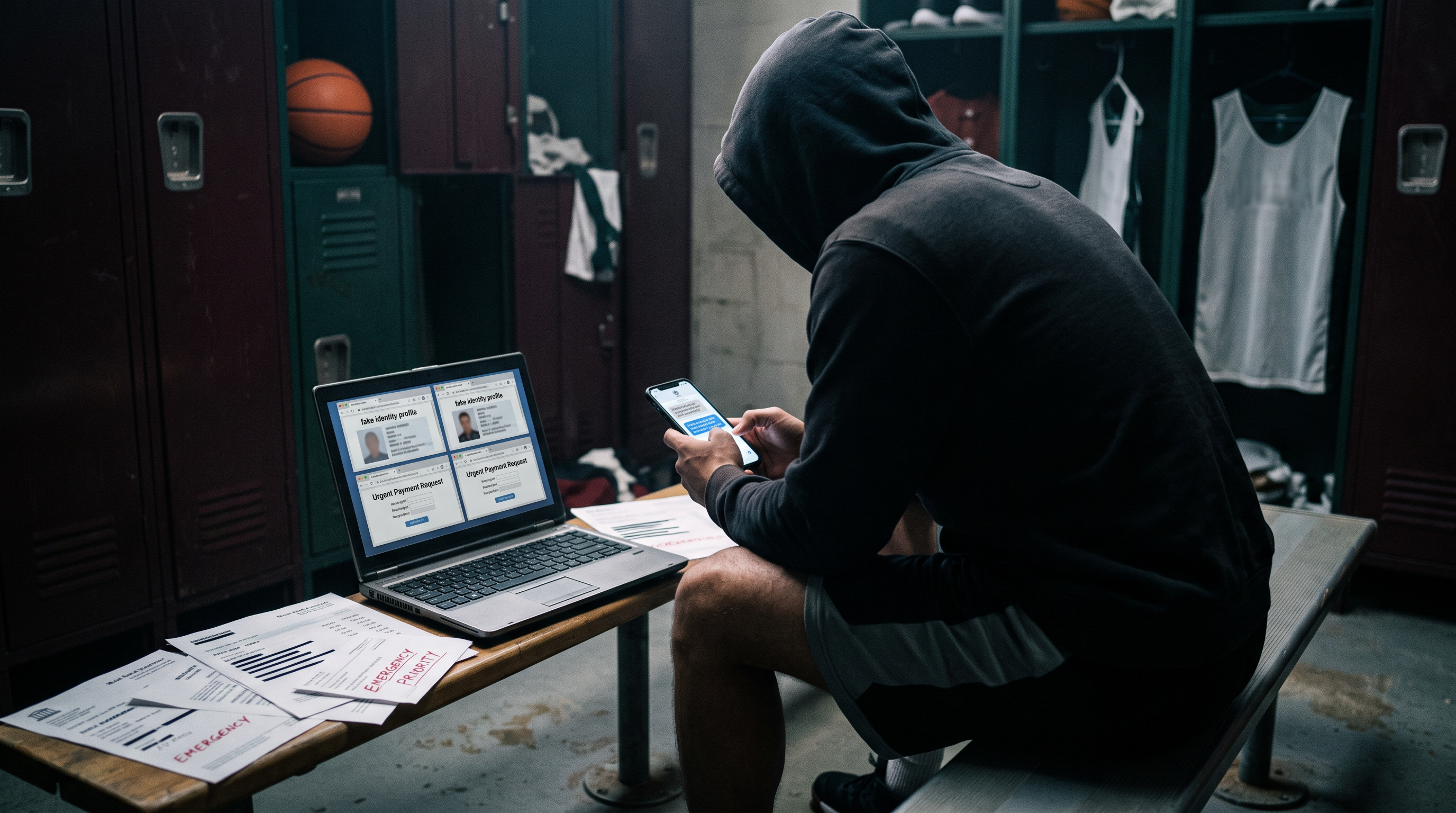
Scammers begin by creating sponsored posts or organic social media content that uses Johansson’s image or a manipulated video clip. These posts are deliberately crafted to look like legitimate promotional content, complete with branded graphics and professional-looking copy. They often appear on Facebook, Instagram, TikTok, and YouTube, where paid ad tools allow precise demographic targeting.
The ads typically promise an exclusive deal, a limited-time giveaway, or an investment opportunity tied to Johansson’s name. Urgency language is common, phrases like “only 50 left” or “offer expires tonight” pressure the victim into acting quickly without verifying the claim.
The Fake Storefront or Landing Page
Clicking the ad leads to a counterfeit website. These sites are often sophisticated, featuring product photos, testimonials, and even fake contact pages. Some clone the visual design of legitimate retailers to further lower the victim’s defenses. The goal is to collect payment or harvest personal and financial data.
The Payment Request
Scammers prefer payment methods that are difficult or impossible to reverse. According to the Federal Trade Commission, celebrity impersonation scams frequently demand payment through gift cards, wire transfers, or cryptocurrency wallets. These methods are favored precisely because chargebacks and refunds are rarely possible once the transaction is complete.
The Scale of the Celebrity Scam Problem
Celebrity impersonation fraud is not a niche issue. Research from McAfee published on their consumer blog documents how broadly these schemes operate, with dozens of high-profile names exploited simultaneously across thousands of fake accounts and domains. Johansson’s name and likeness appear with particular frequency, placing her at the top of the most-misused list.
Fraudsters counter platform takedowns through rapid account and domain churn. When one fake profile or website is removed, another goes live within hours. This cycle of replacement means that even active moderation cannot fully contain the spread of a single campaign.
Consumer reporting data and news coverage from outlets including Today and The Hollywood Reporter confirm that victims of celebrity impersonation scams collectively lose billions of dollars each year. The emotional toll is equally significant, as many victims report feeling embarrassed or betrayed after believing a celebrity they admired was genuinely communicating with them.
Red Flags to Watch for in Celebrity Endorsement Scams
Knowing what to look for can prevent significant financial harm. The following warning signs are common across Scarlett Johansson scams and celebrity impersonation fraud more broadly.
- The endorsement appears only in a paid ad, not on the celebrity’s verified official accounts.
- The post uses pressure language like “limited time” or “exclusive offer for followers.”
- Payment is requested via gift cards, wire transfer, or cryptocurrency with no buyer protection.
- The website URL does not match the brand being promoted and may contain misspellings.
- The celebrity appears to be directly messaging fans and asking them to send money or invest.
- Product reviews are vague, repetitive, or posted by accounts with no history.
How to Protect Yourself from Celebrity Impersonation Fraud
Staying safe requires a combination of skepticism and practical verification habits. If you encounter a promotion that appears to involve Scarlett Johansson or any other celebrity, take the following steps before engaging.
Verify Through Official Channels Only
Go directly to the celebrity’s verified social media profiles or official website to confirm whether they are actually promoting the product or campaign. If the endorsement is not mentioned there, treat it as fraudulent until proven otherwise.
Never Use Irreversible Payment Methods
Legitimate retailers and promotions do not require gift cards, wire transfers, or crypto payments. If any checkout process or direct message asks you to pay this way, stop immediately and report the account.
Preserve Evidence and Report Quickly
Take screenshots of the ad, the landing page, and any messages received. Contact your bank or payment provider immediately if you have already sent funds, as a quick freeze request can sometimes recover losses. Report the fraud to the platform where you found it, and file a formal complaint with the FTC at reportfraud.ftc.gov or the FBI’s Internet Crime Complaint Center at ic3.gov.
You can also use tools like Blacklist to research and report suspected scam accounts, domains, and individuals to help protect others in the community.
What Platforms and Regulators Are Doing
Social media companies have implemented AI-based content moderation and ad review policies intended to catch fake celebrity endorsements before they reach users. In practice, however, the volume and speed of new scam content consistently outpaces these systems. Regulators including the FTC have issued consumer alerts and pursued enforcement actions against fraudulent advertisers, but cross-border scam operations are difficult to shut down permanently.
The situation underscores the importance of consumer awareness as a first line of defense. Platform and regulatory action helps, but informed users who know how to spot red flags are far less likely to become victims.
Final Thoughts: Stay Skeptical, Stay Safe
The rise of Scarlett Johansson scams and celebrity impersonation fraud reflects a broader shift in how criminals exploit technology and public trust. AI-generated content makes these schemes more convincing than ever, and rapid account churn makes them harder to stop at the source. Your best protection is a healthy dose of skepticism, a habit of verifying claims through official channels, and a willingness to report suspicious activity the moment you spot it. If something feels off, it almost certainly is.
Frequently Asked Questions
Is Scarlett Johansson actually promoting products on social media?
Any genuine promotional partnership Johansson is involved in will be announced through her verified official accounts or major entertainment news outlets. Ads or messages that appear only in sponsored posts or unsolicited direct messages are almost certainly fraudulent.
Why do scammers prefer gift cards and crypto as payment?
Both methods are largely irreversible once completed. Unlike credit card transactions, they offer no standard chargeback process, making it extremely difficult for victims to recover their money after a payment is sent.
What should I do if I already paid a celebrity scam?
Contact your bank or payment provider immediately to request a freeze or reversal. Preserve all screenshots and records, then report the incident to the FTC at reportfraud.ftc.gov and the FBI IC3 at ic3.gov. Also report the specific account or ad to the platform where you encountered it.
How do I tell if a celebrity endorsement video is AI-generated?
Look for subtle inconsistencies such as unnatural blinking, mouth movements that do not match the audio perfectly, blurred edges around the face, or lighting that does not match the background. When in doubt, search for the video on the celebrity’s official channels before trusting it.
Are other celebrities being impersonated the same way?
Yes. According to research from McAfee and reporting from The Hollywood Reporter, names including Taylor Swift and Kylie Jenner are also frequently misused. However, Johansson currently ranks at the top of reported misuse cases among celebrity identities exploited in online fraud.