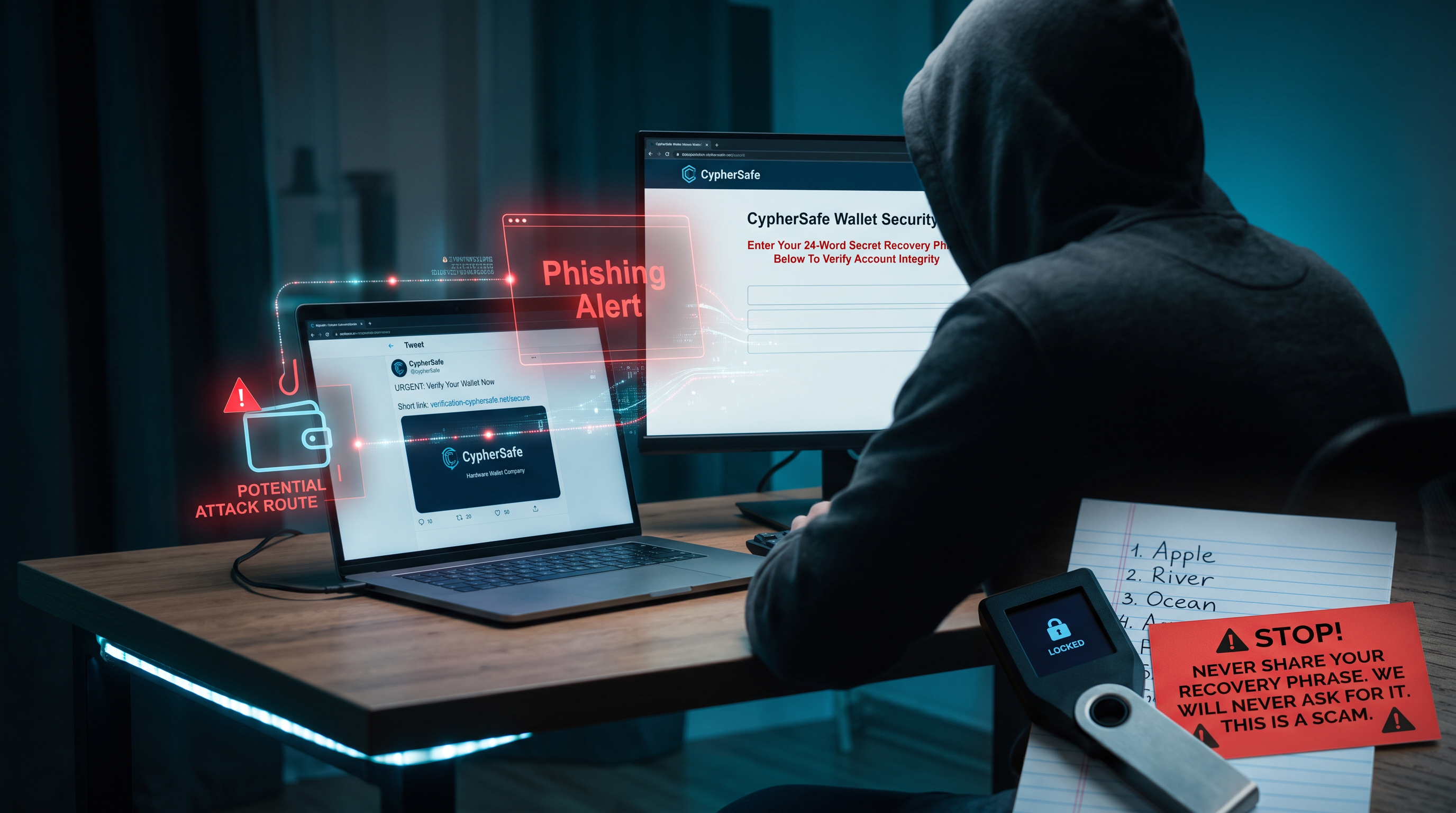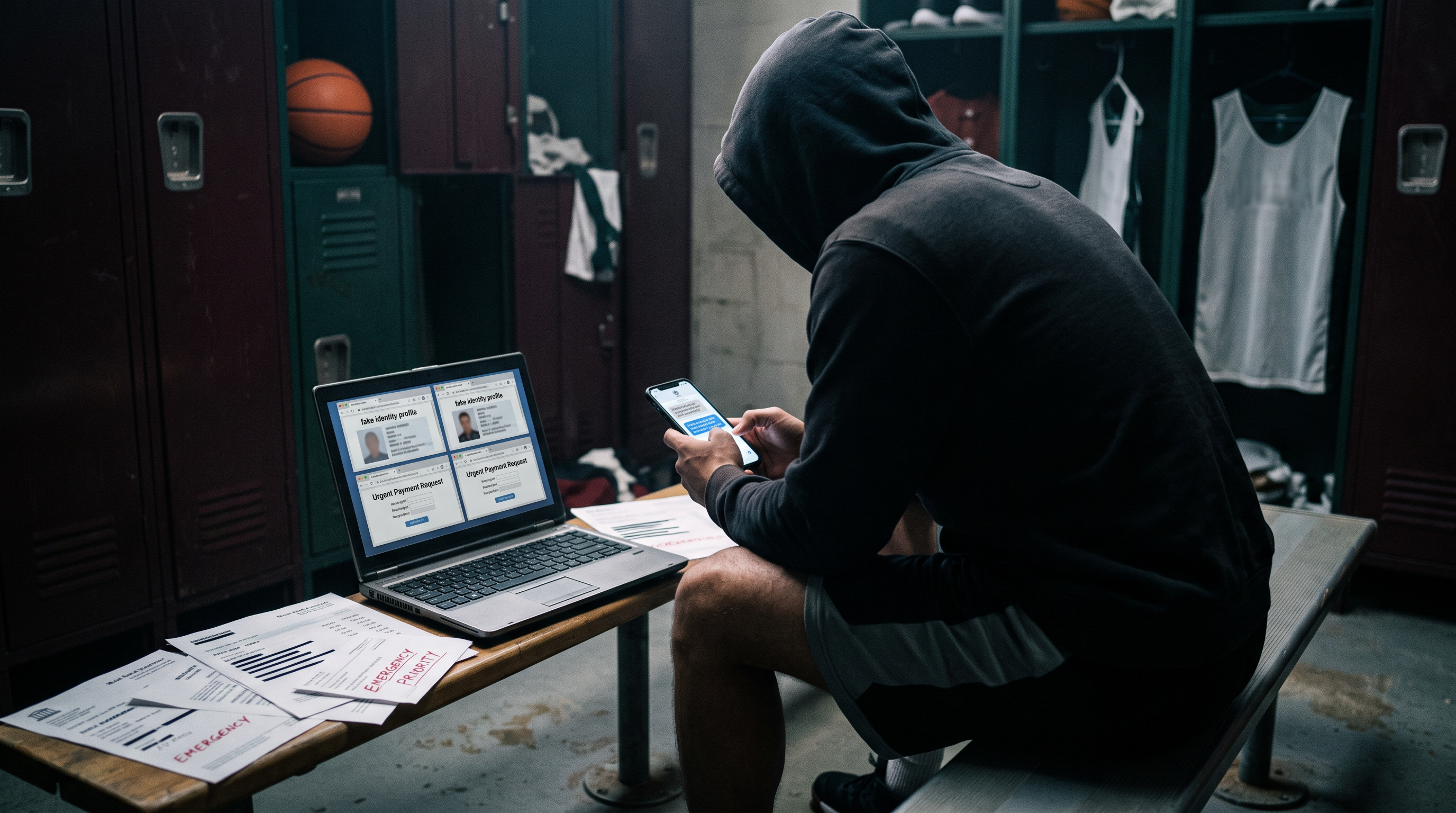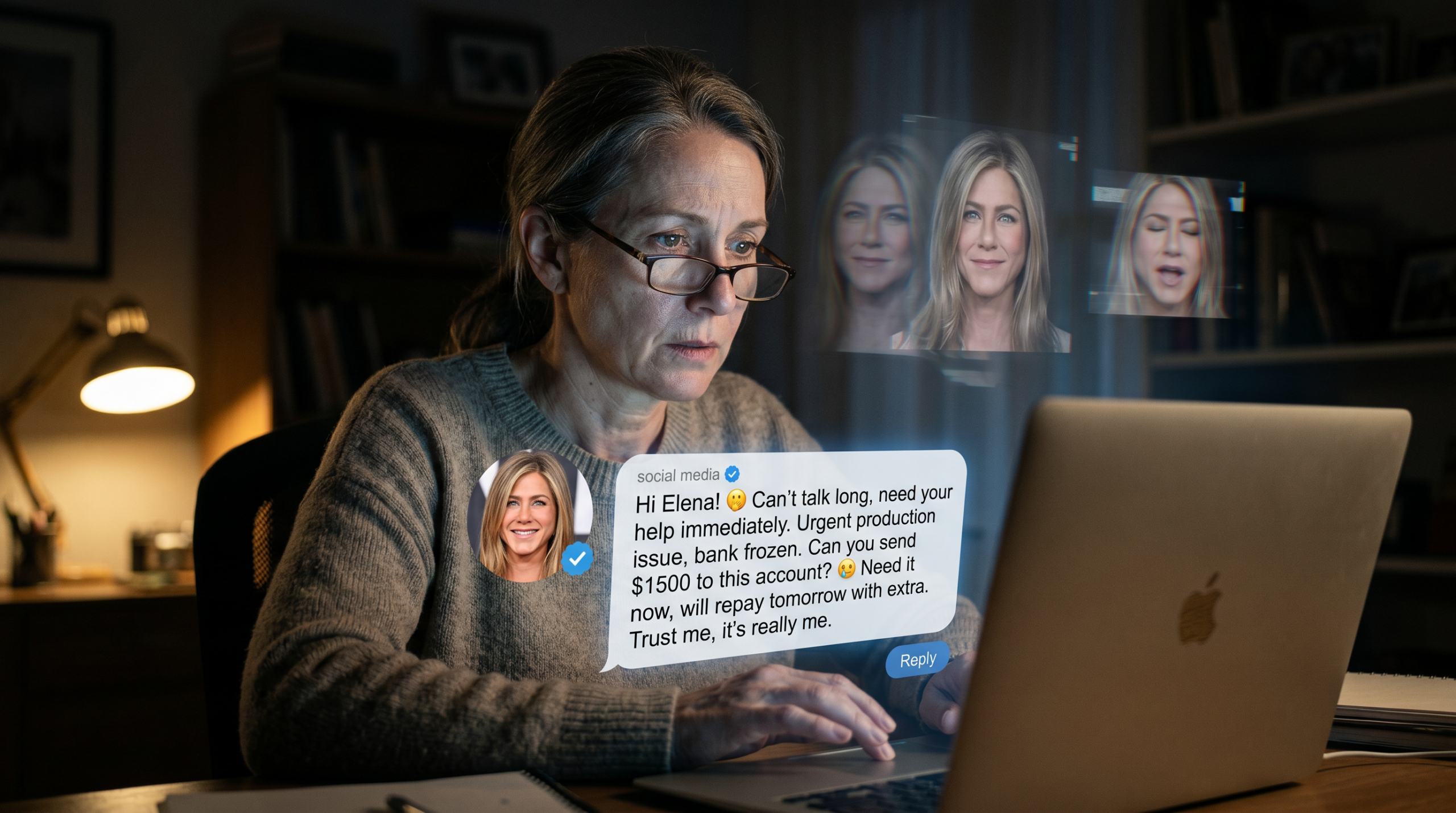
Actress Reese Witherspoon has publicly warned fans after criminal imposters began using her name, likeness, and AI-generated content to defraud people across social media platforms. The warning shines a light on one of the fastest-growing fraud categories of 2026, where generative AI tools allow scammers to clone celebrity voices and fabricate convincing video to steal money from unsuspecting victims. Experts say this wave of celebrity impersonation fraud is not slowing down, and ordinary people remain at serious risk.
The Reese Witherspoon Impersonation Scam Explained
According to a widely shared post by Jacaranda 94.2, people are still falling victim to celebrity scams in 2026, with Witherspoon among the latest high-profile names being exploited. Fraudsters create fake social media profiles using stolen photos, cloned audio clips, and AI-generated video to make their impersonations appear genuine. They then flood comment sections, run paid advertisements, and send direct messages to fans offering exclusive giveaways, charity opportunities, or investment deals.
Once a target engages, the scammer pushes the conversation off-platform, typically to WhatsApp, Telegram, or encrypted email. From there, victims are asked to pay fees or “release charges” using gift cards, wire transfers, or cryptocurrency. Fake dashboards and fabricated transaction receipts are used to maintain the illusion of legitimacy until the funds are fully laundered and unrecoverable.
Why Celebrity Impersonation Fraud Is Surging in 2026
Imposter scams have ranked as the top reported fraud category for several years running. According to the Federal Trade Commission’s May 2026 consumer alert on imposter scams, romance and investment variants are now routinely enhanced with deepfake video and cloned voices, dramatically raising their believability and success rates. The FTC notes that losses tied to imposter fraud continue to climb year over year.
Generative AI is the key accelerant. Tools that once required expensive production studios can now fabricate a convincing 60-second video of a celebrity in minutes. Scammers layer that content over weak ad verification systems on major social platforms, spinning up new accounts faster than takedown teams can act. Google’s June 2026 fraud and scams advisory specifically flagged AI-amplified impersonation as a priority threat, noting that paid ad abuse and rapid account churn make platform-level enforcement extremely difficult.
The Role of Deepfakes and Cloned Voices
Deepfake technology allows criminals to place a celebrity’s face onto a different body or generate entirely synthetic footage from a handful of reference images. Voice cloning tools can replicate a celebrity’s tone, cadence, and accent after analyzing publicly available interviews or social posts. Together, these tools create a fraud package that passes a casual visual inspection, especially on a small mobile screen.
AARP’s 2026 scam watch report highlights that older adults remain disproportionately targeted, partly because they may be less familiar with the concept of AI-generated media. However, younger demographics are far from immune. According to AARP’s biggest scams to watch in 2026, the combination of emotional manipulation and technological polish makes these schemes effective across all age groups.
How the Scam Unfolds Step by Step
- Criminals build a fake profile using stolen or AI-generated images of a celebrity such as Reese Witherspoon.
- They amplify visibility through paid social ads, comment farms, or by hijacking trending hashtags.
- Victims receive a direct message announcing a prize, charity drive, or exclusive investment opportunity.
- Conversation moves off-platform to a less-monitored messaging app.
- The victim is asked to pay a small “processing fee” or “tax” via gift card, wire transfer, or crypto wallet.
- Fake receipts and dashboards are shared to simulate progress and encourage larger payments.
- Once enough money is collected, all contact stops and accounts disappear.
Red Flags Every Fan Should Know
Identifying a celebrity impersonation scam early can save you from serious financial harm. There are several consistent warning signs that security researchers and consumer watchdogs repeatedly flag.
- An unsolicited direct message from an account claiming to be a celebrity, even if the profile looks verified.
- Requests to move the conversation away from the original platform.
- Any demand for payment via gift card, wire transfer, or unknown cryptocurrency wallet.
- Urgency language such as “claim your prize in 24 hours” or “limited spots remaining.”
- Charity or investment pitches that arrived without any prior relationship or public announcement on official channels.
- Poor grammar, mismatched profile details, or a recent account creation date.
How to Verify a Celebrity’s Official Channels
Always cross-reference any offer or announcement against the celebrity’s confirmed accounts, which are typically linked from their official website or verified by the platform’s own checkmark system. Be aware that verification badges can themselves be spoofed or purchased on some platforms. A genuine celebrity promotion will always be announced publicly, not delivered through a cold direct message.
What to Do If You Are Targeted
If you receive a suspicious message impersonating Reese Witherspoon or any other public figure, act quickly. Do not send money under any circumstances. Screenshot the profile, messages, and any transaction details you may have already shared, then report the account directly to the social media platform using its built-in reporting tools.
Next, file a complaint with national authorities. You can report the fraud to the FTC at reportfraud.ftc.gov and to the FBI’s Internet Crime Complaint Center at ic3.gov. If you transferred money, contact your bank or cryptocurrency exchange immediately. Speed is critical because some institutions can initiate a recall or freeze within a short window after the transaction.
Staying informed about evolving scam tactics is one of the most effective defenses available to consumers. Resources like UseBlacklist help people identify and report known scammers, giving the wider community an advantage against repeat offenders.
The Broader Picture: Celebrity Scams as a 2026 Epidemic
Witherspoon is far from alone. Dozens of celebrities have found their names and faces weaponized in fraud campaigns this year alone. Global News Canada’s 2026 consumer scam trends coverage confirms that celebrity-themed impersonation schemes now rank among the most financially damaging consumer frauds, partly because the emotional pull of a famous name lowers a victim’s guard faster than a cold outreach from an unknown account would.
High-profile warnings from celebrities themselves do raise public awareness. However, they also underscore the structural problem: platforms, advertisers, and regulators are still playing catch-up with the speed at which AI-generated fraud content can be created and distributed. Until verification standards improve significantly, the responsibility falls heavily on individual consumers to stay skeptical.
Conclusion
The Reese Witherspoon impersonation scam is a clear signal that AI-powered celebrity fraud has reached a new level of scale and sophistication in 2026. The combination of deepfake video, cloned audio, and aggressive social media amplification creates a threat that even tech-savvy users can struggle to detect at first glance. The best protection is a simple rule: no real celebrity will ever cold-message you asking for money. If an offer sounds too good to be true, verify it on official channels, report the account, and move on. Share this article with friends and family who might be at risk, and help cut off the audience these scammers depend on.
Frequently Asked Questions
Is Reese Witherspoon actually running giveaways or investment programs on social media?
No. Any direct message claiming Reese Witherspoon is personally offering you a prize, investment opportunity, or charity grant is a scam. Legitimate celebrity promotions are announced publicly through verified official channels, never through unsolicited private messages.
How can I tell if a celebrity social media profile is fake?
Check the account creation date, follower-to-engagement ratio, and whether the profile is linked from the celebrity’s official website. A recently created account with few posts but thousands of followers, or one that messages you unprompted, is almost certainly fraudulent.
What payment methods do celebrity impersonation scammers prefer?
Scammers strongly prefer gift cards, wire transfers, and cryptocurrency because these methods are difficult or impossible to reverse. Any request for payment in these forms, regardless of the stated reason, is a major red flag and should be treated as a scam.
Where should I report a celebrity impersonation scam?
Report the fake profile to the social media platform directly, then file a complaint with the FTC at reportfraud.ftc.gov and the FBI IC3 at ic3.gov. If money was transferred, contact your bank or crypto exchange immediately to attempt a freeze or recall.
Can AI-generated deepfakes really fool people into thinking a celebrity is speaking to them?
Yes. Modern voice cloning and deepfake video tools can produce content that passes casual visual and audio inspection, particularly on a small smartphone screen. Researchers and government agencies including Google and the FTC have all flagged this as one of the defining fraud threats of 2026.