A sophisticated wave of AI-generated deepfakes is using the face and voice of YouTube star MrBeast, real name Jimmy Donaldson, to run fake iPhone giveaway and investment scams across TikTok, Instagram, and Facebook. According to reporting from the New York Post, scammers are producing synthetic video clips that closely mimic MrBeast’s well-known giveaway format, then funneling victims toward counterfeit landing pages designed to steal money and personal data. The scale and speed of the operation have caught both platforms and fans off guard, and victims are reporting real financial losses.
How the MrBeast Deepfake Giveaway Scam Works
The mechanics behind the MrBeast deepfake giveaway scam are calculated and layered. Scammers start by generating short synthetic video clips using generative AI tools that clone MrBeast’s likeness, voice, and mannerisms. These clips are polished enough to pass a casual glance, especially when a viewer is already familiar with MrBeast’s real giveaway content.
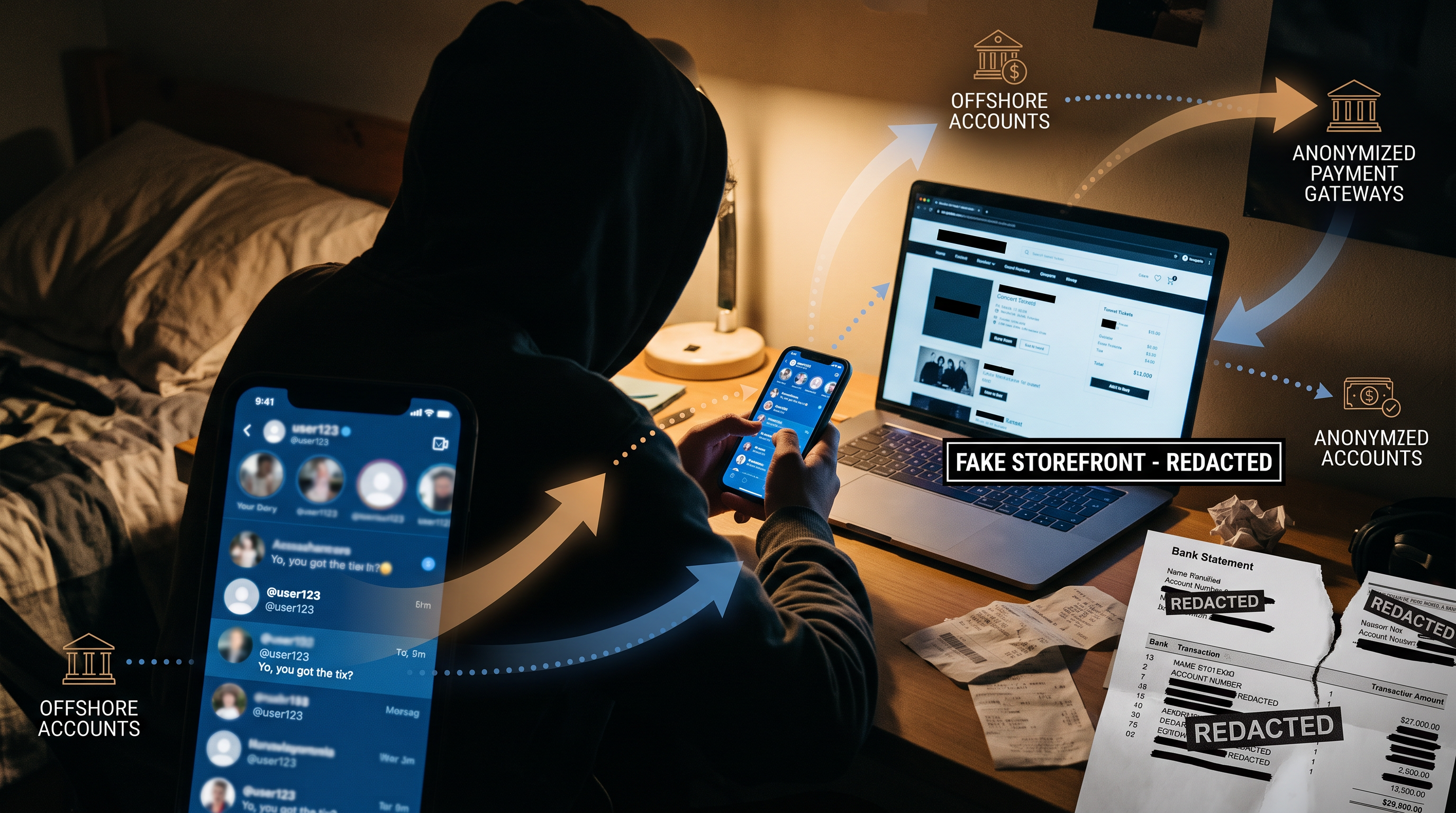
Once the fake video is ready, operators push it as a paid advertisement or viral organic post across multiple platforms simultaneously. The ads rotate across dozens of accounts and domains, making it harder for platform trust-and-safety teams to track and remove them quickly. Comment farms further amplify engagement, creating the illusion of social proof and urgency.
Victims who click through land on counterfeit websites that imitate legitimate giveaway pages. From there, the scam takes one of several directions:
- Demanding a small “shipping fee” to receive the promised prize, typically ranging from a few dollars to over a hundred.
- Requesting personal information including full name, address, email, and phone number, which feeds data harvesting pipelines.
- Directing victims toward crypto payment flows or investment platforms designed to drain funds over time.
- Capturing payment card details through fake checkout forms, leading to unauthorized charges and compromised accounts.
Why MrBeast’s Likeness Is a Prime Target for AI Fraud
MrBeast is not a random choice. With over 300 million YouTube subscribers and a brand built almost entirely on jaw-dropping giveaways, Jimmy Donaldson is one of the most trusted names in online entertainment. That trust is exactly what scammers exploit. When fans see a video that appears to show MrBeast giving away iPhones or cash, the natural response is excitement, not suspicion.
According to research from McAfee’s report on the world’s most deepfaked celebrities, well-known public figures with positive, generous public images are disproportionately targeted because their reputations lower a victim’s guard. MrBeast fits that profile almost perfectly. His entire content model is built on the premise of giving things away for free, so a fake giveaway ad does not trigger the same alarm bells it might if it featured a less giveaway-oriented celebrity.
Bitdefender has also documented the rapid growth of deepfake celebrity scams, noting that improvements in AI video generation have made it far cheaper and faster to produce convincing synthetic media. What once required expensive studio equipment and skilled video editors can now be accomplished with widely available AI tools in a matter of hours.
The Technology Driving the Scam at Scale
Three forces are combining to make the MrBeast deepfake giveaway scam, and others like it, difficult to stop at scale. First, generative AI video tools have become accessible enough that even low-budget fraud operations can produce convincing clips. Second, ad account vetting on major social platforms remains inconsistent, allowing scammers to purchase paid placements before accounts are flagged and banned. Third, fast domain churn, the practice of constantly registering new domains to replace banned ones, means takedown efforts rarely eliminate the underlying operation.
Scammers typically rotate through batches of ad accounts, each loaded with small amounts of ad credit. When one account is suspended, the next one activates automatically. The domains hosting the fake landing pages follow the same pattern, spinning up and disappearing within days or even hours. This infrastructure mimics the tactics used by larger cybercrime networks and suggests a level of operational sophistication beyond simple opportunistic fraud.
What Victims Are Reporting
Victims who have engaged with the fake giveaway pages report a range of harms. Some paid the shipping fee and received nothing. Others found their payment card details used for unauthorized purchases in the days following their interaction with the site. A smaller subset followed links into crypto investment platforms and lost significantly larger sums before realizing the scheme was fraudulent.
Beyond financial losses, many victims reported that their personal data appeared in phishing emails and spam calls shortly after submitting their information, suggesting the harvested data is sold or reused across multiple fraud operations. This secondary exposure can create ongoing risks long after the initial scam interaction ends.
How to Spot a Deepfake Celebrity Giveaway Ad
Recognizing a deepfake before engaging with it is the most effective form of protection. Look for these warning signs:
- The ad came from a paid placement, not an official channel. Real MrBeast giveaways are announced on his verified accounts, not through third-party ad buys.
- The video asks you to visit an external website. Legitimate giveaways do not route fans through unfamiliar domains.
- You are asked to pay a fee. No legitimate giveaway requires a shipping fee, verification payment, or crypto deposit to claim a prize.
- Facial movements or lip sync look slightly off. Current deepfake technology still produces subtle artifacts around the mouth, eyes, and hairline.
- The account posting the video has low history or a generic name. Scam accounts are often newly created with few followers and recycled usernames.
Using a service like Blacklist to check suspicious domains and accounts before engaging can also help you avoid landing on known scam pages.
What to Do If You Have Already Been Targeted
If you submitted payment details or personal information through one of these fake giveaway pages, act quickly. Contact your bank or card issuer immediately to report unauthorized charges and request a new card. If you sent cryptocurrency, contact the exchange and document the transaction hash, as some platforms can flag or freeze outbound fraud transfers if reported fast enough.
Preserve every screenshot, URL, and transaction record you have. Then report the scam through official channels. The FTC accepts reports at reportfraud.ftc.gov and the FBI’s Internet Crime Complaint Center accepts reports at ic3.gov. You should also report the specific ad or post directly within TikTok, Instagram, or Facebook using the platform’s built-in reporting tools.
Platforms and Creators Are Under Pressure to Respond
The burden of stopping deepfake scams does not fall entirely on individual users. Social platforms face growing pressure to improve ad account vetting, invest in synthetic media detection at the point of upload, and respond faster to takedown requests. The Hollywood Reporter has documented how celebrities including Taylor Swift and Scarlett Johansson have also had their likenesses used in similar AI-generated fraud, pointing to a systemic failure in platform-level protections rather than isolated incidents.
MrBeast himself has previously spoken out about fake giveaway scams using his name, urging fans to verify any promotion through his official accounts only. His team has flagged dozens of fraudulent pages and ad accounts over the years, but the volume of new attempts continues to outpace manual reporting efforts.
Conclusion: Stay Skeptical of Celebrity Giveaway Ads
The MrBeast deepfake giveaway scam is a clear example of how generative AI is lowering the barrier for large-scale social engineering fraud. The combination of a trusted public figure, convincing synthetic media, and fast-rotating infrastructure makes this a difficult threat to eliminate entirely. The most reliable defense is a healthy skepticism toward any unsolicited giveaway, especially one that arrives via a paid ad and asks for money or personal data upfront. Verify every promotion through an influencer’s official verified channels, never pay to receive a prize, and report anything suspicious to the platforms and to federal authorities immediately.
Frequently Asked Questions
Is MrBeast actually running iPhone giveaways on TikTok and Instagram ads?
No. The ads circulating on TikTok, Instagram, and Facebook are deepfakes that use AI to clone MrBeast’s likeness without his involvement or consent. Any giveaway from MrBeast is announced exclusively on his verified official channels.
What should I do if I paid a shipping fee on a fake MrBeast giveaway site?
Contact your bank or card issuer right away to dispute the charge and request a replacement card. Report the fraudulent site to the FTC at reportfraud.ftc.gov and to the platform where you first saw the ad. Save all screenshots and URLs as supporting evidence.
How can I tell if a celebrity giveaway video is a deepfake?
Look for unnatural lip sync, blurring around the face edges, inconsistent lighting, and stiff facial expressions. Also check whether the video came from the celebrity’s actual verified account or from an unfamiliar page running paid ads.
Are deepfake scams like this illegal?
Yes. Using someone’s likeness without consent to defraud consumers can violate federal wire fraud statutes, state identity laws, and FTC regulations. Victims are encouraged to file reports with both the FTC and the FBI’s IC3 to support investigation and prosecution.
Why do scammers keep using MrBeast specifically?
MrBeast’s entire brand is built on giving things away for free, which makes fans more likely to believe a fake giveaway without questioning it. His massive audience and high trust level make his likeness one of the most effective tools for social engineering at scale, according to cybersecurity research from McAfee and Bitdefender.