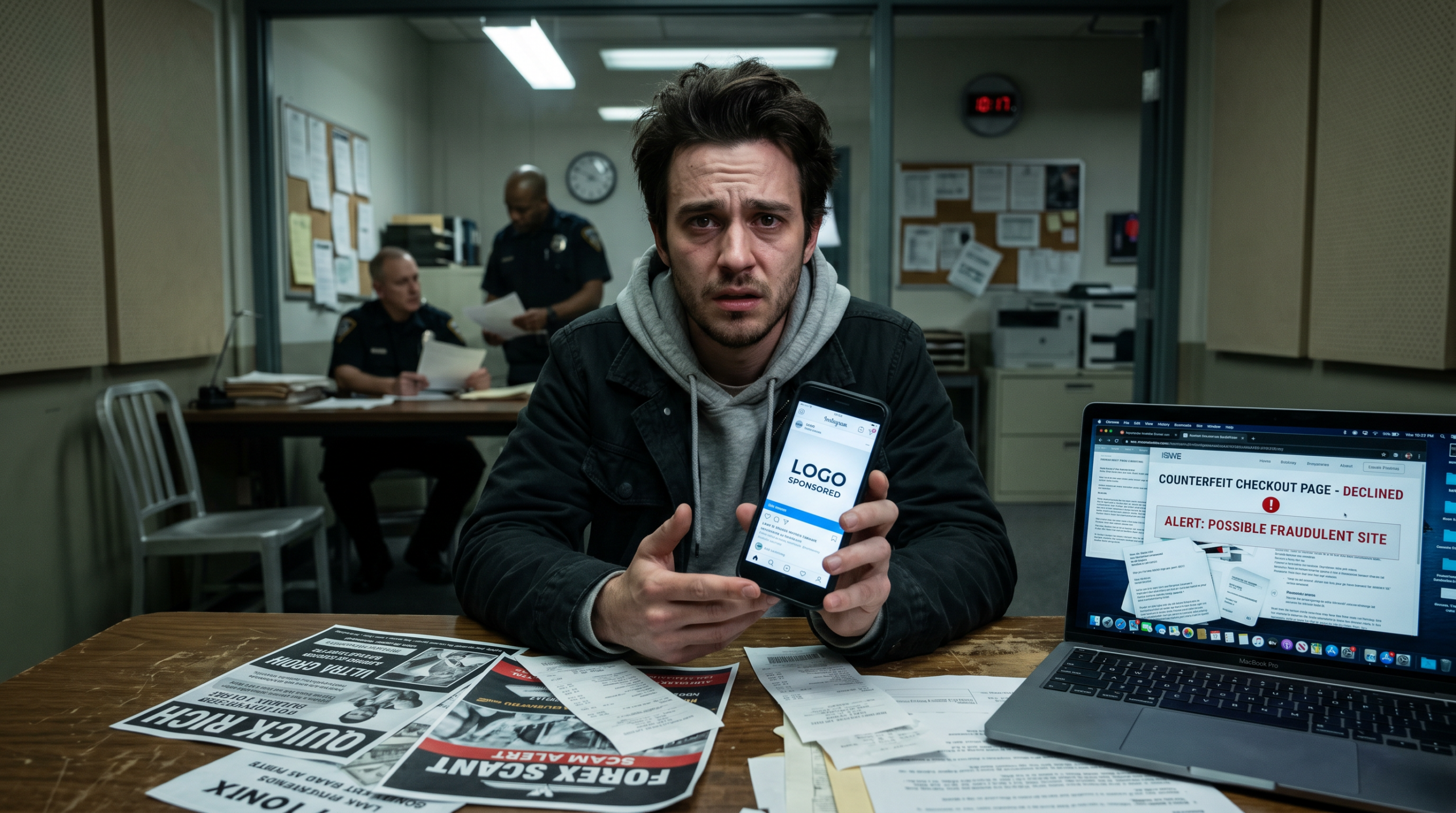
A viral NBC News segment has spotlighted a disturbing new trend in online fraud: scammers impersonating social media influencers to run fake storefronts and trick shoppers. In a shocking twist, one influencer was mistakenly arrested after fraudsters used his identity in the scam.
How the Scam Works
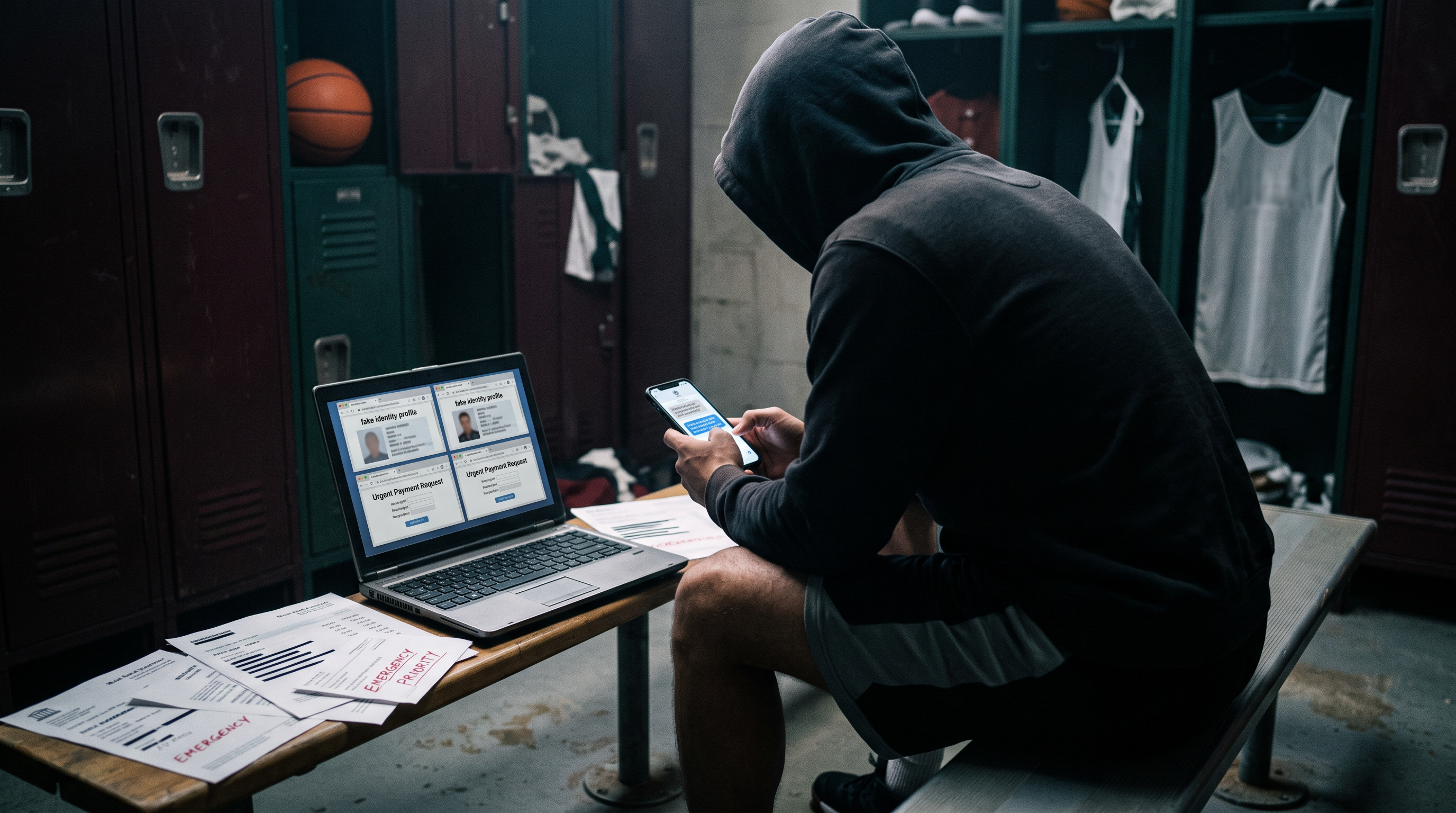
Criminals clone an influencer’s social profiles and launch convincing sponsored ads using the influencer’s images and messaging. When consumers click these ads, they are sent to counterfeit online shops that look legitimate and carry the influencer’s branding. After payment is made for the advertised goods, the products never arrive, and the scammers vanish with the money.
The Influencer’s Ordeal
In this case, the impersonator set up shop so convincingly that law enforcement initially traced the scam to the real influencer, who was subsequently wrongfully arrested. It took extensive investigation to reveal he was a victim himself, with no connection to the fraudulent activity beyond having his identity stolen.
Why Social Commerce Is Vulnerable
Sponsored posts and influencer campaigns have become a trusted way to advertise products online. Scammers exploit this trust, leveraging ad platforms that are often slow to verify authenticity, allowing fraudulent ads to reach millions before they’re taken down.
Protecting Consumers and Creators
- Shop only through verified links provided in an influencer’s official bio or website.
- Be wary of social media ads that seem too good to be true, especially for high-demand or heavily discounted items.
- Check for warning signs: recent new accounts with few posts, missing contact info, or inconsistent branding.
- Influencers should regularly search for imposter accounts, enable two-factor authentication, and register trademarks if possible.
Reporting Fraud
If you’re targeted by a scam or spot a fraudulent ad, report it to the social platform immediately and consider filing a report with the FTC or FBI Internet Crime Complaint Center (IC3).
Conclusion
The wrongful arrest in this case is a wake-up call for everyone involved in social commerce. The best defense is vigilance—verify before you buy, and report anything suspicious. Platforms, shoppers, and creators must work together to defeat these evolving scams.