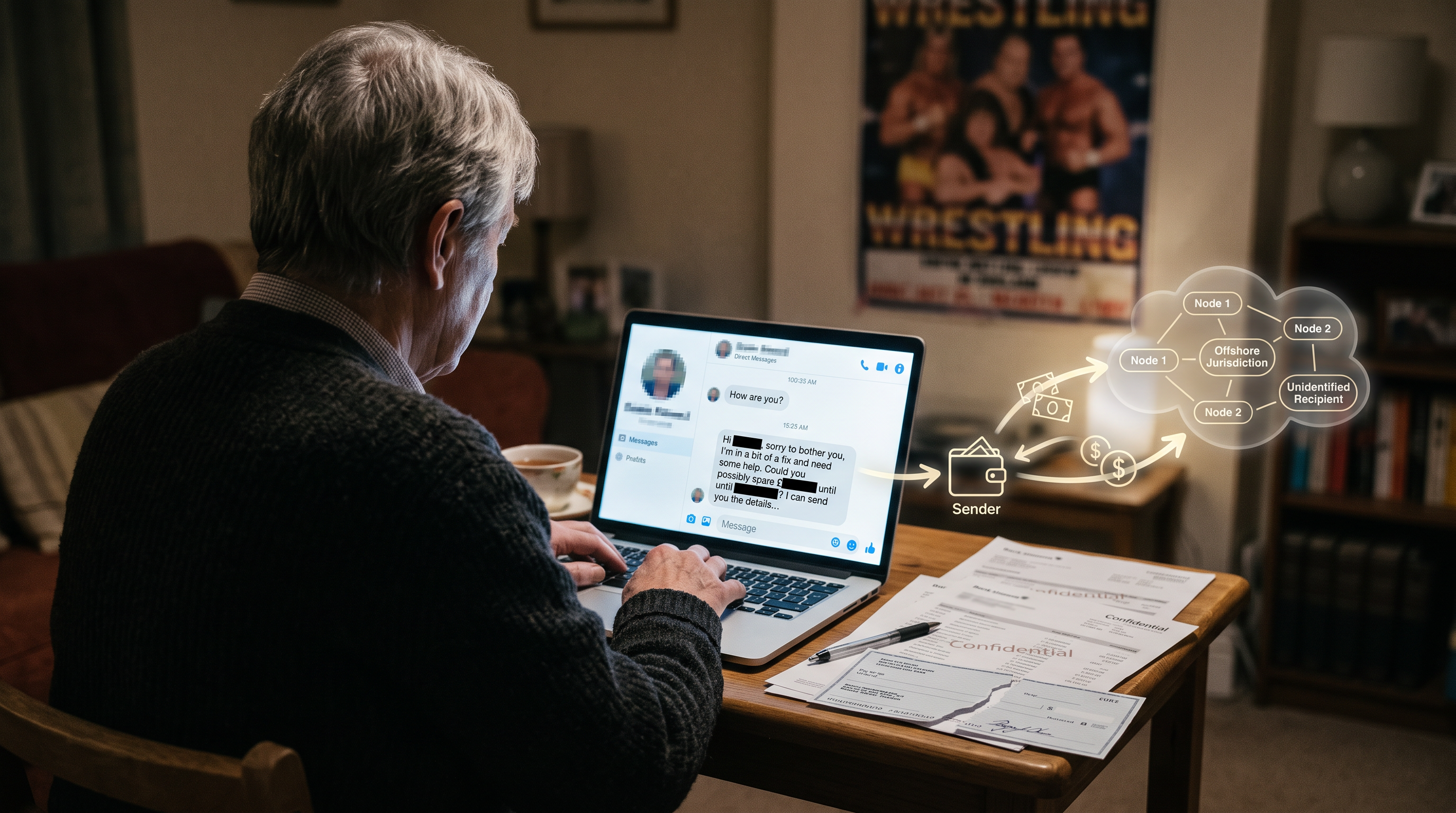
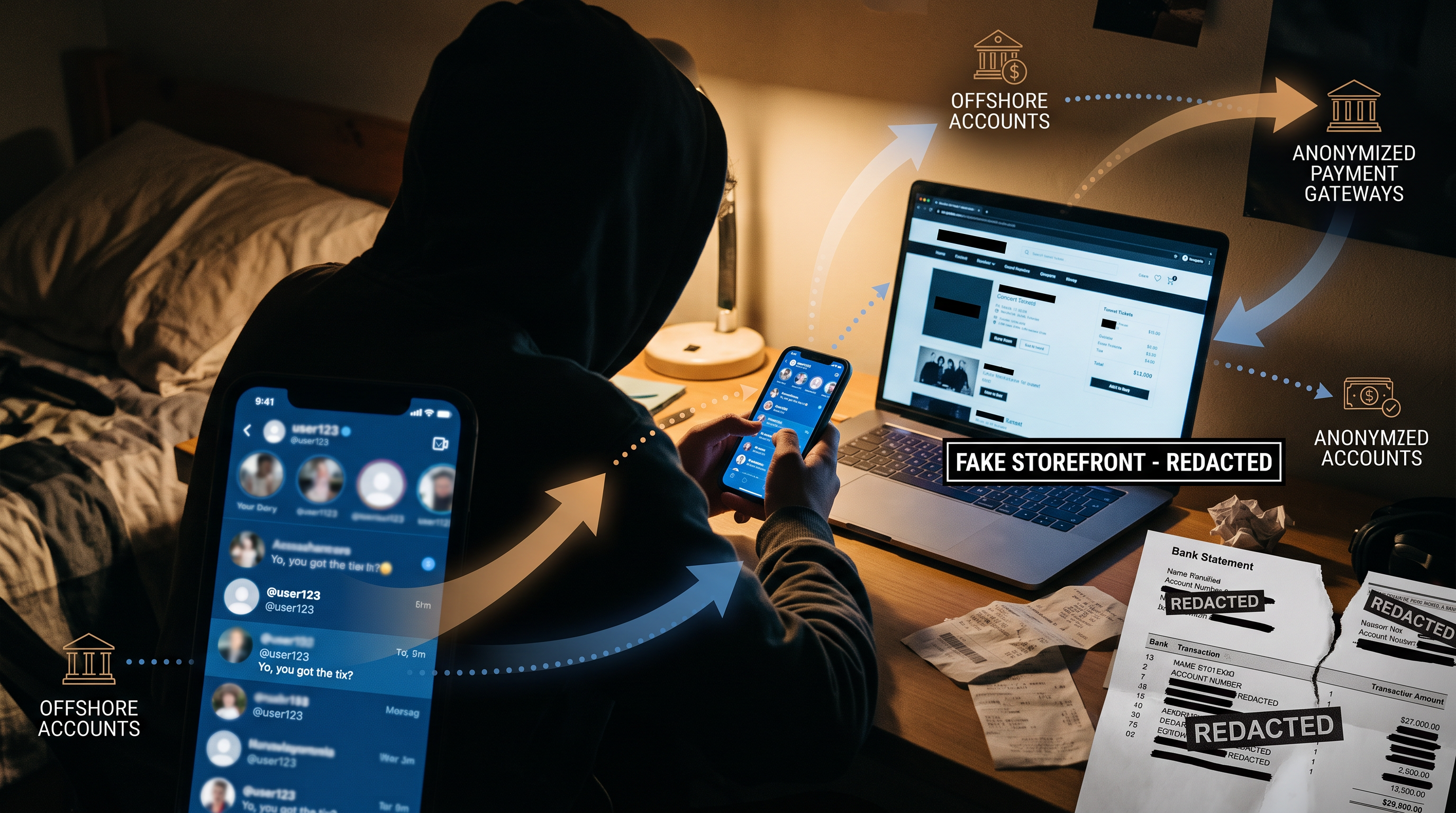
A sophisticated con artist has been exposed for impersonating high-profile Hollywood executives and celebrities to defraud industry professionals and fans out of thousands of dollars. According to investigative reporting by the Hollywood Reporter, amplified by Fox News, the impostor built an elaborate web of stolen photos, forged emails, SIM spoofing, and AI-generated content to convince targets they were communicating with real entertainment industry power players. The case has sent shockwaves through Hollywood and is drawing fresh attention to the accelerating epidemic of AI-enabled celebrity impersonation fraud sweeping the United States and beyond.
How the Hollywood Impostor Scammer Operated
The impostor’s playbook was methodical and disturbingly effective. Investigators found that the fraudster studied real executives and celebrities in detail, harvesting photographs from social media, copying communication styles, and even replicating email signatures and letterheads. Victims reportedly received messages that appeared to come from legitimate Hollywood addresses, complete with professional language and insider references designed to establish credibility fast.
SIM spoofing allowed the scammer to mask their true phone number and appear to call from a known contact’s line. AI-assisted content helped generate realistic-sounding correspondence that mimicked the writing style of actual industry figures. According to the Fox News report, targets were pressured into urgent payments or asked to facilitate confidential financial transactions, a classic high-pressure tactic used to short-circuit rational thinking.
Key Tactics Used in the Scam
- Stolen photos and cloned social media profiles to impersonate real celebrities and executives
- Forged emails with convincing domain names and professional formatting
- SIM spoofing to make calls appear to originate from legitimate contacts
- AI-generated messages that mimicked the writing style of real individuals
- Off-platform grooming through apps like WhatsApp and Telegram to avoid scrutiny
- Payment demands via gift cards, wire transfers, and cryptocurrency wallets
- Rapid domain rotation to stay ahead of takedown efforts
Celebrity Impersonation Fraud Is a Growing Epidemic
This case does not exist in isolation. The Hollywood Reporter has previously documented how celebrity impersonation scams have invoked the names of stars including Taylor Swift, Scarlett Johansson, and Kylie Jenner to lure unsuspecting fans and industry contacts into financial traps. Victims have collectively lost billions of dollars to these schemes, according to reporting by NBC’s Today show.
The rise of generative AI has dramatically lowered the barrier to entry for this type of fraud. Scammers no longer need sophisticated technical skills to produce convincing fake images, audio clips, or video content. Tools that once required professional expertise are now accessible to anyone with a laptop and an internet connection. A report from the Times of India highlighted how AI-generated celebrity endorsements are actively fueling cyber fraud in multiple regions, with victims believing they are receiving legitimate investment advice or exclusive opportunities from famous faces.
Impersonating a trusted figure speeds up what fraud researchers call conversion, the moment a target hands over money or personal information. When a message appears to come from a beloved celebrity or a respected industry gatekeeper, normal skepticism tends to collapse. That psychological dynamic is precisely what makes these scams so lucrative and so dangerous.
How Platforms and Payments Enable the Fraud
One of the most troubling aspects of celebrity impersonation fraud is how seamlessly it exploits the infrastructure of everyday digital life. Scammers move targets off mainstream platforms quickly, steering conversations toward private channels on WhatsApp or Telegram where there is no automated fraud detection and no public record. Once a private relationship is established, the ask for money follows, usually framed as an emergency, an exclusive deal, or a charitable contribution.
Payment methods are chosen specifically to be hard to trace or reverse. Gift cards are a favorite because transactions are near-instant and effectively anonymous. Cryptocurrency transfers, especially when routed through mixers, are designed to obscure the money trail entirely. Wire transfers, while traceable in theory, are often irreversible by the time victims realize they have been defrauded.
Platform takedown timelines remain a serious problem. Fake accounts and spoofed domains frequently stay live for days or weeks before removal, giving scammers ample time to victimize multiple targets before disappearing and reappearing under a new identity. Stronger verification standards and mandatory synthetic media labeling have been proposed as policy fixes, but implementation remains inconsistent across major platforms.
What Victims and Potential Targets Should Do Right Now
Consumer protection experts and law enforcement agencies have outlined clear steps for anyone who suspects they have been targeted by a Hollywood impostor scammer or any celebrity impersonation fraud.
- Never send money based on an unsolicited contact claiming to be a celebrity or executive, regardless of how convincing the message appears.
- Verify through official channels by checking the person’s verified social media accounts or official website before engaging further.
- Refuse gift card and crypto payment requests outright. Legitimate businesses and public figures do not ask for payment in gift cards or anonymous wallets.
- Save all evidence including screenshots, email headers, transaction IDs, and chat logs before accounts disappear.
- Notify your bank immediately if you have already sent money, as fast action is the only chance to recover wire transfer funds.
- Report the impostor to the platform where contact occurred and to law enforcement.
The FTC advises consumers to report impersonation scams directly at reportfraud.ftc.gov. Victims can also file a complaint with the FBI’s Internet Crime Complaint Center at ic3.gov, which tracks patterns across cases and coordinates with federal investigators. According to the FTC, celebrity impersonation on social media has been a documented and growing problem since at least 2018, and the addition of AI tools has made the threat significantly worse in recent years.
Staying informed is one of the most effective defenses available. Resources like UseBlacklist.com help individuals check whether a person or account has been flagged for fraudulent behavior before engaging with suspicious contacts online.
The Broader Warning for the Entertainment Industry
Hollywood is not just a backdrop for this story. It is a target. The entertainment industry runs on relationships, reputation, and fast-moving deals, conditions that scammers are happy to exploit. Executives, agents, aspiring talent, and fans all represent potential victims when a believable impersonation is in play. Industry organizations and talent agencies are being urged to implement internal verification protocols for any unsolicited financial requests, no matter how credible the sender appears.
The exposure of this particular con artist is a warning shot. As AI tools become more powerful and more accessible, the quality of fake identities will only improve. The window between a fraudster launching an impersonation campaign and a victim losing money is shrinking. Awareness, verification habits, and fast reporting are the most reliable defenses available today.
Frequently Asked Questions
How do Hollywood impostor scammers find their targets?
Scammers typically mine social media, LinkedIn, and entertainment industry directories to identify professionals or fans with connections to the celebrity or executive they are impersonating. They look for people who are likely to find the outreach plausible, such as aspiring actors, independent producers, or dedicated fans who publicly engage with a celebrity’s content.
What are the biggest red flags that a celebrity contact is fake?
Key warning signs include unsolicited outreach from an account you have never interacted with before, requests to move the conversation to WhatsApp or Telegram quickly, any demand for money through gift cards or cryptocurrency, and pressure to act urgently without time to verify. A genuine executive or celebrity will not ask a stranger for a financial favor through a cold direct message.
Can AI-generated content really fool people in these scams?
Yes. Modern AI tools can produce written messages, voice clones, and even video content that closely mimics a real person’s style and appearance. When combined with stolen profile photos and forged credentials, AI-generated content makes it very difficult for a non-expert to distinguish a fake from a real communication without independent verification through official channels.
What should I do if I already sent money to a scammer?
Contact your bank or financial institution immediately to report the fraud and request a recall of any wire transfers. Report the incident to the FTC at reportfraud.ftc.gov and to the FBI IC3 at ic3.gov. Preserve all evidence and file a report with your local police as well, as a police report can support bank dispute processes.
Are platforms doing enough to stop celebrity impersonation fraud?
Most major platforms have policies against impersonation, but enforcement is inconsistent and often reactive rather than proactive. Fake accounts frequently remain active long enough to defraud multiple victims before removal. Advocates are pushing for stronger identity verification at account creation and mandatory labeling of AI-generated media to help users identify synthetic content before it is used against them.