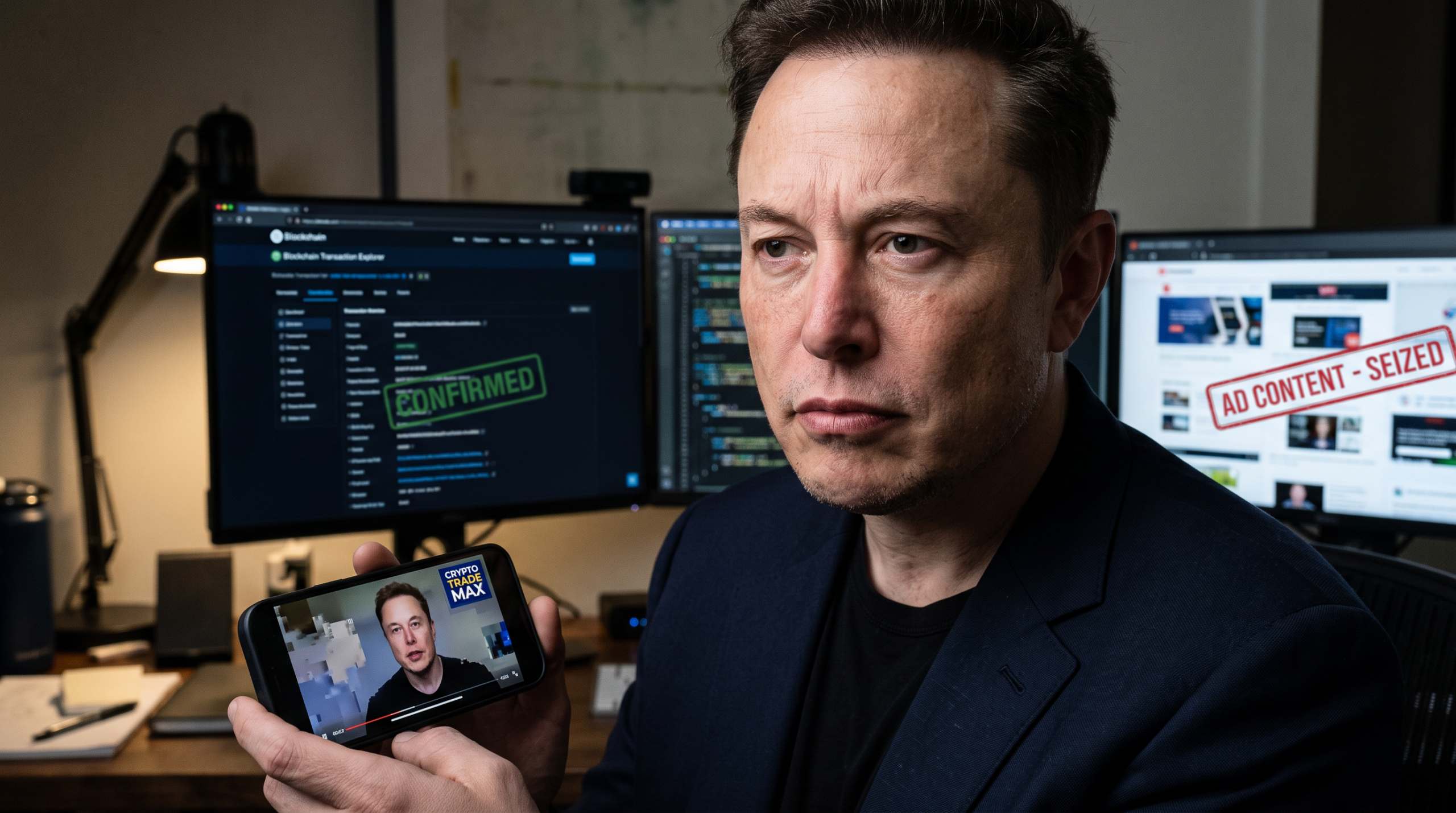
A sophisticated wave of AI-powered fraud is sweeping social media, and Elon Musk is at the center of it. Scammers are using deepfake video and audio of the Tesla and SpaceX CEO to promote fake investment platforms and crypto giveaways, tricking victims out of thousands to tens of thousands of dollars per incident. Security researchers, consumer watchdogs, and journalists are now calling this one of the most damaging celebrity impersonation fraud campaigns ever recorded.
How the Elon Musk Deepfake Scam Actually Works
The operation follows a repeatable playbook that is disturbingly effective. Fraudsters begin by creating convincing synthetic video or audio of Musk appearing to endorse an automated trading app or a crypto giveaway. The clips are polished enough to fool casual viewers, especially when delivered through the familiar visual format of a news broadcast or a tech interview.
Those clips are then amplified through paid social media advertisements and fake news screenshots designed to look like legitimate coverage from outlets such as CNN, BBC, or Reuters. Victims who click are taken to a cloned portal that mimics a real brokerage or exchange. According to reporting by Yahoo Finance, these platforms display fabricated profit dashboards that make early deposits appear to grow rapidly, building confidence before the real pressure begins.
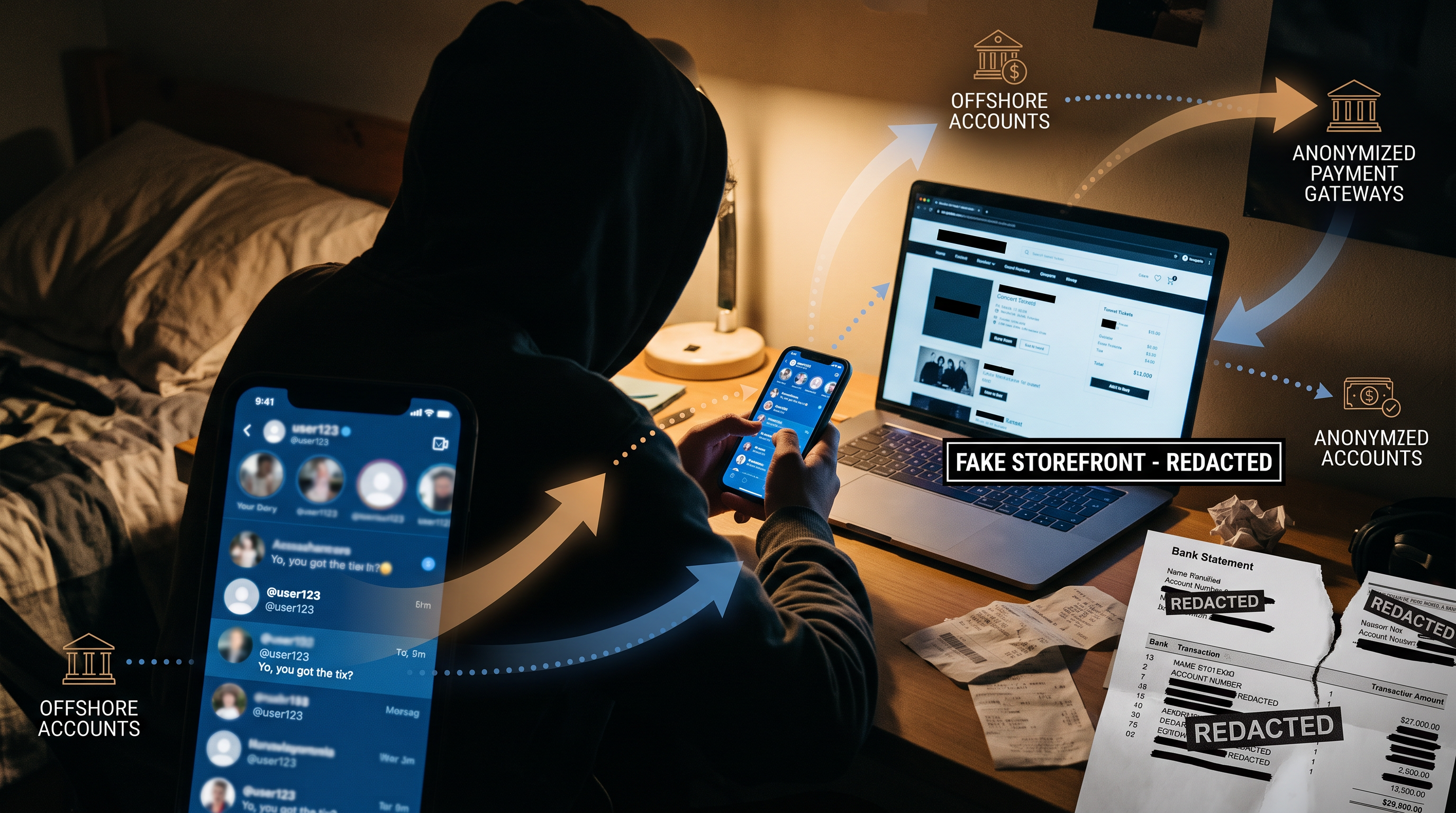
Once inside the funnel, victims are moved into private chat groups or one-on-one messaging where operators posing as account managers push them to deposit more money. Payments are accepted via cryptocurrency, bank wire, or gift cards. The funds are then laundered quickly through crypto mixers and chains of microtransactions designed to obscure the trail.
Why Musk Is the Scammers’ Favorite Target
Elon Musk is not the only celebrity whose likeness is being weaponized, but he is consistently the most exploited. A report from McAfee identified Musk as the world’s most deepfaked celebrity, noting that his association with Tesla, SpaceX, and cryptocurrency makes him uniquely credible in financial and tech contexts. When a convincing version of Musk appears to endorse a trading platform, the psychological barrier to handing over money drops dramatically.
Bitdefender researchers have documented how scam operators rotate Musk’s likeness across hundreds of ad accounts and domains. When one account or site gets taken down, another goes live within hours. This churn makes platform enforcement extremely difficult and gives the fraud operation near-continuous reach.
The broader celebrity deepfake scam ecosystem, which also exploits the likenesses of figures like Taylor Swift, Tom Hanks, and MrBeast, has cost victims billions of dollars globally, according to multiple security firms cited by Today.com. Individual losses range from a few thousand dollars to well over fifty thousand in documented cases.
The Ad-to-DM-to-Checkout Funnel Explained
Understanding the full funnel helps explain why so many people fall for it. Here is how the scam typically progresses from first contact to financial loss:
- Ad exposure: A paid video ad featuring a deepfake of Musk appears on Facebook, Instagram, YouTube, or TikTok, promising guaranteed returns or a limited-time crypto giveaway.
- Landing page: Clicking the ad sends the victim to a professionally designed website with a fake but functional-looking registration form.
- Account creation: The victim creates an account and is encouraged to make a small initial deposit, often as low as $250, to unlock the trading bot or claim the giveaway.
- Fake profits: The dashboard immediately shows the deposit growing, sometimes doubling within minutes, to generate excitement and trust.
- Upsell pressure: A personal account manager contacts the victim via WhatsApp or Telegram, urging larger deposits to unlock higher tiers or avoid missing a market window.
- Withdrawal block: When the victim tries to withdraw, they are told to pay taxes, fees, or verification deposits first. The money never arrives, and the operator eventually disappears.
How to Spot a Deepfake Investment Ad
Forensic analysts and cybersecurity researchers offer several red flags that can help viewers identify synthetic media before they become victims. The FTC has also published updated guidance on impersonation scams, noting a surge in reports involving AI-generated celebrity content.
- Unnatural blinking patterns or skin texture inconsistencies around the jaw and hairline
- Audio that sounds slightly out of sync with lip movements
- Generic claims such as “guaranteed returns” or “limited-time doubling” that no legitimate investment firm would ever make
- Urgent calls to act immediately or risk missing the opportunity
- Requests for payment via gift cards, crypto wallets, or wire transfers to unknown accounts
- No verifiable company address, regulatory registration, or customer service phone number
If you see any of these signs, treat the content as fraudulent until proven otherwise. Legitimate endorsements from public figures like Musk will always be verifiable through official channels such as his own social media profiles or company press releases.
What Regulators and Platforms Are Doing
Regulatory and platform responses have been uneven, though pressure is increasing. The FTC reported a significant spike in imposter scam losses in its latest consumer alert, with investment fraud driven by fake celebrity endorsements ranking among the top reported categories. Victims are encouraged to file reports directly at reportfraud.ftc.gov and through the FBI’s Internet Crime Complaint Center at ic3.gov.
Social media platforms have pledged to improve AI-generated content detection, but researchers at Bitdefender note that enforcement remains reactive rather than proactive. Ad accounts used in these campaigns are frequently newly created, funded with prepaid cards, and structured to avoid triggering automated review systems before a campaign launches.
What Victims Should Do Right Now
If you or someone you know has already sent money in response to one of these scams, speed matters. Here are the immediate steps to take:
- Contact your bank or credit card company immediately to report the transaction and request a chargeback or freeze
- Notify the cryptocurrency exchange used for any crypto transfers and request a hold if funds have not yet moved off-platformPreserve all screenshots, transaction IDs, chat logs, and email records before accounts are deleted
- File a report with the FTC, FBI IC3, and your country’s national fraud reporting agency
- Report the ad, account, or video directly to the platform where you first encountered it
Staying informed is one of the strongest defenses available. Resources like UseBlacklist.com help users identify and report fraudulent operators before more victims are reached.
Conclusion: Deepfake Fraud Is Scaling Fast
The Elon Musk deepfake scam is not an isolated incident. It is part of a coordinated, global fraud industry that is growing in sophistication alongside the AI tools available to everyone. Scammers are no longer limited by technical skill. They can generate convincing synthetic media in minutes, deploy it across dozens of ad accounts, and move victims through an automated funnel that mimics a legitimate financial service in nearly every detail. The only reliable defense is skepticism, verification, and rapid reporting when something goes wrong. If a video of any celebrity is promising you financial returns, stop, verify through official sources, and report it before clicking anything.
Frequently Asked Questions
Is Elon Musk actually promoting any crypto giveaways or investment apps?
No. Any video, audio, or social media post showing Musk endorsing a giveaway, trading bot, or crypto deposit scheme is almost certainly a deepfake scam. Musk does not promote investments through social media ads or private messages, and no legitimate investment platform operates this way.
How do I tell if a video is a deepfake?
Look for subtle visual glitches around the face, unnatural blinking, audio that drifts out of sync, or an overly smooth skin texture. Cross-check any financial claim against the person’s verified official accounts. When in doubt, assume synthetic until independently verified.
What should I do if I already sent money to one of these scams?
Contact your bank or crypto exchange immediately, preserve all documentation, and file reports with the FTC at reportfraud.ftc.gov and the FBI at ic3.gov. Act as quickly as possible because funds move fast once transferred to scam-controlled wallets.
Why do scammers prefer crypto, gift cards, and wire transfers?
These payment methods are difficult or impossible to reverse once completed, and they offer limited traceability compared to traditional bank transactions. Scammers specifically request them to reduce the chance that victims can recover their money.
Are social media platforms doing anything to stop deepfake scam ads?
Platforms have policies against fraudulent advertising and AI-manipulated media, but enforcement is largely reactive. Researchers note that scam operators exploit newly created ad accounts and domain churn to stay ahead of automated detection systems, making proactive prevention extremely challenging at scale.