A viral video at the center of the Philippines Senate impeachment proceedings has been confirmed as authentic, with investigators and the National Bureau of Investigation (NBI) testifying under oath that the footage shows no signs of AI manipulation or synthetic media generation. The finding lands at a critical moment globally, as deepfake fears have become a reflexive first response to politically inconvenient footage. For fraud watchers and digital security experts, the case is a masterclass in why rigorous Duterte impeachment video deepfake verification matters far beyond any single courtroom.
What the NBI Found During the Impeachment Proceedings
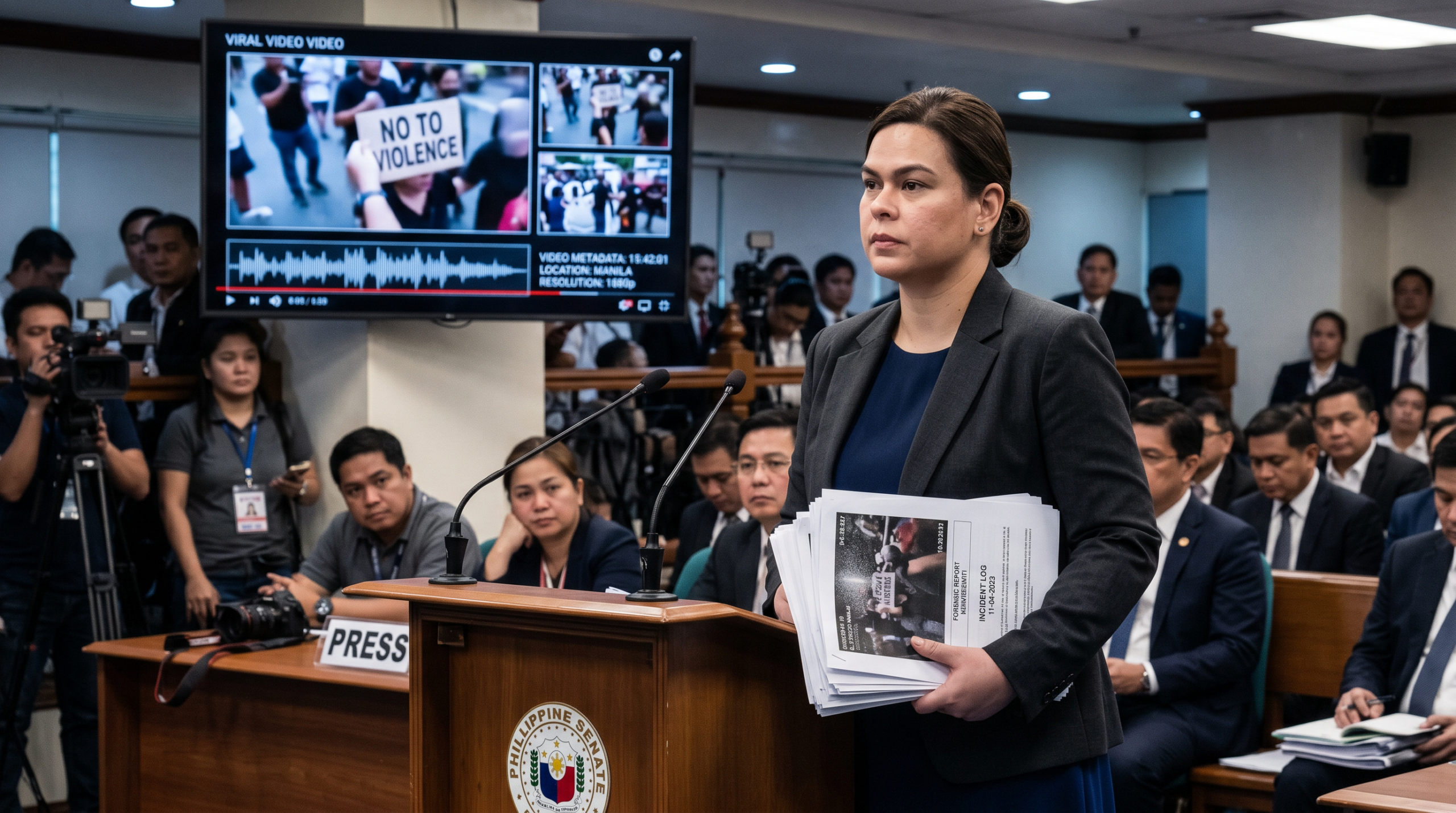
During testimony before the Philippine Senate, forensic investigators presented their analysis of the widely circulated video, which allegedly captured threats made by former President Rodrigo Duterte. According to reporting from Democracy Now!, both independent investigators and NBI examiners concluded the video bore no detectable hallmarks of AI generation or post-production manipulation.
The NBI applied multiple layers of forensic testing before reaching that conclusion. Analysts looked at metadata integrity, compression artifacts, lighting consistency, and facial landmark mapping, all standard tools used to distinguish genuine recordings from synthetically generated or heavily edited content. No inconsistencies were found across any of those vectors.
The testimony is significant because the impeachment case itself hinges partly on whether the video can be used as credible evidence. A finding of authenticity clears a major evidentiary hurdle and shifts the political and legal debate to what was actually said, rather than whether the footage was fabricated.
Why Deepfake Fears Dominated the Public Conversation
Even before the NBI issued its findings, the video had already become a flashpoint in a broader debate about synthetic media and political manipulation. Public skepticism about viral footage has grown sharply in recent years as deepfake technology has become cheaper and more accessible. That skepticism, while healthy in principle, also creates a dangerous opening for bad actors.
When a public figure or their supporters claim a real video is a deepfake, they can sow enough doubt to neutralize legitimate evidence. Conversely, when a manipulated video is mistaken for authentic footage, the consequences can range from reputational destruction to incitement of real-world harm. The Duterte case sits at the intersection of both risks and shows exactly why verification infrastructure needs to be independent, transparent, and rapid.
How Forensic Labs Detect AI Manipulation in Video
Modern deepfake detection relies on a layered approach rather than any single test. Forensic analysts typically examine the following:
- Metadata and file provenance: Authentic recordings carry camera-generated metadata that is difficult to spoof completely. Inconsistencies in timestamps, device identifiers, or GPS data can flag manipulation.
- Compression artifact analysis: AI-generated video often introduces specific patterns of compression noise that differ from those produced by real camera hardware.
- Facial landmark consistency: Deepfake models can struggle with edge cases like unusual lighting angles, rapid head movements, or reflections in glasses. Frame-by-frame landmark tracking can expose these errors.
- Audio-visual sync testing: Synthetic lip movements frequently drift slightly out of phase with the underlying audio, a gap that specialized software can measure in milliseconds.
- Biological signal detection: Some advanced tools look for subtle skin color fluctuations caused by blood flow, a signal that AI-rendered faces typically cannot replicate accurately.
The NBI’s multi-method approach reflects best practice in the field. Relying on a single tool or a single vendor introduces the risk of false negatives, especially as generative AI improves its ability to defeat individual detection techniques.
The Broader Fraud and Impersonation Risk
The political dimension of the Duterte case is striking, but the underlying threat model applies directly to everyday fraud. Scammers and impersonators have already begun using AI-generated audio and video to fabricate urgency. Victims receive clips that appear to show a family member in distress, a CEO authorizing a wire transfer, or a government official demanding immediate payment.
According to the Federal Trade Commission’s guidance on deepfakes, consumers should treat any unsolicited video or audio message that creates financial urgency with extreme caution. The FTC advises verifying the identity of the sender through a completely separate, known channel before taking any action.
The same principle applies in reverse. When genuine footage is mischaracterized as a deepfake, whether by political opponents, scammers trying to discredit evidence against them, or simply by misinformed social media users, the damage to truth can be just as severe. Platforms and newsrooms carry real responsibility to apply forensic rigor before amplifying either the footage or claims about its inauthenticity.
Platform and Newsroom Responsibility
One of the most actionable lessons from the Philippines case is that speed and forensic accuracy are often in tension. Viral content spreads within hours. Independent forensic confirmation can take days or weeks. That gap is where misinformation, and fraud, flourish.
Responsible platforms should maintain partnerships with certified forensic labs and apply content flags to disputed videos while verification is pending, rather than removing content outright or amplifying it without caveat. Newsrooms should establish clear verification protocols before reporting on any video that carries claims of political sensitivity or criminal conduct.
For individuals trying to stay safe, tools like community-driven fraud reporting platforms can help surface known scam accounts and flagged impersonators before a viral clip reaches your feed.
Practical Steps for Individuals and Organizations
Whether you are a journalist, a business owner, or a private citizen, the following steps reduce your exposure to both deepfake fraud and false deepfake accusations:
- Preserve original files immediately. Always save the original file, not a screenshot or re-encoded copy. Metadata is often stripped during compression, and you need the source file for credible forensic analysis.
- Document provenance and timestamps. Note where you first encountered the content, when, and through which platform or account. Chain of custody matters in any formal investigation.
- Seek multiple independent forensic opinions. A single lab finding, even from a reputable institution, is not a definitive answer. Corroboration from independent sources strengthens any authenticity claim.
- Do not act on financial or legal demands in viral clips. Treat any video that creates urgency around money, identity verification, or legal compliance as suspect until independently confirmed through official channels.
- Report suspicious accounts and content. File reports with the FTC’s fraud reporting portal and the FBI’s Internet Crime Complaint Center (IC3) if you encounter what you believe is an AI-powered impersonation scam.
Conclusion: Verification Is Not Optional
The NBI’s confirmation that the Duterte impeachment video is authentic and free of AI manipulation is a win for forensic accountability. But it also serves as a reminder of how contested the truth can become when synthetic media technology is within reach of anyone with a laptop. As deepfake tools grow more sophisticated, the burden on investigators, platforms, journalists, and ordinary citizens to demand rigorous verification only increases. Do not wait for a crisis to build your verification habits. Start now, preserve your files, check your sources, and report what you cannot confirm.
Frequently Asked Questions
What did the NBI conclude about the Duterte impeachment video?
The National Bureau of Investigation of the Philippines testified during Senate impeachment proceedings that the viral video allegedly showing threats by former President Rodrigo Duterte is authentic and carries no signs of AI manipulation or synthetic media generation.
How do forensic labs test whether a video is a deepfake?
Labs use a combination of metadata analysis, compression artifact examination, facial landmark tracking, audio-visual sync testing, and biological signal detection. No single test is definitive, which is why multiple independent methods are applied before a conclusion is reached.
Can scammers use deepfakes to commit fraud?
Yes. Fraudsters increasingly use AI-generated audio and video to impersonate executives, family members, and government officials in order to extract money or sensitive information. The FTC advises verifying any urgent request through a separate, known communication channel before responding.
What should I do if I receive a suspicious video claiming to be from someone I know?
Do not act on any financial or legal demands it contains. Contact the person directly through a phone number or email you already have on file, not one provided in the message. Report the content to the platform and to the FTC at reportfraud.ftc.gov or the FBI IC3 at ic3.gov.
Why does it matter if authentic footage is wrongly labeled a deepfake?
Mislabeling genuine footage as AI-generated can neutralize legitimate evidence, protect bad actors from accountability, and erode public trust in real documentation. It is a tactic that can be weaponized in legal, political, and financial fraud contexts alike, making accurate verification just as important as detecting actual synthetic media.