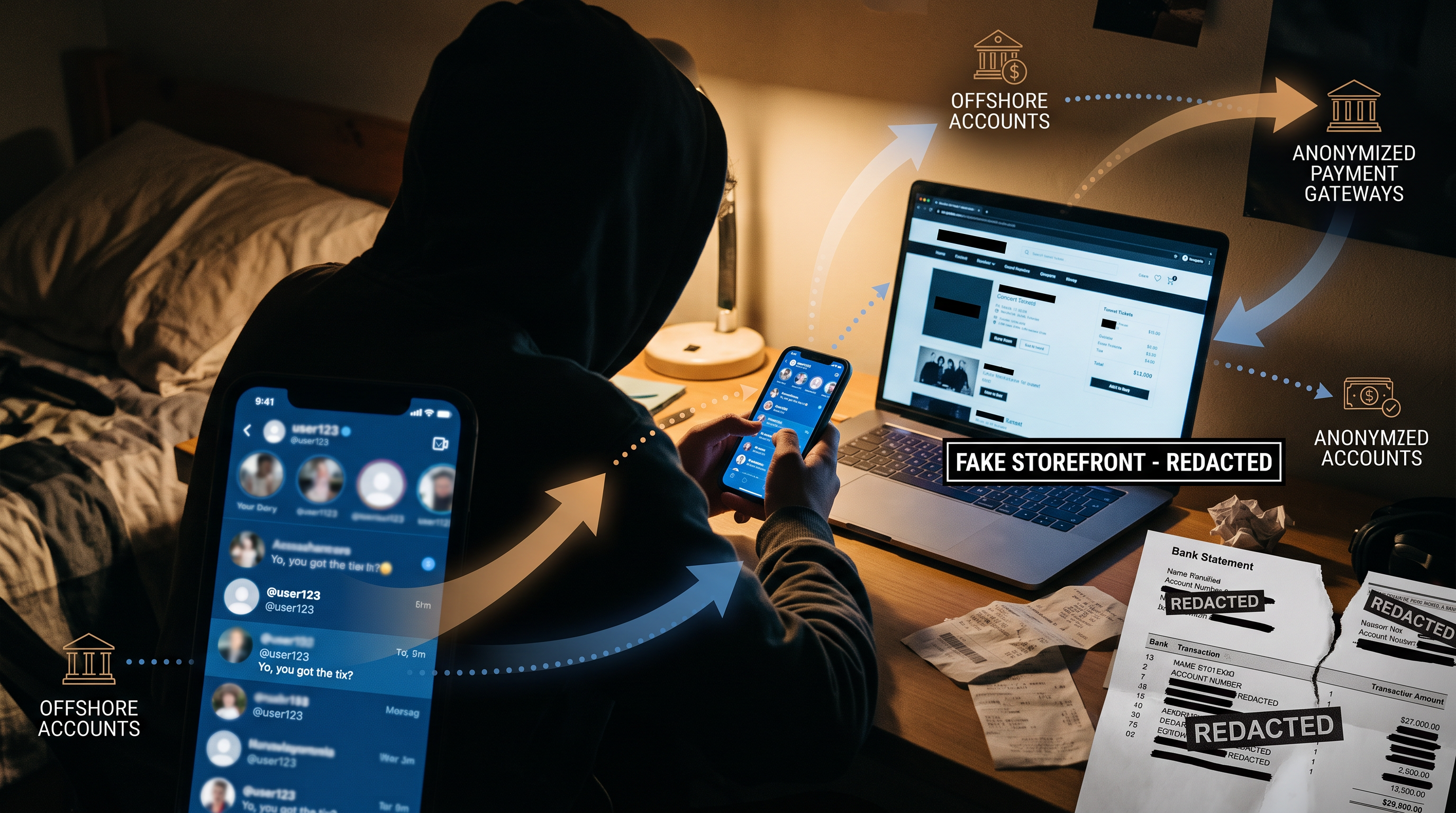
A Bengaluru professor lost approximately ₹61 lakh, equivalent to around USD 70,000, after falling victim to a sophisticated investment fraud that used an AI-generated deepfake video of India’s Finance Minister Nirmala Sitharaman to appear credible and authoritative. The case has alarmed cybersecurity researchers, law enforcement agencies, and consumer advocates across India, signaling a sharp and dangerous escalation in how scammers are weaponizing artificial intelligence. According to reporting aggregated by the Economic Times, this scam is far from an isolated incident, as deepfake-driven financial fraud is becoming an increasingly common tactic targeting everyday people.
How the Deepfake Nirmala Sitharaman Investment Scam Unfolded
The fraud followed a carefully constructed, multi-platform playbook designed to build trust at every stage. It began with a highly convincing AI-generated video of Finance Minister Nirmala Sitharaman, shared on Facebook. In the video, the deepfake version of the minister appeared to endorse a specific investment opportunity, lending the scheme the kind of high-level government credibility that would be difficult for most people to question at first glance.
The video spread rapidly across social feeds before platform moderators could intervene. Viewers who engaged with the content were then funneled into private Telegram group chats, where scam operators presented themselves as financial advisors connected to the promoted investment program. This cross-platform move from a public social post to a private messaging environment is a deliberate tactic, as it removes the fraud from public scrutiny and creates a more controlled space where operators can manage the victim’s experience without outside interference.
The Fake Trading Portal and Fabricated Profits
Inside the Telegram groups, victims were given access to a counterfeit trading portal. The portal was designed to look professional and legitimate, displaying fabricated profit figures that climbed steadily to reinforce the illusion that the investment was performing well. This technique, sometimes called a “profit mirage,” is highly effective because it removes doubt at precisely the moment a victim might otherwise pause and reconsider.
The Bengaluru professor reportedly watched their fake portfolio balance grow over multiple weeks before being encouraged by the operators to deposit increasingly larger sums. Each successful deposit, met with a corresponding rise in the fabricated balance, deepened the victim’s confidence. By the time the professor attempted to withdraw funds, the operators either imposed new conditions or went silent entirely.
Where the Money Went: Fund Tracing and Intermediaries
Once victims transferred money, the funds moved quickly through a layered network of intermediary bank accounts. This method, commonly referred to as “layering” in financial fraud investigations, is designed to break the traceable link between the victim and the ultimate beneficiaries of the theft. According to cybercrime analysts cited across outlets including the Times of India, such scams increasingly combine traditional bank transfers with cryptocurrency channels to make fund recovery even harder for law enforcement.
Indian cybercrime units are now investigating the chain of accounts used in this case. However, recovering funds once they pass through multiple intermediary accounts and potentially convert into cryptocurrency remains extraordinarily difficult, which is why early reporting is so critical for victims.
Why Deepfake Scams Are Especially Dangerous
The use of a deepfake likeness of a sitting Finance Minister marks a significant and troubling evolution in online investment fraud. Earlier generations of scams relied on fake websites, stolen logos, or crude impersonation. AI-generated deepfakes raise the threat level considerably because the video evidence appears so convincing that even cautious, educated individuals can be deceived.
Key Factors That Make These Scams Harder to Detect
- AI video synthesis has improved to the point where lip-sync, facial movement, and voice can be replicated with high accuracy from publicly available footage.
- High-profile public figures like finance ministers carry inherent authority, making their apparent endorsement far more persuasive than that of a private individual.
- The cross-platform workflow moves victims from a public post to a private channel quickly, limiting exposure to counter-information or peer warnings.
- Fake trading portals create a prolonged, immersive illusion of legitimate returns that can last weeks or months before the deception collapses.
- Platform takedown processes often lag behind viral spread, meaning hundreds or thousands of people may see the fraudulent content before it is removed.
Platform Moderation and the Takedown Timing Problem
One of the most significant structural vulnerabilities exposed by this case is the gap between when fraudulent content goes viral and when platforms act to remove it. Facebook’s content moderation systems, even with AI-assisted detection, are frequently outpaced by the speed at which manipulated videos can accumulate views and shares. By the time a deepfake video is flagged and removed, the scammers have already moved their target audience into private Telegram channels where platform moderation has no reach.
Telegram has faced repeated criticism for slow responses to fraud-related group activity. Because these groups are private or invite-only, they are harder for automated systems to detect and require active user reporting to trigger reviews. Security researchers argue that both platforms need faster escalation paths specifically for content impersonating government officials and financial regulators.
Law Enforcement Response in India
Indian cybercrime authorities have been responding to an increasing volume of AI-assisted investment fraud cases. The country’s Cyber Crime Coordination Centre and state-level cybercrime units are actively investigating this case. Victims in India are encouraged to file reports with their local cybercrime cell and through the national helpline. Law enforcement has also been coordinating with banks to attempt account freezes when reports come in quickly enough, though the window for successful intervention is narrow once funds begin moving through intermediary accounts.
How to Protect Yourself from Deepfake Investment Fraud
Consumer protection experts and digital forensics professionals offer the following guidance for anyone who encounters unsolicited investment content online:
- Never trust an investment opportunity promoted through an unsolicited video, regardless of who appears to be endorsing it. Verify any claimed government or official endorsement directly through official government websites or verified social media accounts.
- Be highly skeptical of any investment opportunity that moves you from a public platform to a private messaging app like Telegram or WhatsApp. Legitimate financial products do not operate this way.
- Do not transfer funds through non-standard payment channels or to personal bank accounts not associated with a registered financial institution.
- Preserve all evidence immediately, including screenshots of the original video, Telegram messages, portal screenshots, and all payment receipts.
- Contact your bank as soon as you suspect fraud. Many banks can attempt a recall or freeze on recent transfers if notified promptly.
- Report the content directly to the hosting platform and file a formal complaint with local cybercrime units.
Resources such as UseBlacklist.com can also help you research and flag suspicious entities before committing any funds. Using a verified scam database before investing can provide a critical early warning that saves you from significant financial harm.
Report Investment Fraud Immediately
If you are based in the United States and have encountered similar deepfake investment scams, you can file a report with the FTC’s fraud reporting portal or submit a complaint to the FBI’s Internet Crime Complaint Center (IC3). Indian residents should contact their state cybercrime unit and the national cybercrime helpline at 1930.
Conclusion: AI Deepfakes Have Become a Financial Threat
The Bengaluru professor who lost ₹61 lakh was not careless or naive. This person was targeted by a well-funded, technically sophisticated criminal operation that exploited the latest AI tools to manufacture false credibility at scale. As deepfake technology becomes cheaper and more accessible, these scams will multiply unless platforms act faster, financial institutions add stronger onboarding verification, and consumers build greater awareness of the specific red flags involved. Stay informed, verify everything independently, and never let urgency or apparent authority push you into transferring money before you have done your due diligence.
Frequently Asked Questions
What is a deepfake investment scam?
A deepfake investment scam uses AI-generated video or audio to impersonate a trusted public figure, such as a government official or celebrity, to falsely endorse a fraudulent investment opportunity and convince victims to transfer money to scammer-controlled accounts.
How can I tell if an investment video on Facebook is a deepfake?
Look for unnatural blinking patterns, mismatched lip sync, slight distortions around the hairline or ears, and inconsistent lighting on the face compared to the background. Most importantly, verify any claimed endorsement directly through official government or verified social media channels before acting on it.
What should I do if I already sent money to a suspected investment scam?
Contact your bank immediately to request a transaction recall or freeze. Preserve all evidence including screenshots and transaction records. File a report with your local cybercrime unit, and if you are in the US, report to the FTC at reportfraud.ftc.gov and the FBI IC3 at ic3.gov. Speed is critical, as funds move quickly once transferred.
Why do scammers move victims from Facebook to Telegram?
Moving victims into private Telegram groups removes them from public spaces where friends or other users might warn them. It also places the conversation outside the reach of Facebook’s moderation tools, giving scammers a controlled environment in which to maintain the illusion of legitimacy and apply pressure without interference.
Are Indian authorities taking action against deepfake financial fraud?
Yes. India’s Cyber Crime Coordination Centre and multiple state cybercrime units are actively investigating cases of AI-assisted investment fraud. Authorities are also working with banks to attempt account freezes and are pushing for faster coordination with social media platforms to reduce the time fraudulent content remains accessible online.