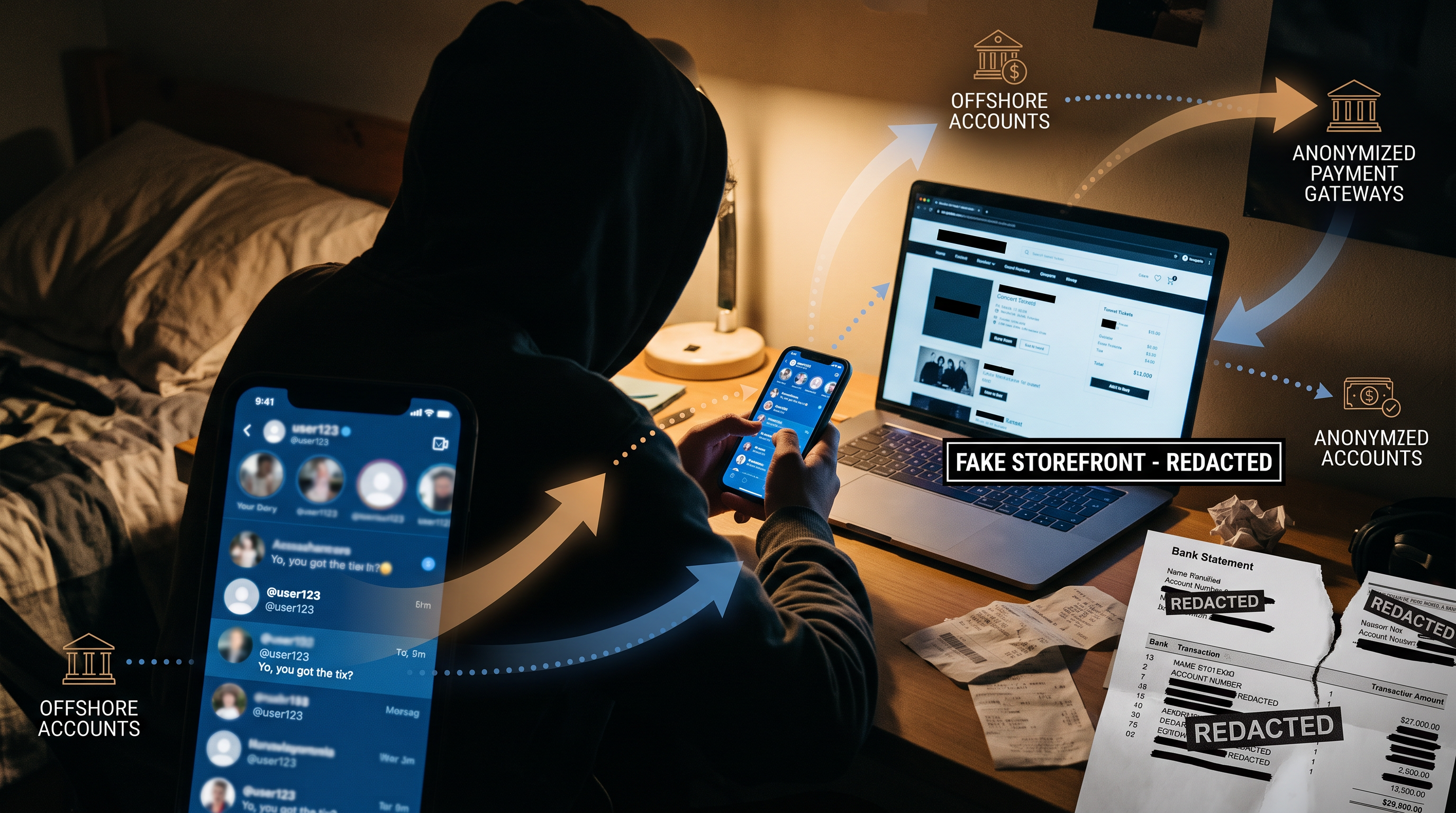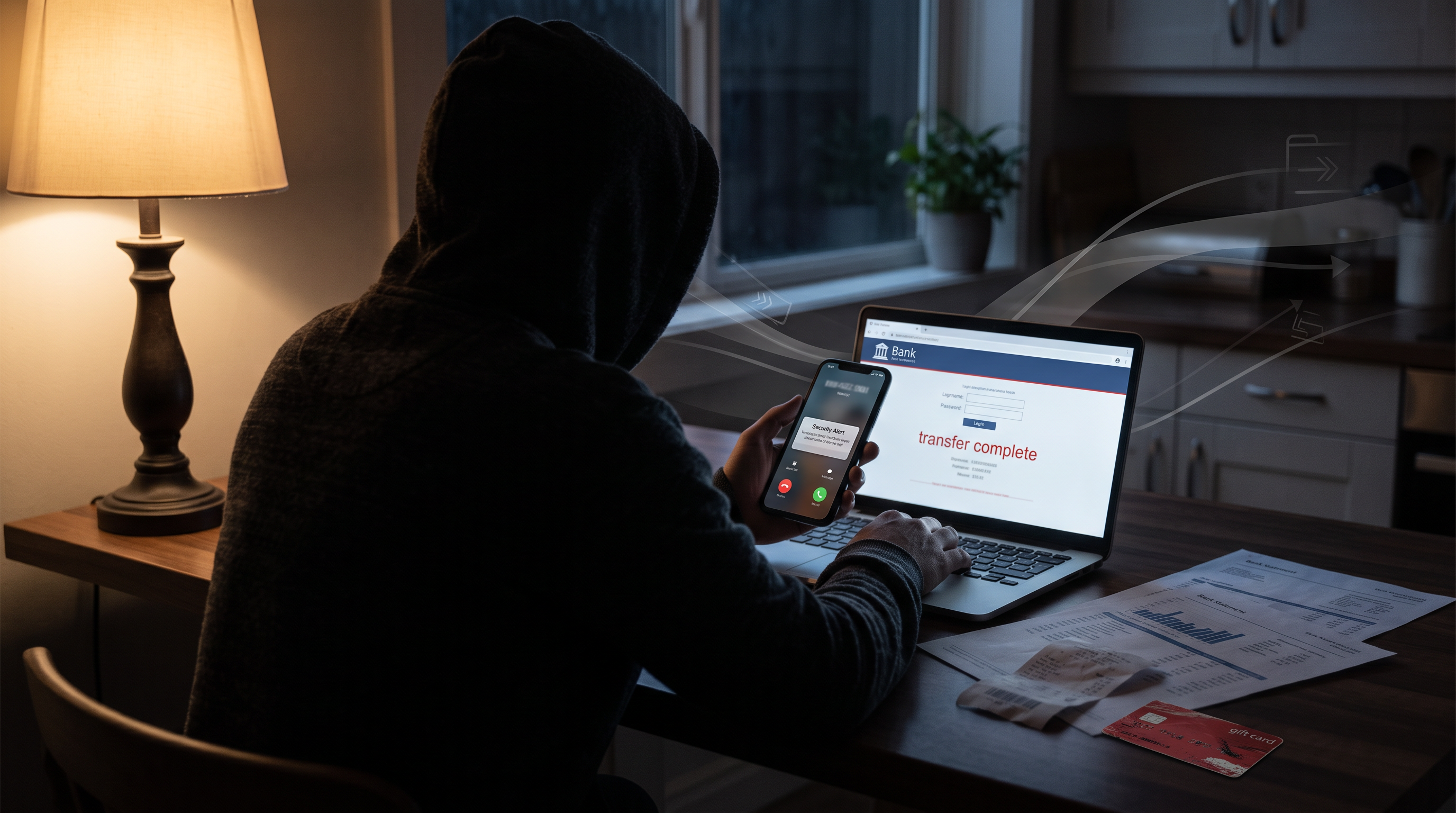
An Oakland woman lost everything she had saved over a lifetime in a matter of hours, according to local ABC7 coverage published on September 3, 2026. Callers posing as the security team at Charles Schwab, one of the most recognizable names in American finance, told her that her account had been compromised and that she needed to move her funds immediately to protect them. By the time she realized what had happened, her life savings were gone and the money trail had gone cold.
Key Facts
- An Oakland woman lost her entire life savings in a Charles Schwab impostor phone scam reported by ABC7 News on September 3, 2026.
- Callers impersonated Charles Schwab's security team, using spoofed caller ID details to appear legitimate and authoritative.
- Scammers directed the victim to transfer funds off-platform through wire instructions, making recovery extremely difficult.
- The FBI's Internet Crime Complaint Center (IC3) issued a public service announcement in May 2026 warning about the surge in financial institution impersonation scams.
- Impersonation scams targeting brokerage and bank customers have produced catastrophic single-incident losses, often wiping out victims in one phone call.
How the Charles Schwab Impostor Phone Scam Worked
The mechanics of this fraud follow a well-documented playbook that law enforcement agencies have been tracking for years. The scammers opened with an unsolicited phone call that appeared, on the victim's caller ID, to come from a legitimate Charles Schwab number. That technique, known as caller ID spoofing, is inexpensive and widely available to criminal networks operating both domestically and overseas.
Once the victim answered, the caller introduced themselves as a member of Schwab's account security team. They described a supposed unauthorized access attempt on her account and created an immediate sense of urgency, insisting she had only minutes to act before additional damage occurred. This pressure tactic is designed to short-circuit rational thinking and bypass the natural skepticism most people would otherwise apply.
The caller then walked her through a series of steps that she believed were defensive measures. In reality, each step moved her money further out of her reach and closer to the fraudsters. She was directed to initiate wire transfers to accounts the callers described as temporary holding accounts controlled by Schwab. Those accounts, according to the ABC7 report, had no connection to Charles Schwab whatsoever.
Why Financial Impersonation Scams Are So Effective
Charles Schwab has more than 35 million active brokerage accounts in the United States. That scale means a large portion of any random phone list will contain actual Schwab customers, which makes the brand a high-value target for impersonators. Scammers do not need to know who their victim's broker is ahead of time. They simply claim to be from Schwab, and a significant percentage of people they call will confirm the relationship by engaging with the conversation.
The spoofed caller ID removes the first and most intuitive line of defense. Most people have been conditioned to trust calls that appear to come from known institutions. When the number on the screen matches what someone might look up independently, the psychological barrier against compliance drops sharply.
The FBI's IC3 flagged exactly this pattern in a public service announcement issued in May 2026, warning consumers that financial institution impersonation calls had increased substantially and that losses per incident were among the highest of any fraud category. The agency noted that retirement savings and brokerage accounts were primary targets because the balances tend to be large and transfers can be processed quickly.
Similar impersonation tactics have been documented across many contexts. A related case covered here involved an Ameesha Patel impostor phone scam that used the same combination of spoofed identity and urgent social engineering to defraud victims. The underlying psychological levers are identical regardless of which name or brand the fraudsters borrow.
The Off-Ramp Problem: Why Recovery Is So Difficult
Once a wire transfer leaves a victim's account, recovering those funds is genuinely difficult. Domestic wire transfers can sometimes be recalled within a narrow window if the sending institution acts quickly and the receiving bank cooperates. International transfers, or funds moved into cryptocurrency wallets or prepaid accounts, are far harder to claw back.
In the Oakland case, the callers directed the victim through off-platform channels, meaning the instructions did not appear inside her actual Schwab account portal or any verified Schwab communication. That separation is intentional. Legitimate financial institutions do not ask customers to follow wire instructions delivered verbally over an unsolicited phone call.
The FTC has documented that impersonation scams as a category produced losses in the billions of dollars in recent years. Our earlier coverage of imposter scam FTC losses in 2025 provides broader context on how these figures have grown year over year and which demographics are most frequently targeted.
Red Flags That Signal an Impostor Call
Knowing what to look for can stop this fraud before it starts. The following warning signs are consistent across virtually every documented financial impersonation scam.
- Unsolicited contact: Legitimate brokerage security teams do not cold-call customers to report account compromises. If you did not initiate the contact, treat it as suspicious.
- Urgency and pressure: Scammers create artificial time pressure to prevent you from thinking clearly or consulting someone else. Real institutions give you time to verify.
- Instructions to transfer funds: No legitimate financial institution will ask you to move money to a different account to protect it. That is always a scam.
- Requests to stay on the line: Fraudsters often ask victims to keep them on the phone while executing transfers, preventing any independent verification calls.
- Caller ID alone is not proof: Spoofing technology means a number that looks correct can still originate from criminals.
What to Do If You Receive One of These Calls
The correct response is straightforward, even if it feels difficult in the moment. Hang up immediately, regardless of how official the caller sounds. Do not call back any number the caller provides. Instead, find the official customer service number on the back of your debit or brokerage card, on a recent statement, or on the institution's verified website, and call that number directly.
If you have already transferred money, contact your bank or brokerage immediately and ask them to attempt a wire recall. File a report with your local police department and submit a complaint to the FTC at reportfraud.ftc.gov and the FBI's IC3 at ic3.gov. Preserve every piece of evidence you have, including call timestamps, phone numbers, any text messages or emails received, and all bank transfer confirmation numbers. Those records are essential for law enforcement investigation and for any dispute process with your financial institution.
AARP has published extensive guidance on financial impersonation fraud and maintains resources for older adults who are frequently targeted. Their research confirms that authoritative language and spoofed credentials are the two most effective tools scammers use to overcome victim skepticism.
The Policy Angle: What Needs to Change
Consumer advocates and law enforcement officials point to three systemic gaps that this type of fraud exposes. First, telecom carriers have inconsistent implementation of caller ID authentication standards, which allows spoofing to remain accessible and cheap. Second, banks and brokerages lack mandatory callback verification procedures for large outgoing transfers initiated after an inbound call. Third, there is no universal wire transfer freeze mechanism that customers can activate to pause outgoing transfers while they independently verify a security claim.
Until those systemic changes are in place, the burden of protection falls primarily on individual account holders. Awareness of how these scams operate is the most effective defense available right now.
Frequently Asked Questions
How does a Charles Schwab impostor phone scam work?
Scammers spoof a legitimate-looking Charles Schwab phone number and call victims claiming to be from the brokerage's security team. They create urgency by describing a fake account compromise and then instruct the victim to transfer funds to accounts they falsely describe as safe. Once the money moves, it is typically unrecoverable. Charles Schwab will never ask you to move money over an unsolicited phone call.
Can caller ID spoofing make a scam call look like it's from Charles Schwab?
Yes. Caller ID spoofing technology allows fraudsters to display any phone number they choose, including official numbers belonging to banks and brokerages like Charles Schwab. The number appearing on your screen is not reliable proof of who is actually calling. Always hang up and call the institution back using a number you find independently on their official website or your account statement.
What should I do if I already transferred money to a scammer pretending to be Charles Schwab?
Contact your bank or brokerage immediately to request a wire recall, which has a narrow time window. File a police report with your local law enforcement and submit complaints to the FTC at reportfraud.ftc.gov and the FBI at ic3.gov. Gather all records including call logs, transfer confirmation numbers, and any written communications, as these are critical for investigations and potential recovery efforts.
Are retirement and brokerage accounts specifically targeted by impostor scams?
Yes. According to the FBI's IC3, retirement and brokerage accounts are primary targets because they tend to hold large balances and transfers can be processed quickly. The FBI issued a public service announcement in May 2026 specifically warning about the rise in financial institution impersonation scams targeting these account types. Losses per incident are among the highest of any fraud category.
How can I verify a security call from my brokerage is legitimate?
Hang up on any unsolicited call claiming to be from your financial institution, no matter how convincing it sounds. Look up the official customer service number on your account card, a recent statement, or the brokerage's verified website, and call that number directly. Legitimate security teams will have a record of any real alerts on your account. Never follow transfer instructions given over an unsolicited inbound call.