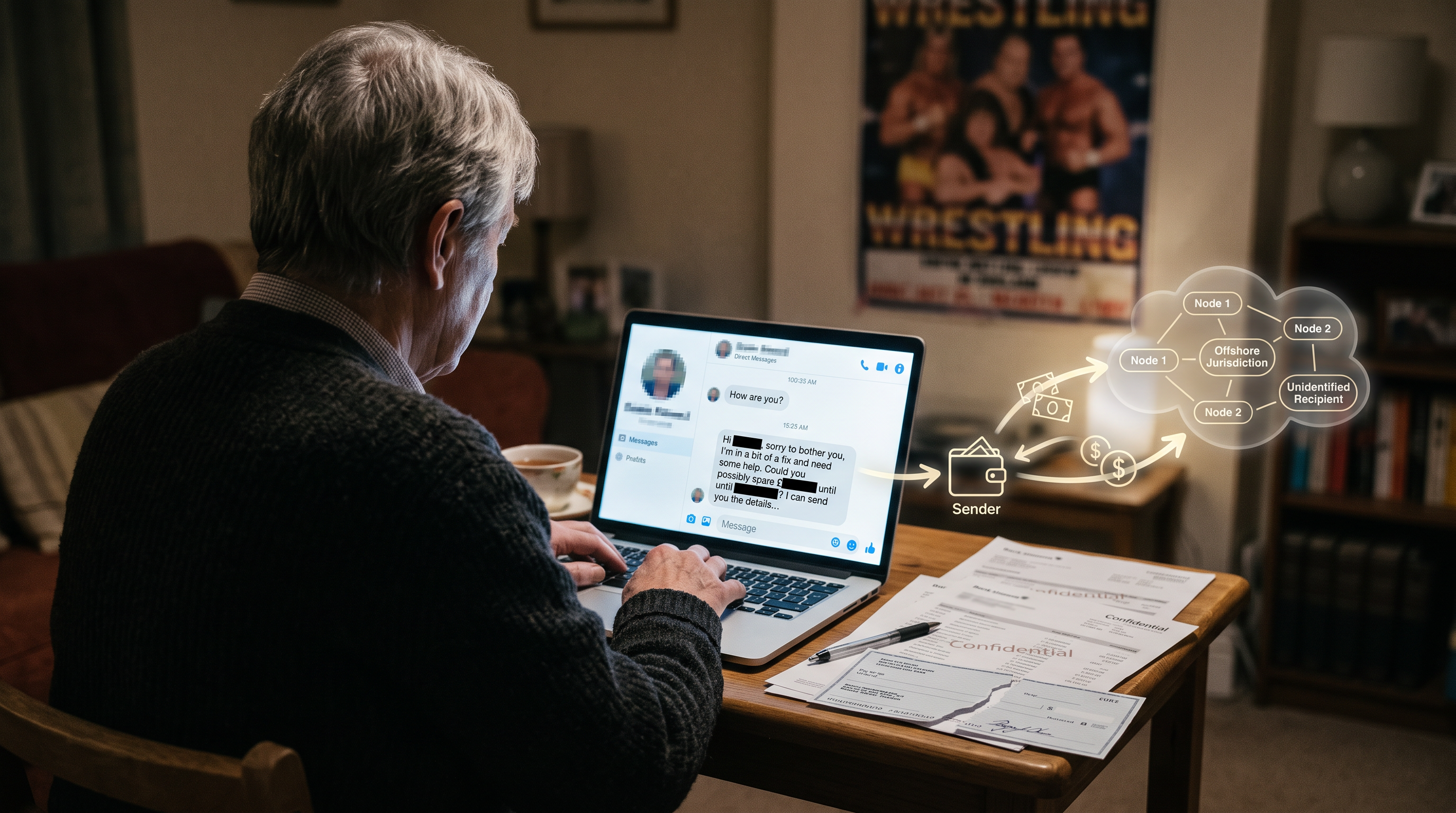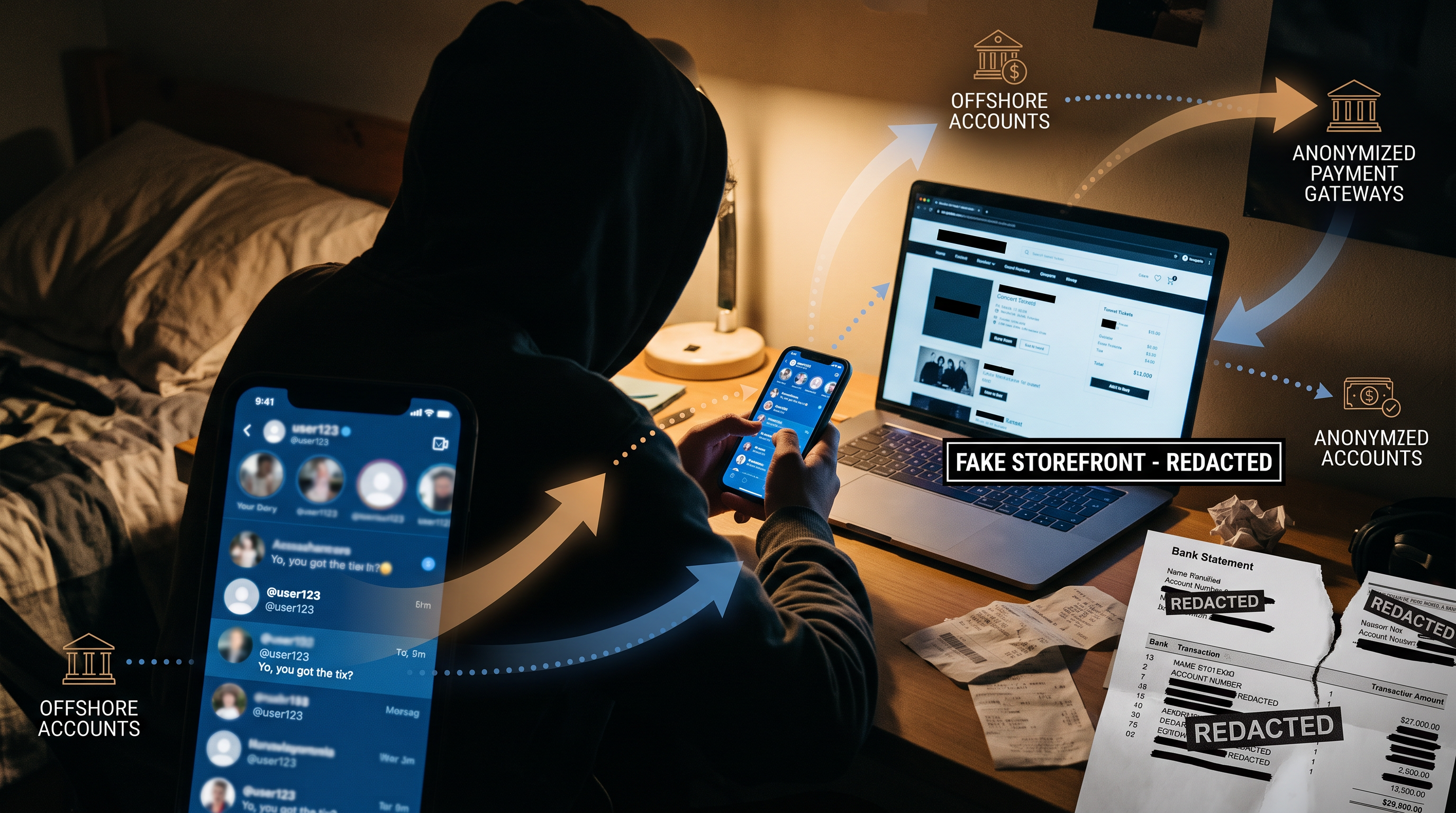
A sophisticated celebrity X account meme coin scam has rattled the crypto community, with investigators linking the operation to a convicted hacker based in the United Kingdom. High-profile verified accounts belonging to actors Sydney Sweeney and Bob Odenkirk were among those reportedly seized and used to push fraudulent token promotions to millions of combined followers. Estimated losses across the victim pool have reached the mid-six figures, and funds were moved swiftly through decentralized exchanges and crypto mixers before law enforcement could act.
How the Celebrity X Account Meme Coin Scam Unfolded
According to Crypto.news, the campaign followed a well-worn playbook used by account takeover crews. The attacker used social engineering and credential compromise techniques to gain control of verified celebrity profiles on X, formerly known as Twitter. Once inside, they posted promotional content featuring malicious token contract links, urging followers to connect their crypto wallets and buy in early on what appeared to be a legitimate celebrity-backed project.
The tokens were structured to create initial hype and price movement. A small liquidity pool was seeded on a decentralized exchange, the celebrity posts drove traffic and purchases, and the token value briefly spiked before collapsing entirely. This pattern, commonly called a rug pull, left buyers holding worthless assets while the operator extracted the pooled funds within hours of launch.
Investigators say the hacker reused recycled follower amplification networks, meaning bot accounts and previously compromised profiles were deployed to retweet and like the fraudulent posts. This artificial engagement made the promotions appear organic and trustworthy to casual viewers scrolling their feeds.
The UK Hacker Behind the Operation
Security researchers have linked the campaign to a convicted hacker in the United Kingdom who has a documented history of account takeover operations. The individual allegedly applied credential stuffing, SIM-swapping, and targeted phishing to bypass multi-factor authentication on high-value social media accounts. Because these techniques are relatively low-cost and scalable, a single operator can compromise dozens of accounts within a short window.
The UK connection is notable because British authorities have prosecuted several high-profile social media hijacking cases in recent years, yet the tools and techniques continue to circulate in underground forums. Investigators tracking this specific cluster believe the hacker selected celebrity targets deliberately, knowing that verified blue-check accounts carry far greater conversion rates than anonymous crypto promoters.
Funds from the token sales were routed through multiple decentralized exchanges before being funneled into crypto mixing services designed to obscure the transaction trail. Blockchain analysts are working to trace the final cashout addresses, but the use of mixers significantly complicates recovery efforts for victims.
Why Verified Accounts Are So Valuable to Scammers
The core mechanic driving this type of fraud is trust. When a user sees a verified account with millions of followers posting about a new crypto token, the instinct is to treat it as a credible endorsement. Scammers understand this psychology deeply and invest effort specifically in obtaining accounts with large, engaged audiences.
As the New York Post has reported, celebrities and influencers are increasingly being targeted not just through account takeover but also through AI-generated deepfakes, adding another layer of deception to crypto promotions. The combination of a hijacked verified account and a convincing AI-generated video endorsement can be nearly impossible for the average user to detect in real time.
Platform response speed is another critical gap. By the time X’s trust and safety teams identify and remove the fraudulent posts, thousands of users may have already clicked the malicious link and connected their wallets. Token contracts on decentralized blockchains are immutable, meaning the scam infrastructure remains accessible even after the social media posts are deleted.
The Scale of Meme Coin Fraud in 2025 and 2026
This incident is not an isolated case. The broader meme coin ecosystem has become a fertile ground for pump-and-dump schemes, rug pulls, and celebrity impersonation scams. Aggregated losses across similar celebrity-account-driven meme coin campaigns have been estimated in the hundreds of millions of dollars globally, with individual cluster losses frequently reaching the mid-six figures as seen here.
Several factors have accelerated this trend:
- The low technical barrier to launching a token on popular blockchains
- The speed at which social media posts can go viral before fact-checking occurs
- The irreversibility of on-chain transactions once a wallet is connected and approved
- Weak or inconsistent enforcement of crypto promotion rules on major platforms
- Growing mainstream interest in meme coins driven by past high-profile gains
Victims often feel embarrassed to report losses, which means the true scale of damage is likely underreported. Preserving transaction records and wallet interaction logs is essential for any law enforcement investigation that follows.
How to Protect Yourself from Crypto Account Scams
Understanding the mechanics of this scam gives you a clear framework for defense. Security researchers and consumer protection agencies consistently point to the same set of practical measures that significantly reduce your risk.
- Never connect your wallet to unsolicited links. Even if the post appears to come from a verified celebrity account, treat any unexpected token promotion as suspicious until independently verified.
- Cross-check announcements on official channels. A genuine celebrity crypto project will have consistent messaging across their official website, verified social profiles, and press coverage. A single tweet is never enough confirmation.
- Use a hardware wallet for significant crypto holdings. Keeping large balances in a hardware wallet prevents web-based dApps from accessing your funds even if you accidentally approve a malicious connection.
- Research token contracts independently. Before buying any token, look up the contract address on a blockchain explorer and check for liquidity lock status, ownership concentration, and audit history.
- Report suspicious accounts and contracts immediately. Use X’s reporting tools and submit details to blockchain analytics platforms so investigators can act quickly.
You can also report suspected crypto fraud directly to the FTC’s fraud reporting portal and file a complaint with the FBI’s Internet Crime Complaint Center (IC3). Early reports help investigators identify patterns and build cases against operators.
Staying informed about emerging scam tactics is one of the most effective forms of protection available. Tools like UseBlacklist help users identify and avoid known fraudulent addresses, contracts, and actors in the crypto space before they become victims.
Platform and Law Enforcement Response
X has not issued a detailed public statement on the specific accounts affected in this campaign. However, security researchers note that the platform’s response time between initial compromise and post removal remains a critical vulnerability. Faster automated detection of sudden promotional crypto content from accounts with no prior history of such posts could limit damage significantly.
UK law enforcement has a track record of pursuing social media account hijackers, and the alleged link to a previously convicted hacker suggests investigators may already have a usable evidentiary foundation. Whether cross-border coordination with blockchain analytics firms will produce asset recovery for victims remains to be seen.
Conclusion: Stay Skeptical, Stay Safe
The celebrity X account meme coin scam tied to a UK hacker is a clear reminder that trust signals on social media can be weaponized against you. Verified badges, familiar faces, and viral engagement can all be manufactured or stolen. Your best defense is a healthy skepticism toward any unsolicited crypto promotion, no matter how legitimate it appears. Verify independently, protect your wallet, and report anything suspicious to the appropriate authorities without delay.
Frequently Asked Questions
How did hackers take over celebrity X accounts in this meme coin scam?
According to security researchers, the attacker used social engineering, credential stuffing, and SIM-swapping techniques to bypass multi-factor authentication and gain control of verified celebrity accounts on X.
How much money was lost in the celebrity meme coin scam?
Investigators estimate aggregated losses for this specific campaign cluster reached the mid-six figures, with funds quickly moved through decentralized exchanges and crypto mixing services to frustrate tracing and recovery.
What is a meme coin rug pull and how does it work?
A rug pull occurs when a token creator seeds initial liquidity, drives up demand through social media promotion, then withdraws all funds from the liquidity pool and abandons the project, leaving buyers with worthless tokens.
How can I tell if a celebrity crypto promotion is real or a scam?
Always cross-check any crypto promotion across multiple official channels including the celebrity’s website, other verified social profiles, and credible press coverage. A single tweet, even from a verified account, is not sufficient proof of legitimacy.
Where should I report a crypto scam involving a hacked social media account?
Report the compromised account directly to X’s trust and safety team, file a complaint with the FTC at reportfraud.ftc.gov, and submit a report to the FBI’s Internet Crime Complaint Center at ic3.gov. You should also preserve all wallet transaction records as evidence.