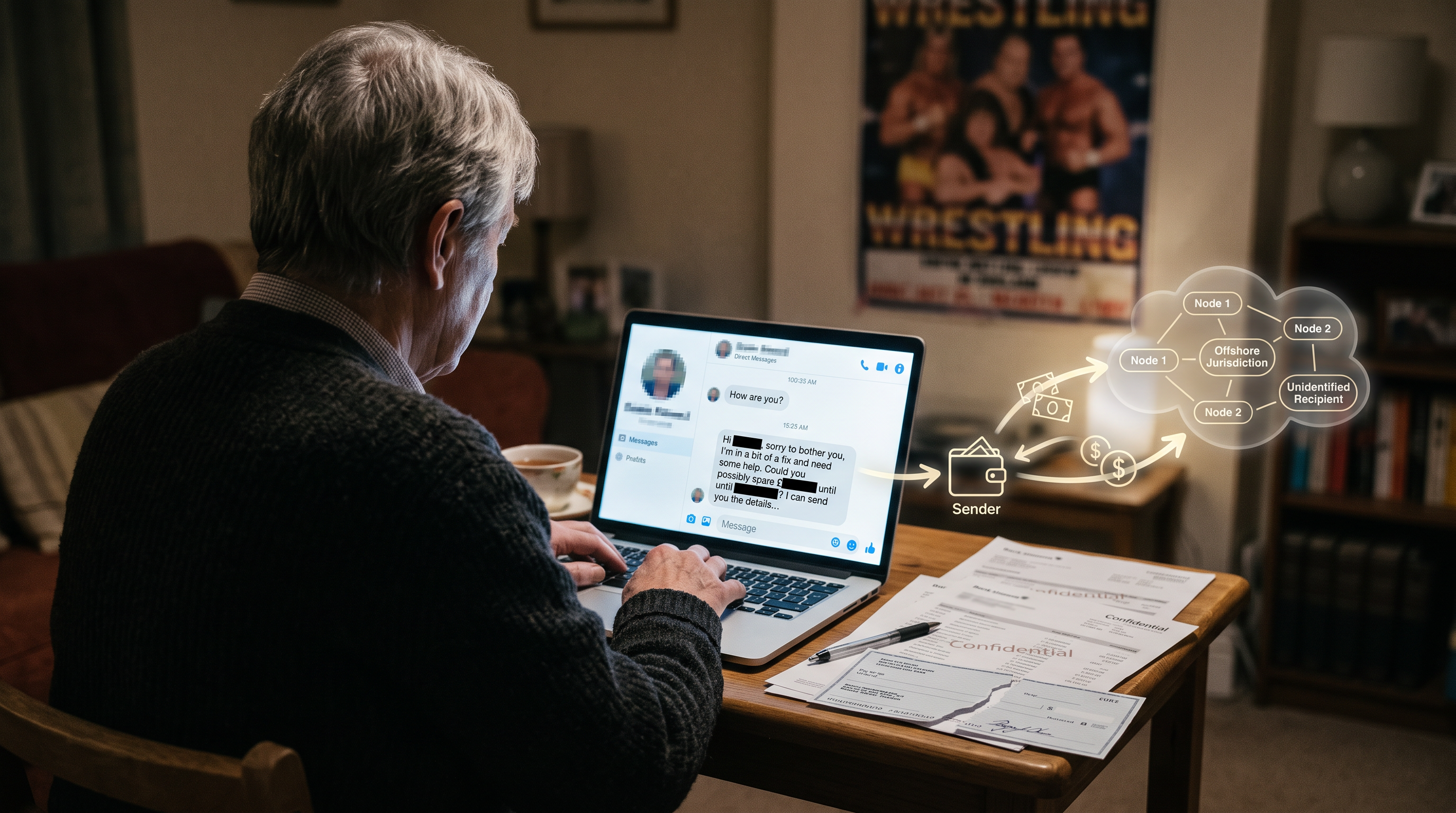
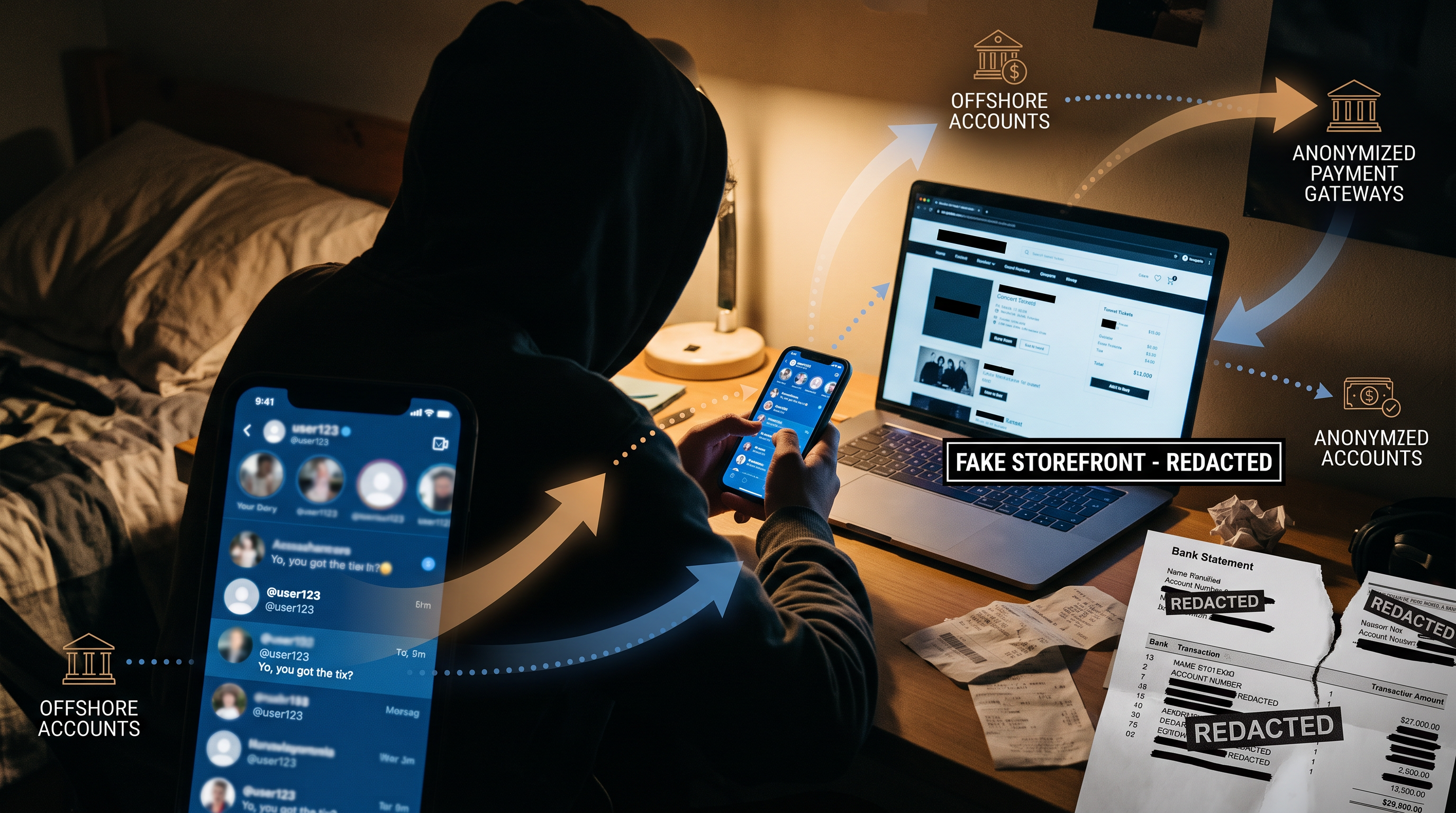
Imagine getting a DM from your favorite celebrity personally inviting you to an exclusive meet-and-greet. It looks real, the profile has a blue checkmark, and there’s even a short video message. But here’s the truth: it’s a scam, and thousands of people are falling for it every single day. Celebrity imposter scams powered by artificial intelligence are exploding in 2026, and if you’re not paying attention, you could be next.
What Are Celebrity Imposter Scams and Why Are They Exploding Right Now?
Celebrity imposter scams are not new, but AI has completely changed the game. Fraudsters used to rely on blurry screenshots and poorly written messages to trick fans. Today, they use sophisticated deepfake audio and video that can clone a celebrity’s voice and face in minutes at almost zero cost.
According to a recent TurnTo10 consumer investigation, attackers are building verified-looking profiles, stitching together convincing deepfake clips, and then amplifying those fake posts using paid social media ads. The result is a professionally packaged scam that reaches millions of fans before platforms can take it down.
The timing makes sense. AI tools are cheaper and faster than ever. What once took a team of technical experts now takes one bad actor and a laptop. The barrier to entry has collapsed, and scammers are taking full advantage of it.
How the Celebrity Deepfake Scam Actually Works Step by Step
Understanding the mechanics of these scams is one of the best defenses you have. Here is exactly how fraudsters pull it off.
Step 1: Clone the Profile and Create the Deepfake
Scammers start by scraping publicly available photos, videos, and audio clips of a target celebrity. Using widely available AI tools, they generate deepfake video or audio that sounds and looks authentic. They then build a cloned social media profile with a nearly identical handle, stolen photos, and fake engagement numbers to make it appear legitimate.
Step 2: Use Paid Ads and Ad Cloaking to Amplify the Reach
This is where it gets serious. These fraudsters are not just posting and hoping someone stumbles across the fake account. They are running paid social media advertisements to put the scam in front of targeted audiences, including known fans of the celebrity. They also use a technique called ad cloaking, which disguises the true destination of an ad link to bypass platform review systems.
Step 3: Funnel Victims Off-Platform
Once a fan clicks or responds, they are moved quickly into private DMs, WhatsApp groups, or phishing landing pages. Off-platform communication makes it nearly impossible for the social network to monitor or intervene. The scammer then builds rapport, often over days or weeks, before making a financial ask.
Step 4: Request Untraceable Payment
The final move is always the same. Victims are asked to pay with gift cards, cryptocurrency, or urgent wire transfers. These payment methods are virtually untraceable and non-refundable, which is exactly why scammers prefer them.
The Most Common Celebrity Imposter Scam Lures in 2026
Scammers are creative, and they know what fans want. The FTC’s impersonator scam resource page confirms that impersonation fraud is one of the most reported scam types in the country, and the celebrity angle is one of its fastest growing variations.
Here are the lures you are most likely to encounter right now:
- Fake ticket sales and meet-and-greets: Fans pay hundreds for concert tickets or VIP experiences that never existed.
- Bogus giveaways: You have been selected to win merchandise, but first you need to cover a small shipping fee or taxes.
- Charity donation requests: The celebrity is supposedly raising money for a cause and wants your direct contribution.
- Romance and friendship approaches: Long-term grooming where the scammer builds an emotional connection before asking for money.
- Manufactured endorsements: Fake investment platforms or products promoted as something the celebrity personally uses and profits from.
Each of these lures is designed to bypass your critical thinking by exploiting your trust in and admiration for the celebrity being impersonated.
Why Platforms Are Struggling to Stop Celebrity Imposter Scams
Social media platforms do remove fake accounts, but researchers and consumer advocates say the problem is deeply systemic. AI makes account creation and deepfake production so fast and cheap that scammers simply relaunch new variations within hours of a takedown. Euronews reported in early 2026 that deepfake scams are reaching record levels, with social media platforms as the primary attack surface.
Ad cloaking is another major challenge. When a scammer disguises the destination of a paid ad, automated platform review systems often approve it before any human ever looks at it. By the time a flag is raised, the ad has already reached thousands of people.
How to Protect Yourself From AI-Powered Celebrity Scams
The good news is that there are clear, practical steps you can take right now to protect yourself and the people you care about.
Verify Before You Trust Anything
Always check a celebrity’s official verified account directly. Do not click links in DMs or ads. Navigate to their profile yourself and look for any official announcements about the offer you received. If you cannot find it there, it does not exist.
Demand a Live Dated Video Verification
If someone claiming to be a celebrity asks you to pay for something, ask them to send a live video showing today’s date. No deepfake tool available today can generate real-time interactive video on demand. This one step alone will expose most scammers immediately.
Never Pay With Gift Cards or Crypto
This is the single biggest red flag in any scam. Legitimate businesses and celebrities will never ask you to pay with gift cards, wire transfers, or cryptocurrency. The moment you hear those words, stop all contact.
Preserve Evidence and Report Everything
If you suspect a scam, take screenshots of the profile, messages, and any ads you saw. Report the account to the platform immediately. If you already sent money, contact your bank or crypto exchange as fast as possible and then file a report with the FTC at ReportFraud.ftc.gov.
What to Do If You Have Already Been Scammed
First, do not be ashamed. These scams are engineered to deceive intelligent, careful people. Here is your action checklist:
- Contact your bank or financial institution immediately and explain what happened.
- If you paid with cryptocurrency, contact the exchange and request a hold or reversal if possible.
- Report the scam account to the social media platform.
- File a complaint with the FTC at ReportFraud.ftc.gov and your state attorney general.
- Alert friends and family who follow the same celebrity so they are not targeted next.
Conclusion: Stay Sharp Because These Scams Are Only Getting Better
Celebrity imposter scams fueled by AI deepfakes are not going away. If anything, the technology will keep improving and the scams will become even harder to detect. The best defense is awareness, skepticism, and a commitment to verifying everything before you hand over a single dollar. Share this article with someone you know who follows celebrities online. One conversation could save them from a devastating loss.
If you want to stay ahead of the latest scams targeting consumers in 2026, bookmark the AARP’s 2026 Scam Watch guide and check it regularly. Knowledge is your most powerful tool.
Frequently Asked Questions About Celebrity Imposter Scams
How can I tell if a celebrity social media profile is fake?
Look for subtle differences in the username such as extra characters or numbers. Check how long the account has existed, look at the follower-to-engagement ratio, and most importantly, cross-reference the profile with the celebrity’s known official accounts. A real celebrity will not be sliding into fan DMs asking for payments.
Can AI deepfakes really fool people into thinking a celebrity is speaking to them?
Yes. Modern AI voice and video cloning tools can produce content that is nearly indistinguishable from real footage, especially in short clips. The key tell is that deepfakes still struggle with real-time, interactive, live video requests, which is why demanding a live dated video response is such an effective defense.
What payment methods do celebrity imposter scammers prefer and why?
Scammers prefer gift cards, cryptocurrency, and wire transfers because these methods are fast, largely anonymous, and extremely difficult to reverse once sent. Unlike credit card payments, there is no consumer protection mechanism to pull funds back after the transaction is complete.
Are social media platforms doing anything to stop these scams?
Platforms do remove accounts and pull fraudulent ads, but scammers use ad cloaking and rapid account recreation to stay ahead of enforcement. Researchers say the scalable and automated nature of AI-powered scams makes platform-level takedowns insufficient on their own, placing the burden of vigilance on individual users.
Where should I report a celebrity imposter scam?
Report the account directly on the social media platform where you encountered it. Then file a formal complaint with the FTC at ReportFraud.ftc.gov. If money was lost, also contact your state attorney general’s office and your financial institution as quickly as possible to maximize your chances of recovery.