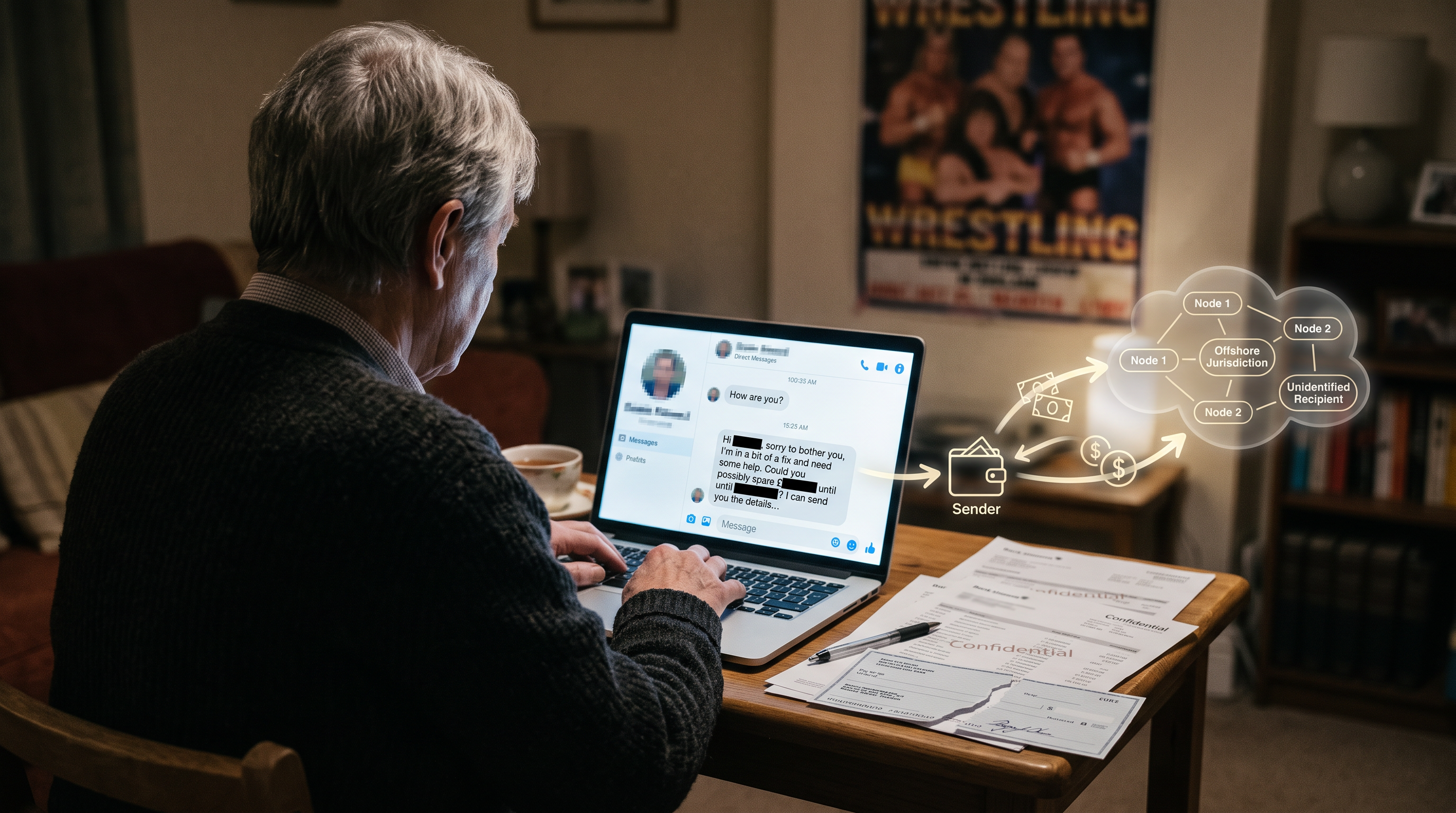
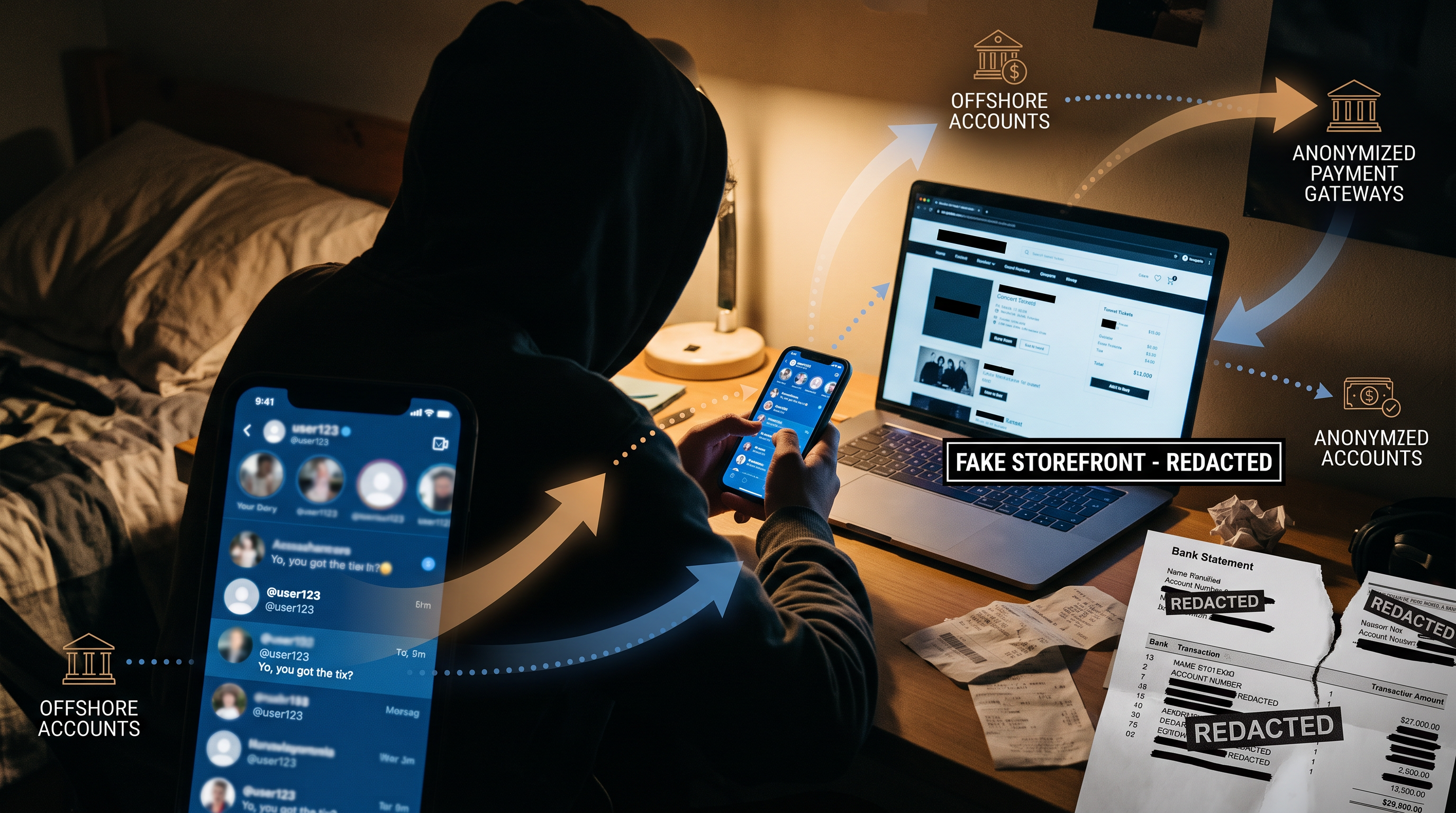
Imagine seeing your favorite celebrity pop up in a paid social ad, inviting you personally to a private giveaway or exclusive meet-and-greet. You click. You follow the link. You send the payment. And then, nothing. That scenario is playing out thousands of times a day right now, and regulators say it is only getting worse.
The Federal Trade Commission issued a fresh alert in May 2026 warning consumers about a dramatic spike in celebrity impersonation scams powered by generative AI, cloned social profiles, and paid advertising. These are not clumsy copy-paste fakes from a decade ago. These are polished, convincing, and ruthlessly efficient fraud operations built to scale.
Why Celebrity Imposter Scams Are Surging Right Now
The timing is no accident. Generative AI tools have made it cheaper and faster than ever to clone a celebrity’s voice, replicate their likeness in a video, and spin up a profile that looks nearly identical to a verified account. What once required a production team and serious technical skill can now be done by a single bad actor with a laptop and a subscription.
According to the FTC’s May 2026 consumer alert, imposter scam losses continue to rank among the highest of any fraud category reported to the agency. The combination of AI-generated content and paid social advertising gives fraudsters something they have never had before: instant, massive reach at a very low cost.
Platforms are struggling to keep up. Even when a fake account gets taken down, a new one can be live within hours. The economics favor the scammer at every step.
The Role of Paid Ads in Amplifying Fake Celebrity Profiles
One of the most alarming trends flagged in recent reporting is the use of legitimate advertising tools to push scam content. Fraudsters buy ads on major social platforms featuring deepfake video clips of celebrities announcing fake crypto investment opportunities, giveaways, or charity drives. Because these appear as promoted content, many users assume they have been vetted.
They have not. The ad approval process is largely automated, and synthetic video can slip through content moderation at scale. By the time a campaign is flagged and removed, it may have already reached hundreds of thousands of people.
How the Scam Actually Works: Step by Step
Understanding the mechanics of these scams is your first line of defense. Here is the typical flow that security researchers and regulators have mapped out:
- Clone and launch: Fraudsters create a near-identical copy of a celebrity’s social media handle, complete with stolen photos, similar usernames, and fabricated verification badges.
- Amplify with ads or comment hijacking: They either pay to promote deepfake content or flood the real celebrity’s comment sections with links to the fake profile.
- Move the victim off platform: Once someone engages, they are pushed to a private DM, a Telegram channel, or a phishing landing page that looks official.
- Create urgency and request payment: Victims are told they have won a prize, qualified for an investment opportunity, or are being personally selected for something exclusive. Payment is then requested via gift cards, wire transfer, or cryptocurrency.
- Invent fees to extract more money: If a victim pays once, scammers often follow up with fabricated “withdrawal fees,” “tax clearances,” or “verification charges” to keep the money flowing.
Reuters reported in May 2026 that digital forensics experts are increasingly being called in to trace crypto wallet flows in these cases, though the rapid movement of funds across wallets makes full recovery rare.
Who Is Being Targeted and Why It Works So Well
Anyone can fall for these scams, and that is not an exaggeration. Researchers note that victims span all age groups and income levels. Superfans are especially vulnerable because their emotional connection to a celebrity makes an unexpected message feel exciting rather than suspicious.
Romance-based celebrity impersonation scams are particularly cruel. Fraudsters build weeks-long relationships with victims, using synthetic audio messages that sound exactly like the real celebrity, before eventually introducing a financial ask. By that point, the victim is emotionally invested and far less likely to question the request.
Why AI Makes These Scams So Much Harder to Spot
Traditional advice used to be: look for bad grammar, blurry photos, or awkward phrasing. That advice is increasingly outdated. Today’s AI-generated profiles produce fluent, personalized text. Deepfake video clips can mimic lip movements, facial expressions, and vocal patterns with startling accuracy. Even side-by-side comparisons with real footage can be difficult to parse without specialized tools.
The AARP’s fraud resource center notes that synthetic audio is one of the fastest-growing tools in impersonation fraud, and that the emotional manipulation element makes these schemes particularly effective regardless of the victim’s technical literacy.
How to Protect Yourself From Celebrity Impersonation Fraud
The good news is that a few consistent habits can dramatically reduce your risk. Here is what the FTC and security experts recommend right now:
- Never send gift cards, wire transfers, or crypto to anyone claiming to be a celebrity or their representative. Legitimate public figures do not ask fans for money.
- Verify through official channels only. If an account claims to be a celebrity, check their verified handle on their official website. Do not trust a profile just because it looks legitimate.
- Ask for a live, dated video response. If someone claims to be a real person and refuses or deflects, treat that as a major red flag.
- Do not click unsolicited links, even if they appear in a paid ad or come from a comment on a real celebrity’s post.
- Preserve all evidence. Screenshot messages, save URLs, and note dates and times. This metadata is critical when reporting.
- Report immediately to the platform where you encountered the scam and to ReportFraud.ftc.gov. If you sent money, contact your bank or crypto exchange right away.
What Platforms and Regulators Are Doing About It
Social media platforms are investing more in AI-based detection tools, but the challenge is that the same technology powering the scams is being used to evade detection. Account takedowns happen, but relaunch times are shrinking. Some platforms have introduced stricter ad review processes for content featuring public figures, though enforcement remains inconsistent.
Regulators are pushing for stronger platform accountability and faster reporting pipelines between companies and law enforcement. The FTC has also called for clearer disclosure requirements when AI-generated content is used in any commercial context, including advertising.
Progress is happening, but the fraud is moving faster than the regulation. For now, the most effective protection is an informed consumer.
Final Thoughts: Stay Sharp, Stay Skeptical
Celebrity imposter scams are not going away. If anything, as AI tools become more accessible, the volume and convincingness of these schemes will continue to grow. The best thing you can do is treat any unsolicited contact involving a celebrity or public figure with healthy skepticism, especially when money is involved.
Share this article with friends and family, particularly anyone you know who is an active fan of public figures online. Awareness is the most scalable defense we have right now. If you or someone you know has been targeted, report it to ReportFraud.ftc.gov today and contact your financial institution immediately.
Frequently Asked Questions About Celebrity Imposter Scams
How can I tell if a celebrity’s social media account is fake?
Check the account’s handle against the official website of the celebrity or their management team. Look for subtle differences in usernames, such as extra underscores or numbers. Be especially cautious if the account reaches out to you directly, as real celebrities do not typically send unsolicited personal messages to fans.
What should I do if I already sent money to a celebrity imposter scam?
Contact your bank or credit card company immediately if you paid by wire transfer or card. If you used cryptocurrency, contact the exchange right away, though recovery is not guaranteed. Report the incident to the platform where it happened and file a complaint at ReportFraud.ftc.gov. Document everything you have, including screenshots and transaction records.
Are deepfake celebrity videos easy to detect?
Not always. Modern deepfake tools can produce highly convincing audio and video. Look for unnatural blinking, subtle facial distortions, or audio that sounds slightly robotic. However, the most reliable test is to verify through official channels rather than trying to assess the video quality alone.
Why do scammers ask for gift cards instead of bank transfers?
Gift cards are nearly impossible to trace and cannot be reversed once redeemed, making them a favorite tool for fraudsters. If anyone, celebrity or otherwise, asks you to pay using gift card codes, treat it as an immediate scam warning sign. No legitimate business or individual uses gift cards as a payment method in this context.
Can I get my money back after falling for a celebrity impersonation scam?
Recovery depends on how you paid. Credit card and bank wire payments may have some recovery options through your financial institution, especially if reported quickly. Cryptocurrency and gift card payments are much harder to recover. Acting fast and reporting through official channels gives you the best possible chance of limiting your losses.