Imagine receiving a direct message from what appears to be a Hollywood A-lister, telling you they love you and need your help. That is exactly what happened to Jennifer Barton, a 44-year-old woman from Kidderminster, UK, who lost everything, including her house, her car, and roughly $340,000, to one of the most devastating celebrity imposter love scams ever reported. Her story is a wake-up call that no one can afford to ignore.
How the Celebrity Imposter Love Scam Worked
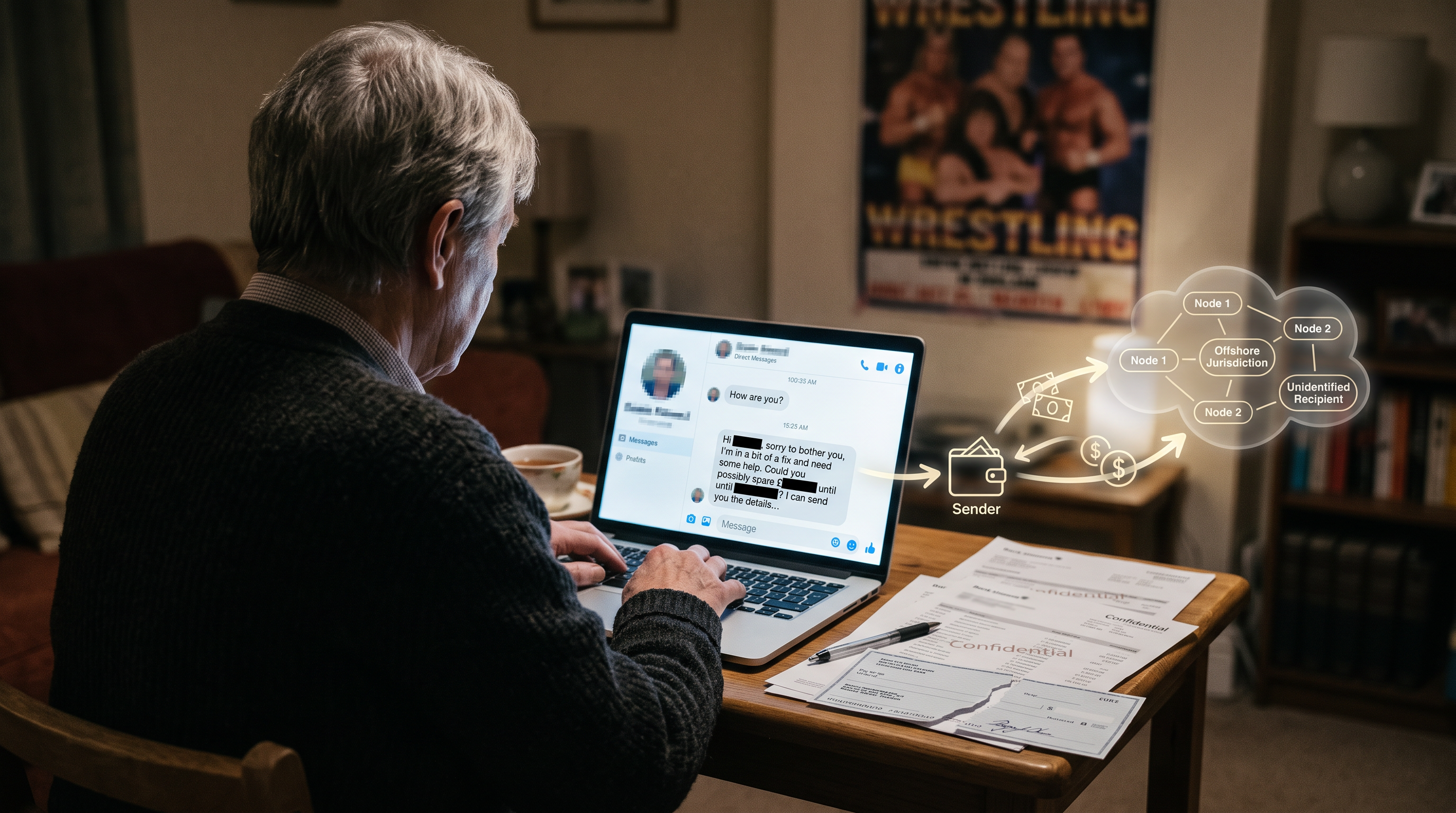
The scam targeting Jennifer Barton was not a simple phishing email. It was a carefully engineered, emotionally manipulative operation that unfolded over weeks across multiple platforms. Fraudsters posing as celebrities like Chris Hemsworth, Charlie Hunnam, and country singer Michael Ray first reached out to her on Facebook and Instagram. These were convincing fake profiles, complete with photos and backstories designed to look authentic.
Once Barton engaged, the conversations quickly moved to Telegram, a private messaging app with less platform oversight. This is a classic social engineering tactic used to remove victims from platforms that might flag suspicious activity and isolate them in a more controlled, harder-to-monitor environment.
The Emotional Manipulation Playbook
After establishing trust on Telegram, the fraudsters unleashed a series of fabricated emergencies. There were stories of robberies, legal troubles, and travel complications, each designed to tug at the heartstrings and create a sense of urgency. The emotional connection was built deliberately and methodically over time before any money was requested.
This escalation pattern is textbook romance fraud. Scammers invest time to manufacture genuine-feeling affection, which makes the financial requests feel less like exploitation and more like helping someone you care about. By the time Barton was asked for money, she believed she was in a real relationship with a celebrity who desperately needed her.
From Small Loans to Total Financial Ruin
The requests started small and grew. Scammers used fake legal documents, heartfelt declarations of love, and manufactured crises to push Barton into liquidating her assets. She eventually sold her home and her car, transferring the proceeds directly to the fraudsters. The total damage came to approximately £111,000, or around $340,000. Neither Chris Hemsworth, Charlie Hunnam, nor Michael Ray had any involvement, and teams representing these celebrities have publicly denied any connection to the messages Barton received.
Why Celebrity Romance Scams Are a Growing Crisis
Jennifer Barton’s case is horrifying, but it is far from unique. According to AARP’s consumer fraud research, celebrity impersonation scams are surging across social platforms, costing victims millions of dollars every year. The combination of social media accessibility, AI-generated content, and the parasocial relationships fans have with celebrities creates the perfect storm for exploitation.
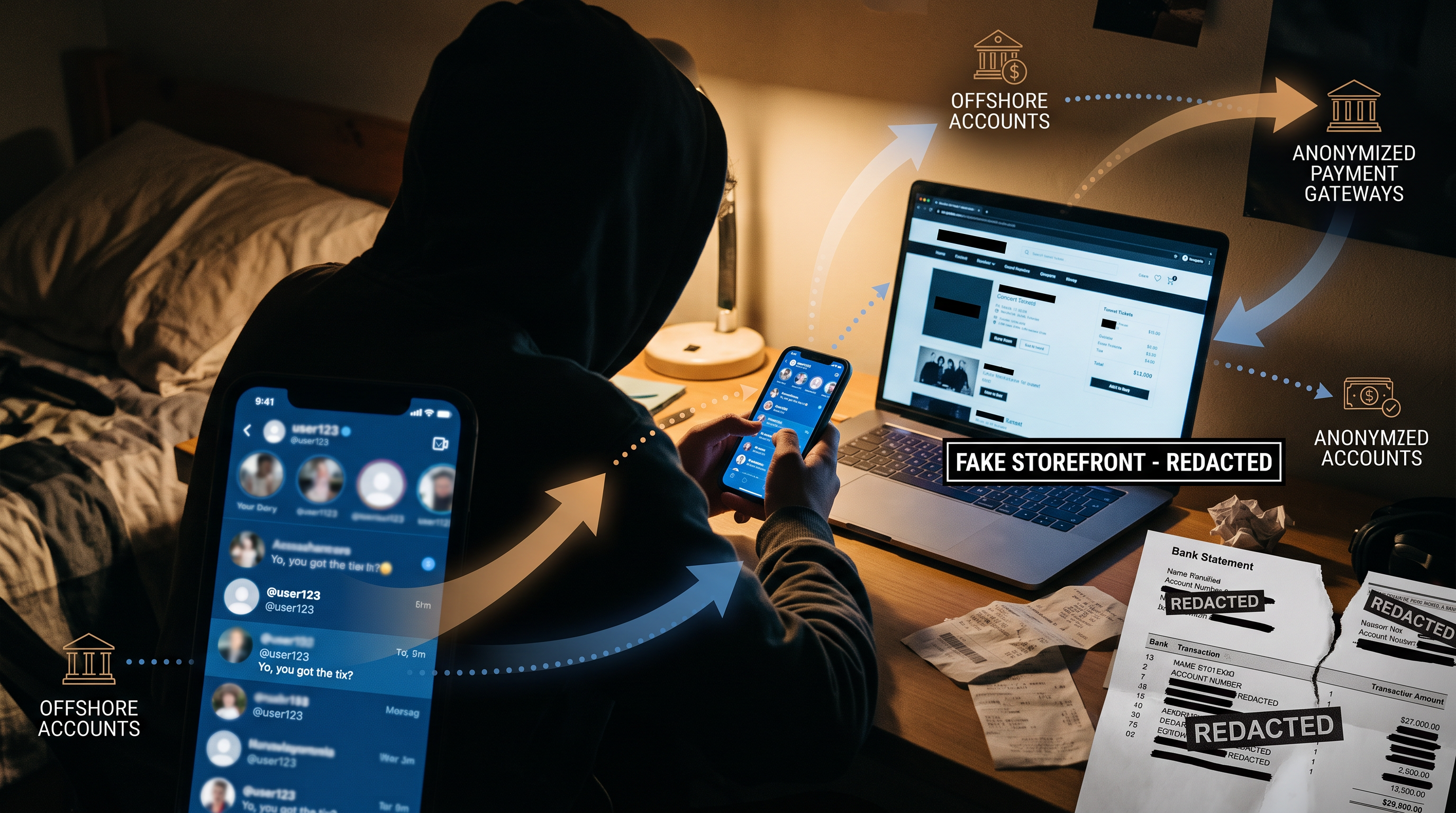
Social platforms like Facebook and Instagram make it trivially easy to create convincing fake accounts. A scammer can scrape publicly available photos, copy a celebrity’s posting style, and launch a fraudulent profile within minutes. When combined with the intimacy of private messaging apps like Telegram or WhatsApp, victims can be drawn into what feels like a deeply personal connection before they ever suspect anything is wrong.
The Role of Social Platforms and Messaging Apps
One of the most troubling aspects of cases like Barton’s is how scammers exploit the gap between public social platforms and private messaging apps. The initial contact happens where the victim feels relatively safe, on a recognizable platform. The real manipulation happens in the dark, on Telegram, where there is little moderation and conversations are harder to trace.
As NatWest Group’s fraud awareness reporting highlights, moving conversations off-platform is one of the most reliable red flags of an impersonation scam. Legitimate public figures do not slide into your DMs and then immediately ask you to continue the conversation on a third-party app.
The Financial and Emotional Toll on Victims
The financial losses are catastrophic, but the emotional damage can be just as devastating. Victims of romance scams often report feelings of shame, betrayal, and deep depression after discovering the truth. Many hesitate to come forward precisely because they fear judgment from friends and family. This silence only enables scammers to continue operating and find new victims.
Jennifer Barton’s decision to speak publicly about what happened to her is genuinely courageous. By sharing her story, she is helping to break down the stigma and give others the information they need to protect themselves.
How to Protect Yourself From Celebrity Imposter Love Scams
The good news is that once you know what to look for, celebrity imposter scams follow predictable patterns that you can recognize and avoid. Here is what every social media user needs to know.
Red Flags You Should Never Ignore
- A verified-looking celebrity account reaches out to you privately without any prior interaction.
- Conversations are quickly moved from a social platform to Telegram, WhatsApp, or another private app.
- The person shares an emotional backstory involving financial hardship, legal trouble, or being stranded abroad.
- Requests for money begin, starting small and escalating over time.
- Payment is requested via wire transfer, cryptocurrency, or gift cards, methods that are nearly impossible to recover.
- They profess strong romantic feelings very quickly and resist any attempts to verify their identity via video call or official channels.
Steps to Take If You Suspect a Scam
- Stop all communication immediately and do not send any more money.
- Preserve every screenshot, transaction ID, and piece of communication.
- Contact your bank right away to report unauthorized or coerced transfers.
- Report the fake profiles to the social platform and to Telegram if applicable.
- File a report with your local police and national consumer protection agencies such as Action Fraud in the UK or the FTC in the US.
- Talk to a trusted family member or friend before making any major financial decisions based on online relationships.
What Needs to Change to Stop Celebrity Romance Fraud
Jennifer Barton’s case is fueling urgent calls for systemic change. Advocates are pushing for stronger platform accountability, requiring social media companies to do more to detect and remove impersonation accounts before they can cause harm. There are also growing calls for AI watermarking standards that would make it easier to identify digitally manipulated images used in fake celebrity profiles.
Law enforcement faces significant challenges once funds are transferred via wire or cryptocurrency, as tracing and recovering those assets is incredibly difficult. This makes prevention and public awareness the most powerful tools available right now. The more people understand how these scams work, the harder it becomes for fraudsters to find victims.
Frequently Asked Questions About Celebrity Imposter Love Scams
How do celebrity imposter love scams typically start?
They almost always begin with an unsolicited private message on a social platform like Facebook or Instagram. The scammer uses a convincing fake profile that mimics a real celebrity, complete with stolen photos and a believable bio. After a brief exchange, they push to move the conversation to a private app like Telegram to avoid platform monitoring.
Can I get my money back if I was scammed?
Recovery is very difficult, especially if funds were sent via wire transfer, cryptocurrency, or gift cards. You should contact your bank immediately, as some transfers can be recalled if reported quickly enough. Filing reports with Action Fraud, the FTC, or your local police is also essential, though full financial recovery is unfortunately rare.
Do real celebrities ever contact fans directly through social media?
Genuine celebrities do not typically reach out to fans through unsolicited private messages, especially to ask for money or move conversations to third-party apps. Any account claiming to be a celebrity and asking for financial help should be treated as a scam. Always verify through the celebrity’s official verified accounts and public websites.
Why do scammers ask for gift cards or cryptocurrency instead of bank transfers?
Gift cards and cryptocurrency transactions are extremely difficult to trace and nearly impossible to reverse. Scammers specifically request these payment methods because they know it drastically reduces the chances of victims recovering their money or law enforcement identifying the perpetrators.
What should I do if a family member is falling for a celebrity romance scam?
Approach the conversation with empathy rather than judgment, as victims are often deeply emotionally invested in the relationship. Share the warning signs calmly, encourage them to pause all financial transfers immediately, and help them report the accounts and contact their bank. Professional counseling can also be valuable, as the emotional impact of these scams is significant.
Jennifer Barton lost nearly everything to a scam that preyed on trust, loneliness, and the very human desire for connection. Her story is a powerful reminder that these fraudsters are sophisticated, patient, and ruthless. The best defense is awareness. Share this article with someone you care about, because the next target could be anyone in your circle.