Imagine getting a direct message from your favorite celebrity offering exclusive concert tickets or a once-in-a-lifetime meet-and-greet. Your heart races, you click the link, and within minutes your money is gone. Celebrity impersonation scams are exploding in 2026, and the technology behind them has never been more convincing or more dangerous.
Why Celebrity Impersonation Scams Are Surging in 2026
The numbers tell a frightening story. Fraudsters are leveraging artificial intelligence to clone social media profiles, generate realistic deepfake audio and video, and then amplify their fake posts using paid social media ads. What once required a sophisticated operation can now be done by almost anyone with a laptop and a few hundred dollars.
According to a recent investigative report from Turn to 10, AI tools have drastically lowered the cost of producing believable fake content, making these scams highly scalable and extremely profitable for criminals. The result is a wave of fraud that is causing massive financial losses and serious reputational harm for both public figures and their fans.
How AI-Powered Celebrity Impersonator Scams Actually Work
Understanding the mechanics of these scams is your first line of defense. Fraudsters follow a clear, calculated playbook designed to move fast and disappear before anyone can stop them.
Step 1: Cloning the Celebrity Profile
Scammers start by creating social media accounts that look nearly identical to a real celebrity’s verified profile. They copy profile photos, bios, post history, and even mimic writing styles. Some go further and use AI to generate synthetic voice clips or short video deepfakes that sound and look shockingly authentic.
Step 2: Paid Ad Amplification and Ad Cloaking
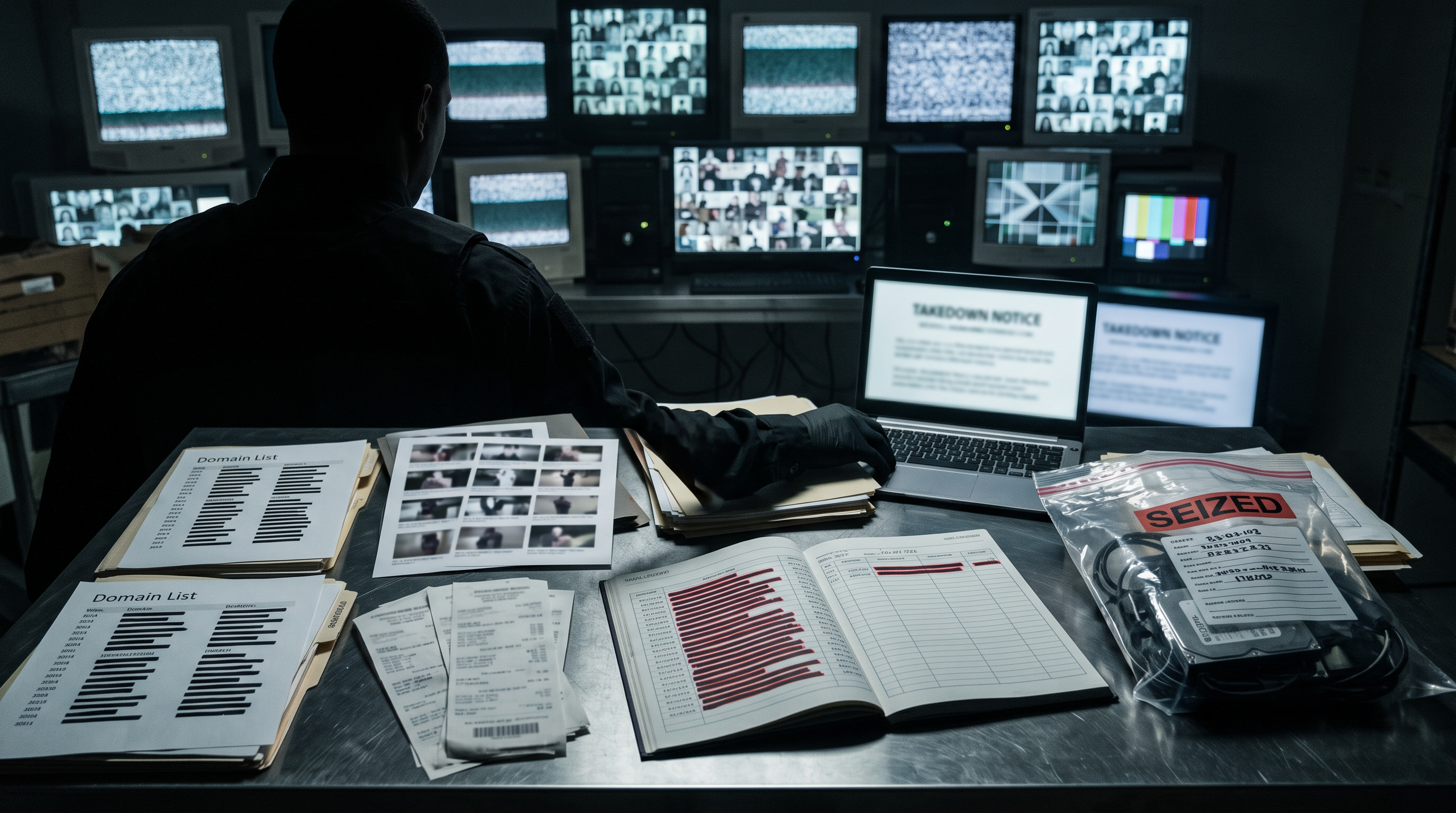
Once the fake account is live, fraudsters use paid social media advertising to push it in front of thousands of targeted fans. A technique called ad cloaking allows them to show platform reviewers a harmless ad while real users see the fraudulent version. This defeats automated takedown systems and buys precious time to collect victims.
Step 3: Moving Victims Off-Platform
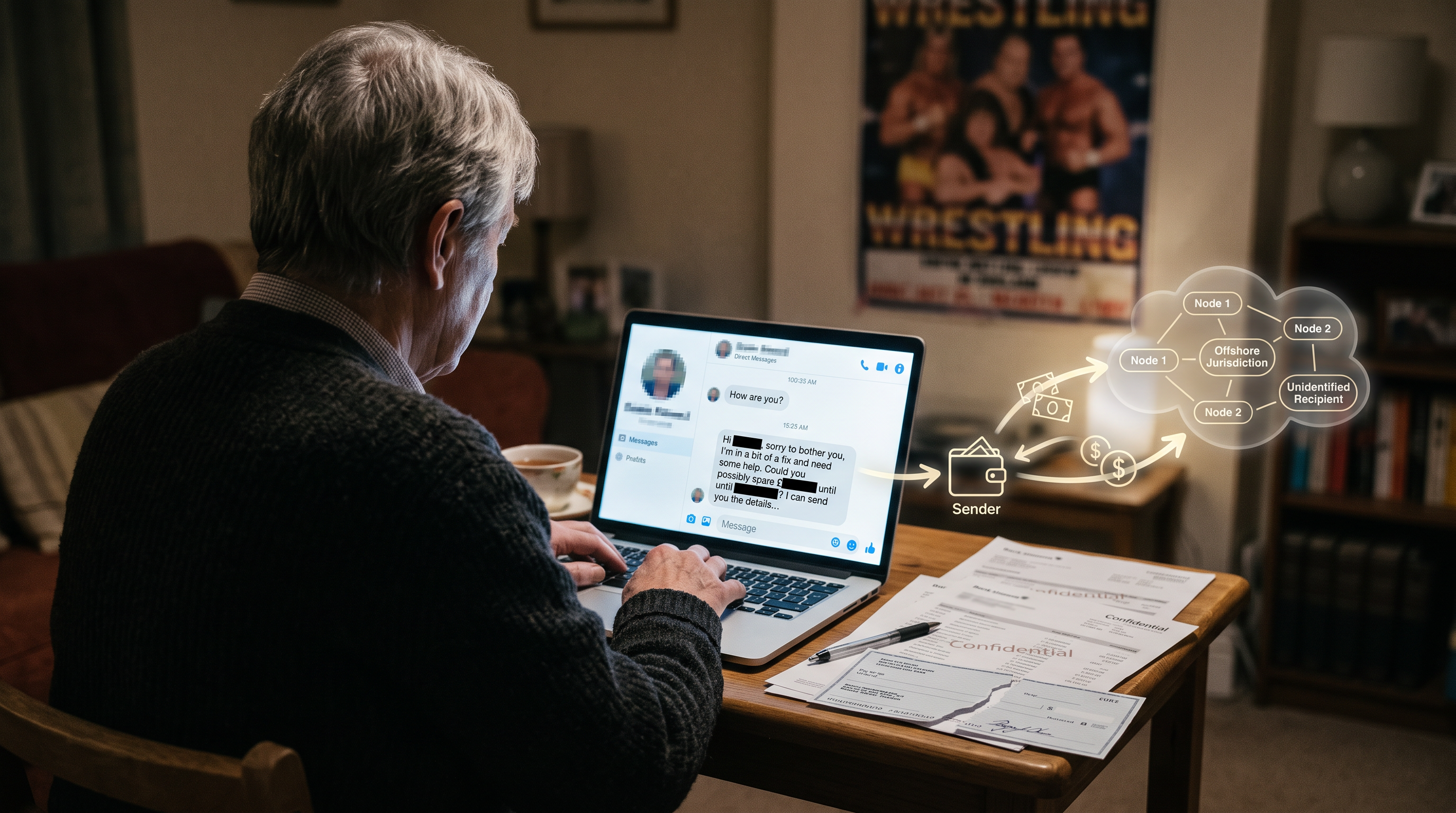
After making initial contact, scammers quickly funnel victims into private DMs, WhatsApp chats, or phishing landing pages. Once off the platform, there is almost no oversight and no safety net. Victims are pressured with urgent deadlines and emotional appeals to send money before they have time to think clearly.
Step 4: Untraceable Payment Collection
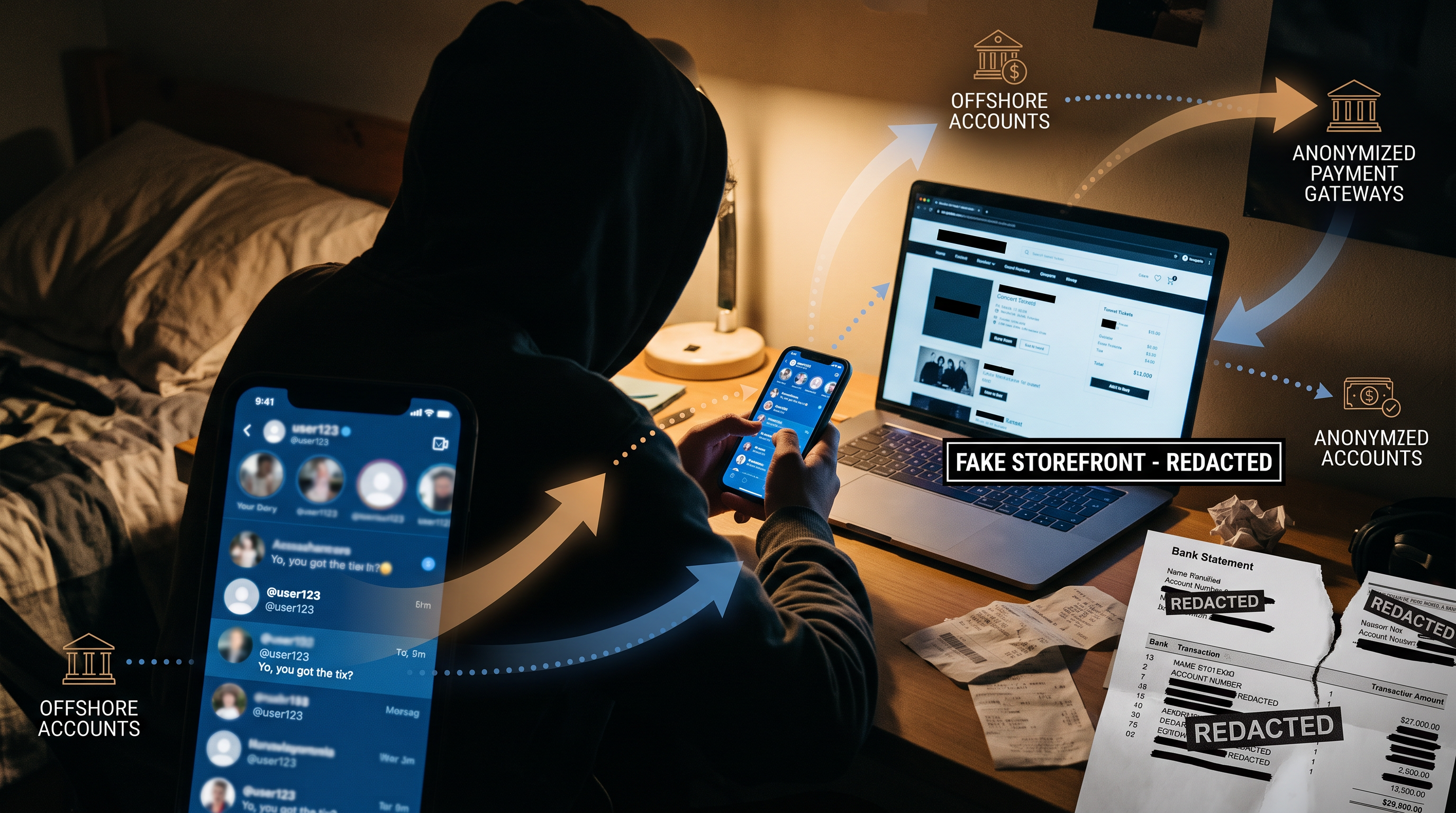
The final step always involves a payment method that is nearly impossible to recover. Typical demands include gift cards, cryptocurrency transfers, or urgent wire transfers. Once the money moves, it is gone. Platforms may report removals, but fraudulent accounts relaunch within hours, often with a slightly different handle and a fresh round of ads.
The Most Common Celebrity Impersonation Scam Lures
These scams come in many flavors, but the most common ones exploit the emotional connection fans have with their favorite public figures. Knowing what to look for can save you from becoming the next victim.
- Fake ticket sales: Exclusive concert or event tickets at a special price, available only through a private link.
- Bogus meet-and-greet offers: A chance to meet the celebrity in person, requiring an upfront deposit or fee.
- Fake giveaways: You have been selected to win merchandise, cash, or prizes, but you need to pay shipping or a handling fee first.
- Charity appeals: The celebrity is raising money for a cause and needs your donation right now through a private payment link.
- Romance scams: The celebrity has noticed you, is interested in a personal connection, and eventually needs financial help for an emergency.
The Federal Trade Commission’s consumer guide on impersonator scams confirms that these tactics are among the most reported fraud types in the country, with losses climbing every year as AI tools become more accessible to bad actors.
Red Flags That Scream Celebrity Impersonation Fraud
Even the most convincing deepfake has tells if you know what to look for. Train yourself to spot these warning signs before you engage with any unsolicited celebrity outreach.
- The account has a slightly misspelled username or a small variation from the official handle.
- The message asks you to move the conversation to a private app or off-platform link.
- There is extreme urgency, such as an offer that expires in minutes or hours.
- Payment is requested via gift cards, crypto, or wire transfer rather than a legitimate ticketing platform.
- The celebrity is asking you directly and personally for money or personal information.
- Profile photos look slightly off, facial movements in video clips appear unnatural, or the audio does not quite sync with the lips.
How to Protect Yourself From AI Celebrity Deepfake Scams
Consumer protection experts and digital forensics professionals agree that awareness and caution are your most powerful weapons against these attacks. Here is exactly what you need to do.
Verify Through Official Channels Only
Never trust outreach that comes to you unsolicited. If a celebrity or their team is genuinely trying to reach fans, that communication will always happen through their verified official accounts, official websites, or established ticketing platforms. If the message came to you through a DM from an account you did not follow, treat it as suspicious immediately.
Demand a Live Dated Video Response
If you are ever unsure whether you are speaking to a real person, ask for a live video call or a short personalized video that includes today’s date and a unique word or phrase you choose. Pre-recorded deepfakes cannot accommodate real-time requests. This simple test exposes most AI-generated fakes instantly.
Never Pay With Gift Cards or Cryptocurrency
This rule has no exceptions. Legitimate celebrities, charities, and event organizers do not ask fans to pay with gift cards or send cryptocurrency. Any request for these payment types is a textbook scam signal, full stop.
Report and Preserve Evidence
If you encounter a suspected impersonation scam, take screenshots of the profile, the messages, and any payment requests before the account disappears. Report the account directly to the platform. If you have already sent money, contact your bank or crypto exchange immediately and file a report with your national consumer protection agency. Speed matters here.
What Platforms Are Doing and Why It Is Not Enough
Social media platforms do remove fraudulent accounts and pull deceptive ads, but the cycle restarts almost immediately. Rapid account recreation, combined with ad cloaking techniques, means that by the time a fake profile is taken down, a new one is already running ads. As Euronews reported in early 2026, deepfake scams are reaching record levels precisely because the economics favor the attacker. The cost to launch a new campaign is far lower than the cost for platforms to police every ad at scale.
This is why personal vigilance cannot be outsourced to technology or platform moderation alone. The burden of protection ultimately falls on individual users until regulatory and technical solutions catch up with the speed of AI-generated fraud.
The Bottom Line on Celebrity Impersonation Scams
AI has handed fraudsters a powerful and cheap toolkit for exploiting the trust fans place in their favorite public figures. The scams are convincing, fast-moving, and designed to bypass both your emotions and your critical thinking. But they are not unstoppable. Staying skeptical, verifying everything through official channels, and refusing to pay through untraceable methods will keep you safe from the vast majority of these attacks. Share this information with family and friends, because the more people who recognize these tactics, the harder it becomes for scammers to profit from them.
Frequently Asked Questions About Celebrity Impersonation Scams
What is a celebrity impersonation scam?
A celebrity impersonation scam occurs when a fraudster creates a fake social media profile, website, or messaging account designed to look like a real celebrity. They use this fake identity to trick fans into sending money, sharing personal information, or clicking on phishing links, often using AI-generated deepfake audio or video to make the deception more believable.
How can I tell if a celebrity’s social media account is fake?
Look for slight misspellings in the username, recently created account dates, low follower counts despite appearing to be a major star, and messages that push you toward private chats or off-platform links. Always cross-check by visiting the celebrity’s official website or their known verified accounts to confirm the handle matches exactly.
What should I do if I already sent money to a celebrity impersonation scammer?
Act immediately. Contact your bank or credit card provider to report unauthorized activity and request a chargeback if possible. If you sent cryptocurrency, contact the exchange right away, though recovery is difficult. File a report with the FTC at reportfraud.ftc.gov and report the fraudulent account to the social media platform where the scam occurred.
Are deepfake videos used in celebrity impersonation scams easy to spot?
Deepfakes are becoming increasingly realistic, but there are still tells. Watch for unnatural blinking, slight lip-sync delays, unusual skin texture or lighting around the face, and odd hand or hair movements. The best way to expose a deepfake is to request a real-time video call where you ask the person to respond to a unique phrase or action you specify on the spot.
Which payment methods do celebrity impersonation scammers prefer and why?
Scammers almost always demand gift cards, cryptocurrency, or wire transfers because these payment methods are extremely difficult to trace and nearly impossible to reverse once sent. No legitimate celebrity, charity, or event organization will ever ask you to pay using these methods, so any such request should be treated as an immediate red flag.