Bank Leumi, one of Israel's largest banks, has launched a 26.6 million shekel lawsuit against Meta Platforms, the parent company of Facebook and Instagram, alleging that the platforms knowingly hosted and profited from scam advertisements impersonating the bank. The fraudulent ads reportedly used Bank Leumi's official logo and branding to deceive platform users, redirecting them to convincing fake websites designed to harvest sensitive financial credentials. The outcome of this case may set new precedents for platform liability and the verification process for social media advertisers.
What Happened?
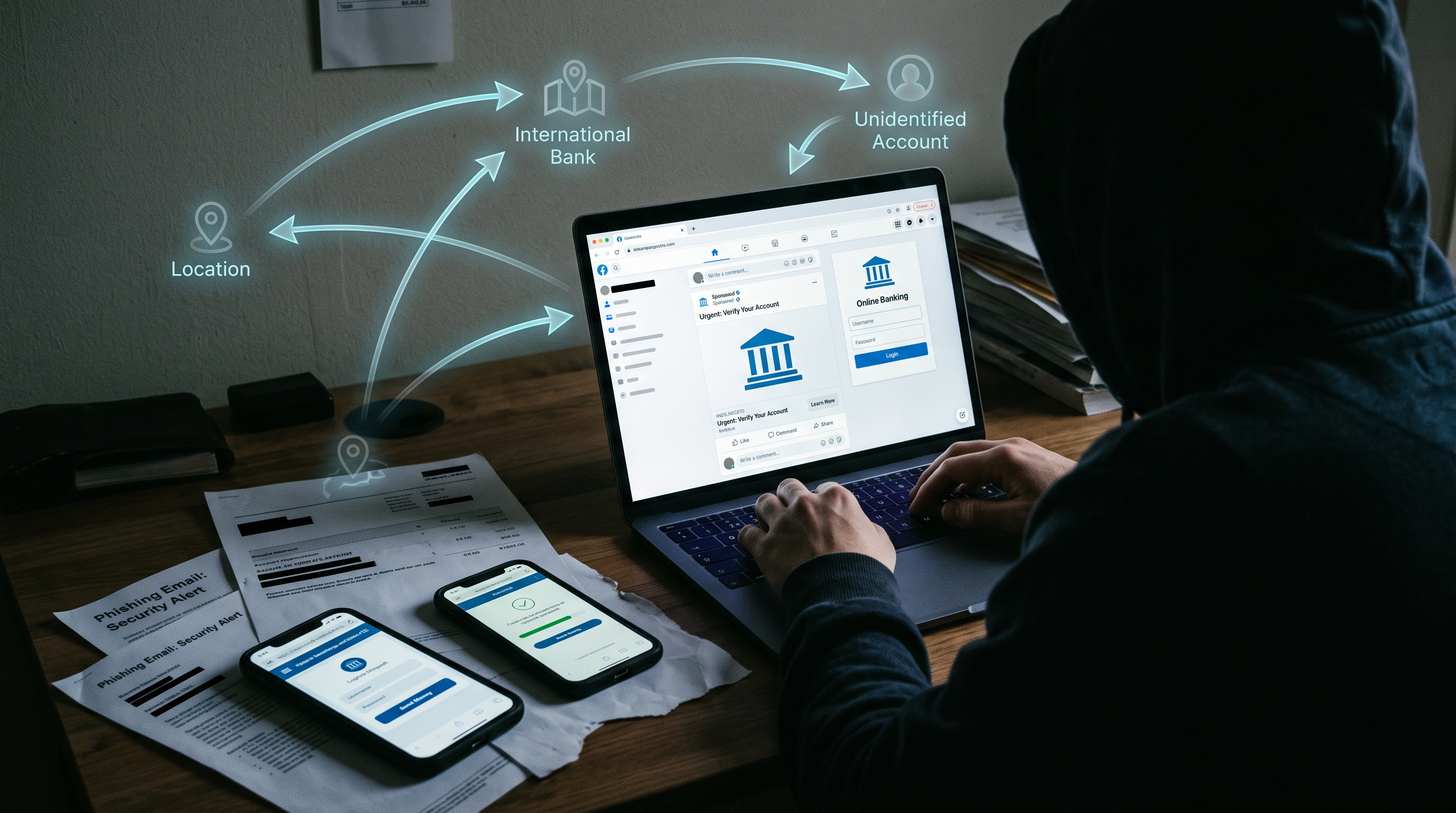
- Bank Leumi alleges that hundreds of paid advertisements on Facebook and Instagram mimicked the bank's official branding and sent users to phishing sites.
- The attackers collected login credentials, one-time passcodes, and card data from unsuspecting victims.
- The bank states it flagged these campaigns to Meta repeatedly, but the ads continued running, causing direct financial losses and reputational damage.
- The lawsuit seeks monetary damages and demands stricter ad review and pre-approval processes from Meta for any campaign using financial institution branding.
How Did the Scam Ads Work?
Scammers paid for sponsored ads featuring Bank Leumi's visual identity and enticing offers such as 'exclusive rewards' or 'urgent account updates.' Clicking these ads directed users to phishing websites that appeared identical to the real Leumi site. Users were prompted to enter sensitive information, which was then used or sold by cybercriminals.
Why Is This Lawsuit Important?
This is one of the most significant cases of a bank targeting a social media giant over malicious ads. It raises questions about Meta's responsibilities to vet advertisers, protect brands, and compensate victims. With the rapid rise in social media-driven impersonation scams, the court's decision could influence regulatory action and industry standards worldwide.
Protecting Yourself Against Scam Bank Ads
- Always verify the website URL before entering banking credentials.
- Banks never ask for full login details via social media links or pop-up ads.
- If you see a suspicious ad, report it using the social platform's reporting tools and alert your bank directly.
- Use official bank apps or bookmarks rather than clicking on ads in feeds.
Looking Ahead
Meta has not issued a public comment on the lawsuit. Regulatory agencies in Israel and other countries are taking note as brand impersonation scams proliferate. This suit may hasten the adoption of new identity checks and liability rules for social media advertising worldwide.