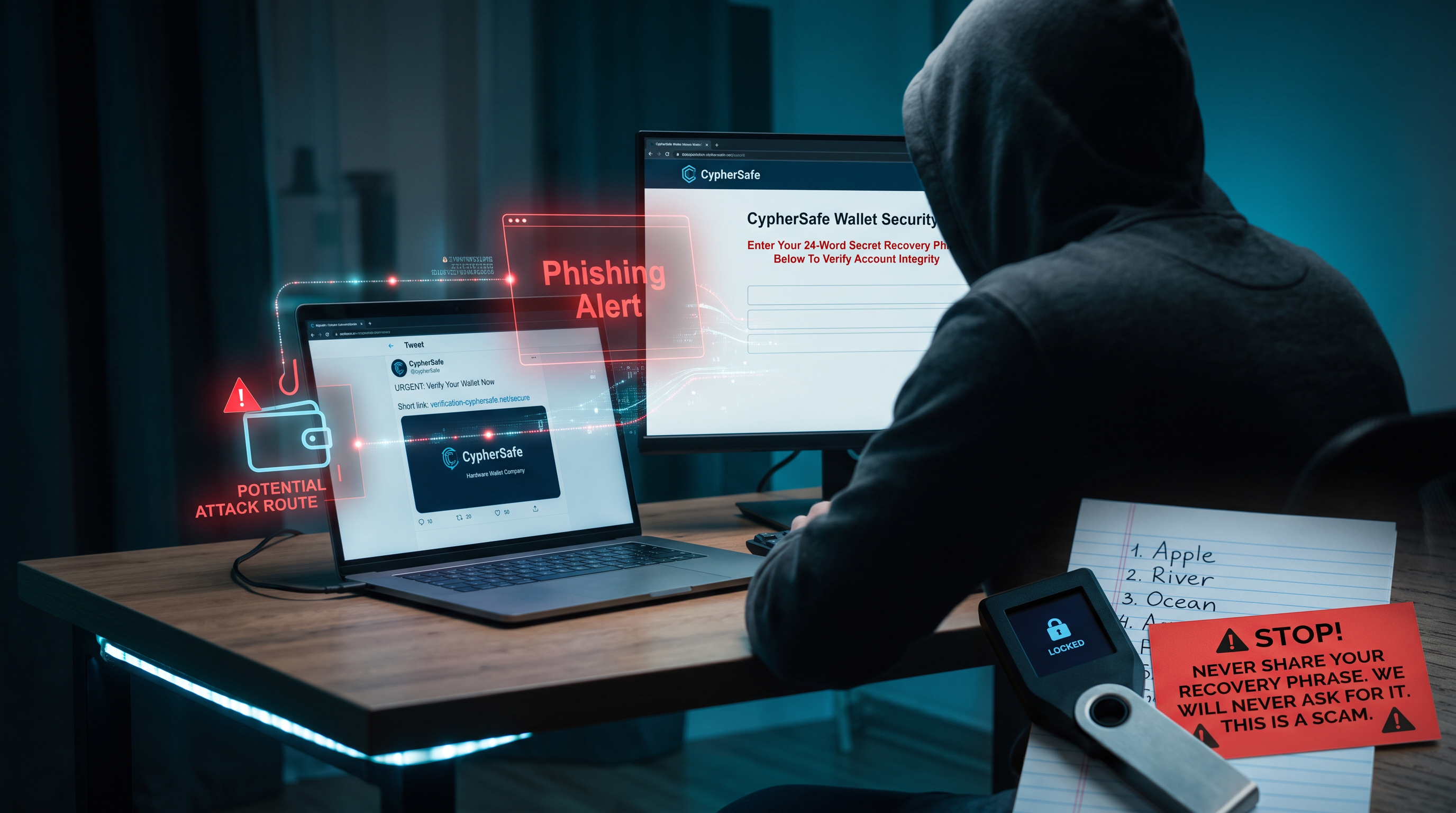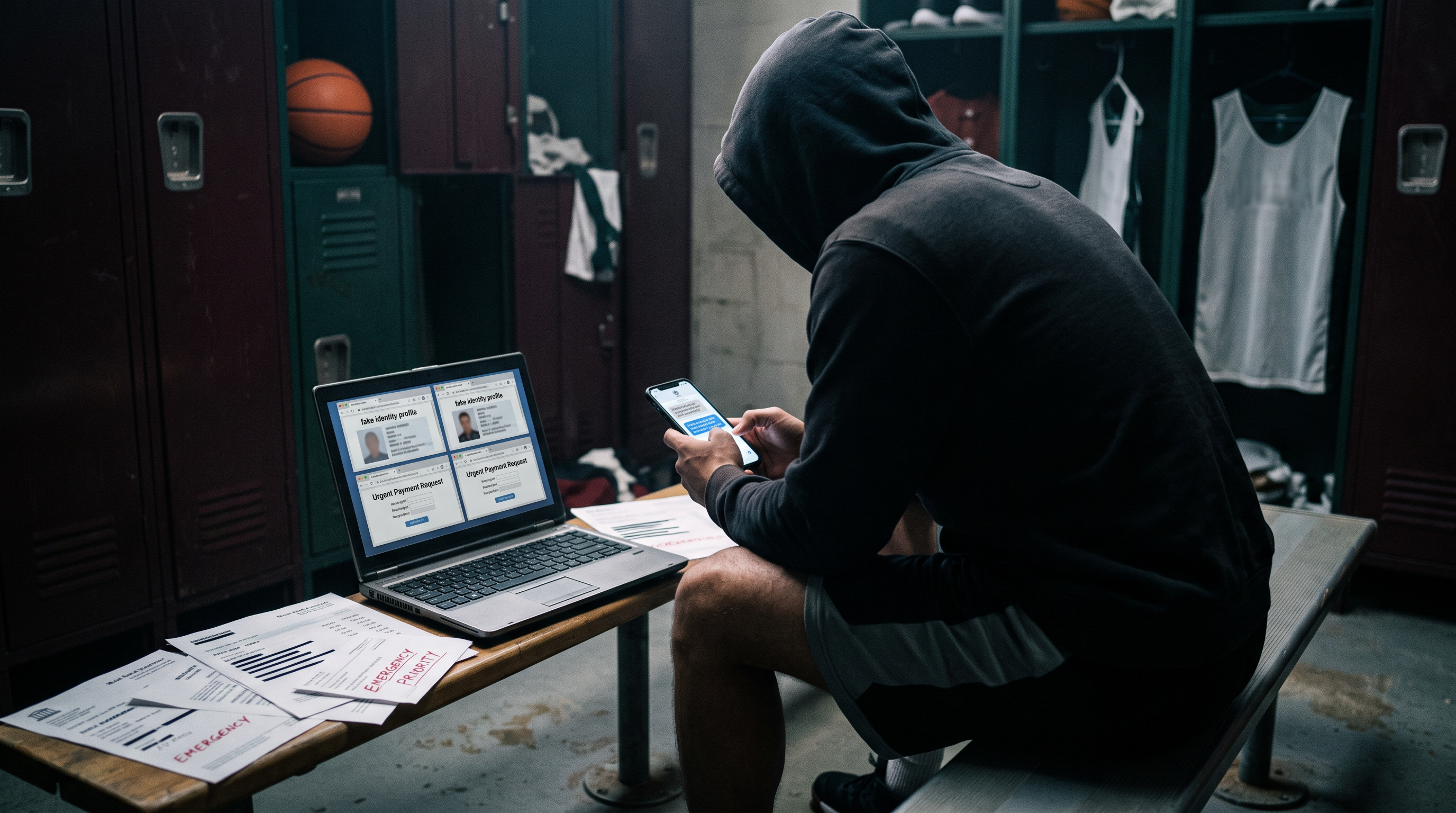
Celebrity impersonation scams have exploded in 2025, fueled by generative AI tools that let fraudsters clone voices, faces, and entire social media personas with alarming speed. According to reporting from NBC’s Today show, these schemes have reportedly cost victims an estimated $5.3 billion this year alone. The technology has lowered the barrier so dramatically that even low-skilled criminals can now run convincing, large-scale operations targeting fans across every major platform.
How AI-Powered Celebrity Impersonation Scams Work
The mechanics of these scams follow a predictable but effective playbook. Fraudsters create fake profiles that mirror a celebrity’s real account, copying profile photos, bios, post history, and even writing style. They then use paid advertising and coordinated comment farms to push these fake profiles into the feeds of genuine fans, building a false sense of credibility before making direct contact.
Once a target engages, the scammer moves them off the public platform and into a private messaging app. This isolation is intentional. Away from the main platform’s moderation tools, the fraudster can take the relationship wherever they want without interference.
The Most Common Celebrity Scam Tactics in 2025
These operations are not one-size-fits-all. Fraudsters tailor their approach depending on the victim’s apparent vulnerabilities. The most widely reported schemes include:
- Fake giveaways: The impersonator announces a cash prize or exclusive merchandise giveaway and asks victims to pay a small “processing fee” to claim it.
- Romance grooming: The scammer builds a long-term emotional relationship with the victim, eventually requesting money for an emergency, travel, or investment.
- Bogus VIP meet-and-greets: Victims pay hundreds or thousands of dollars for a backstage pass or private event that never exists.
- Fake investment pitches: The celebrity persona endorses a cryptocurrency or stock opportunity, directing victims to fraudulent platforms that show fabricated gains.
Payment demands almost always involve gift cards, wire transfers, or cryptocurrency. These methods are preferred because they are difficult to reverse and easy to launder quickly through small transactions and crypto mixing services.
Why These Scams Are So Hard to Stop
Platforms do remove fake pages after reports, but according to the Federal Trade Commission, operators simply spin up replacement accounts within hours. The combination of weak ad verification standards and slow platform response times gives scammers a wide operational window before any action is taken.
Deepfake and voice-cloning technology makes the problem significantly worse. A fraudster can now generate a short video of a celebrity appearing to personally address a victim, making the illusion almost impossible to detect without technical tools. Fake dashboards and fabricated transaction receipts keep victims trusting the scheme even after they have already sent money.
Experts and consumer advocates are calling for mandatory synthetic media labeling, stricter know-your-customer (KYC) requirements on cryptocurrency onramps, and faster ad-verification processes across social platforms. Until those systemic fixes arrive, the burden of protection falls largely on individual users.
Real People Are Losing Real Money
The human cost extends well beyond financial loss. Reporting from AARP highlights that victims frequently experience significant emotional distress, shame, and damaged personal relationships after falling for romance-style celebrity scams. Many victims delay reporting because they feel embarrassed, which gives scammers additional time to move funds and evade detection.
Cases documented in Utah by KSL News show that victims are losing both money and sensitive personal information. Some reported sharing identification documents and financial account details after scammers requested them as part of a fake verification process for a giveaway or meet-and-greet.
How to Spot a Celebrity Impersonation Scam
Knowing the warning signs can save you significant financial and emotional harm. Watch for these red flags:
- An account contacts you out of nowhere claiming to be a celebrity.
- The message asks you to move the conversation to a private app like Telegram or WhatsApp.
- You are asked to pay any fee to receive a prize, gift, or exclusive access.
- Payment is requested via gift cards, wire transfer, or a cryptocurrency wallet you do not recognize.
- The account has a slightly altered username, such as an extra underscore or number, compared to the verified account.
- The celebrity persona is unusually attentive, responding at all hours and escalating emotional intensity quickly.
What to Do If You Have Been Targeted
If you believe you have been contacted by a celebrity impersonator, act quickly. Time is critical when money has already been sent. Take these steps immediately:
- Stop all communication with the account and block it.
- Preserve screenshots of every message and any transaction records.
- Contact your bank or credit card provider right away to report the transaction and attempt a reversal.
- Report the fake account directly to the platform where the contact occurred.
- File a report with the FTC at reportfraud.ftc.gov.
- File a complaint with the FBI’s Internet Crime Complaint Center at ic3.gov.
You can also use tools like Blacklist to check known scammer profiles and report fraudulent accounts to help protect other potential victims.
The Bigger Picture: AI Is Changing the Fraud Landscape
The $5.3 billion figure attached to celebrity impersonation scams in 2025 is not simply a reflection of more criminals. It reflects a technology shift that has made each individual criminal dramatically more productive. One operator running AI-generated deepfake content can target thousands of victims simultaneously across multiple platforms and time zones.
Consumer advocates, lawmakers, and cybersecurity researchers broadly agree that platform accountability must increase. Ad networks that amplify fake celebrity content for profit need stronger verification requirements before any account can run paid promotions. Crypto exchanges that accept funds from fraud without adequate identity checks enable the entire ecosystem to keep operating.
Until those structural changes take effect, the strongest defense available to consumers is awareness and skepticism. No real celebrity will slide into your DMs asking for gift cards or crypto. If it feels too personal and too good to be true, it is a scam.
Frequently Asked Questions
How do celebrity impersonation scams typically start?
They usually begin with a follow, comment, or direct message from an account that closely mimics a real celebrity’s profile. The impersonator uses AI-generated content, copied photos, and amplified ads to appear legitimate before initiating personal contact.
What payment methods do these scammers demand?
Scammers almost always request gift cards, wire transfers, or cryptocurrency because these methods are difficult to reverse and easy to launder. Never send money through any of these channels based on an unsolicited celebrity message.
Can AI deepfakes make it impossible to tell if a celebrity is real?
Current deepfake technology can be extremely convincing, especially in short video clips or audio messages. Always verify a celebrity’s identity through their official, platform-verified accounts before trusting any direct outreach.
Where should I report a celebrity impersonation scam?
Report to the social platform directly, then file complaints with the FTC at reportfraud.ftc.gov and the FBI’s IC3 at ic3.gov. Contact your bank immediately if you have already sent money, and preserve all evidence including screenshots and receipts.
Are older adults more at risk from these scams?
AARP research indicates that older adults are frequently targeted, particularly through romance-style grooming variations of celebrity scams. However, fraudsters target people of all ages, and younger fans are increasingly victimized through fake giveaway and investment schemes tied to celebrities they follow closely.