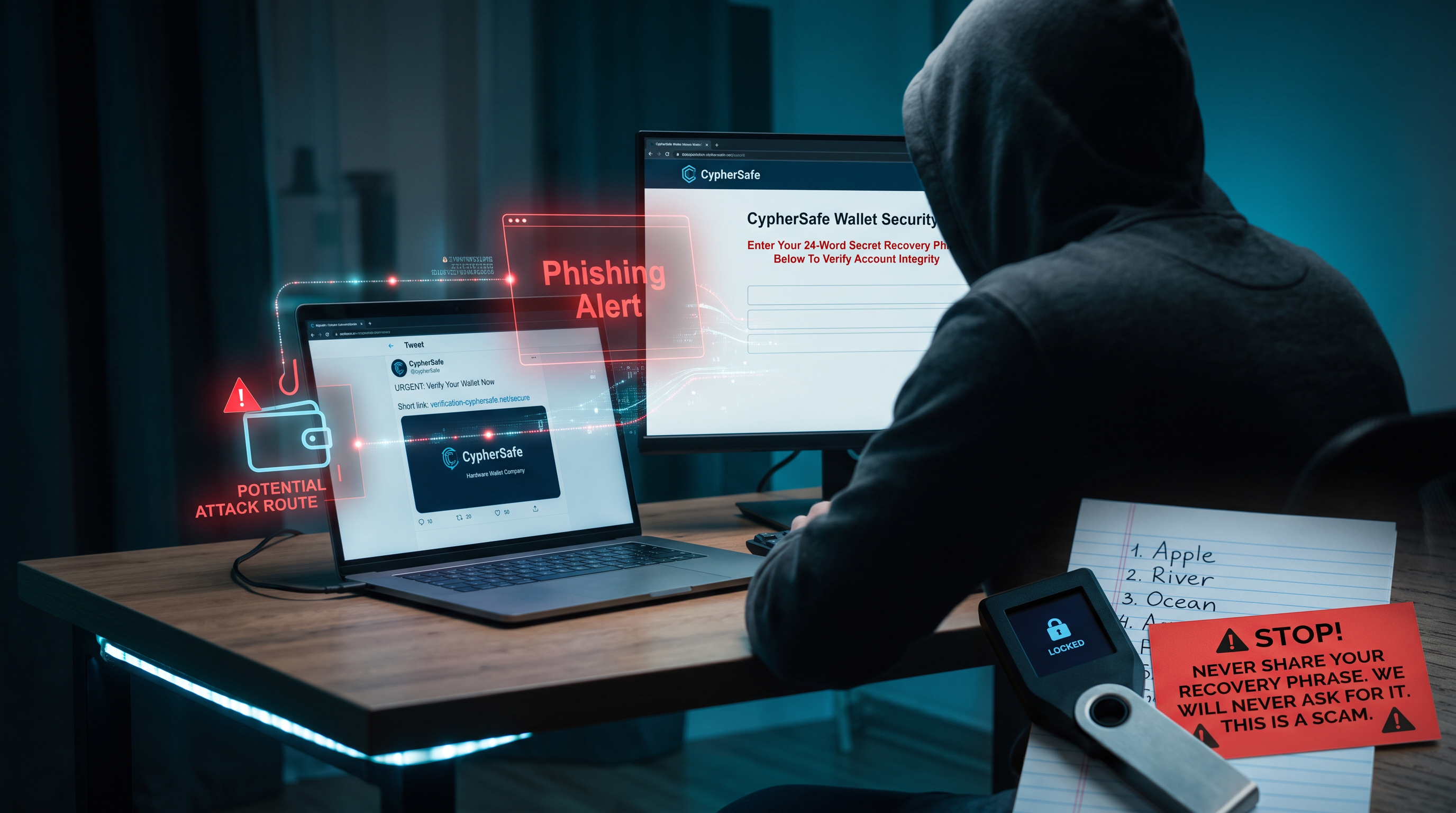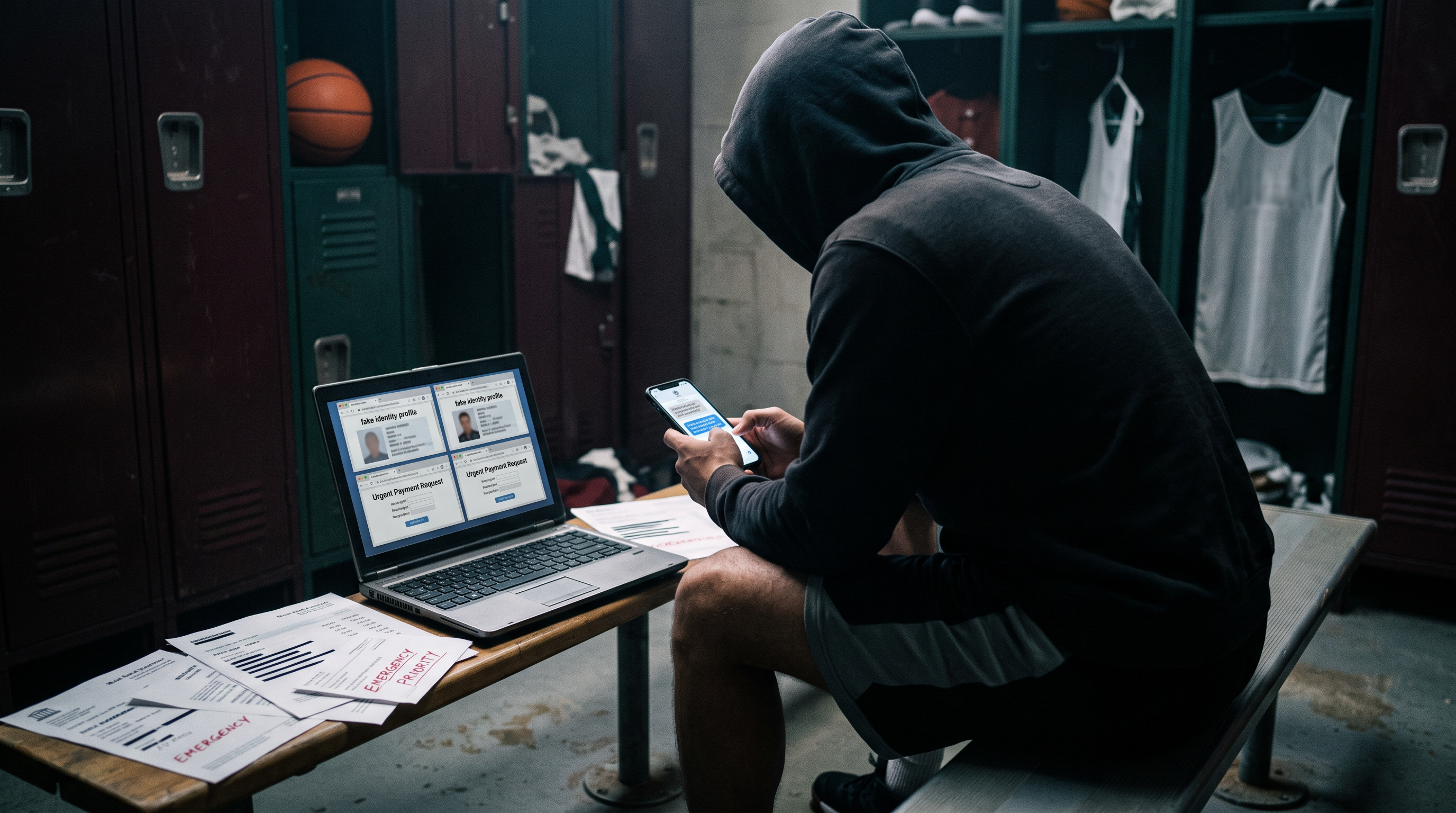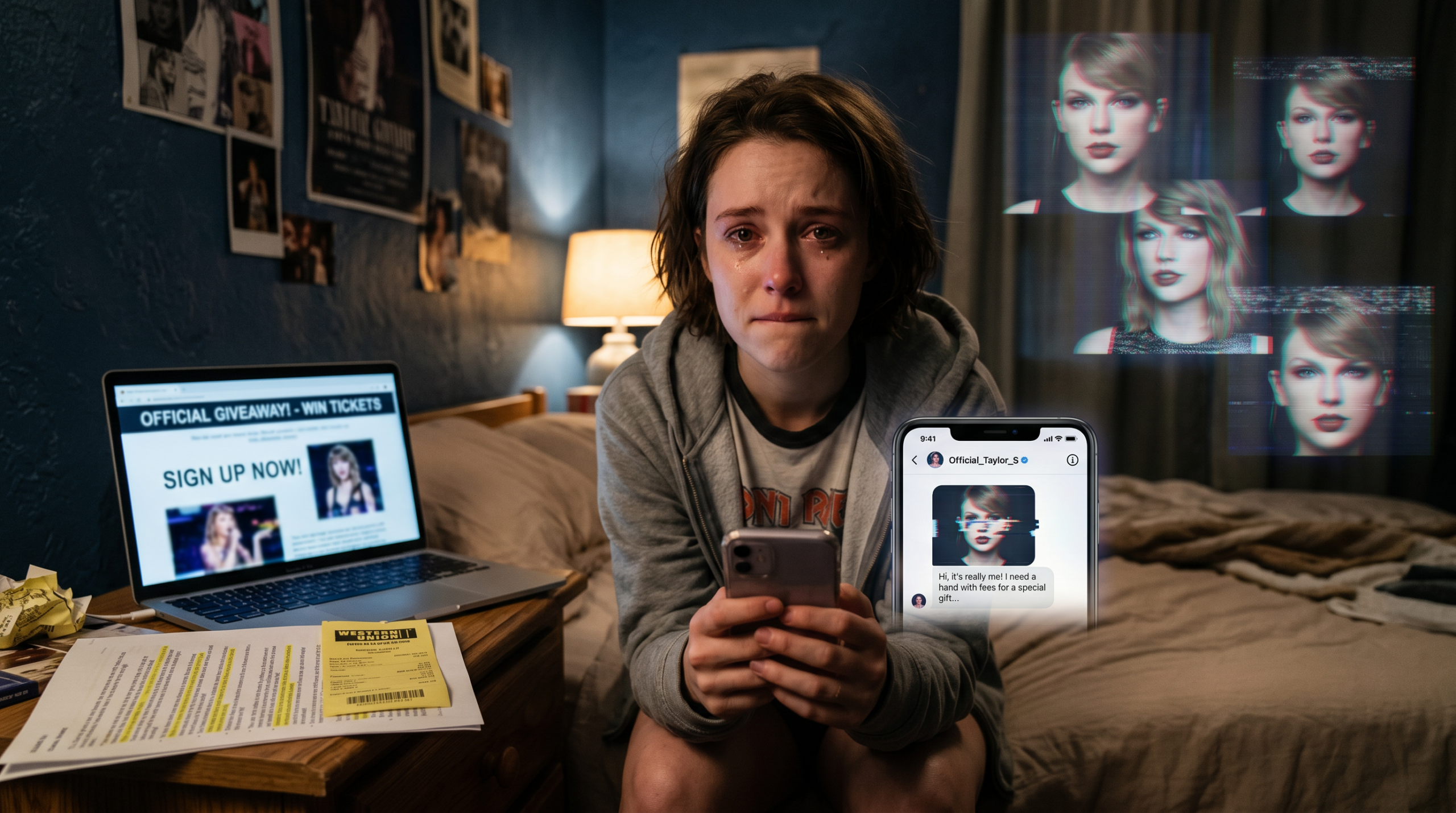
AI celebrity impersonation scams have exploded into one of the most damaging fraud trends of 2025, reportedly draining billions of dollars from fans who believe they are communicating directly with their favorite stars. According to FBI-derived estimates cited by digital security firm Spikerz, losses tied to this category of fraud could reach as high as $5.3 billion this year alone. What was once a clumsy, easy-to-spot con has been turbocharged by generative AI tools that let fraudsters clone a celebrity’s voice, face, and mannerisms in minutes and at virtually no cost.
How AI Celebrity Impersonation Scams Work
The mechanics behind these scams follow a predictable but highly effective pattern. Fraudsters begin by creating fake social media profiles or running paid advertisements that use deepfake video or cloned audio of a real celebrity. These ads are designed to look legitimate, sometimes even mirroring the branding and posting style of a star’s verified account, according to a TODAY investigation into celebrity impersonation fraud.
Once a fan engages, the scammer moves them off the public platform and into a private direct message thread or a third-party chat app. This shift is deliberate. Private channels are harder for platforms to monitor and make victims feel like they have been granted exclusive access to someone famous.
From there, the grooming process begins. The fraudster mirrors the celebrity’s communication style, sends personalized messages, and builds emotional rapport over days or even weeks. When trust is established, a request arrives, typically framed as a small favor or a unique opportunity.
The Payment Trap: Gift Cards, Crypto, and Wire Transfers
Once the emotional hook is set, scammers pivot to extraction. Common payment demands include:
- Gift cards from major retailers, which victims are asked to photograph and share the PIN numbers for.
- Cryptocurrency transfers to wallets controlled by the fraudster.
- Wire transfers to offshore accounts.
- Recurring charges tied to fake “fan verification” portals or subscription traps that auto-renew.
The AARP has documented numerous cases where victims, many of them older adults, lost tens of thousands of dollars after believing a beloved celebrity had personally reached out to them. As the AARP explains in its celebrity impostor fraud guide, the emotional connection fans feel toward celebrities is precisely what makes them vulnerable. Scammers weaponize admiration and turn it into financial loss.
Why Generative AI Has Made This Fraud Scalable
Before generative AI, running a celebrity impersonation scheme required some technical skill and significant manual effort. Today, off-the-shelf AI tools can produce a convincing deepfake video, a cloned voice clip, or a synthetic image in a matter of minutes. The cost per scam attempt has collapsed, meaning fraudsters can now target thousands of fans simultaneously instead of dozens.
Weak advertising verification on major platforms has compounded the problem. Operators can launch a paid ad featuring a deepfake celebrity endorsement, run it long enough to harvest leads, and then abandon the account before the platform takes action. Domain churn follows the same logic: fake landing pages are spun up, used, and discarded before law enforcement or platform trust-and-safety teams can act.
The result is a fraud operation that is simultaneously massive in scale and difficult to pin down. By the time a victim realizes they have been deceived, the accounts, ads, and domains involved have often vanished completely.
Deepfake Red Flags Fans Should Know
Spotting AI-generated content is getting harder, but certain warning signs still surface consistently:
- Unnatural blinking patterns or slight visual glitches around the hairline and ears in video content.
- Audio that sounds slightly flat or robotic, particularly during emotional inflections.
- Accounts with no post history, low follower counts, or usernames that include extra characters mimicking a verified handle.
- Requests that move the conversation away from a public platform immediately after first contact.
- Any unsolicited message that eventually leads to a payment request, no matter how small the initial ask.
What Victims and Fans Can Do Right Now
Consumer protection agencies and fraud researchers are aligned on a core set of protective steps. The FTC has warned about celebrity impersonators on social media for years, and the advice has only grown more urgent as AI lowers the barrier to fraud. Here is what you should do:
- Never send money in response to an unsolicited DM, regardless of who it appears to come from. Real celebrities do not cold-message fans asking for gift cards, crypto, or wire transfers.
- Verify any offer or contact through official channels only. Check the celebrity’s verified website or confirmed social accounts directly. Do not click links inside the suspicious message.
- Preserve all evidence. Screenshot conversations, save transaction receipts, and document the account handles and URLs involved before they disappear.
- Contact your bank or crypto exchange immediately if you have already sent money. Reversals are rare but time-sensitive, and the sooner you act, the better your odds.
- Report the fraud. File a complaint with the FTC at ReportFraud.ftc.gov and submit a tip to the FBI’s Internet Crime Complaint Center at IC3.gov. Also report the fraudulent account directly to the platform where you encountered it.
You can also use resources like Blacklist to research suspicious accounts, usernames, and numbers before engaging with them further.
Calls for Platform Accountability and Synthetic Media Labeling
Law enforcement and consumer advocates are pressing social media companies and advertising platforms to do more. Proposals under active discussion include mandatory labeling of AI-generated or synthetic media, stricter advertiser identity verification, and faster takedown processes for impersonation reports. Some legislators have introduced bills that would require platforms to disclose when video or audio content has been materially altered by AI.
Until those guardrails are in place, the burden of protection falls heavily on consumers. Fraudsters are counting on emotional impulsiveness and a lack of awareness about how convincing AI-generated content has become. Staying informed is the first and most important line of defense.
Conclusion
AI celebrity impersonation scams represent one of the fastest-growing and most financially destructive fraud categories in 2025. Generative AI has made it cheap to fake a famous face or voice, and millions of fans remain unaware of just how sophisticated these operations have become. The best defense is skepticism. No real celebrity will ever ask you for a gift card PIN through a DM. If something feels off, trust that instinct, verify through official sources, and report what you find. Protecting yourself starts with knowing how the scam works before it finds you.
Frequently Asked Questions
How can I tell if a celebrity account contacting me is fake?
Look for accounts with no verified badge, unusual usernames that add extra characters to a celebrity’s real handle, and very limited post history. Any account that quickly moves the conversation to a private chat app and eventually asks for money is almost certainly fraudulent.
What should I do if I already sent money to a fake celebrity account?
Contact your bank or crypto exchange immediately to attempt a reversal or freeze. Then file reports with the FTC at ReportFraud.ftc.gov and the FBI at IC3.gov. Document every piece of evidence you have, including screenshots and transaction records, before the scammer’s account disappears.
Why do scammers ask for gift cards instead of bank transfers?
Gift card transactions are nearly impossible to reverse and difficult to trace. Once you share a PIN number, the funds are effectively gone. Scammers prefer them because they convert quickly to cash and leave almost no recoverable financial trail.
Are deepfake celebrity scams only targeting older people?
No. While older adults are disproportionately represented in reported losses, younger fans who are highly engaged with celebrity culture on platforms like Instagram, TikTok, and X are also frequently targeted. Anyone with strong emotional ties to a celebrity can be vulnerable to this type of manipulation.
Can platforms stop AI celebrity impersonation scams?
Platforms are working on synthetic media detection and stricter advertiser verification, but fraudsters adapt quickly by rotating accounts and domains. Stronger legal requirements for AI content labeling and faster impersonation takedowns are being proposed, but for now, consumer vigilance remains the most reliable protection.