A sophisticated fraud network has stolen an estimated £35 million from thousands of savers across the UK by using doctored video clips of well-known media figures, including money expert Martin Lewis, to promote bogus investment and cryptocurrency schemes. An investigative report published by The Guardian has laid bare the full scale of the operation, revealing how fraudsters combined deepfake technology, fake news sites, and high-pressure sales tactics to drain the savings of ordinary people. The findings have sent shockwaves through financial regulators, ad platforms, and cybercrime units across Britain.
How the Martin Lewis Deepfake Investment Scam Operated
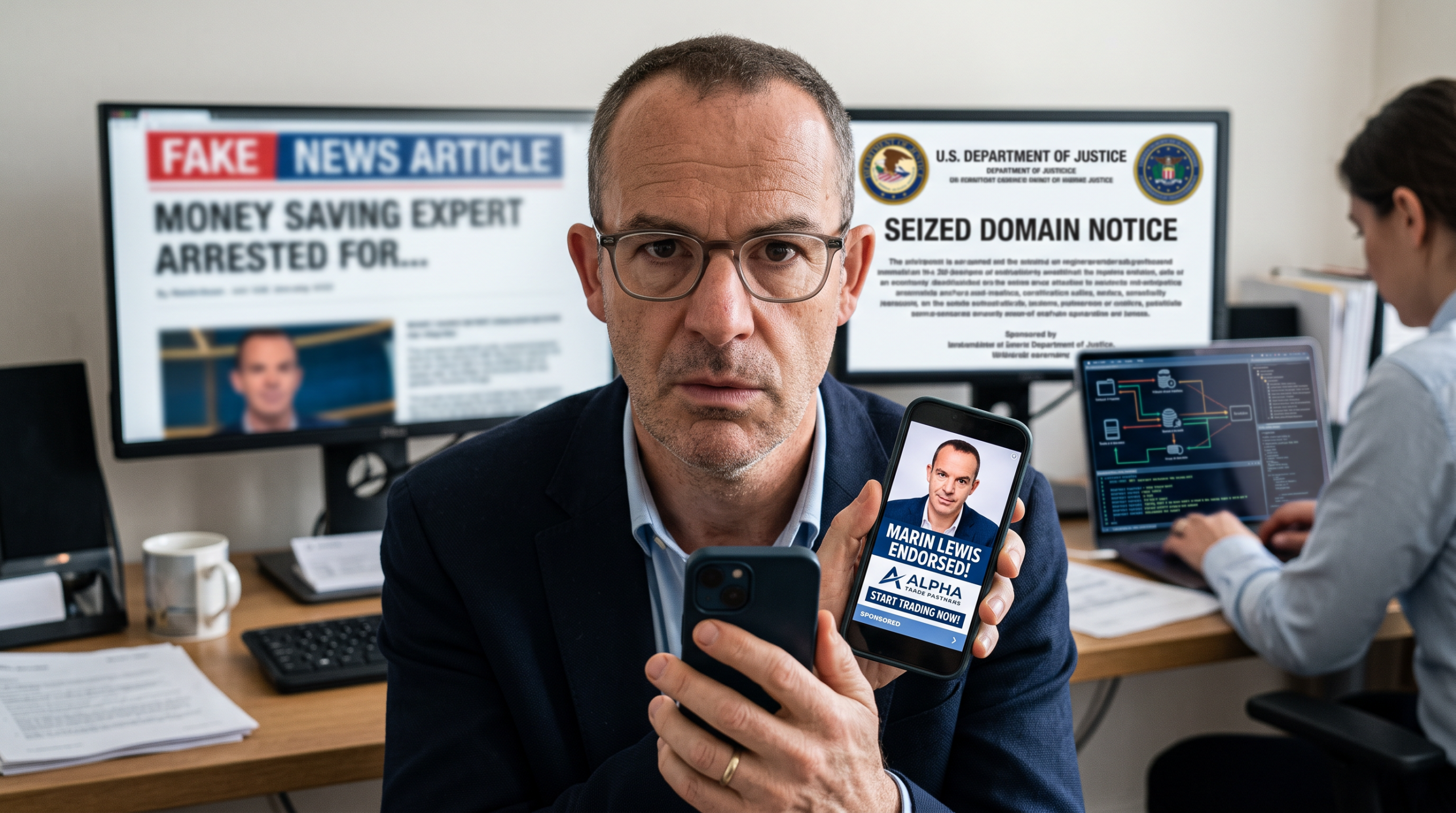
The fraud followed a carefully engineered playbook designed to exploit trust at every step. Operators created polished, convincing deepfake video clips and fabricated screenshots that showed Martin Lewis and other recognised UK media personalities apparently endorsing specific investment platforms and crypto schemes. These assets looked genuine to the untrained eye, mimicking real broadcast footage and credible news article layouts.
Once the fake content was ready, the network amplified it through targeted paid advertisements on major social media platforms and search engines. Because the ads used real celebrity faces and familiar editorial formats, they bypassed standard review filters and reached a broad audience of older savers and financially curious users who were actively searching for investment opportunities.
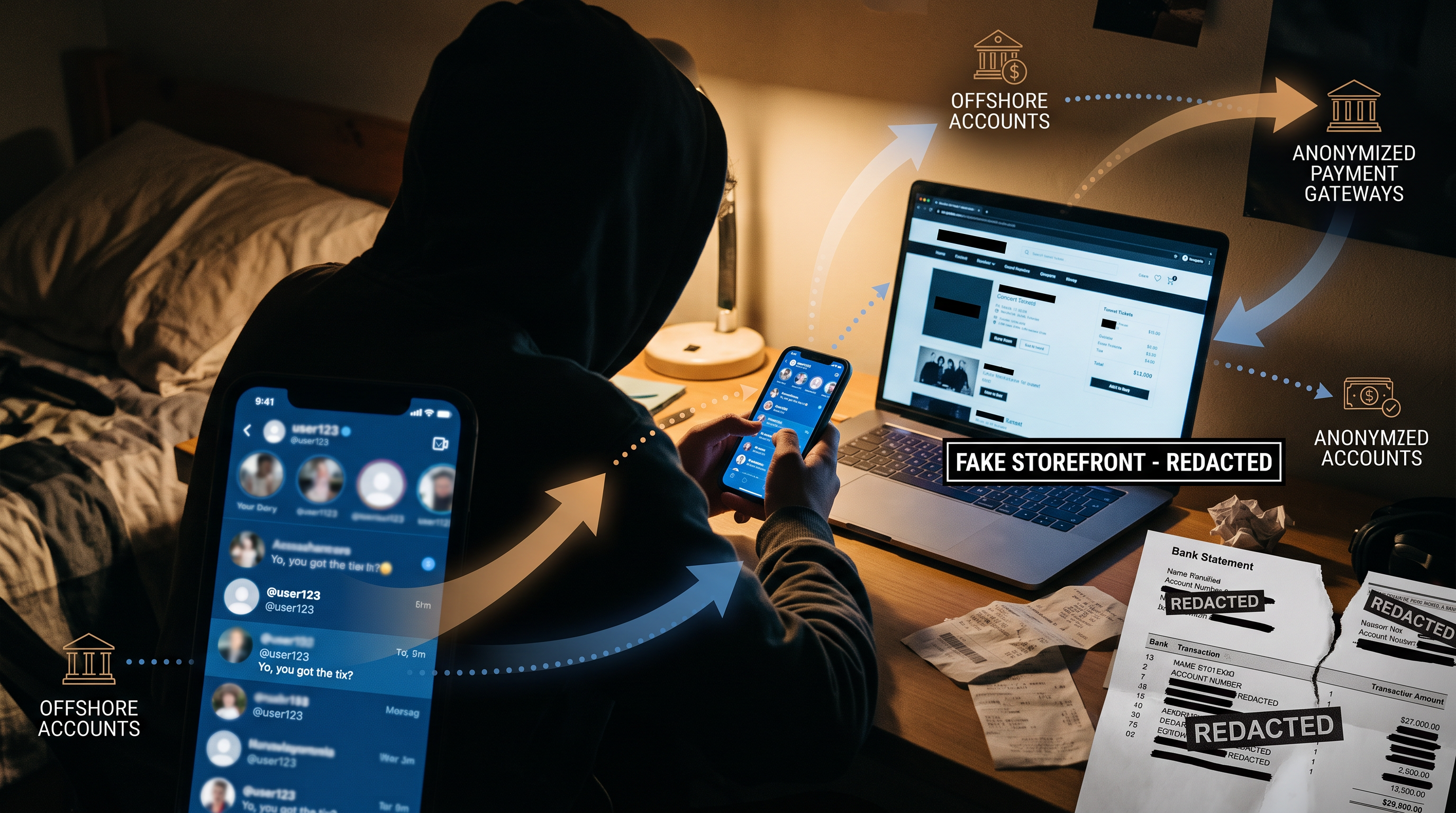
Victims who clicked through landed on cloned trading portals and fabricated financial news sites, dressed up to look like legitimate brokerages or established media outlets. From there, they were handed off to a boiler-room sales team that applied relentless pressure to transfer funds quickly, often framing urgency around limited-time returns or exclusive access windows.
The Anatomy of a Deepfake Fraud Funnel
Understanding how these scams flow from first contact to financial loss is critical for consumers. The typical journey looks like this:
- Fake ad served via paid social or search: A deepfake clip or fabricated article screenshot appears in a targeted feed, often optimised for users aged 45 and older.
- Landing on a cloned news site: The ad links to a convincing fake news page complete with forged quotes, fabricated journalist bylines, and stolen branding from real publications.
- Lead capture form: Visitors enter their name, phone number, and email in exchange for promised investment details.
- Boiler-room contact: A fraudster posing as a financial adviser calls almost immediately, citing the fake celebrity endorsement to build credibility.
- Cloned trading portal: Victims are directed to a fake platform that displays fabricated profits, encouraging them to deposit more money.
- Payment and disappearance: Funds are moved via bank transfer, debit card, or in some cases cryptocurrency onramps, making recovery extremely difficult.
Who Is Being Targeted and Why It Works
According to reporting by ITV News, older savers and people actively seeking ways to grow their retirement funds are disproportionately targeted. Fraudsters select audiences deliberately, using ad platform demographic tools to reach people with higher disposable income and a demonstrated interest in personal finance.
The use of Martin Lewis is particularly calculated. Lewis has spent years building a reputation as a trusted, no-nonsense consumer champion, so seeing his face attached to an investment tip triggers genuine confidence rather than suspicion. That misplaced trust is precisely what makes deepfake celebrity fraud so dangerous compared to generic phishing attempts.
Platform verification gaps have also played a central role. Investigators found that fake advertiser accounts were set up using minimal identity documentation, and that automated ad review systems were not equipped to detect AI-generated or doctored video at the volume these operators were producing.
What Authorities Are Saying
UK cybercrime investigators and financial regulators have confirmed they are actively pursuing the network behind these ads. Action Fraud, the UK’s national fraud reporting centre, has urged anyone who suspects they have been targeted to report the incident immediately at Action Fraud. Authorities estimate losses across thousands of victims, with individual losses ranging from a few hundred pounds to well over six figures.
Regulators are also pushing for structural fixes, including stricter advertiser identity verification (ad KYC), mandatory labelling of synthetic and AI-generated media, and faster coordination between platforms and law enforcement to seize fraudulent domains before victims accumulate. None of these measures are yet in place at the scale the problem demands.
How to Spot and Avoid Deepfake Investment Scams
Protecting yourself starts with healthy skepticism toward any unsolicited investment opportunity, regardless of who appears to be promoting it. Here are the key steps every consumer should follow:
- Verify endorsements on official channels. Check whether Martin Lewis or any other named personality has actually recommended the product on their verified website, verified social media accounts, or in their own newsletter. They almost certainly have not.
- Look for deepfake tells. Watch for unnatural blinking, lip movements that do not perfectly match audio, inconsistent lighting around the face, and audio that sounds slightly robotic or out of sync.
- Never move conversations off-platform. Fraudsters push victims to WhatsApp or personal email quickly to avoid detection by platform safety teams.
- Avoid paying with gift cards or crypto. Legitimate investment platforms never request these payment methods.
- Get independent financial advice. Before transferring any funds, speak with a regulated financial adviser registered with the FCA.
- Preserve all evidence. Screenshot ads, save email and chat logs, and record transaction details before reporting.
- Report immediately. In the UK, report to Action Fraud. In the US, file a complaint with the FTC or the FBI IC3.
Using Verification Tools to Stay Protected
Beyond official reporting channels, consumers and businesses can use proactive screening tools to check whether individuals or platforms they encounter have been flagged for fraud. Resources like Blacklist help users identify known scammers and fraudulent operations before any money changes hands. Running a quick check before engaging with any unsolicited investment contact costs nothing and could save your life savings.
The Bigger Picture: Deepfakes and the Fraud Economy
The Martin Lewis deepfake investment scam is not an isolated incident. It is part of a growing global trend in which organised fraud networks treat deepfake production as a standard line item in their operating budget. The barrier to creating a convincing fake celebrity endorsement has dropped dramatically in the past two years, and platforms have not kept pace with the threat.
Until ad networks implement robust synthetic media detection, require meaningful advertiser identity verification, and share intelligence with law enforcement in near real time, these operations will continue to scale. The £35 million figure is almost certainly an undercount, since many victims never report fraud out of embarrassment or because they do not realise they have been scammed until months later.
If you believe you have been targeted by a deepfake investment scam, do not wait. Report it now, preserve your evidence, and warn others in your network. The faster these operations are reported, the faster authorities can shut them down and prevent the next victim from losing their savings.
Frequently Asked Questions
Is Martin Lewis actually promoting any investment platforms?
No. Martin Lewis has repeatedly and publicly stated that he does not endorse any investment platforms, crypto schemes, or trading portals. Any ad claiming otherwise is fraudulent. Always verify endorsements directly on his official website, MoneySavingExpert.com, or his verified social media accounts.
How do I tell if an investment video featuring a celebrity is a deepfake?
Look for subtle visual inconsistencies such as unnatural eye movement, lips that do not perfectly sync with speech, strange lighting or shadowing around the face and neck, and audio that sounds flat or slightly mechanical. If something feels slightly off, trust that instinct and do not proceed.
What should I do if I already sent money to one of these scams?
Contact your bank immediately to report an unauthorised or fraudulent transfer and ask about a chargeback or recall. Then report the incident to Action Fraud in the UK, or to the FTC and FBI IC3 if you are in the United States. Preserve all screenshots, emails, and transaction records as evidence for investigators.
Why are social media platforms not stopping these ads?
Automated ad review systems are not yet reliably detecting AI-generated or lightly doctored video content at scale. Fraudsters also use freshly created advertiser accounts with minimal documentation. Regulators are pushing for stricter advertiser identity verification and synthetic media labelling, but these measures are not yet fully implemented across major platforms.
Are deepfake investment scams only happening in the UK?
No. Similar campaigns targeting well-known financial personalities and celebrities have been reported across the United States, Australia, Canada, and the European Union. The networks behind them are often internationally organised, which makes jurisdiction and prosecution complex. Reporting to national authorities remains the most effective immediate step any victim can take.